

Smart Home
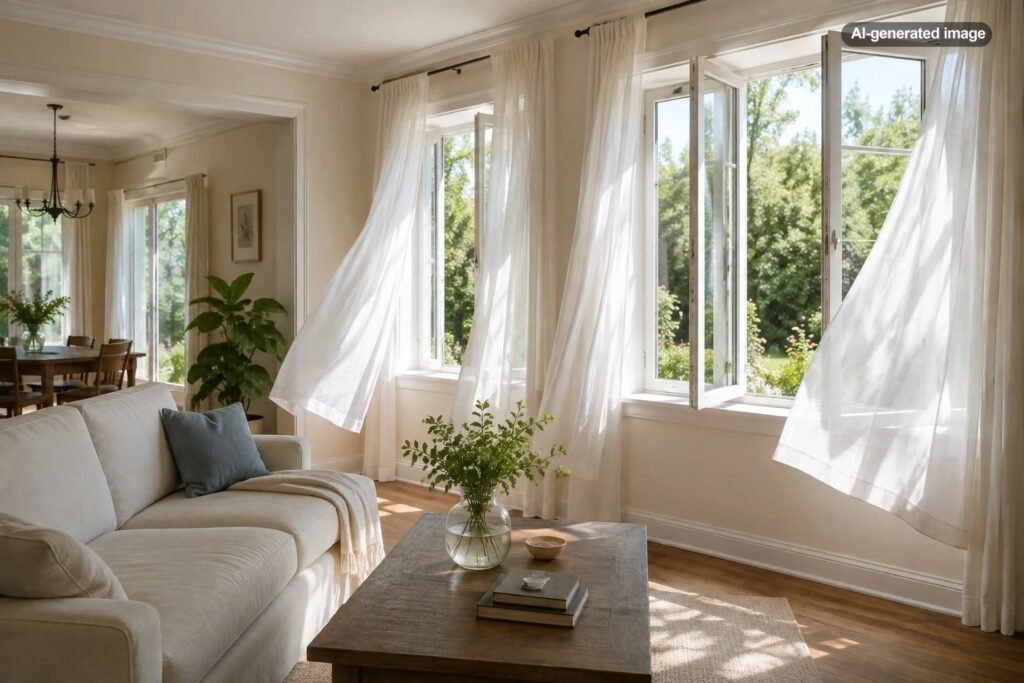
Why Does My House Smell Better With the Windows Open?
Opening the windows dilutes trapped odors and moisture. Learn what the fresher air reveals and how to keep your house smelling better afterward.
The Crane Manor collection
Opening the windows dilutes trapped odors and moisture. Learn what the fresher air reveals and how to keep your house smelling better afterward.
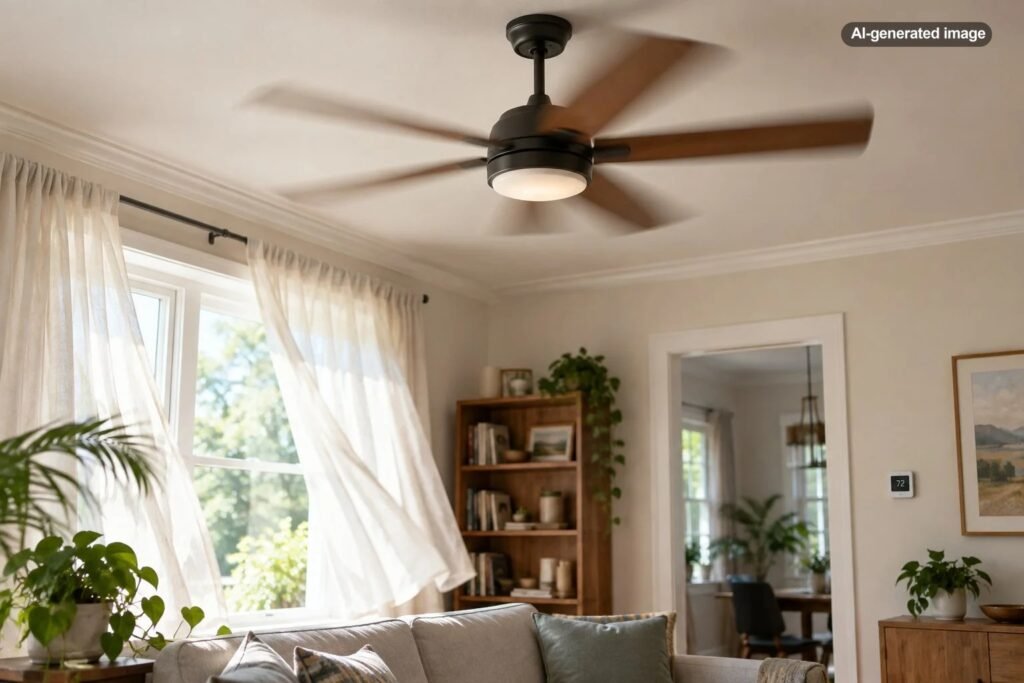
Ceiling fans do not lower room temperature, but moving air can make you feel cooler. Learn why airflow matters and how to use a…
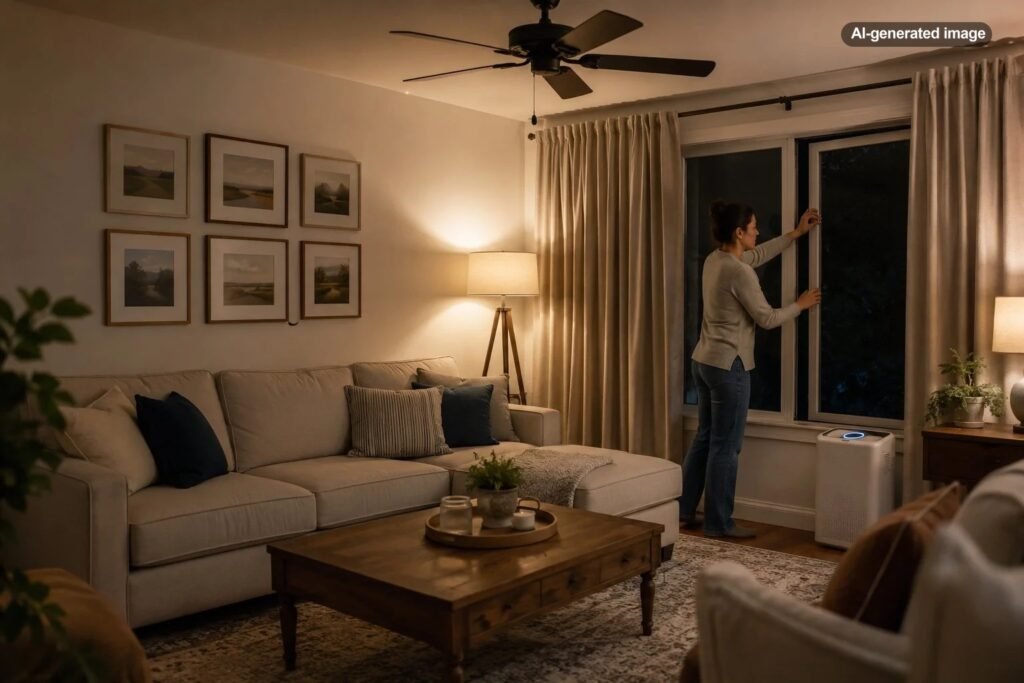
A living room that smells stale at night may have less ventilation, trapped fabric odors, humidity, or an overlooked moisture source.
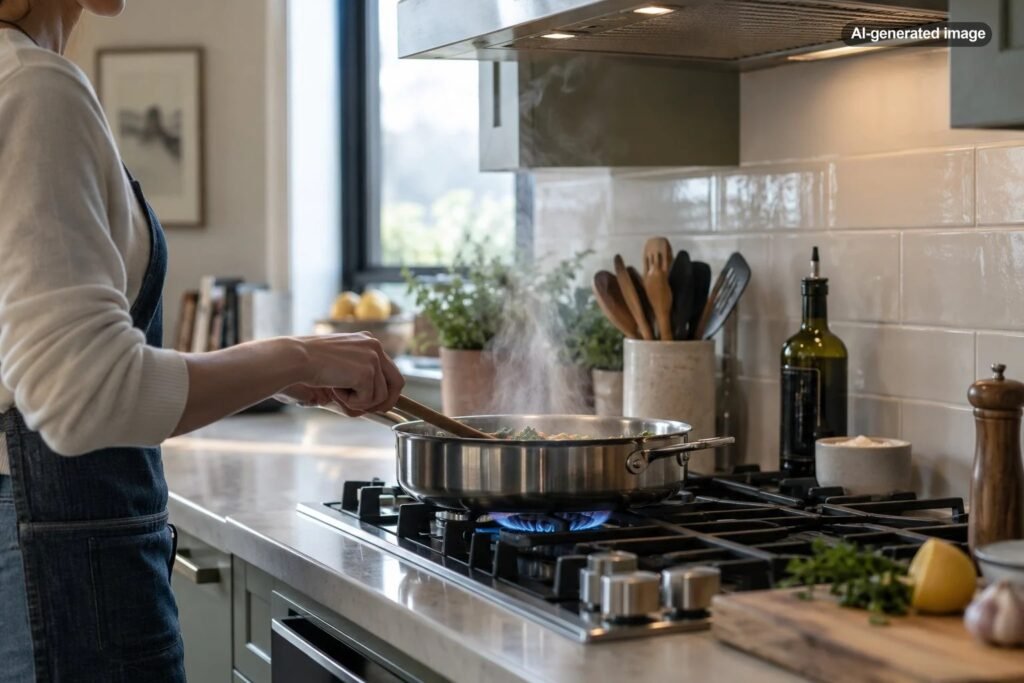
Yes, gas stoves can affect indoor air quality. Learn what they emit, why ventilation matters, and practical ways to reduce exposure while cooking.
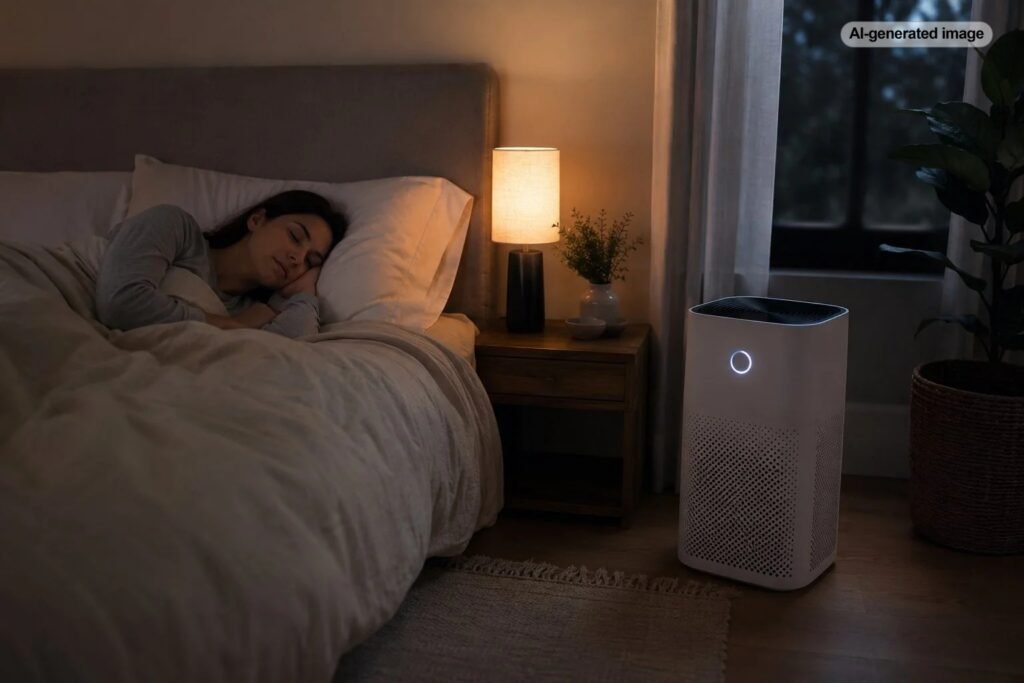
Yes, you can generally sleep with an air purifier on. Learn when overnight filtration helps, where to place it, and what features to avoid.
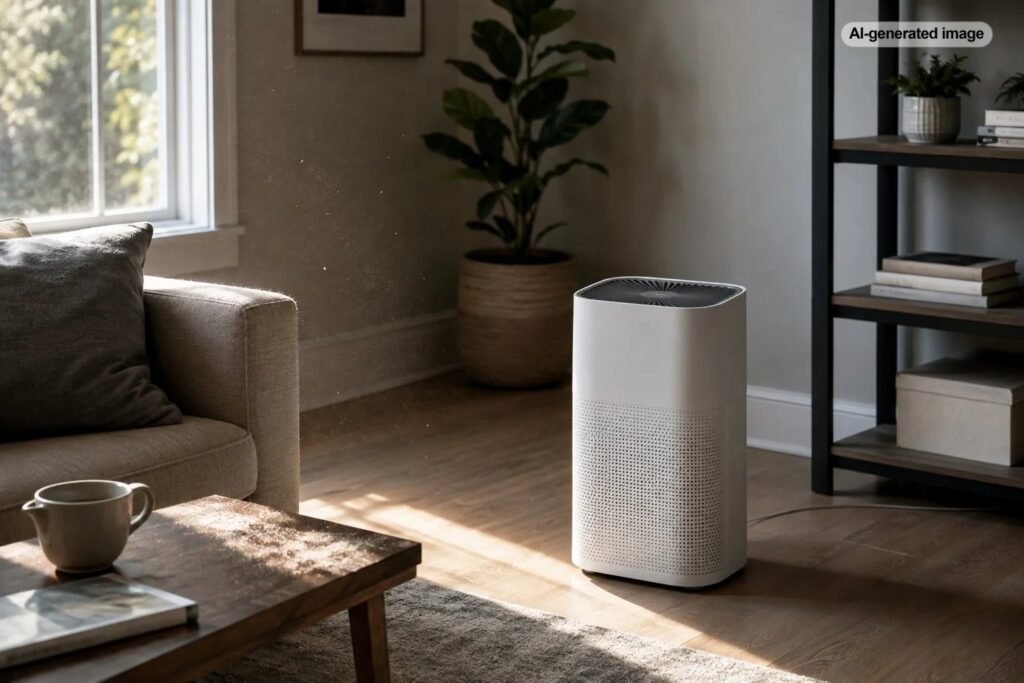
Air purifiers can reduce airborne dust, but they cannot stop dust from forming. Learn what filtration helps with and how to keep rooms cleaner.
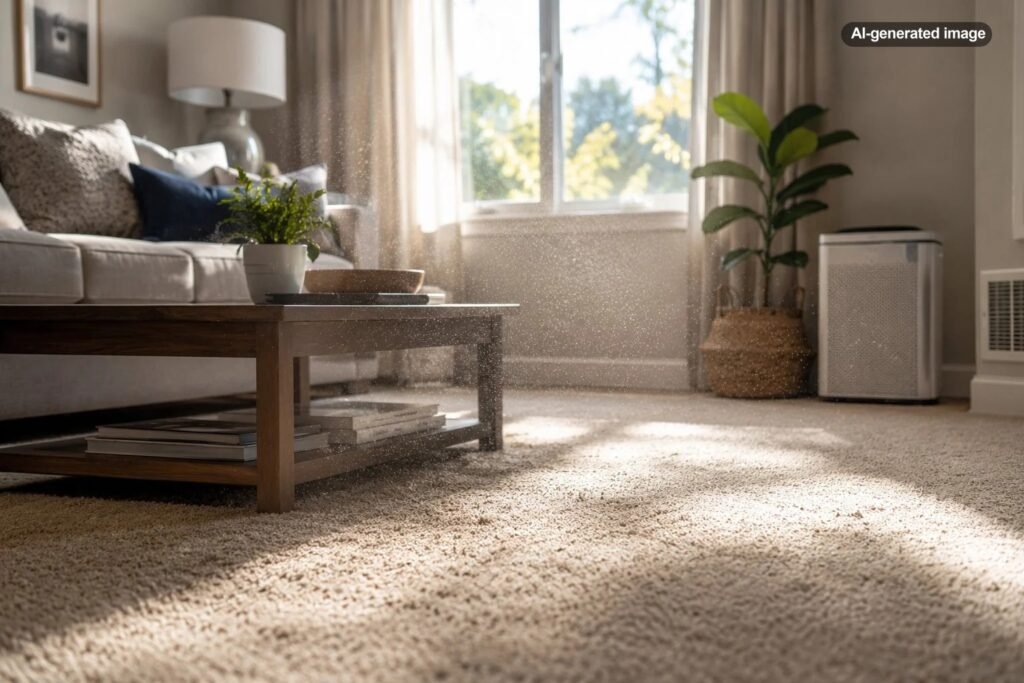
Carpet can collect dust, allergens, moisture, and other pollutants. Learn when it affects indoor air quality and how to keep it cleaner.
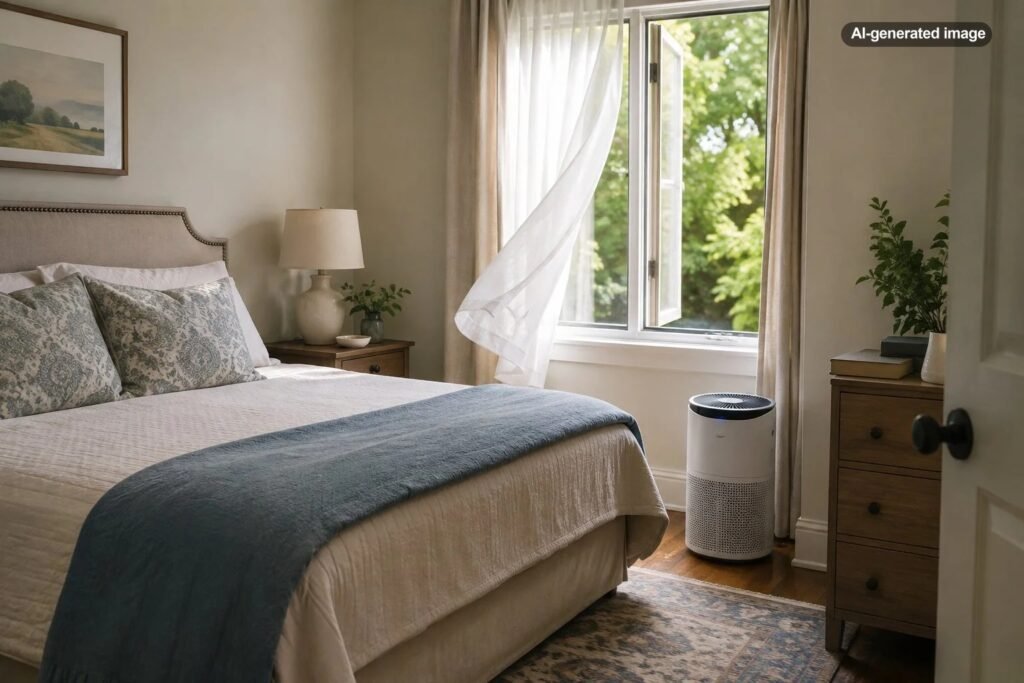
Freshen a closed guest room by improving ventilation, controlling moisture, reducing dust, and checking for sources of stale or musty air.
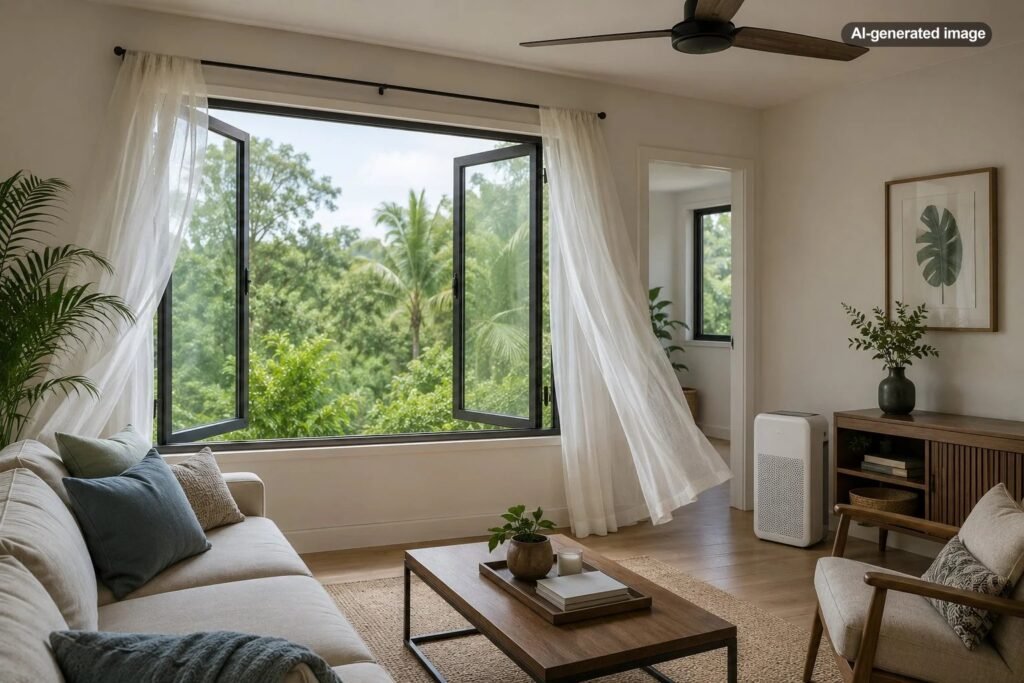
Opening windows can improve ventilation, but humid outdoor air may add moisture. Learn when fresh air helps and when to keep windows closed.
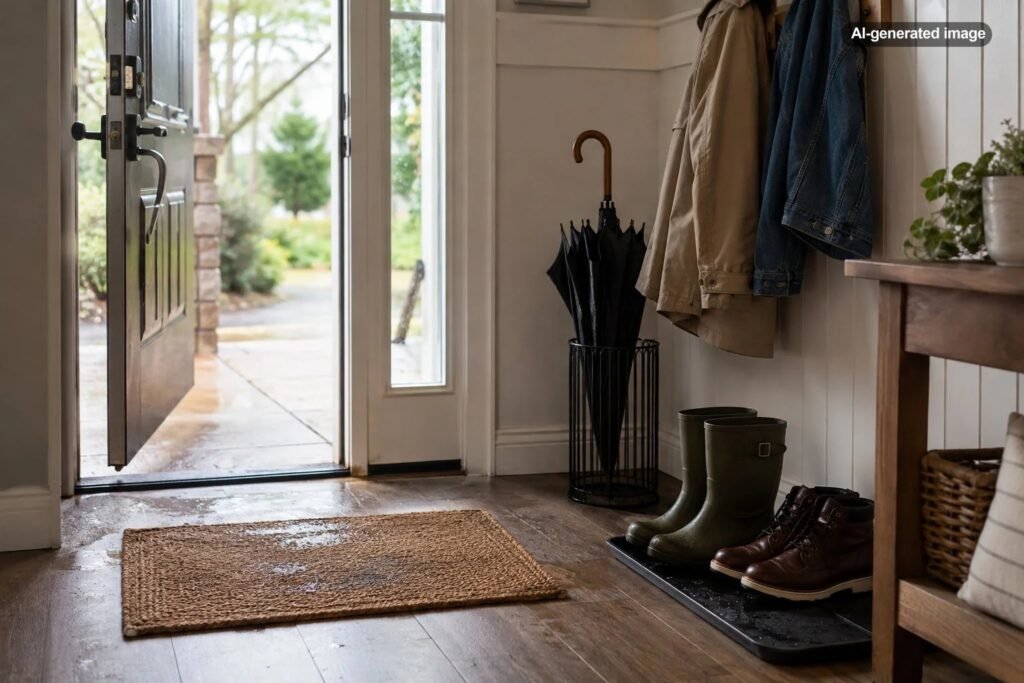
A damp-smelling entryway often points to wet shoes, trapped humidity, condensation, a hidden leak, or moisture in rugs, walls, or flooring.
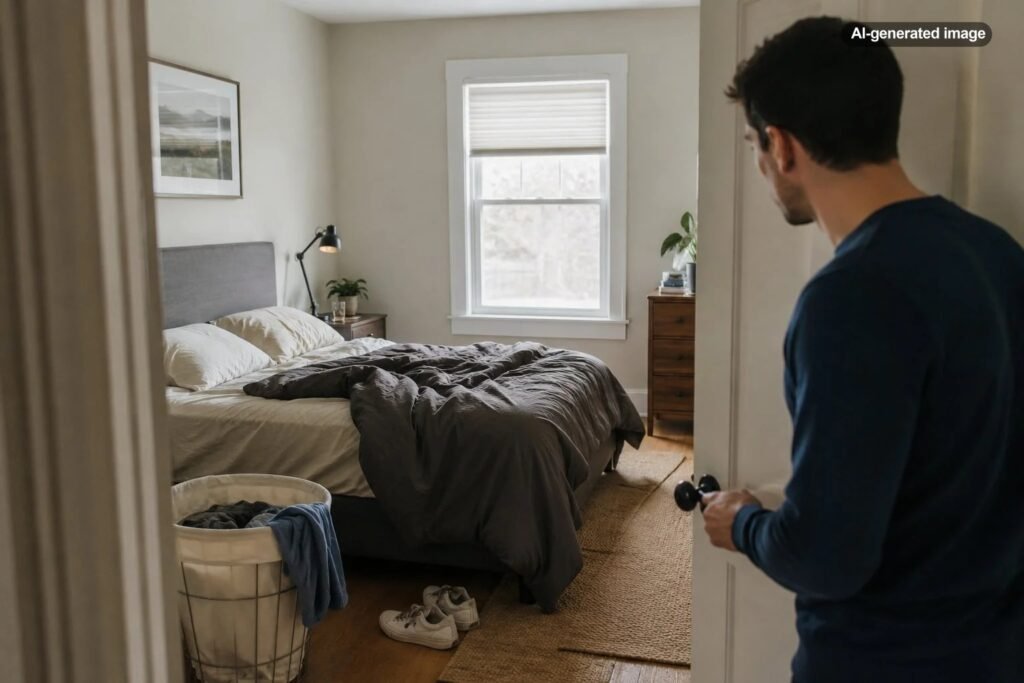
A closed bedroom door can trap odors, humidity, and stale air. Learn how to identify the source and when a musty smell needs attention.
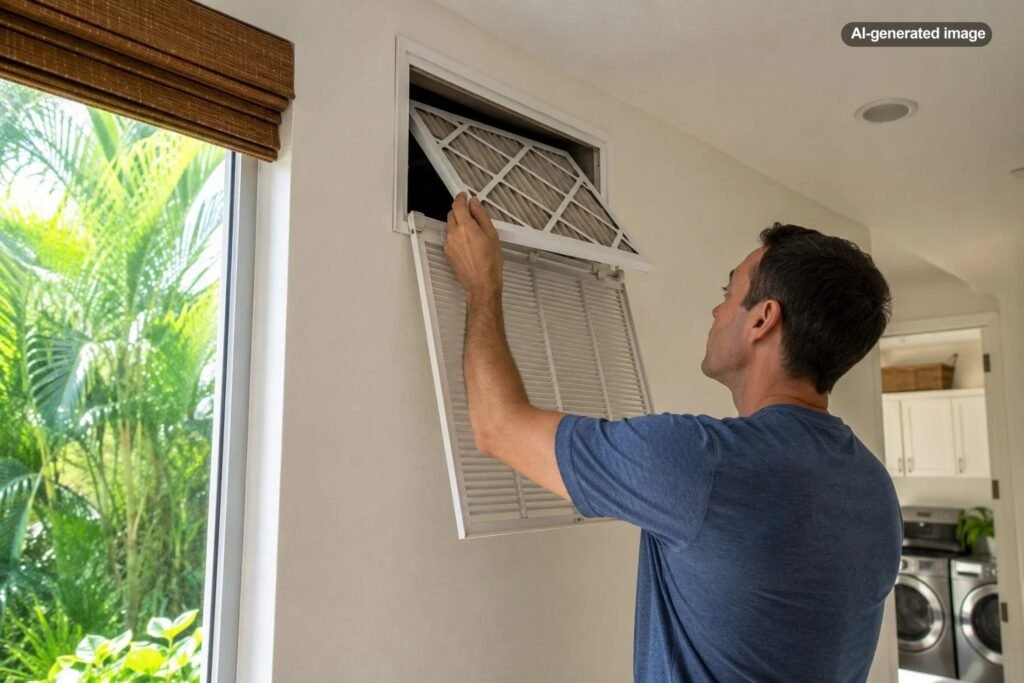
In a humid climate, check your HVAC filter monthly and replace it when dirty. Learn what can shorten filter life and what warning signs…