

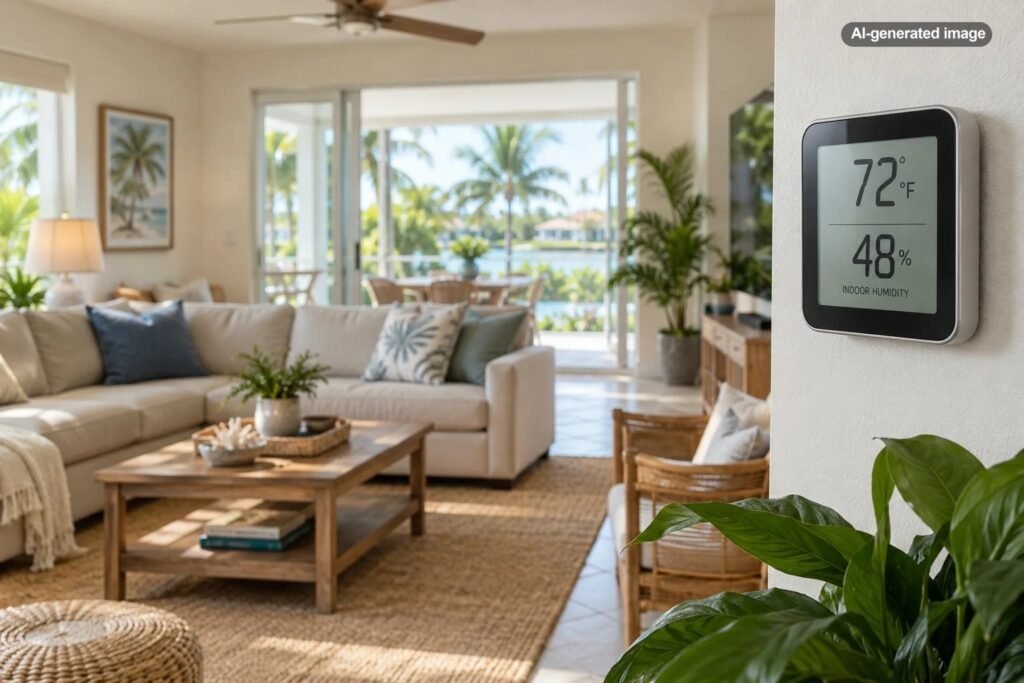
Smart Home
What Indoor Humidity Level Is Best for a Florida Home?
For a Florida home, aim for roughly 45% to 55% indoor humidity and avoid sustained levels above 60%. Learn how to measure and control…
The Crane Manor collection
For a Florida home, aim for roughly 45% to 55% indoor humidity and avoid sustained levels above 60%. Learn how to measure and control…
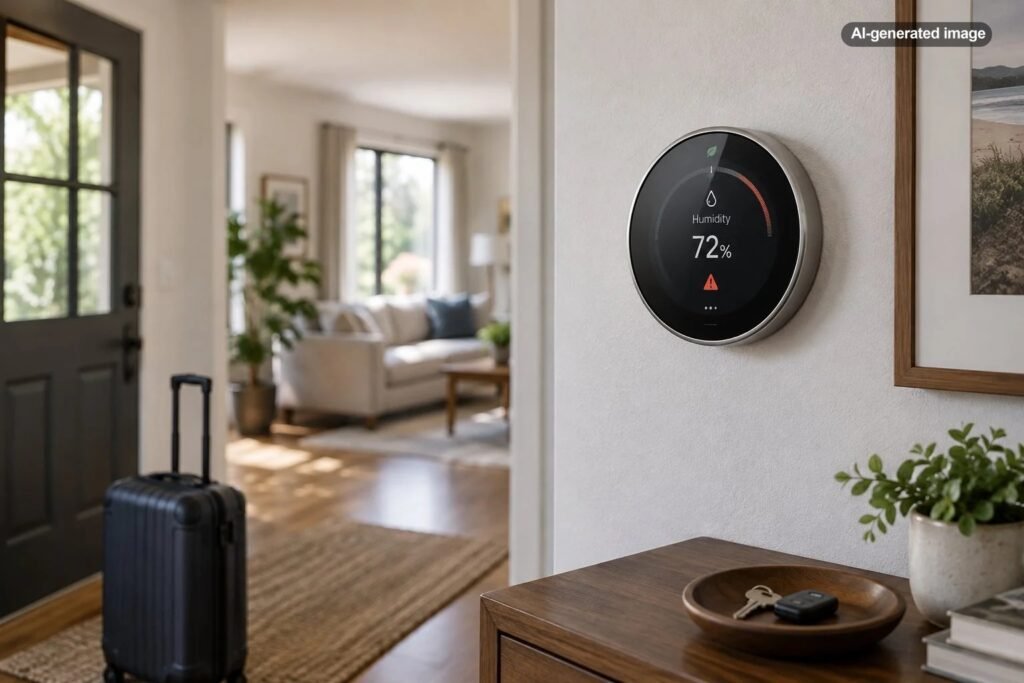
Some smart thermostats can monitor humidity remotely, but alerts and automatic control vary. Learn what to check before leaving home.
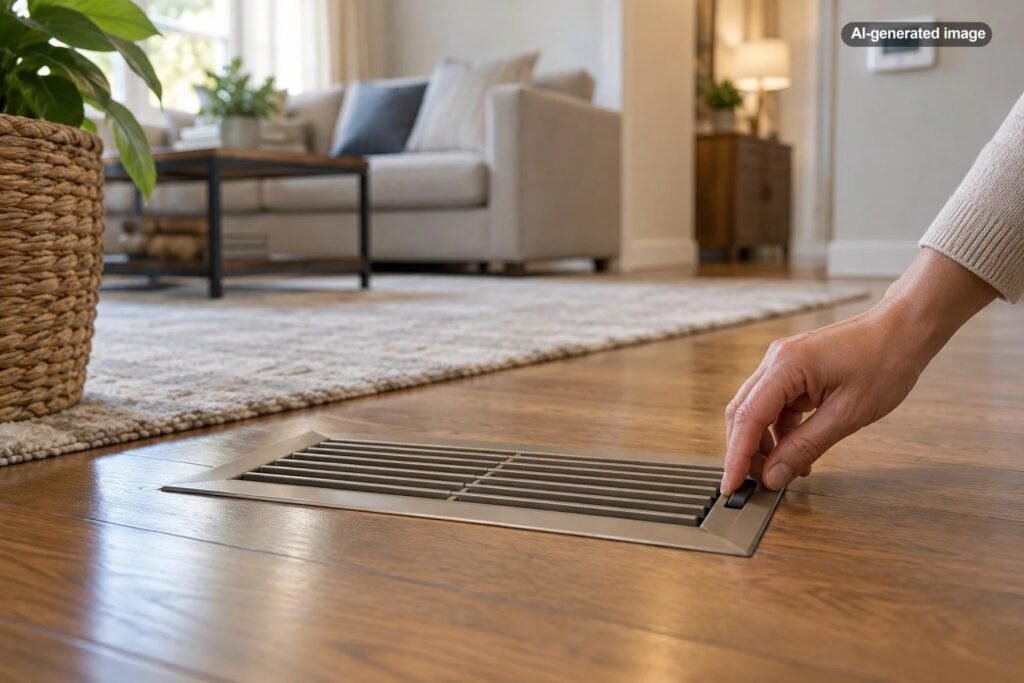
Closing HVAC vents can raise duct pressure, reduce airflow, and strain equipment. Learn safer ways to correct rooms that feel too hot or cold.
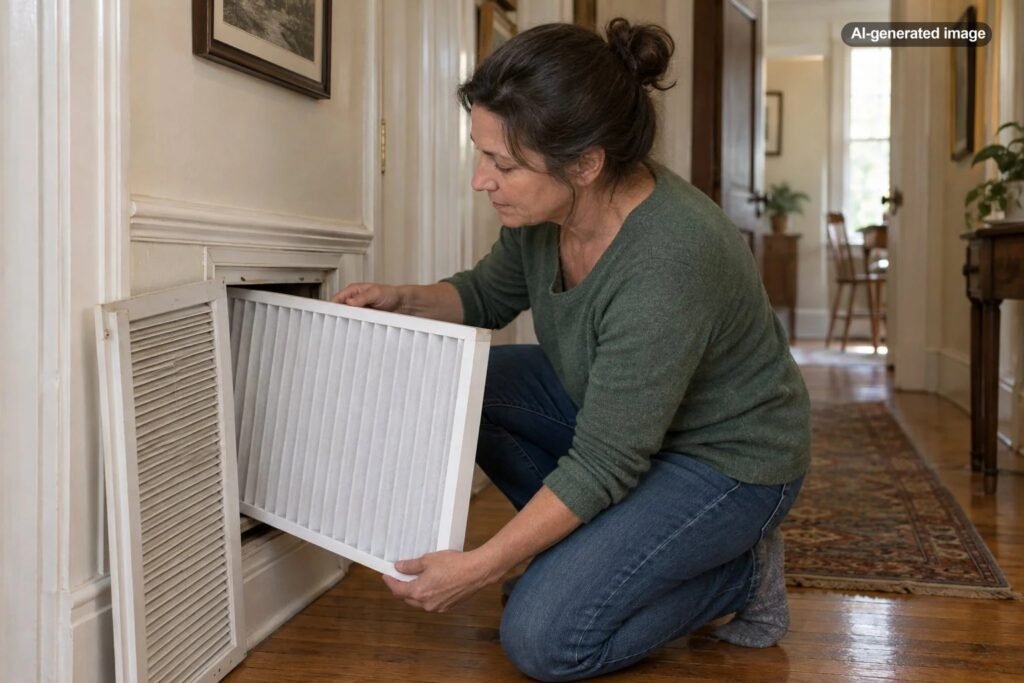
Yes, many older homes can use MERV 13 filters, but airflow, filter size, ductwork, and HVAC fan capacity should be checked first.
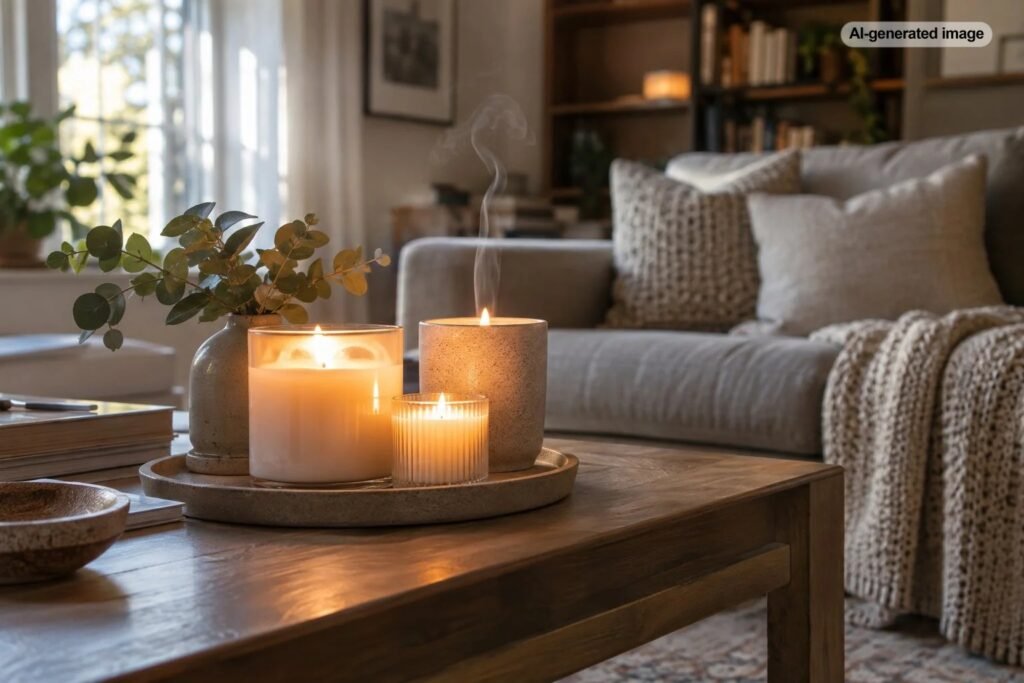
Yes, burning candles can add particles and other pollutants to indoor air. Learn how ventilation, burn conditions, and frequency affect exposure.
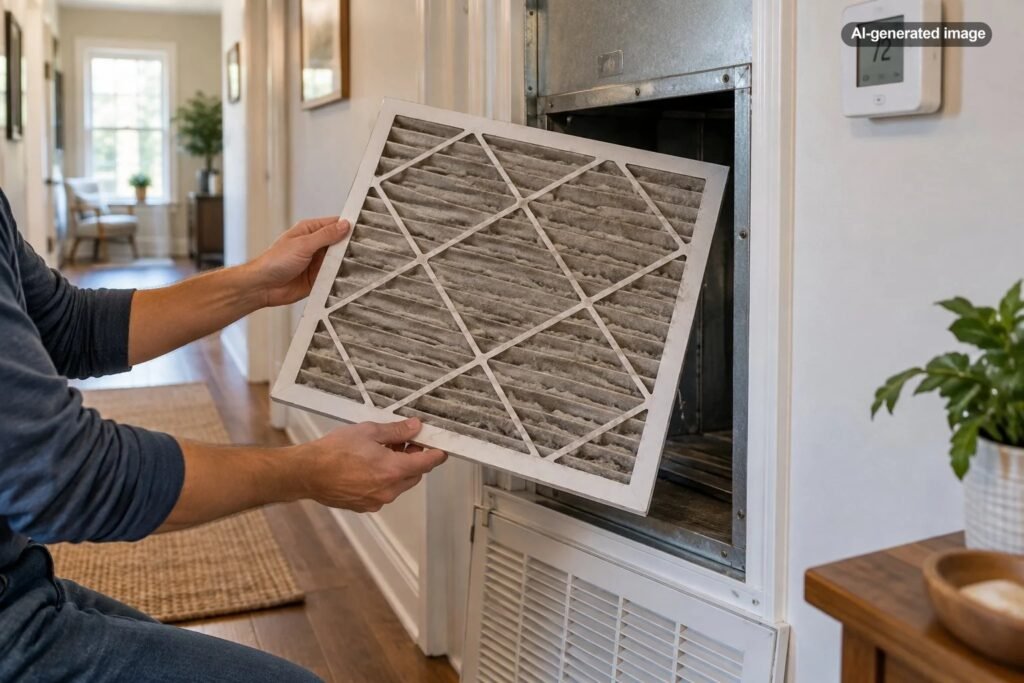
A dirty AC filter can restrict airflow and make your system sound louder. Learn why it happens, what to check, and when to call…
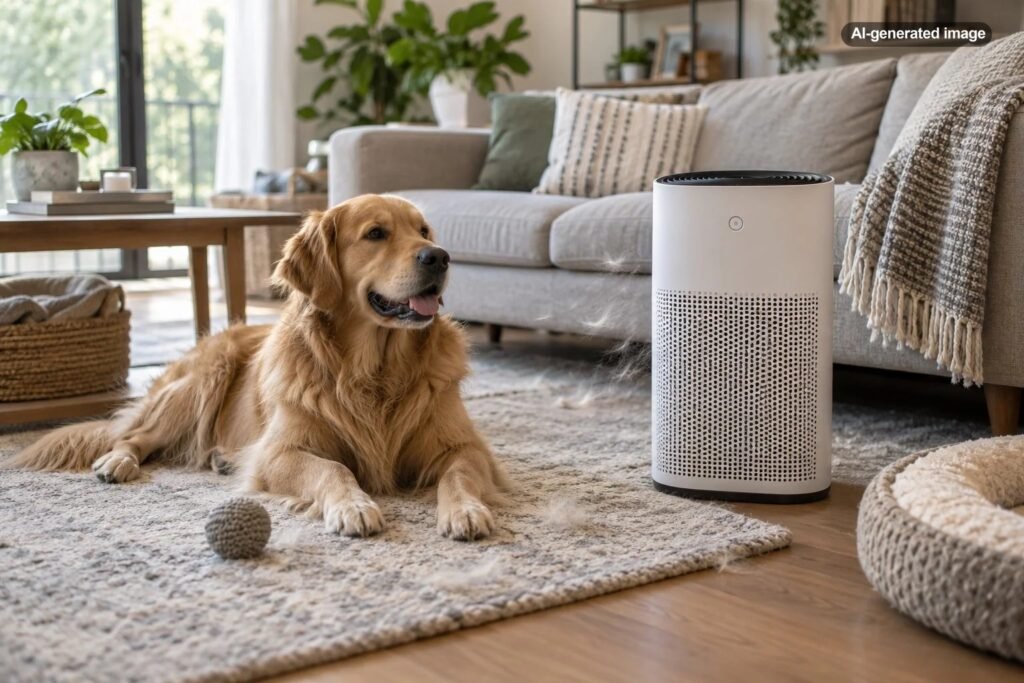
Air purifiers can capture airborne pet dander and some floating hair, but they work best alongside vacuuming, grooming, and regular cleaning.
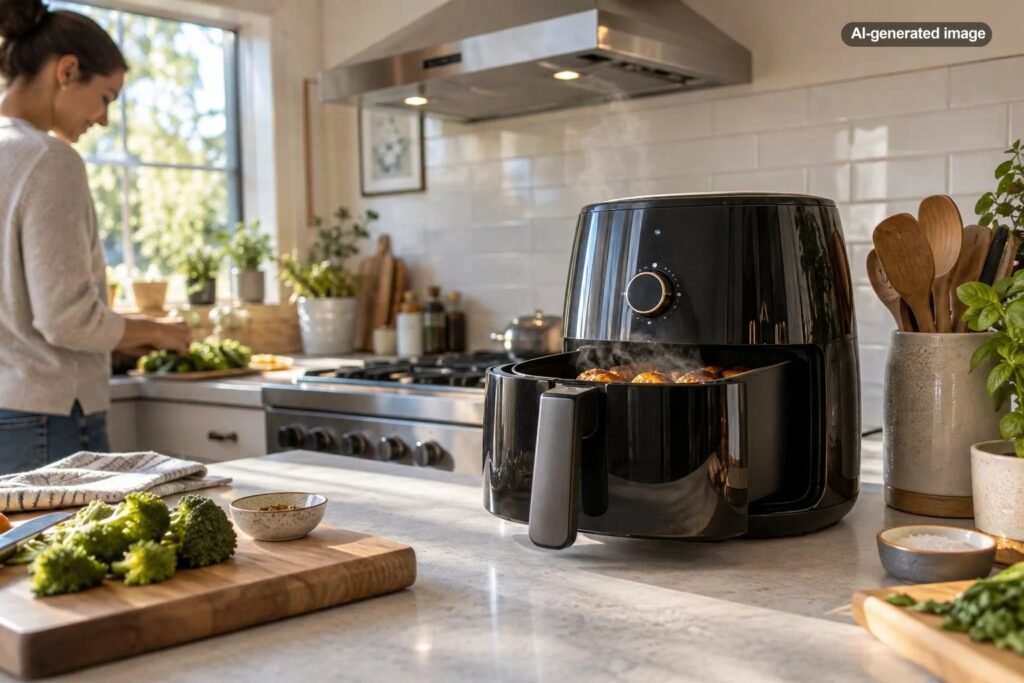
Air fryers can release particles and VOCs while cooking, but ventilation, food type, temperature, and appliance cleanliness all affect exposure.
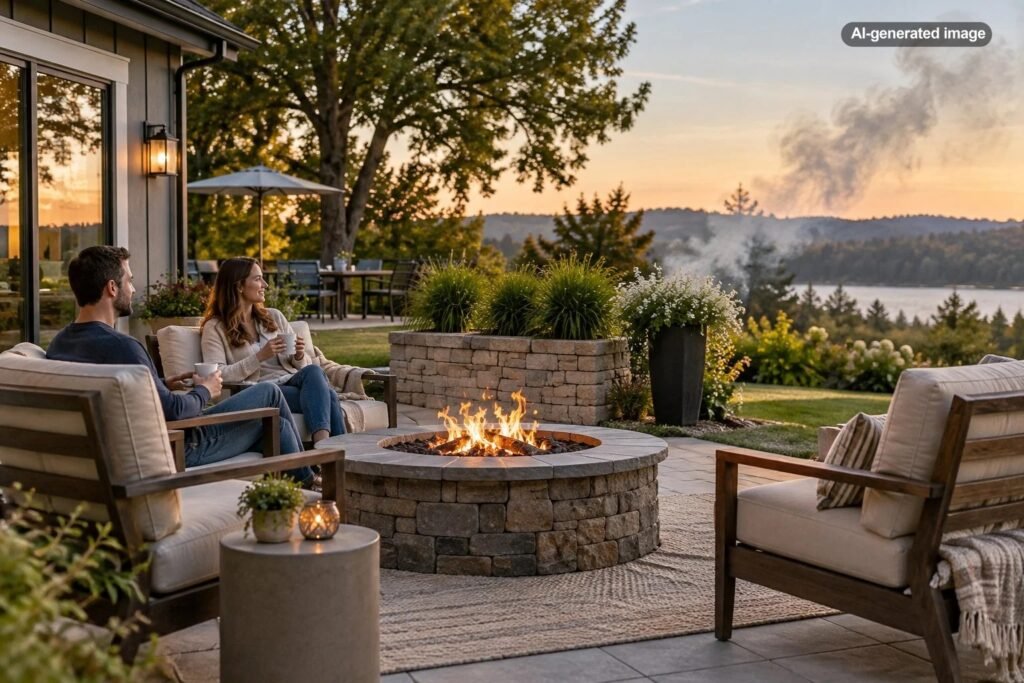
Keep fire pit smoke away from patio seating with smarter placement, dry fuel, cleaner burning, wind awareness, and practical seating adjustments.
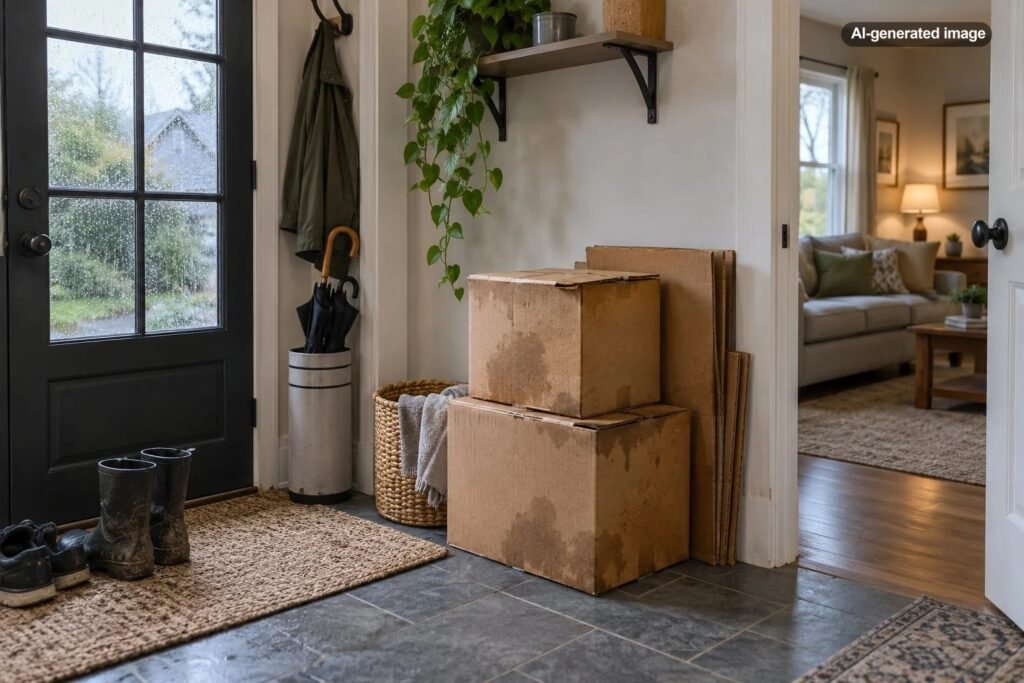
A wet-cardboard smell can point to damp materials, hidden moisture, mildew, or mold. Learn how to narrow down the source and what to do…
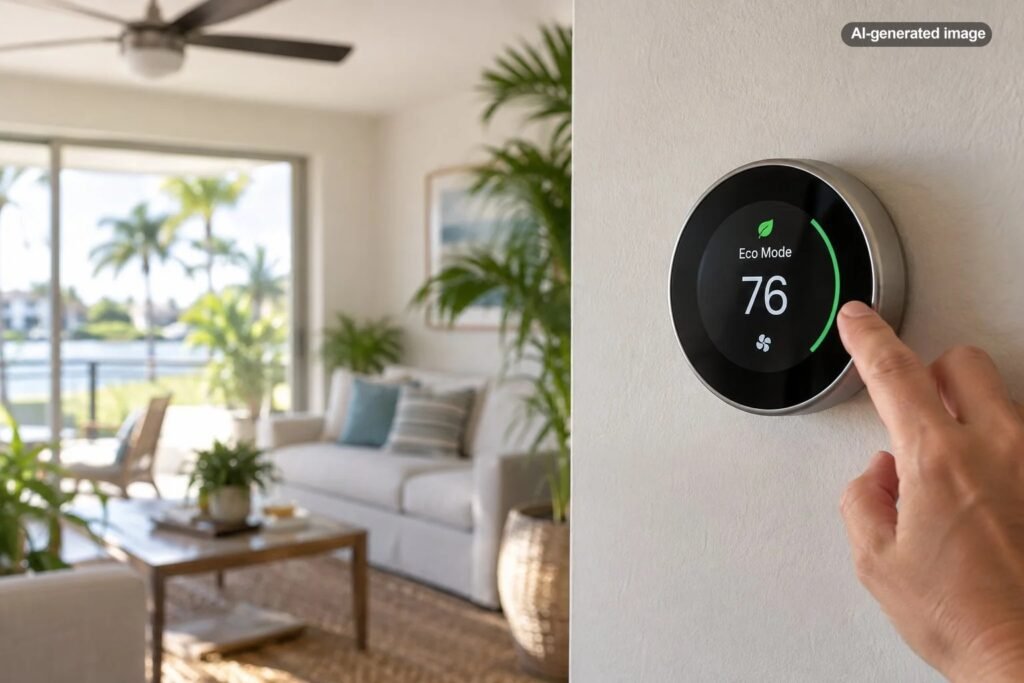
Eco mode can save energy in Florida, but aggressive temperature setbacks may affect comfort and humidity. Here is how to use it wisely.
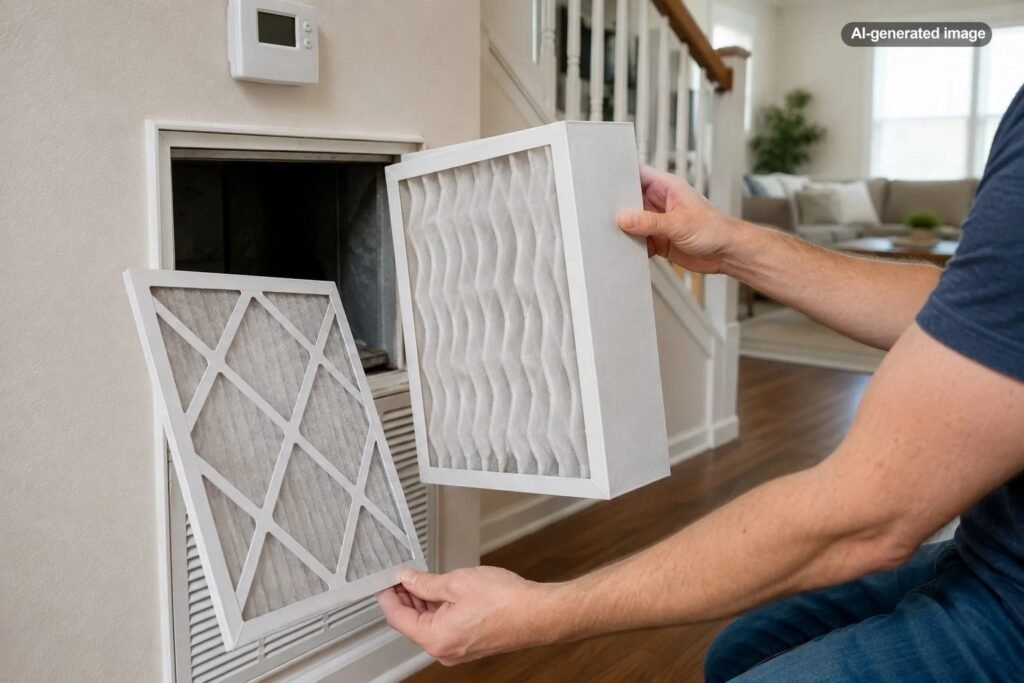
An overly restrictive AC filter can reduce airflow. Learn how to spot the signs, choose the right MERV rating, and know when to call…