

Smart Home
Why Does My Smart Thermostat Read Higher Than a Room Thermometer?
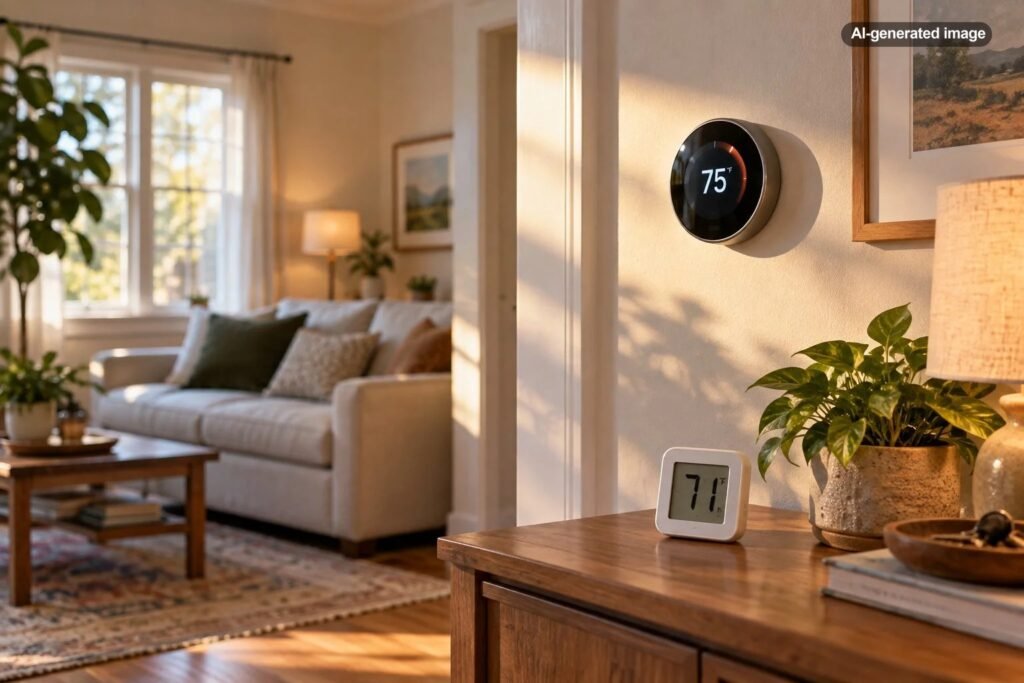
A smart thermostat can read warmer than a room thermometer because of placement, airflow, sensor location, and normal temperature differences.
The Crane Manor collection
A smart thermostat can read warmer than a room thermometer because of placement, airflow, sensor location, and normal temperature differences.
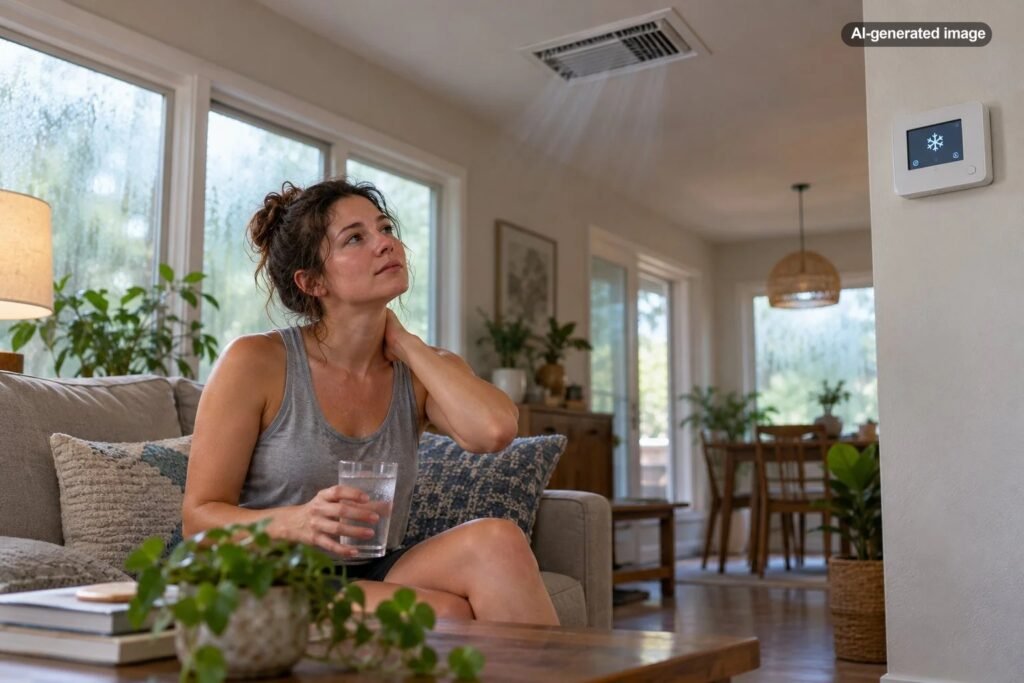
If your AC runs constantly but the house feels humid, airflow, moisture loads, equipment sizing, drainage, or system performance may be responsible.
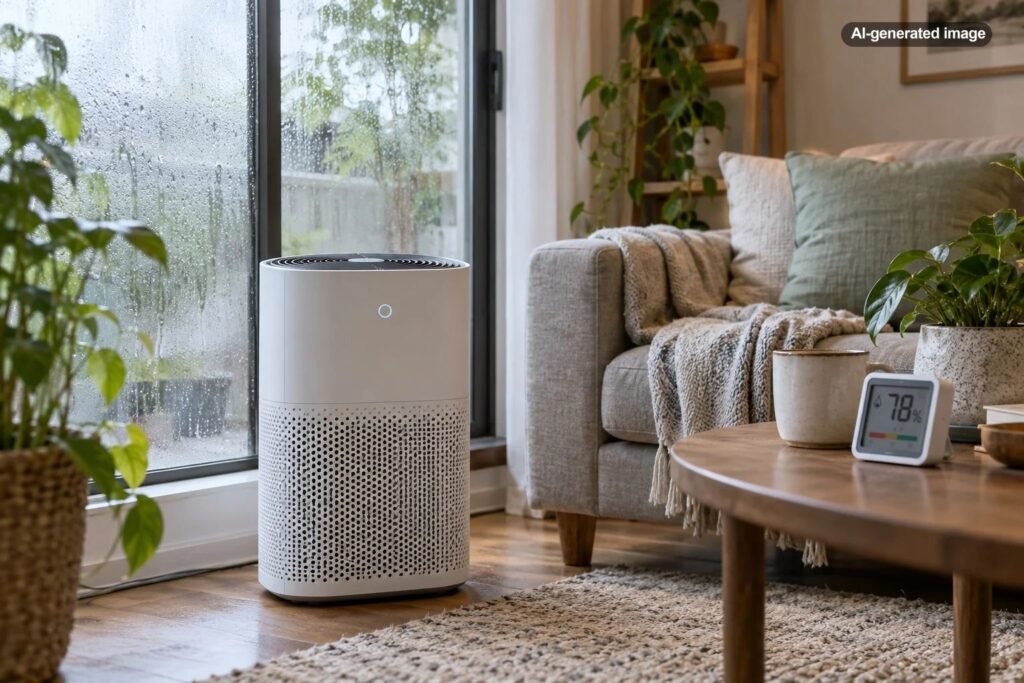
High humidity can undermine indoor air quality even when an air purifier is running. Learn what the purifier can and cannot fix.

Furniture blocking an HVAC vent can reduce airflow and make a room feel warmer, stuffier, or more humid. Here is how to check the…
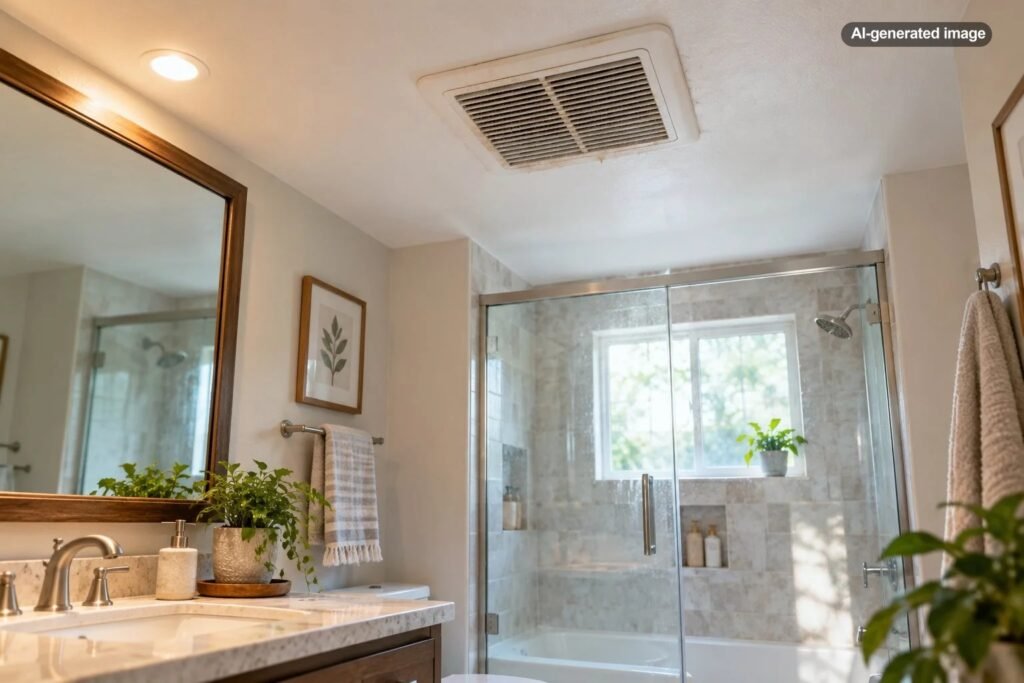
A musty bathroom fan can point to trapped moisture, dust, a damp duct, or hidden mold. Learn how to narrow down the cause and…
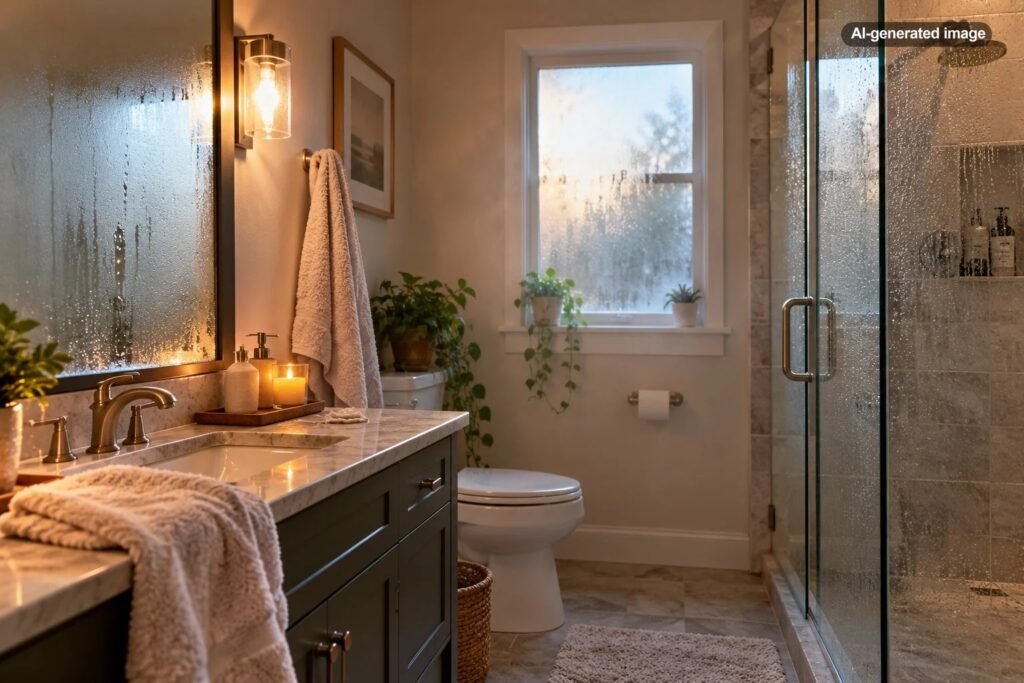
A bathroom that stays humid after a shower may have weak ventilation, restricted airflow, lingering wet surfaces, or high household humidity.
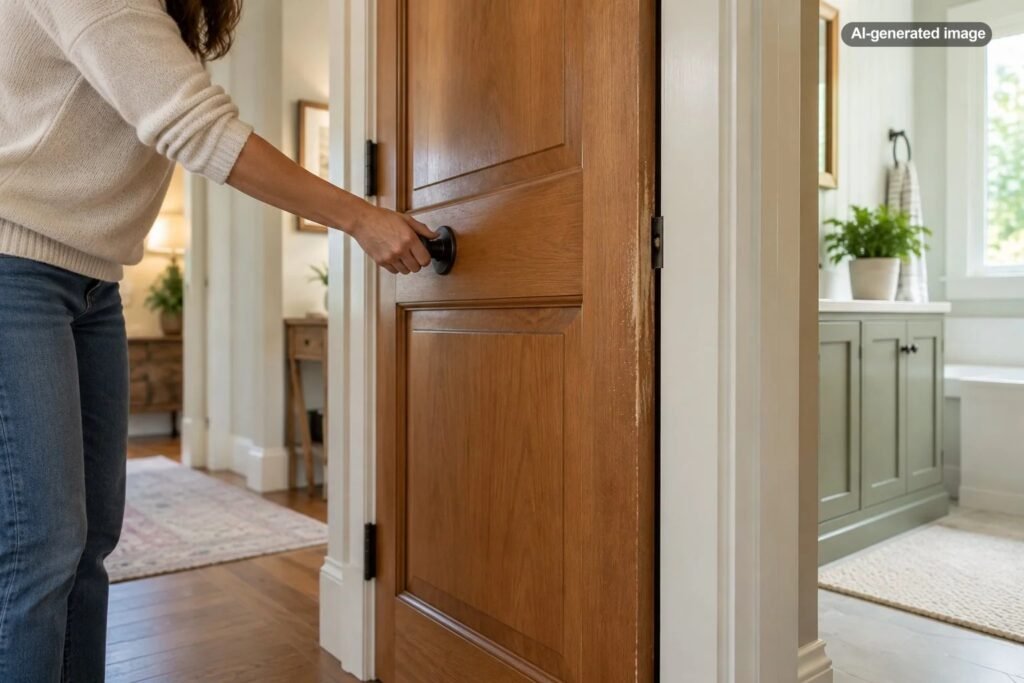
Yes, high humidity can make wood interior doors swell and stick. Learn why it happens, what to check, and how to reduce the problem.

Yes. An oversized air conditioner can cool too quickly to remove enough moisture, leaving a house cool but damp or clammy.
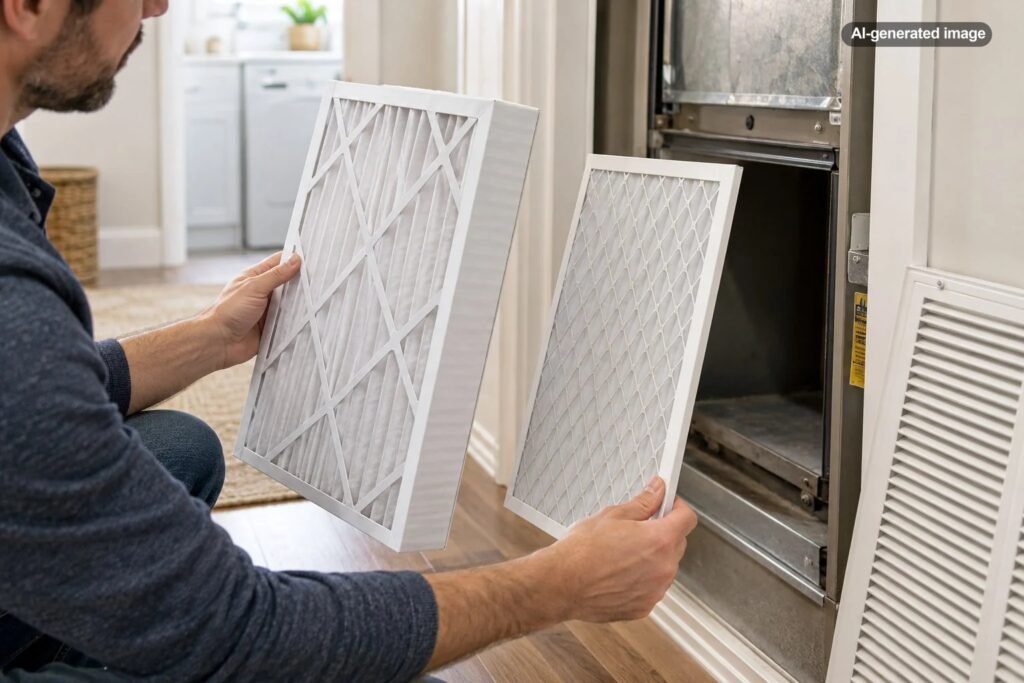
Expensive HVAC filters can be worth it for better particle filtration, but price matters less than MERV rating, fit, airflow, and system compatibility.

Yes. An undersized air purifier may clean the air too slowly. Learn how room size, ceiling height, CADR, fan speed, and placement affect performance.
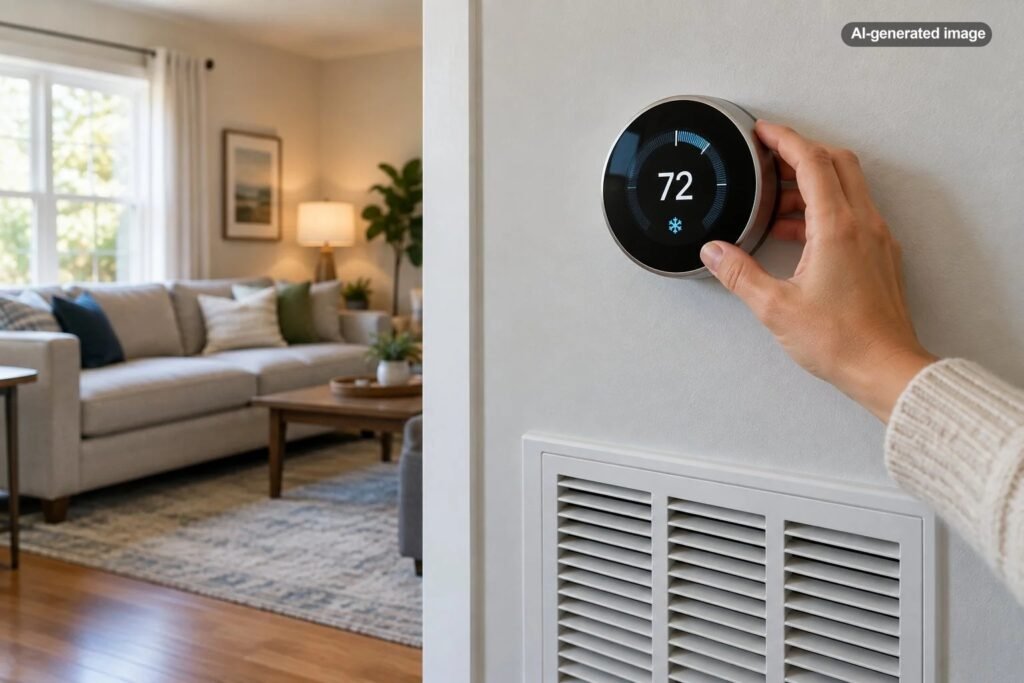
A smart thermostat can contribute to HVAC short cycling. Learn how wiring, power, placement, settings, and equipment problems can cause rapid cycles.
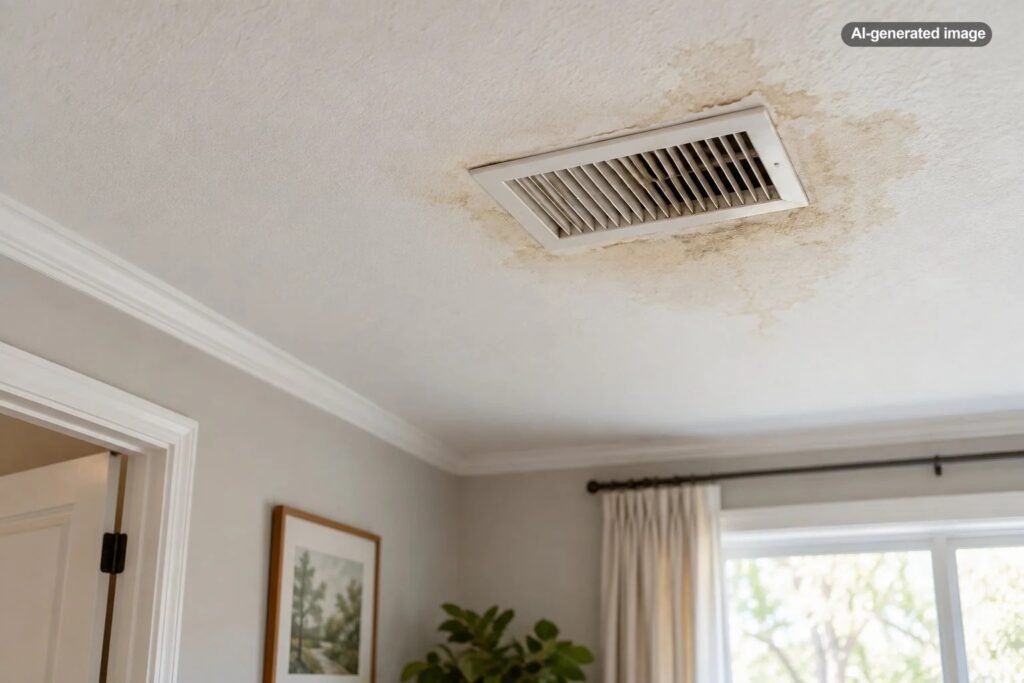
Water stains around an AC vent often point to condensation, duct insulation problems, excess humidity, or an HVAC drainage issue.