

Smart Home
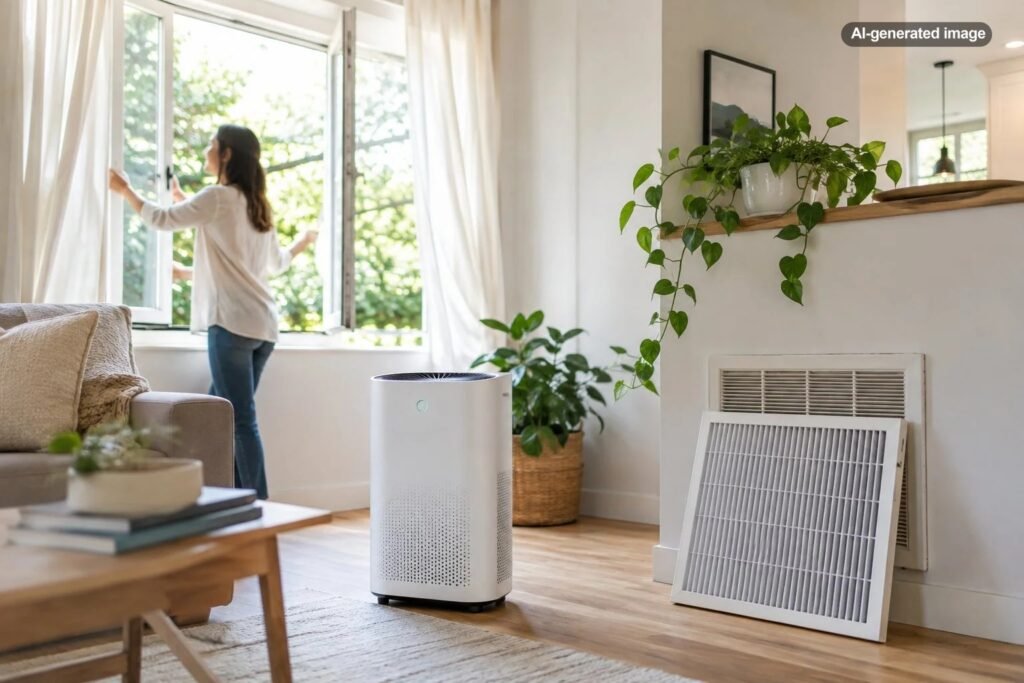
The Most Practical Ways to Improve Indoor Air Quality at Home
Improve indoor air quality with practical steps for source control, ventilation, filtration, humidity, combustion safety, and radon testing.
The Crane Manor collection
Improve indoor air quality with practical steps for source control, ventilation, filtration, humidity, combustion safety, and radon testing.
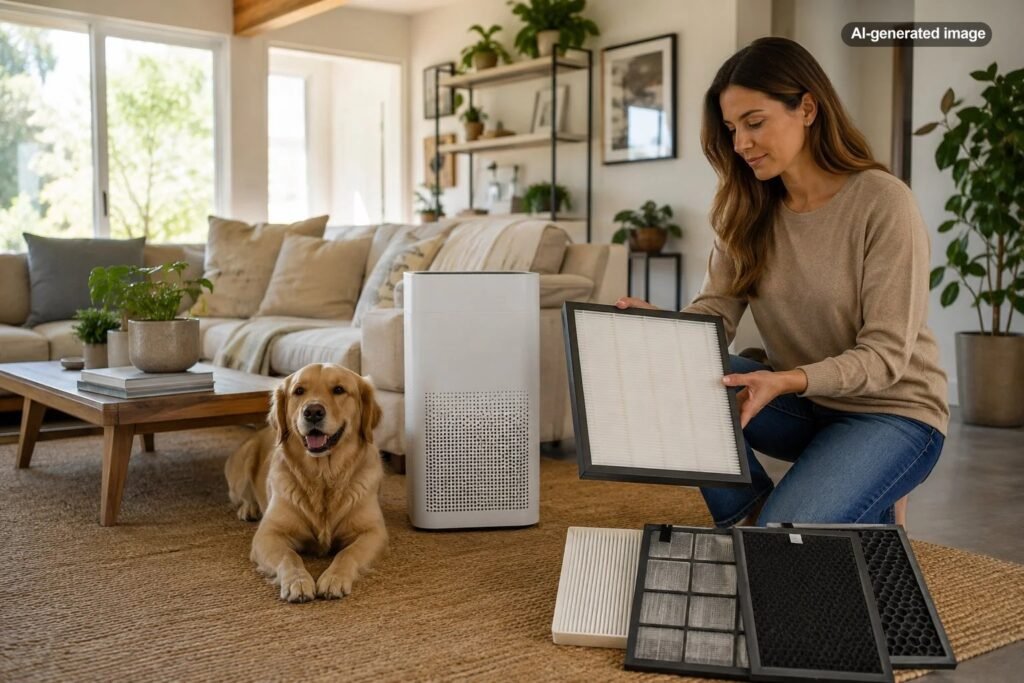
The best everyday home air filter is usually MERV 13 if your HVAC system can support it. Learn how to choose the right fit…
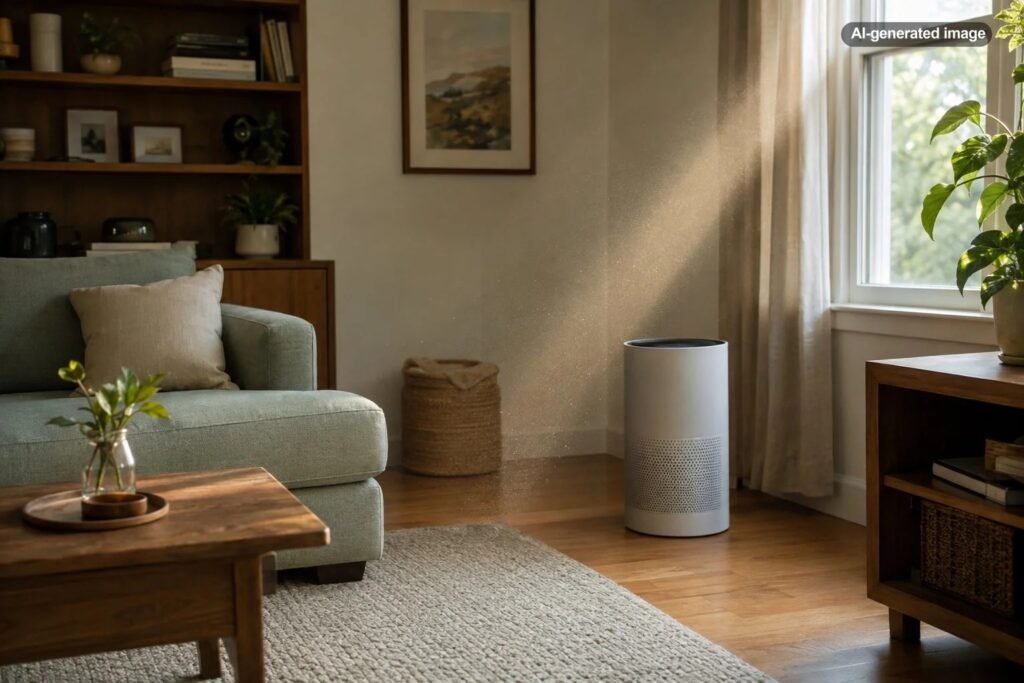
Reduce airborne dust with better cleaning, HVAC filtration, source control, ventilation, and a properly sized portable air cleaner.
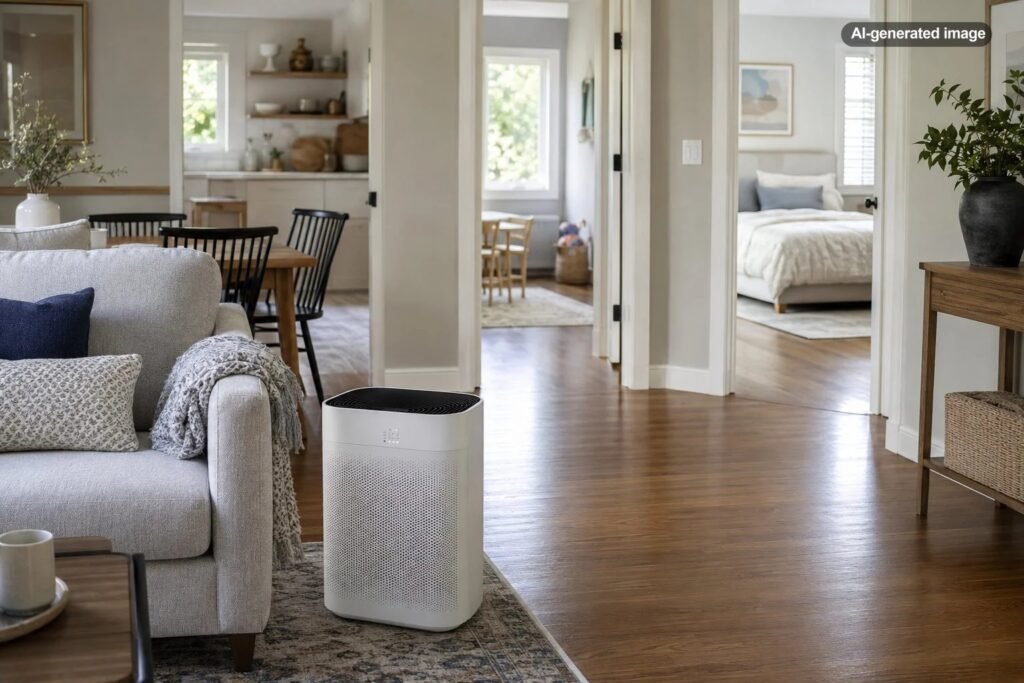
One air purifier rarely cleans an entire house effectively. Learn how room layout, CADR, placement, HVAC filters, and multiple units affect coverage.

Learn why your home smells stronger after vacation, how to identify the likely source, and which odors deserve prompt professional attention.
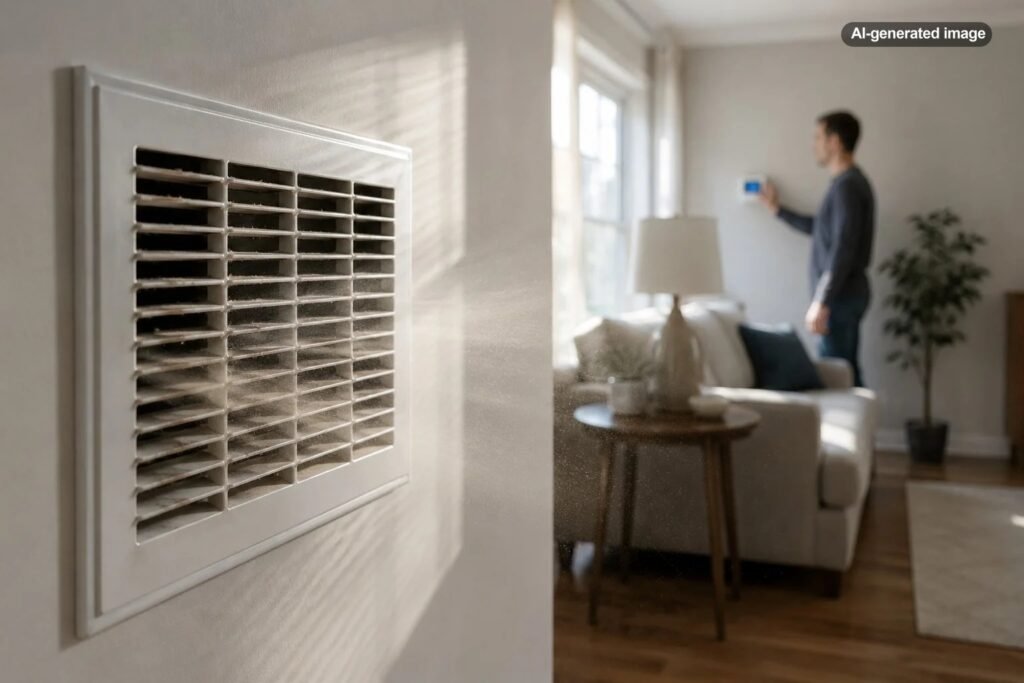
A dusty smell from your AC often points to a dirty filter, settled debris, duct leaks, or moisture. Learn what to check and when…
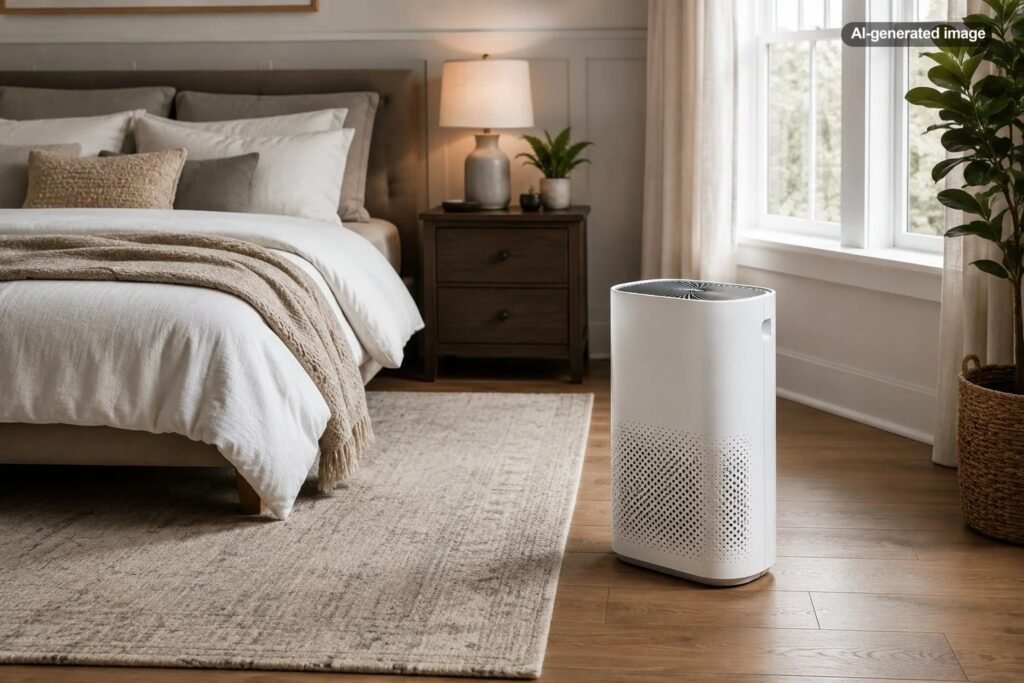
Place a bedroom air purifier where airflow stays unobstructed, away from walls and curtains, and close enough to your bed to clean the breathing…
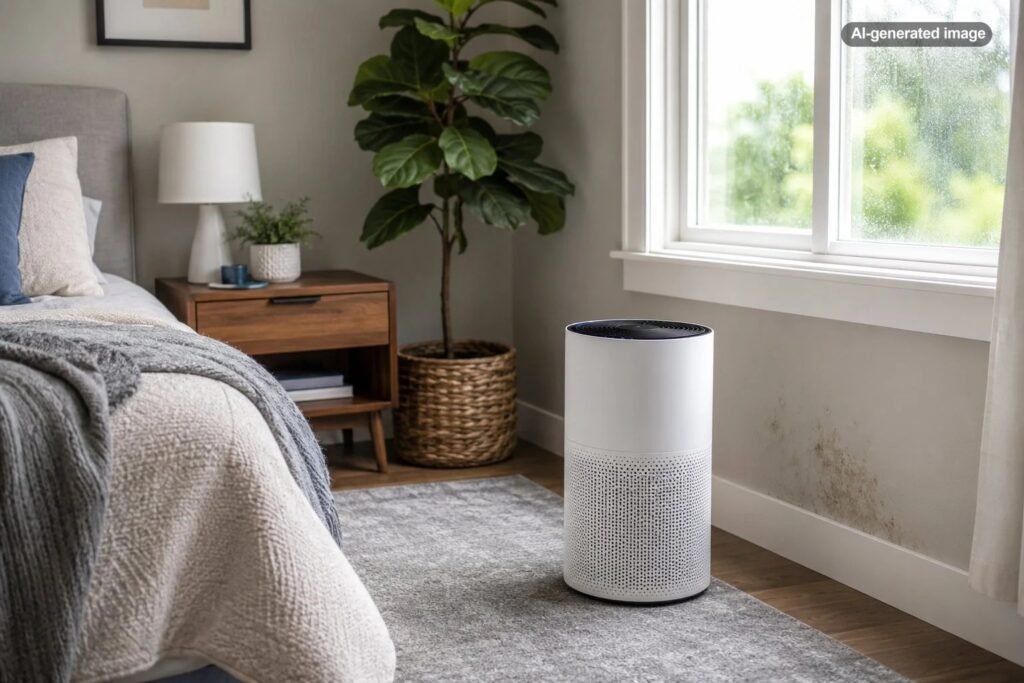
Air purifiers can capture some airborne mold spores, but they cannot stop mold growth. Learn what filtration can do and how to fix the…
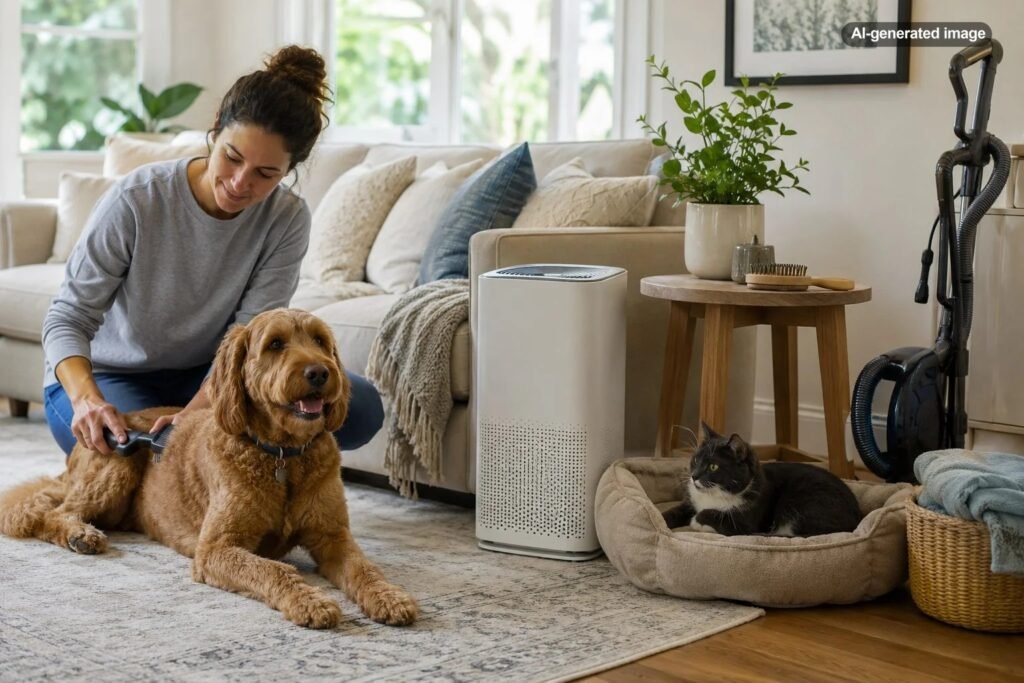
Improve indoor air quality with pets through better cleaning, filtration, ventilation, humidity control, and thoughtful pet-free zones.
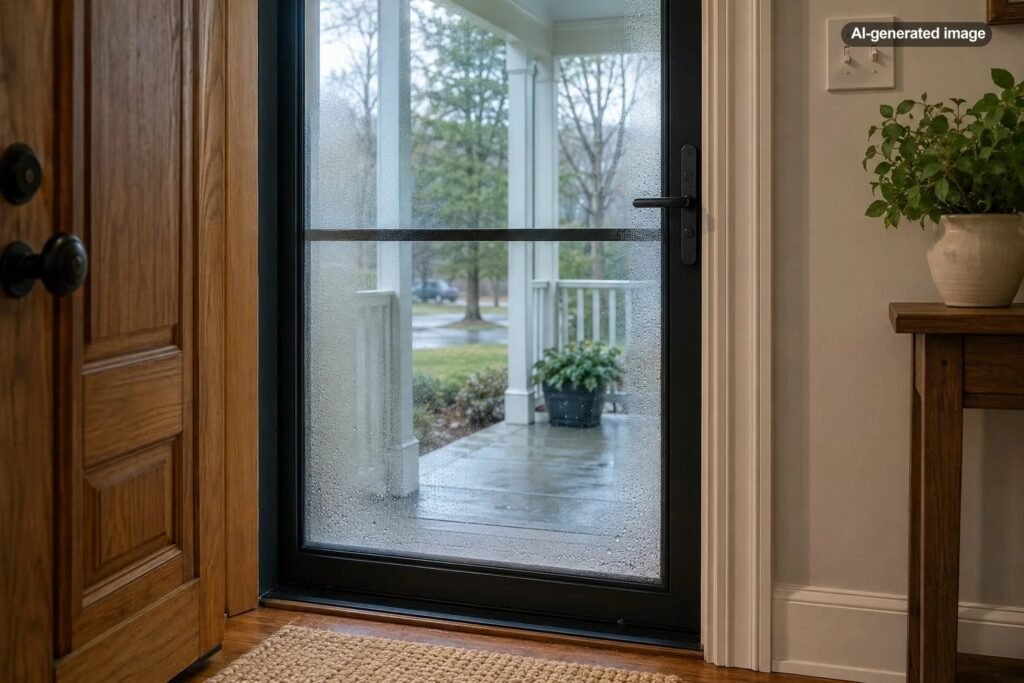
Learn why condensation forms on a storm door, how to identify the moisture source, and when persistent water signals a repair problem.
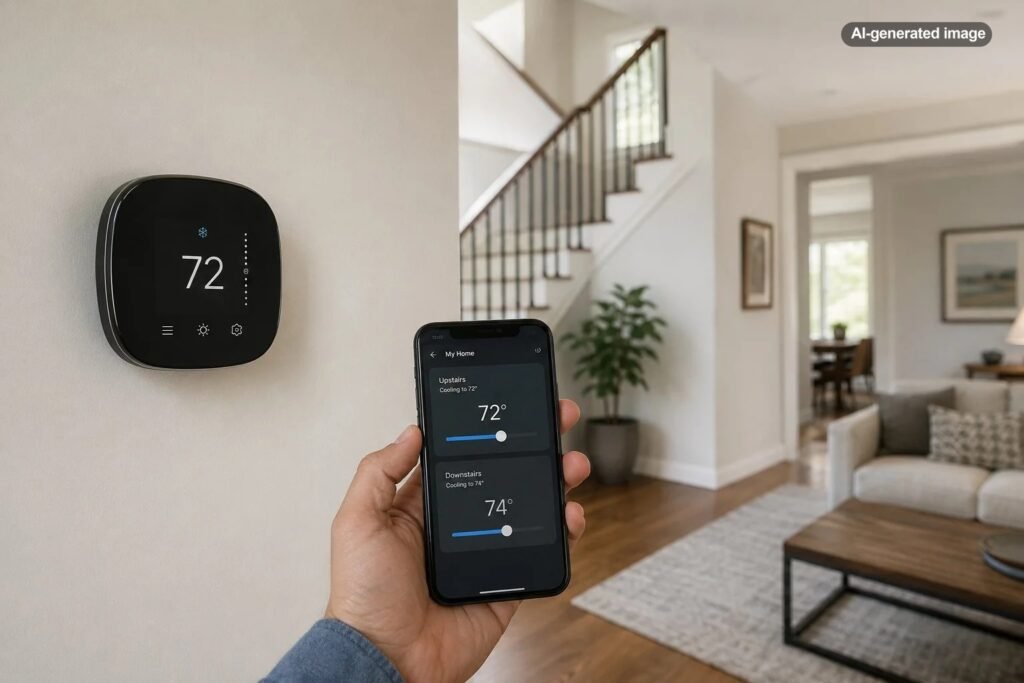
A smart thermostat can work with zoned HVAC, but compatibility depends on the zone panel, wiring, dampers, equipment, and number of thermostats.
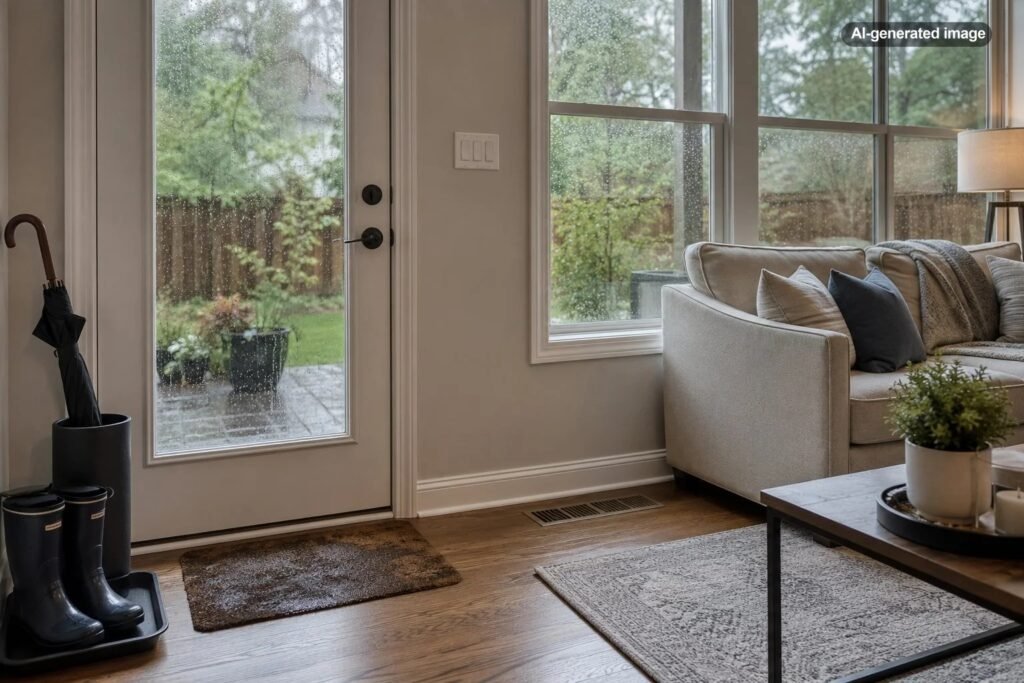
Rain can reveal hidden moisture, mold, drains, soil odors, and ventilation issues. Learn how to identify the source and when to call a professional.