

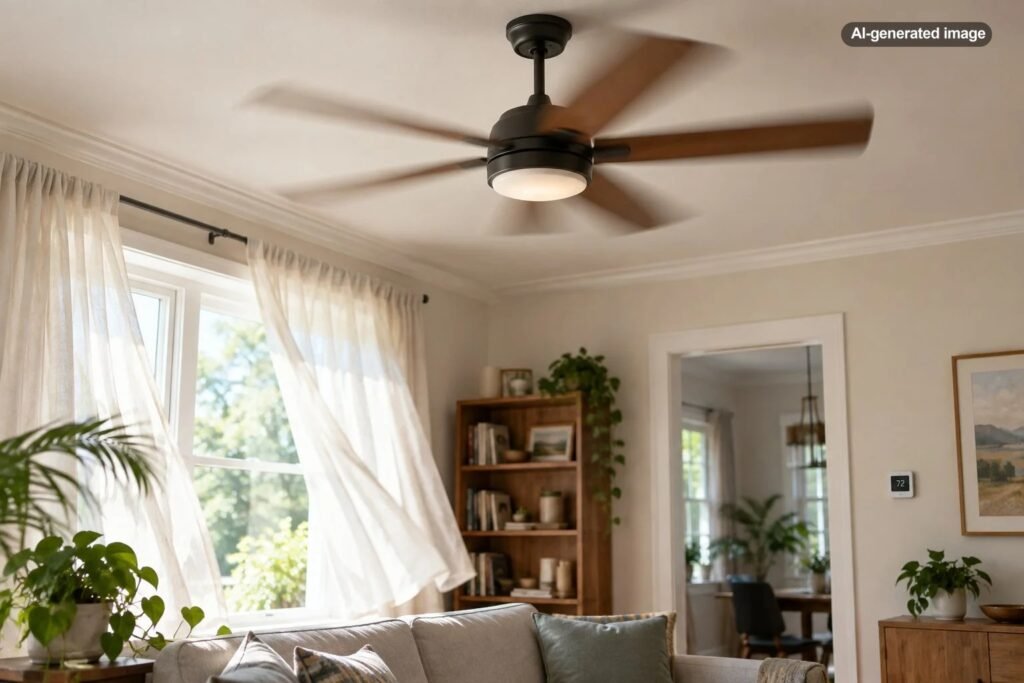
Smart Home
Do Ceiling Fans Actually Lower Room Temperature?
Ceiling fans do not lower room temperature, but moving air can make you feel cooler. Learn why airflow matters and how to use a…
The Crane Manor collection
Ceiling fans do not lower room temperature, but moving air can make you feel cooler. Learn why airflow matters and how to use a…

Yes, gas stoves can affect indoor air quality. Learn what they emit, why ventilation matters, and practical ways to reduce exposure while cooking.
Yes, you can generally sleep with an air purifier on. Learn when overnight filtration helps, where to place it, and what features to avoid.
Air purifiers can reduce airborne dust, but they cannot stop dust from forming. Learn what filtration helps with and how to keep rooms cleaner.
Carpet can collect dust, allergens, moisture, and other pollutants. Learn when it affects indoor air quality and how to keep it cleaner.
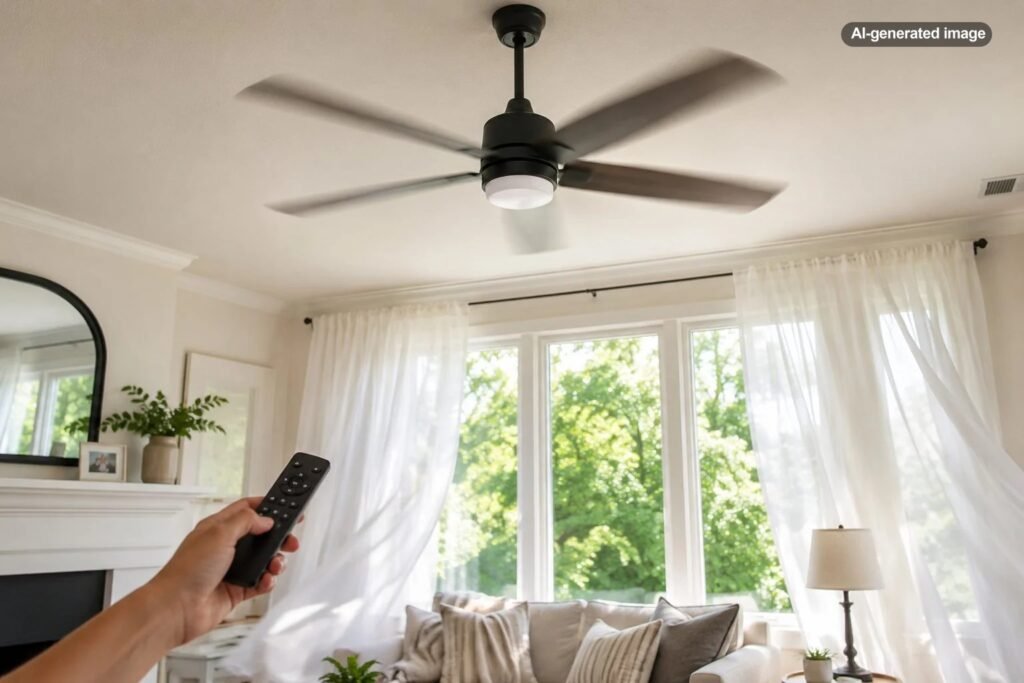
A ceiling fan should usually turn counterclockwise in summer. Learn how to check airflow, reverse your fan, and use it more effectively.
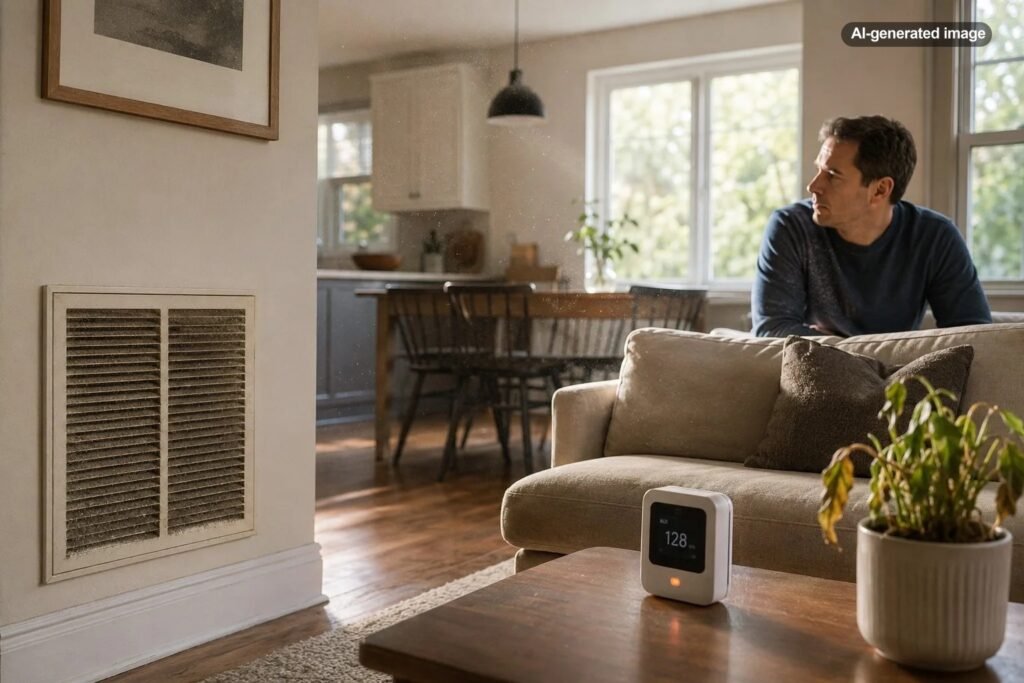
Learn the signs of poor indoor air quality, what may cause them, which hazards require testing, and practical steps to improve the air in…
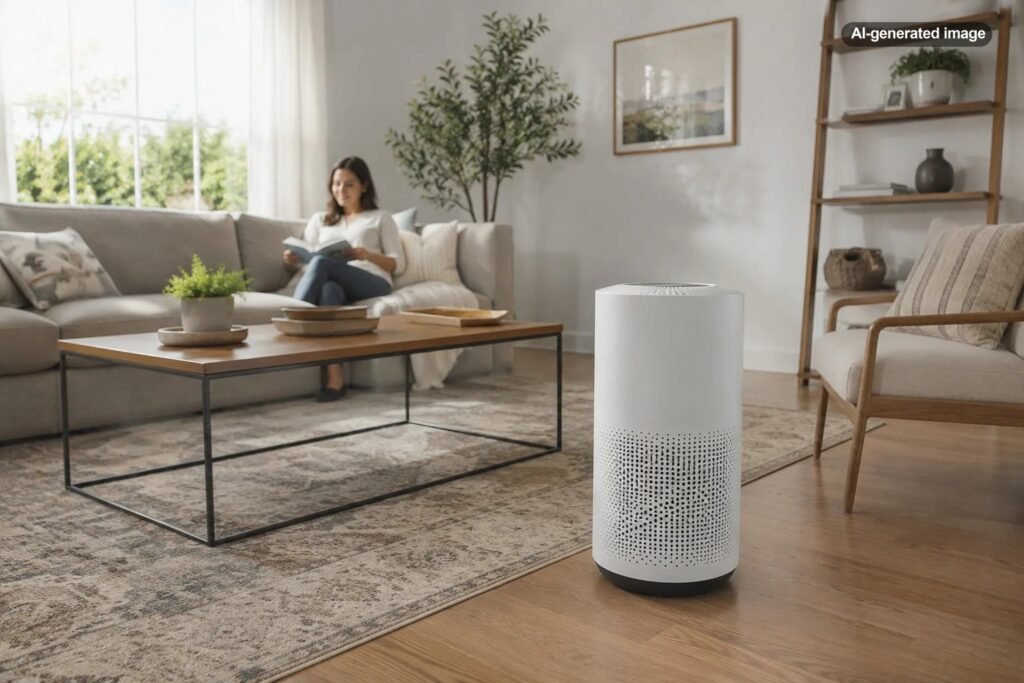
Learn where to place an air purifier in a living room for better airflow, fewer obstructions, and practical everyday use.
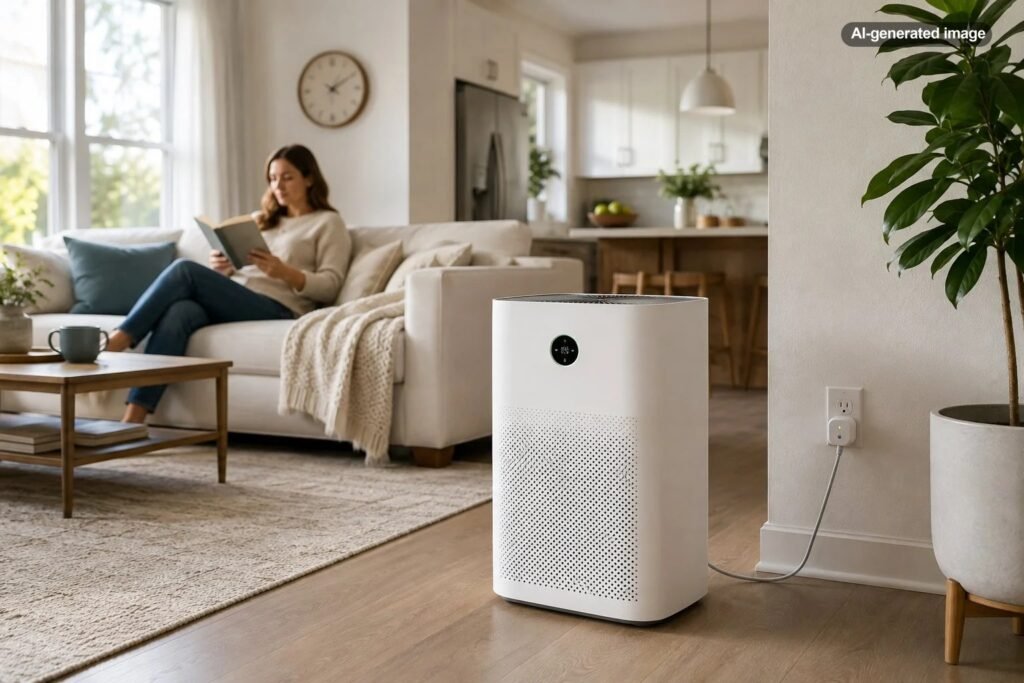
Should an air purifier run all day? Learn when continuous operation makes sense, when to turn it down, and how placement and filters affect…
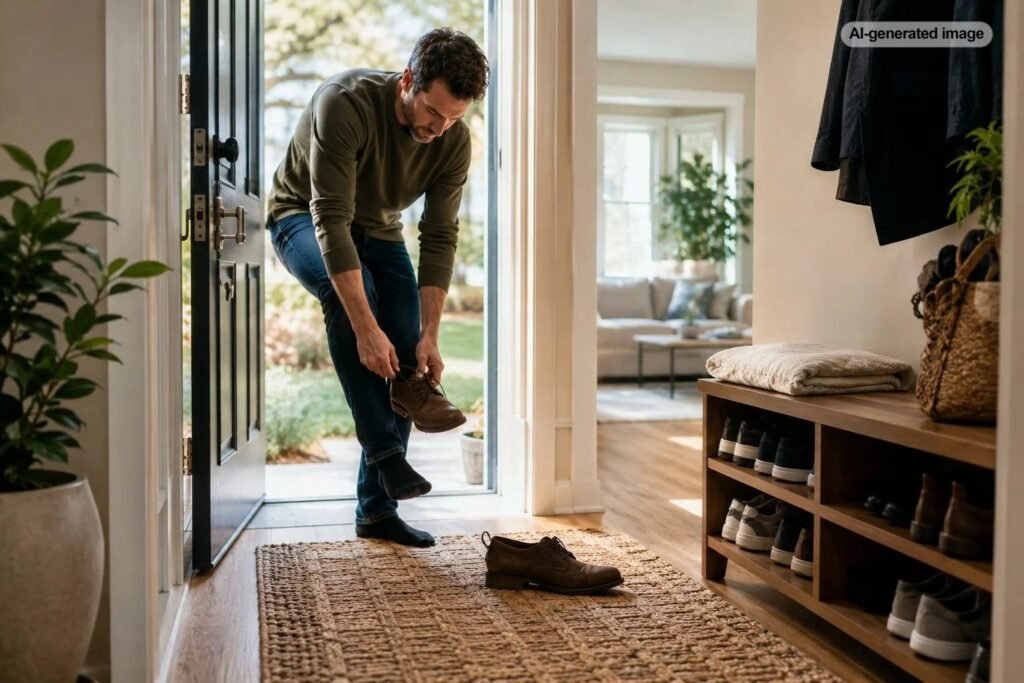
Removing shoes at the door can reduce tracked-in dust and contaminants. Here is what it can - and cannot - do for indoor air…
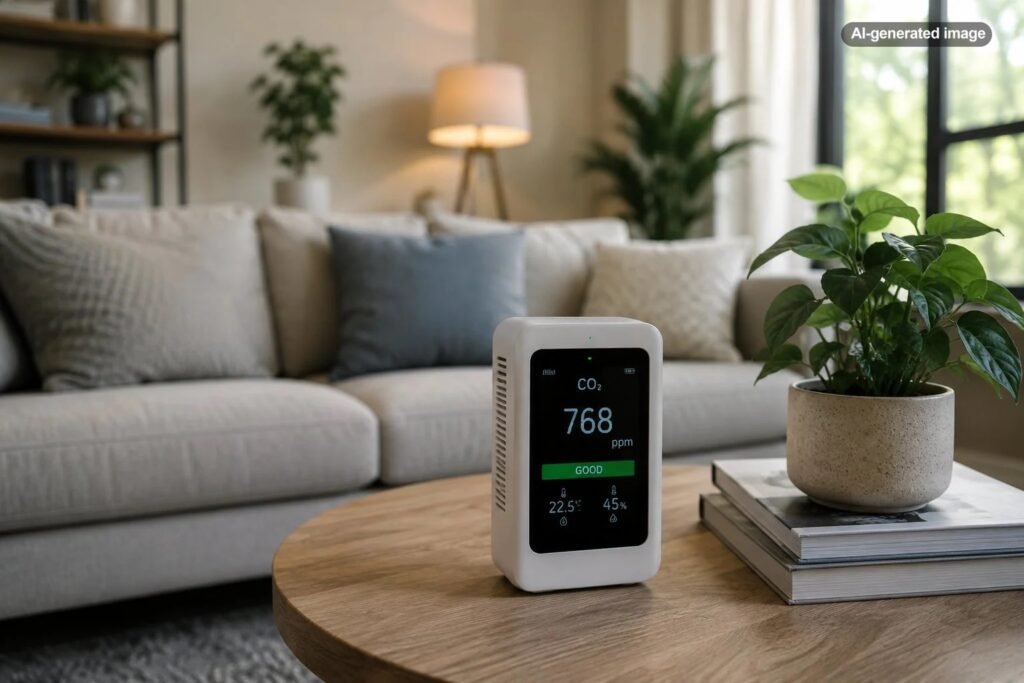
Indoor air quality monitors can be useful when their readings lead to action. Learn what they measure, their limits, and how to choose one.
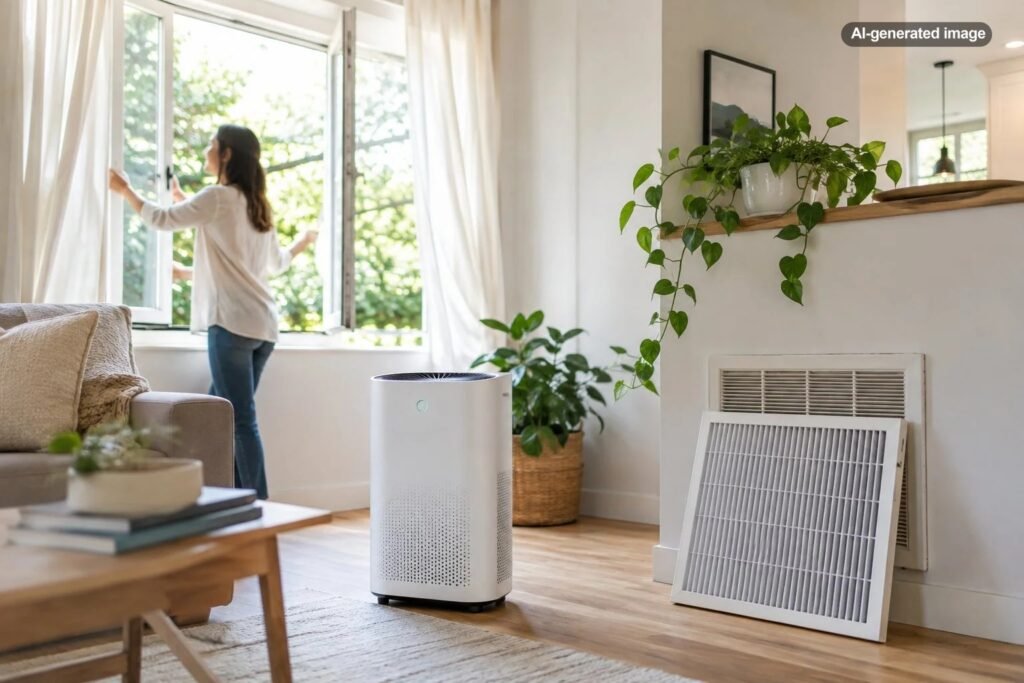
Improve indoor air quality with practical steps for source control, ventilation, filtration, humidity, combustion safety, and radon testing.