

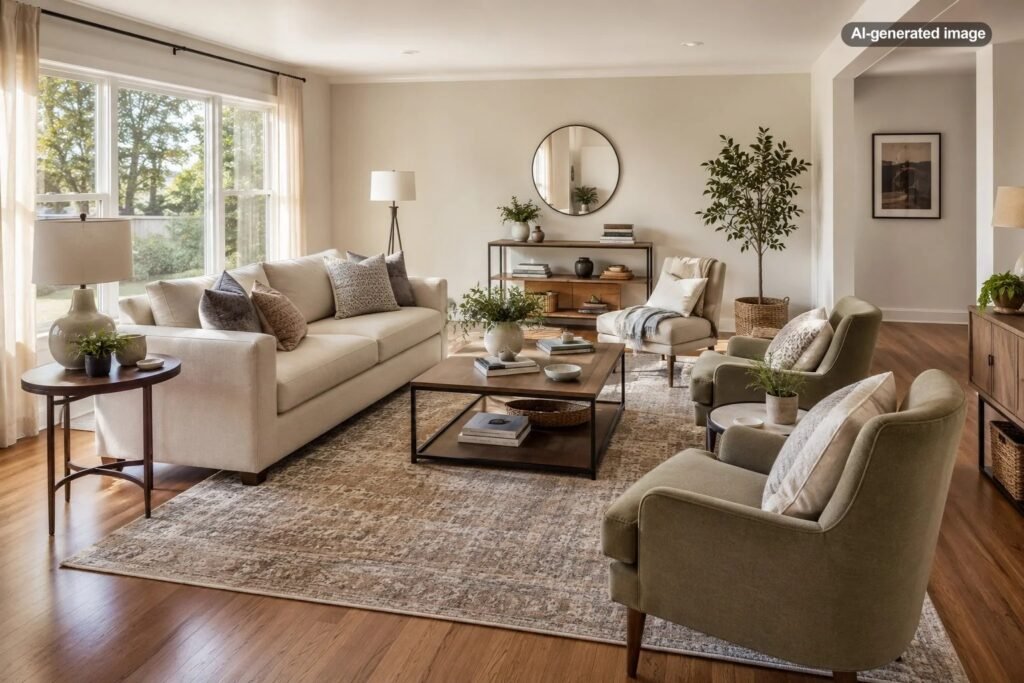
Interiors
How Do You Arrange Furniture in a Living Room With No Focal Point?
Learn how to arrange furniture in a living room with no focal point using conversation zones, balanced scale, rugs, lighting, and clear pathways.
The Crane Manor collection
Learn how to arrange furniture in a living room with no focal point using conversation zones, balanced scale, rugs, lighting, and clear pathways.
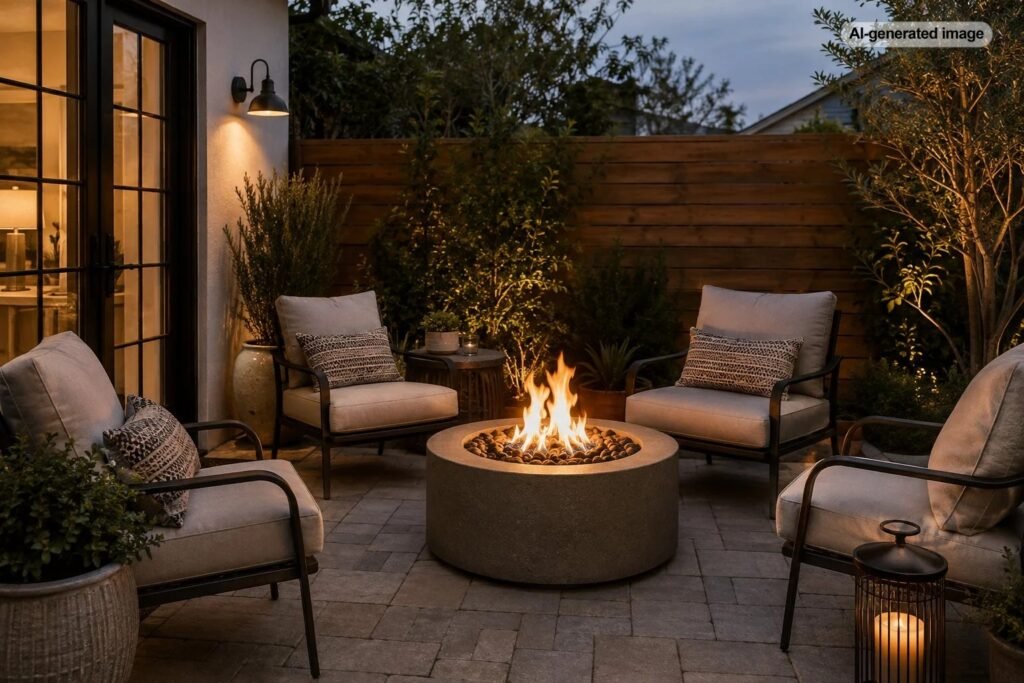
Round fire pits suit most small patios, but square and rectangular designs may fit certain layouts better. Compare shape, spacing, and safety.
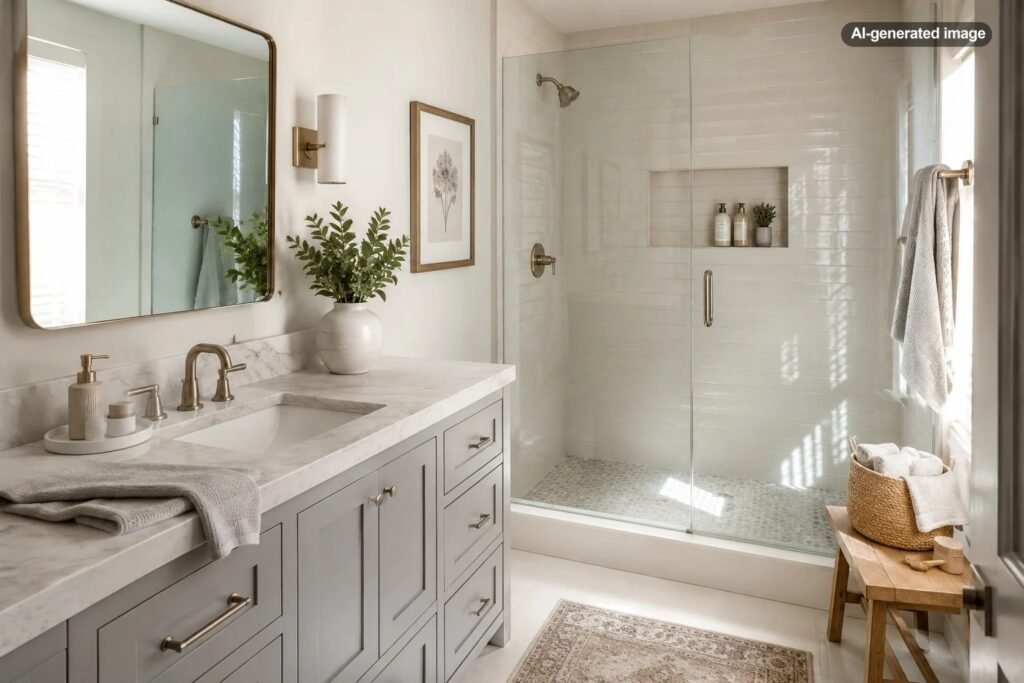
Create calmer bathroom counters and showers with practical storage zones, simple editing rules, and routines that prevent clutter from returning.
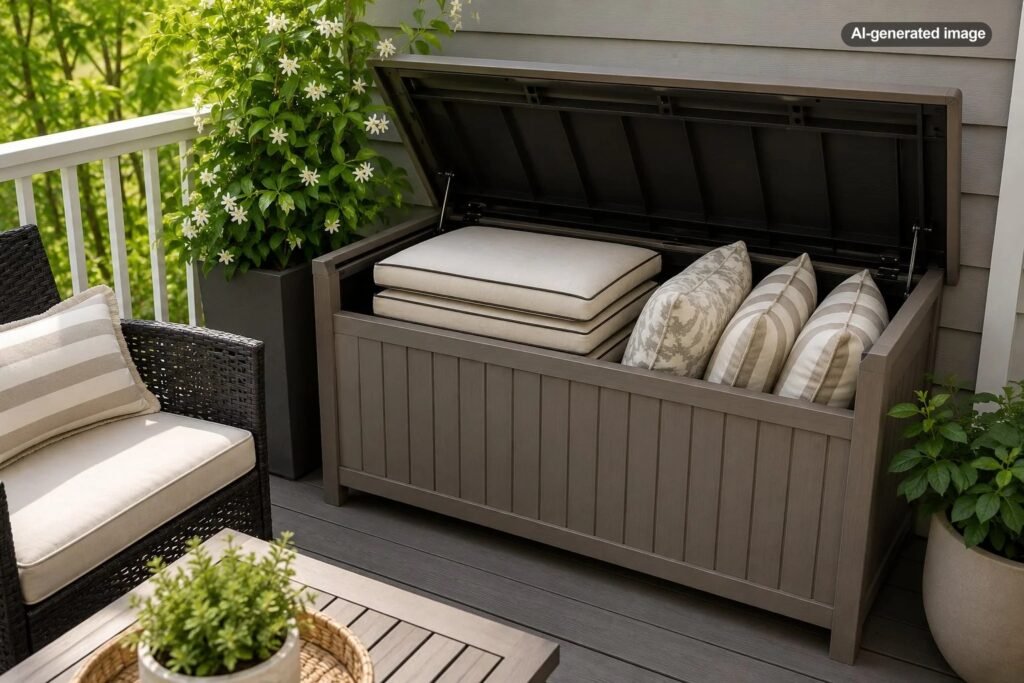
Store patio cushions in a small space by cleaning and drying them, compressing only when appropriate, and using vertical or hidden storage.
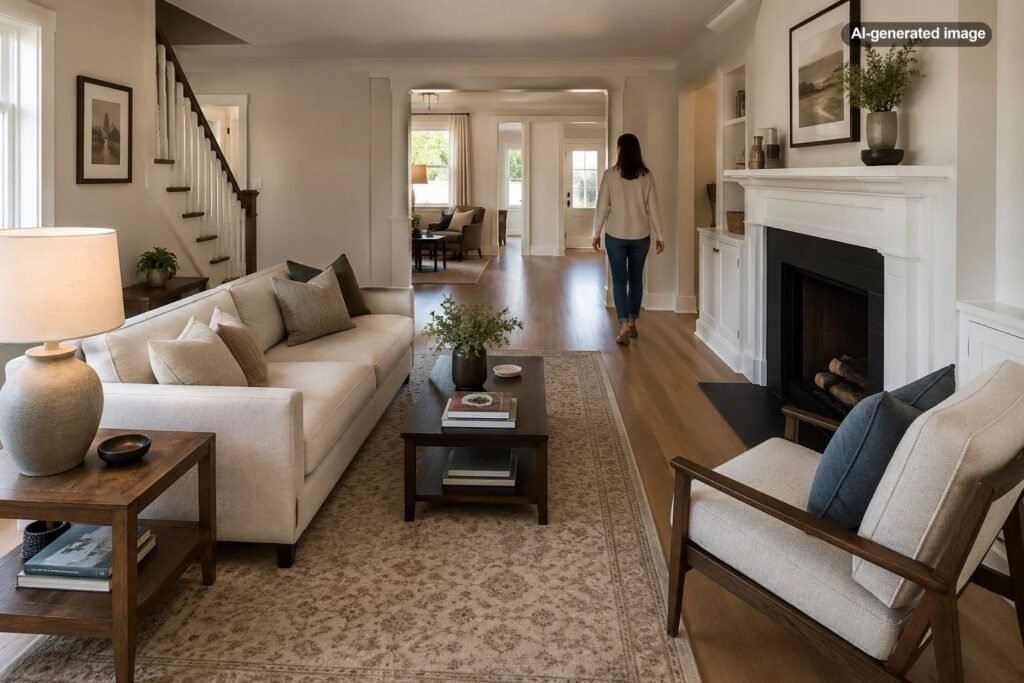
A living room walkway should usually be 30 to 36 inches wide. Learn when to allow more space and how to measure around furniture.
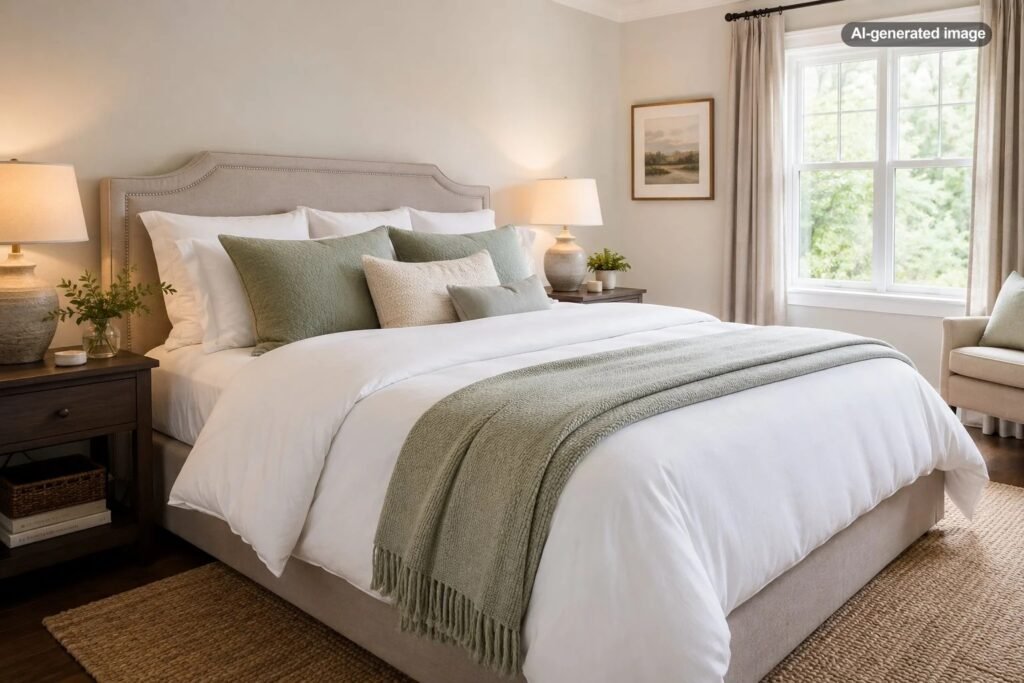
Learn how to choose the best bedding color for a guest room using comfort, style, room size, and practical design considerations.
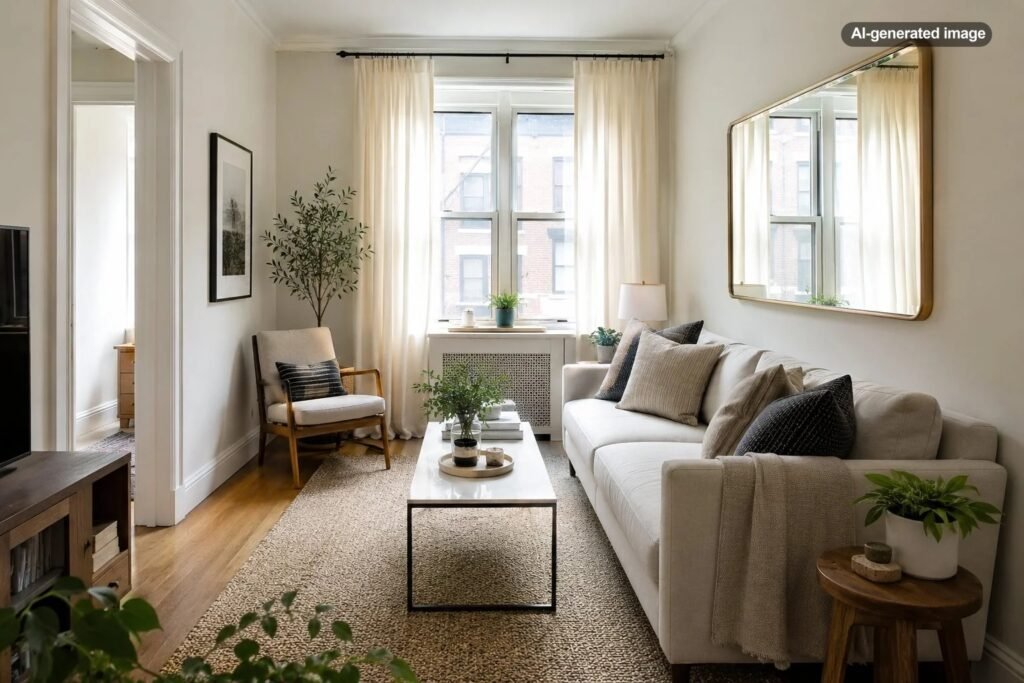
Make a small living room feel larger by rearranging furniture, improving sightlines, reducing visual clutter, and using light more effectively.
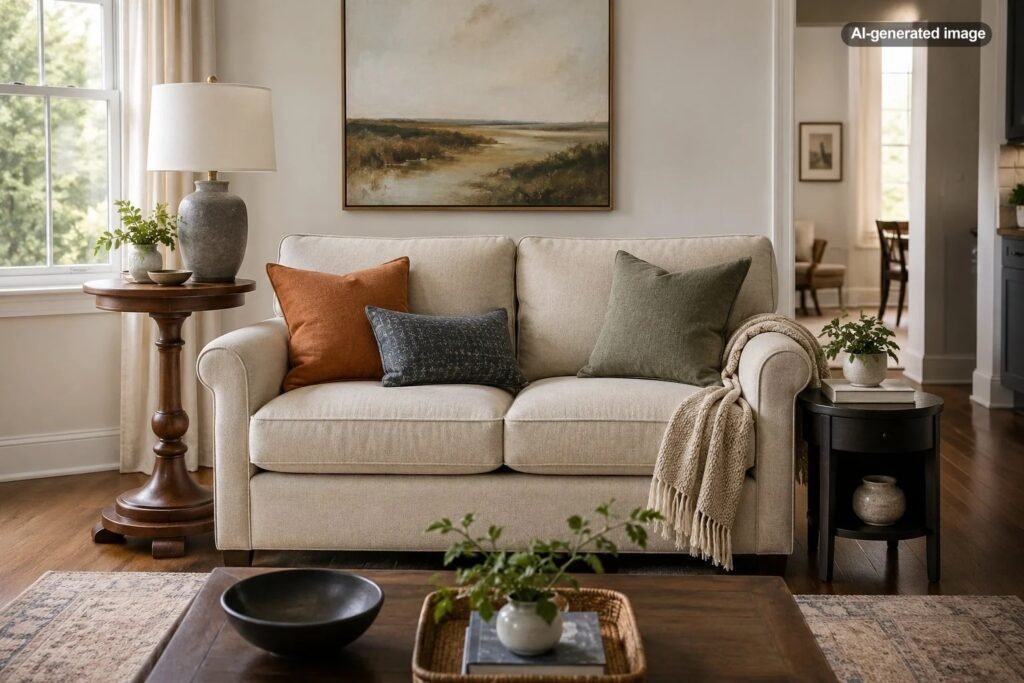
End tables can be different heights. Learn how to balance mismatched tables using proportion, lamps, styling, and practical placement.
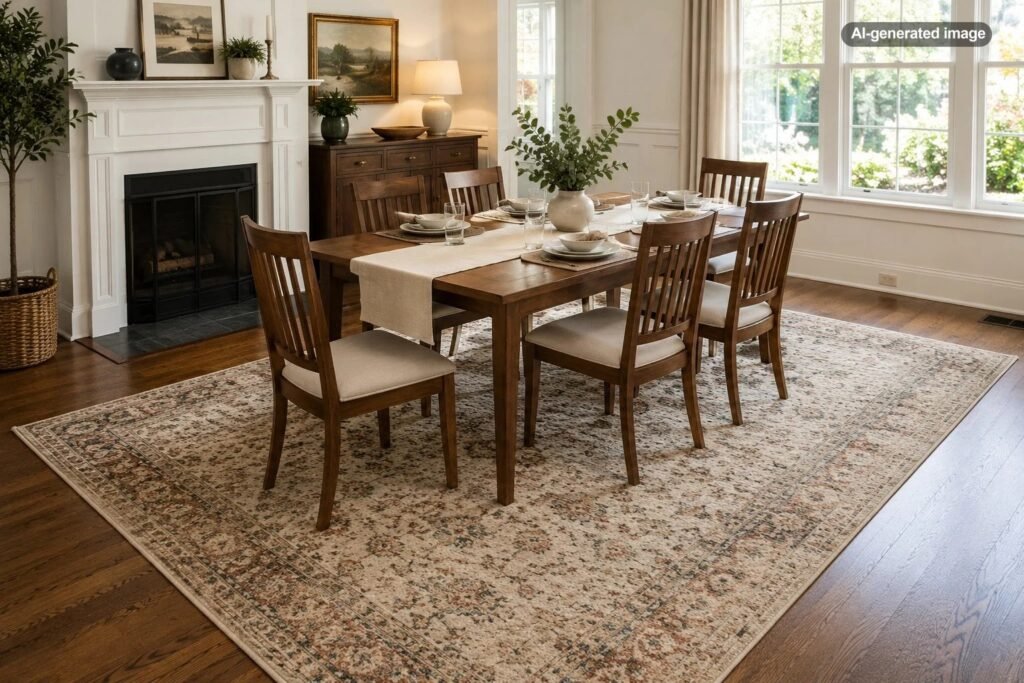
Choose the right dining room rug size with practical measurements for rectangular, round, oval, and extendable tables.
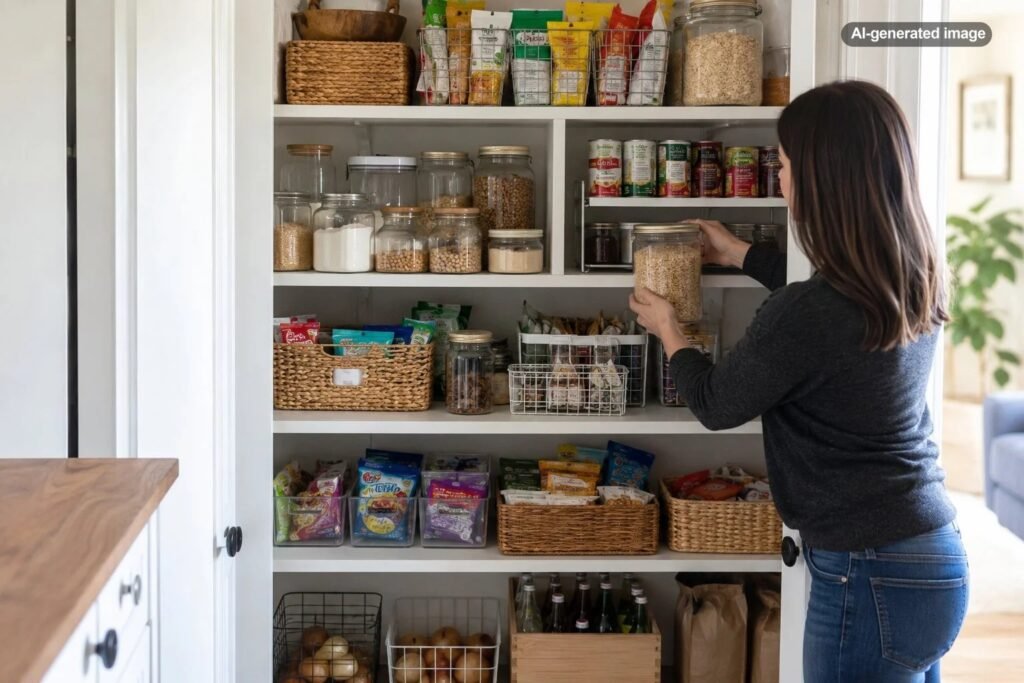
Organize a pantry using the packages, jars, baskets, and bins you already own. Create practical zones without buying matching containers.
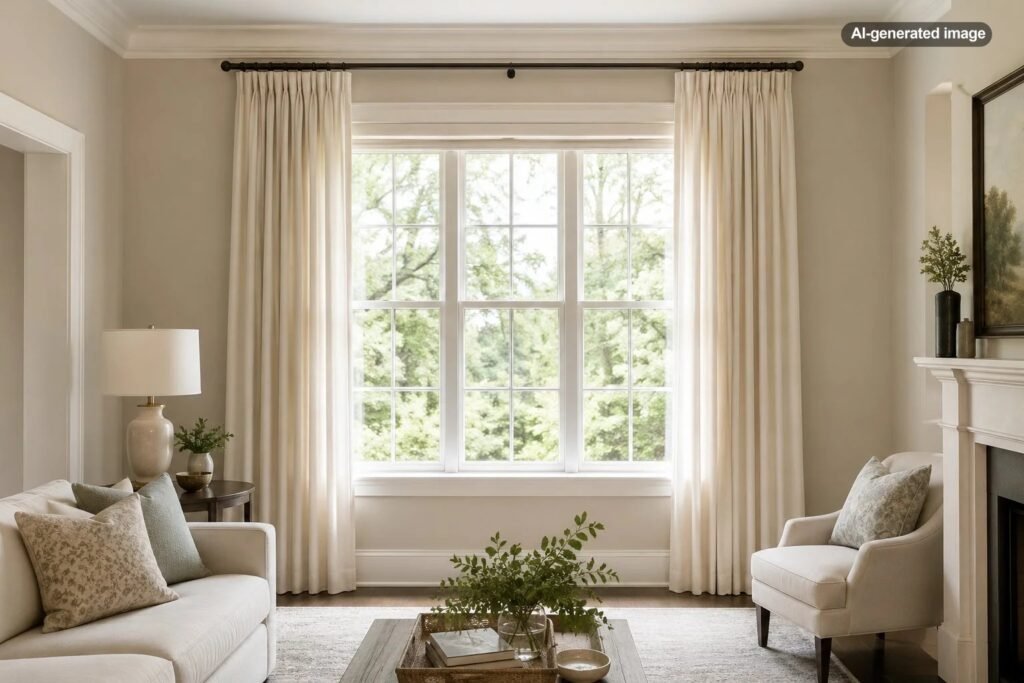
Learn how high to hang curtains above a window, where to place the rod, and how to make windows and ceilings look taller.
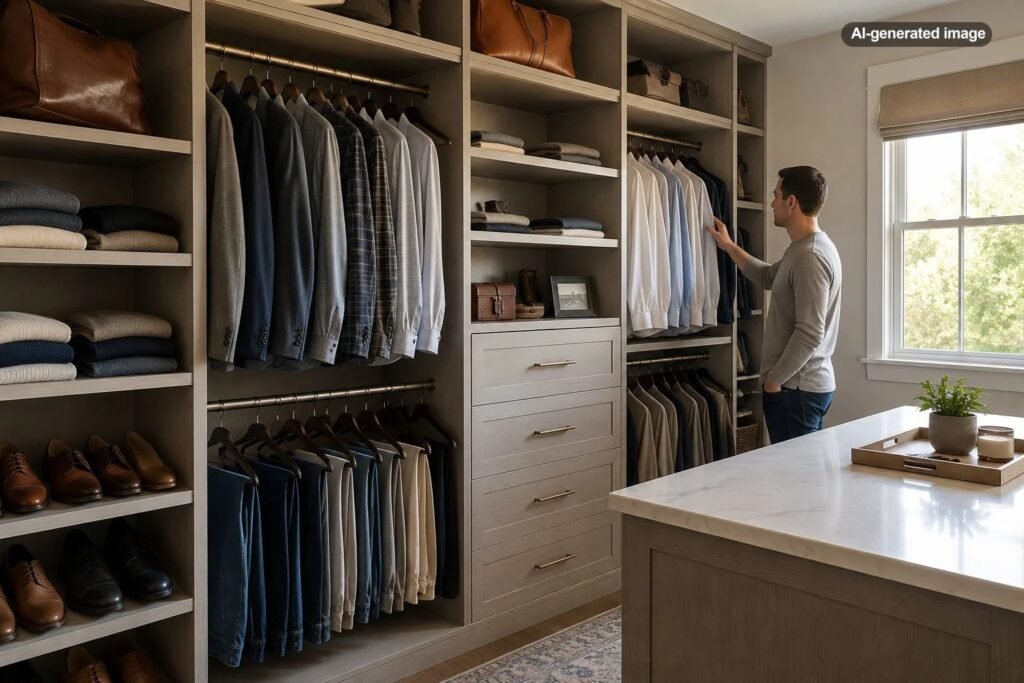
Custom closets can be worthwhile when they improve daily routines, solve difficult storage problems, and suit your long-term plans.