
How to Organize a Pantry Without Buying Matching Containers
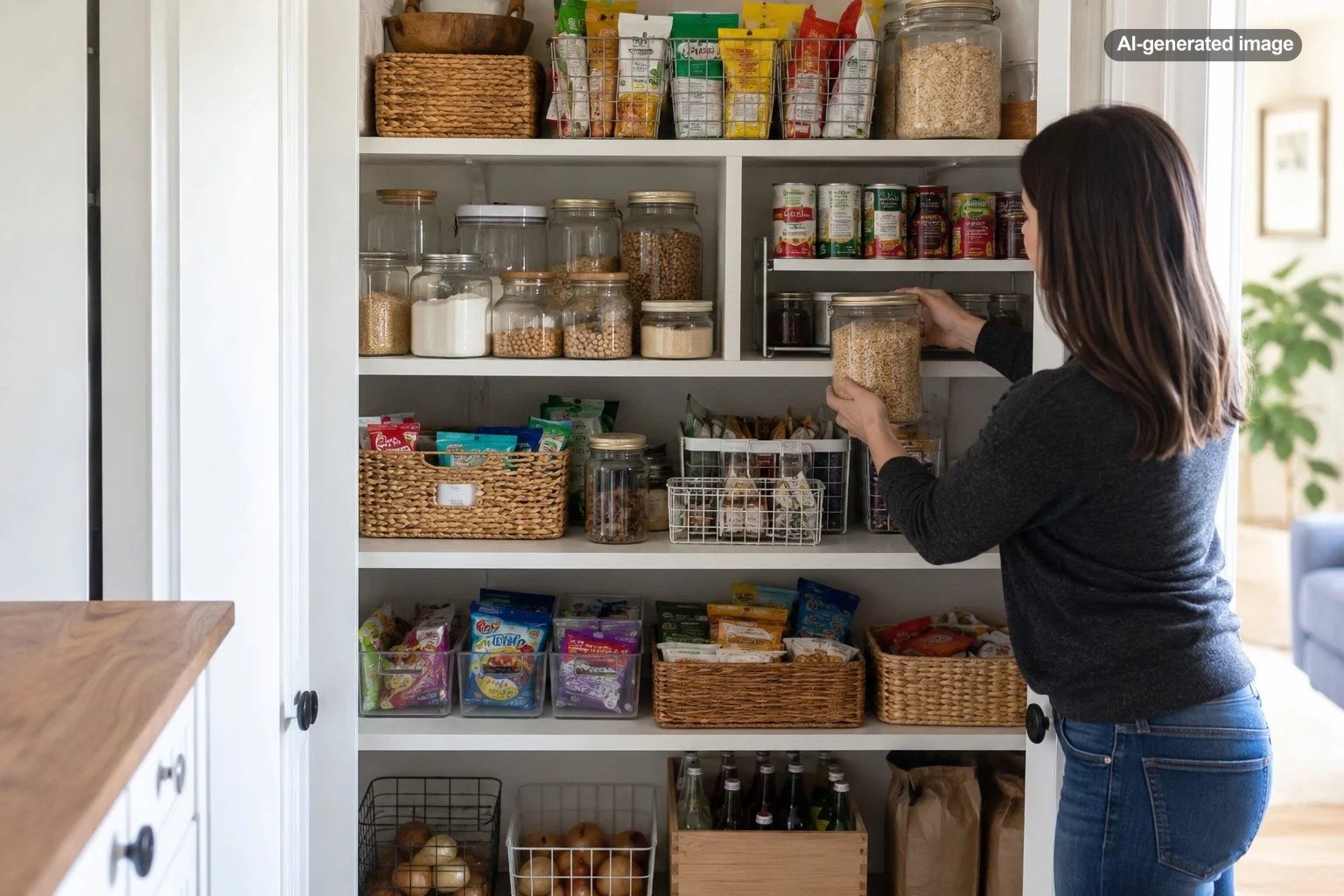
A well-organized pantry does not require a wall of identical clear canisters. Matching containers can look polished, but they are only one tool – and often an expensive, time-consuming one. You can create a pantry that is easier to use by grouping foods according to purpose, improving visibility, and assigning every category a practical home.
The goal is not to make every package look the same. It is to make ingredients easy to find, easy to return, and easy to use before they disappear behind three boxes of pasta.
Begin With a Complete Pantry Edit
Organizing around unnecessary food simply creates tidier clutter. Empty one shelf or section at a time and check each item before putting it back. This keeps the project manageable and prevents the kitchen from becoming an all-day sorting station.
Discard food that is spoiled, damaged, or no longer safe to use. Set aside unopened food your household is unlikely to eat for donation when local organizations accept it. Combine duplicate shopping-list items in one area so you can see what you already have.
What to do
- Remove everything from one shelf.
- Wipe the shelf and allow it to dry.
- Check package condition and storage instructions.
- Group similar foods together.
- Return only the items that belong in that zone.
- Repeat with the next shelf.
Do not assume that decanting food automatically makes it last longer. USDA guidance recommends keeping dry goods in a cool, clean, dry location and checking packages for openings that may admit moisture or insects. An additional container can provide protection, but the original package is perfectly reasonable when it closes securely and fits the shelf.
Create Zones Based on How You Actually Cook
Broad categories such as cans, boxes, and bags may look orderly, but they do not always support the way a household prepares meals. Organizing by activity often works better because everything needed for a routine is gathered in one place.
Useful pantry zones might include:
- Breakfast: cereal, oatmeal, pancake mix, nut butter, and coffee supplies.
- Baking: flour, sugar, baking powder, chocolate chips, and decorating supplies.
- Weeknight meals: pasta, rice, sauces, broth, and commonly used canned goods.
- Snacks: crackers, bars, dried fruit, and individual snack packages.
- Lunch preparation: wraps, spreads, shelf-stable sides, and lunchbox items.
- Backstock: duplicate goods that are not yet needed on the working shelves.
The ideal categories depend on your habits. A frequent baker may need an entire shelf for ingredients, while a household that relies on quick dinners may benefit from several smaller meal zones.
A pantry works best when its arrangement reflects real routines rather than a photograph of someone else’s kitchen.
Use Height and Reach to Set Priorities
Place everyday items between roughly waist and eye level whenever possible. Reserve high shelves for lightweight extras and rarely used supplies. Lower shelves are better for heavier items, sturdy beverage containers, and bulk packages that would be awkward to lift from above shoulder height.
Children’s snacks can occupy a reachable shelf when independent access is appropriate for the household. Cleaning chemicals, alcohol, medications, and anything unsafe for children or pets should not be mixed casually into food zones and may require secured storage elsewhere.
Reuse Containers Without Worrying About a Matching Set
Look around the house before purchasing organizers. A low-sided cardboard box can corral snack pouches. A clean shoebox can hold baking decorations. A sturdy gift basket can gather potatoes or unopened bags. A rimmed tray can keep oils and sauces together while helping contain minor drips.
The most useful reused containers share three qualities: they fit the shelf, they are easy to clean or replace, and they do not hide their contents completely. Remove lids from deep boxes when visibility matters, or cut down the front edge of a cardboard carton to create a simple open bin.
A mixture of white baskets, clear bins, reused boxes, and original packages can still look intentional when each item has a purpose. Visual consistency can come from repeated labels or neatly aligned front edges rather than identical vessels.
Arrange Packages So You Can See What You Have
Avoid stacking unrelated products in front of one another. Create short rows with similar items, and place taller packages behind shorter ones. An unused shelf riser, sturdy inverted tray, or small box can lift a back row of cans, provided the platform is stable and does not create a tipping hazard.
Turn package labels forward when practical. Store opened packages in front of unopened replacements, and place items with earlier dates where they will be used first. This simple rotation is often more valuable than transferring everything into new jars.
For small bottles that become lost in deep cabinets, a rotating tray can improve access. Measure the shelf before adding one, including the clearance needed for tall bottles as the tray turns. Corners and deep shelves are the strongest candidates; shallow shelves may work better with simple rows.
Give Spices a System, Not New Jars
Spices are a common source of pantry disorder because bottles vary in height and shape. You do not need to replace them with a coordinated jar collection. First, remove duplicates and bottles you no longer use. Then organize the rest alphabetically, by cuisine, or by frequency of use.
Everyday seasonings can occupy the easiest-to-reach row, while occasional baking spices or specialty blends can sit behind them. Place refill packets together rather than mixing them among the bottles.
Affiliate disclosure: CraneManor.com may earn a commission when you purchase through links on this page. This does not affect the price you pay. Learn more.
When loose bottles remain difficult to see, a pull-down spice organizer can add dedicated rows without requiring you to transfer seasonings into matching jars. The YouCopia model accommodates a mixture of standard round and square spice bottles, but bottle sizes and cabinet dimensions vary, so measure both before purchasing.
Keep Food Information With the Food
Original packaging contains information that may matter later, including ingredients, allergen warnings, cooking directions, lot codes, and date markings. When you transfer dry goods into another container, retain that information.
You can cut out the relevant panel and place it inside the bin, tape it to the back, or write the product name and date on a removable label. Avoid combining a new package with the remnants of an older one unless you are certain the foods are identical and you can preserve accurate information.
Separate Working Stock From Backstock
Keeping every duplicate beside the active package can crowd the most convenient shelves. Create one backstock area for unopened extras, preferably on a higher, lower, or less accessible shelf. Shop from this zone before adding an item to the grocery list.
Do not let backstock become a second unmonitored pantry. Keep similar products together and avoid purchasing quantities that exceed your available space or realistic rate of use.
Before you decide
- Can every category be found without moving several unrelated items?
- Are frequently used foods within comfortable reach?
- Can you see open packages and duplicates?
- Are heavy goods stored on stable lower shelves?
- Are labels, dates, allergens, and instructions preserved?
- Is there enough open space to put groceries away easily?
Maintain the Pantry With a Five-Minute Reset
An organization system succeeds when it is easy to restore. Once a week, return wandering items to their zones, move older packages forward, and note anything running low. Before grocery shopping, check the backstock area and the foods most likely to be forgotten.
A deeper edit every few months can address expired products, seasonal ingredients, and categories that have outgrown their assigned space. When one zone repeatedly becomes messy, change the zone rather than blaming the household. It may need a larger area, a clearer label, or a location closer to where the item is used.
Frequently Asked Questions
Does a pantry look messy without matching containers?
Not necessarily. Consistent labels, clear categories, aligned packages, and uncluttered shelves can create a calm appearance even when the containers differ.
Should flour and sugar be removed from their original bags?
Transfer them when the bags are difficult to reseal, vulnerable to spills, or poorly suited to the shelf. Use clean food-storage containers and retain the original product details, allergen information, lot code, and date.
What is the cheapest way to organize deep pantry shelves?
Start with zones, shorter rows, and reused open boxes. Place taller items behind shorter ones, move duplicates to a backstock area, and reserve the front of the shelf for active packages.
How much empty space should a pantry have?
There is no universal percentage, but each zone should have enough room for items to be returned without rearranging an entire shelf. A little breathing room makes the system easier to maintain and helps prevent forgotten food.