
Can End Tables Be Different Heights?
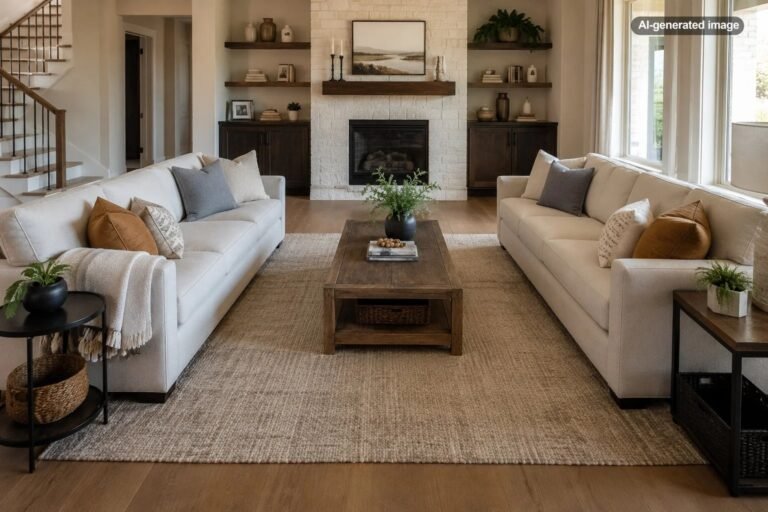
Yes, end tables can be different heights. They do not need to match exactly, and a modest height difference can make a room feel collected rather than purchased as a single set. The key is to make each table comfortable to use and visually connected to the furniture beside it.
In most rooms, function matters more than perfect symmetry. A table that sits beside a low lounge chair may naturally be shorter than one positioned next to a taller sofa arm. The arrangement works when the differences appear intentional, not accidental.
How different can end table heights be?
There is no universal maximum difference, but smaller variations are generally easier to balance. A difference of a few inches often reads as subtle and natural. A larger gap can still work, although it needs stronger visual justification.
Begin by comparing each tabletop with the nearest sofa or chair arm. Ideally, the surface should be close enough to the arm height that a seated person can place a drink, book, phone, or pair of glasses on it without reaching awkwardly upward or downward.
The tables do not need to line up with each other if they serve different seats. In fact, forcing both tables to the same height can create a less functional result when the surrounding furniture has different proportions.
| Height relationship | How it usually looks | What helps |
|---|---|---|
| Nearly equal | Calm and subtly coordinated | Different shapes or finishes can add interest |
| A few inches apart | Relaxed and intentionally mismatched | Repeat a color, material, or styling element |
| Noticeably different | More eclectic and visually active | Relate each table closely to its neighboring seat |
| Extremely different | Potentially unbalanced | Use lighting, artwork, or layered objects to bridge the gap |
Match each table to the furniture beside it
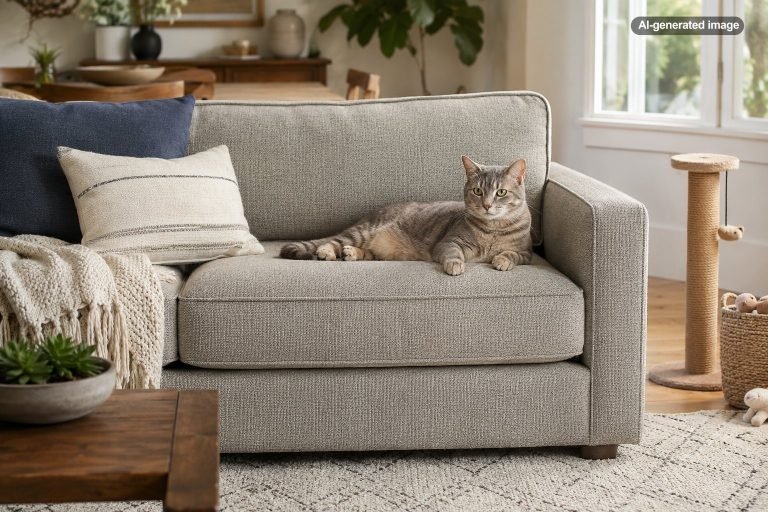
The most useful way to judge table height is seat by seat. A substantial sofa with a high, rolled arm can support a taller table. A low-profile chair or armless settee may call for something shorter and lighter.
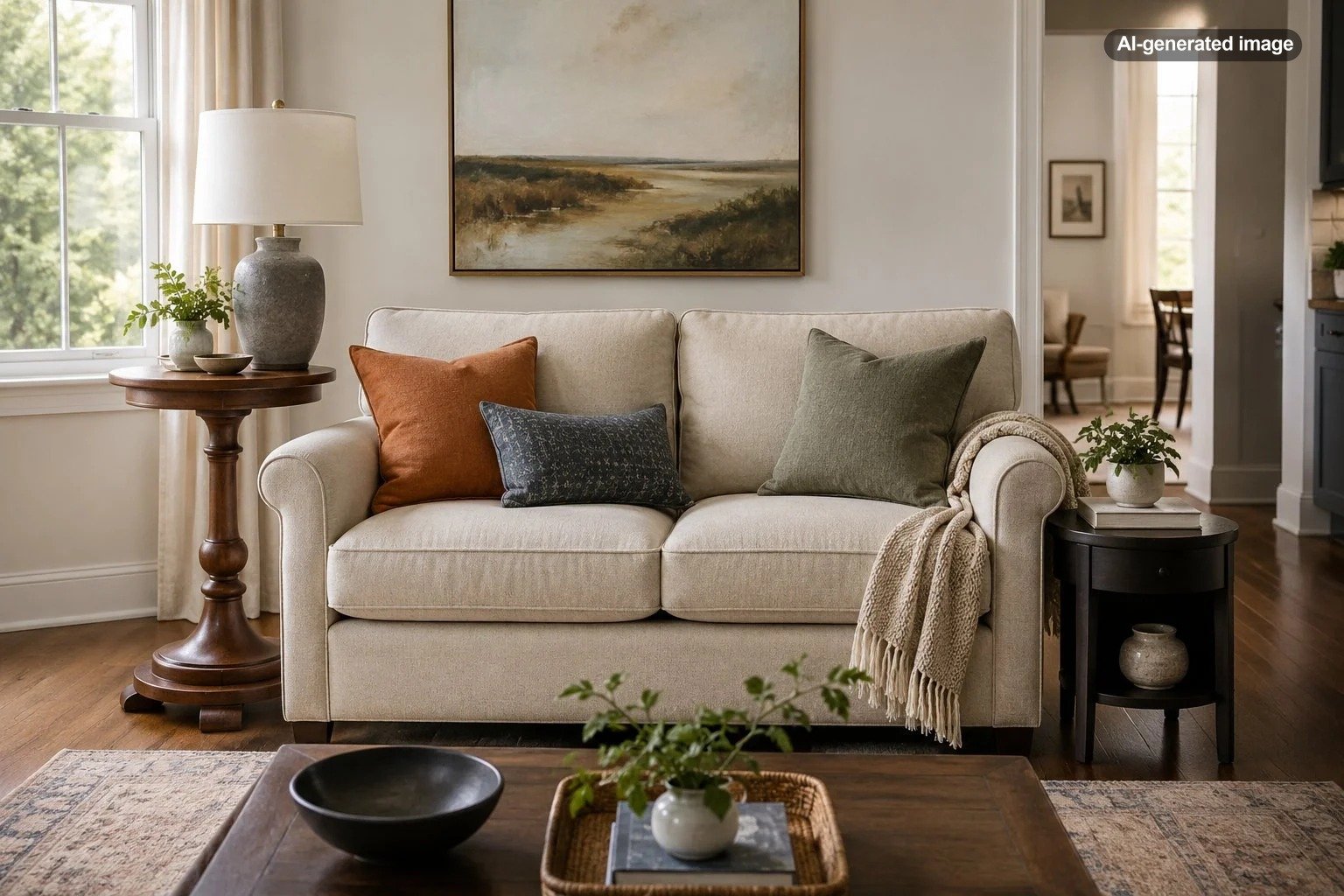
This principle is especially helpful in rooms assembled over time. Perhaps one side of the sofa has a slim pedestal table while the other has a small cabinet with storage. Their dimensions may differ, but each can still feel appropriate if it fits the scale and function of its location.
Also consider depth and width. A tall table with a very small top may feel delicate, while a shorter table with a broad top may appear visually heavier. Height is only one part of the composition.
Use lamps to create balance
Lamps can help tables of different heights feel more coordinated. What the eye often notices is the overall height of the table-and-lamp combination rather than the table alone. A shorter table can support a taller lamp, while a taller table may look better with a more compact lamp.
Aim for shades that occupy a reasonably similar visual zone, particularly when the tables sit on opposite ends of the same sofa. They do not have to align precisely. The goal is a comfortable sense of rhythm rather than a ruler-straight line.
Affiliate disclosure: CraneManor.com may earn a commission when you purchase through links on this page. This does not affect the price you pay. Learn more.
A sculptural fixture, such as a distinctive ceramic table lamp for the room, can also provide enough visual presence to connect an otherwise lighter or simpler table with the rest of the arrangement. Before choosing any lamp, confirm its dimensions, bulb requirements, cord placement, and suitability for the available tabletop.
Repeat one or two design elements
Mismatched tables look deliberate when they share at least one visual thread. That connection might be a finish, color, shape, hardware detail, or material used elsewhere in the room.
- Pair different wood tables with similar warm undertones.
- Repeat black metal in a table base, lamp, picture frame, or curtain rod.
- Use related shapes, such as one round table and another with curved corners.
- Place similar lamps on different tables without making the entire setup identical.
- Repeat a ceramic, glass, woven, or stone accent on both sides of the seating area.
The connection can be quiet. Two completely different tables may still feel related because both have slender legs, both contain a dark accent, or both suit the room’s overall level of formality.
End tables do not need to match each other; they need to belong in the same conversation.
Style the tabletops without forcing symmetry
Decor can soften a height difference, but it should not be used to construct unstable towers. A stack of one or two books, a small tray, or a modest decorative object can adjust the visual level of a shorter table. Avoid stacking heavy or breakable objects simply to make two arrangements appear equal.
Balance also depends on visual weight. A taller table may need fewer accessories because it already occupies more vertical space. A low table can often carry a slightly taller lamp, vase, or branch arrangement without appearing crowded.
Before you decide
- Sit in each seat and test whether the nearest table is easy to reach.
- Check that lamps do not block conversation or important sightlines.
- Leave practical space for a drink, book, or phone.
- Compare the total visual height of each table and its accessories.
- Repeat at least one material, color, or shape elsewhere in the room.
- Confirm that every table feels stable on the flooring or rug beneath it.
When matching heights may look better
Matching end table heights can be the better choice when a room depends on strong symmetry. This is common in formal living rooms, bedrooms with matching sides of the bed, or spaces where identical lamps frame a central focal point.
Equal heights may also create calm in a small or visually busy room. When upholstery, artwork, patterns, and accessories already provide plenty of variation, matching tables can give the eye a place to rest.
However, matching height does not require matching tables. Two pieces with different shapes or finishes can share a similar height and still feel coordinated without resembling a furniture showroom set.
Common mistakes with different-height end tables
The most common problem is not the difference itself but a lack of relationship between the pieces. Two tables may look disconnected when they differ in height, scale, finish, shape, and style without sharing any common detail.
Another mistake is placing a very tall table beside a low seat, making the surface inconvenient or visually top-heavy. The reverse can be equally awkward: a tiny, low table may disappear beside a deep sofa with broad arms.
Be cautious about correcting every difference with accessories. If a table is fundamentally the wrong scale, adding more objects will usually make the arrangement busier rather than better. Moving the table to another seat, changing the lamp, or replacing one piece may be the cleaner solution.
Can bedroom nightstands be different heights?
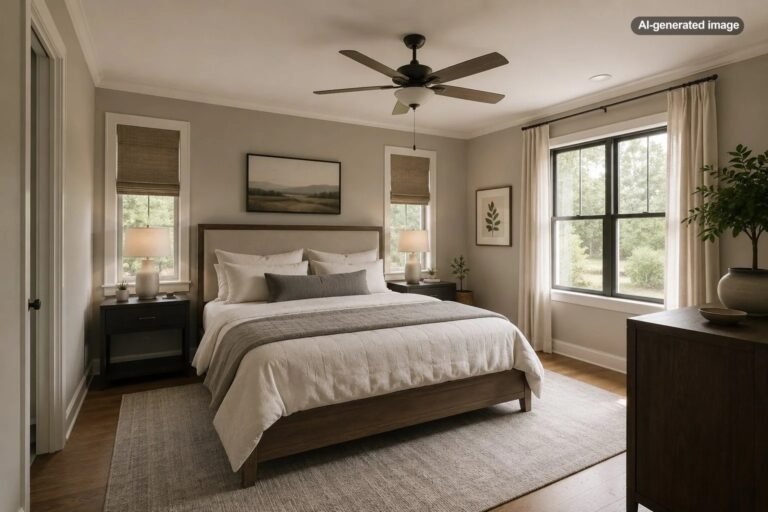
Yes. Different-height nightstands can work when each one remains convenient from its side of the bed. This is especially practical when two sleepers have different storage needs or when one side of the room has less floor space.
Try to keep the lamp light sources at comfortable levels and use shared bedding, lampshade colors, artwork, or finishes to connect the two sides. In a highly symmetrical bedroom, closer nightstand heights will usually create a quieter appearance.
Frequently asked questions
Should an end table be higher or lower than a sofa arm?
Close to the sofa arm height is usually the most comfortable arrangement. Slightly higher or lower can work, provided the tabletop remains easy to reach while seated.
Do both ends of a sofa need an end table?
No. One end may have a table while the other uses a floor lamp, drink table, console, nearby shelf, or nothing at all. The room should respond to circulation and actual use rather than a symmetry rule.
Can one end table be round and the other square?
Yes. Mixing shapes can add interest, particularly when the tables share a finish, color, material, or similar visual weight.
Do end tables have to match the coffee table?
No. They should relate to the room, but they do not need to be part of the same collection. Repeating a material, undertone, or structural detail is usually enough to create cohesion.
How do you make mismatched tables look intentional?
Relate each table to its neighboring seat, repeat one or two design elements, coordinate the overall lamp heights, and keep the styling edited. Intentional variation usually looks better than imperfect imitation.
The final decision
End tables can absolutely be different heights. Judge each table by how well it serves the furniture beside it, then use lighting, repeated materials, and thoughtful styling to connect the room as a whole.
When the tables are convenient, properly scaled, and visually related, the height difference becomes part of the design rather than a flaw to disguise.