

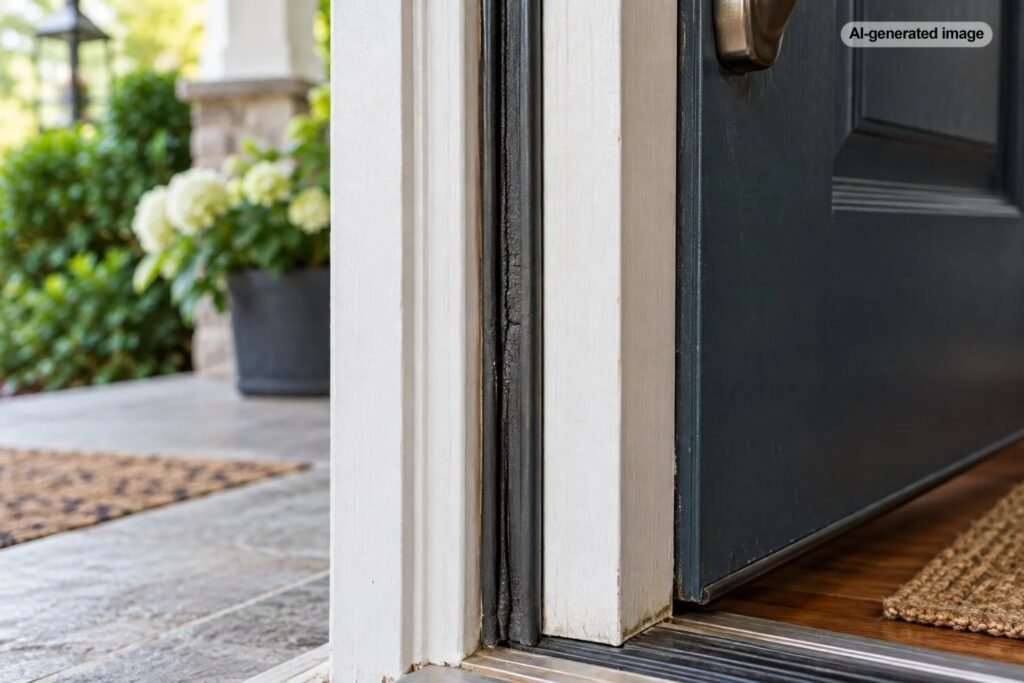
Home Care
How Often Should Exterior Door Weatherstripping Be Replaced?
How often should exterior door weatherstripping be replaced? Learn the signs of worn seals, how to inspect them, and when replacement makes sense.
The Crane Manor collection
How often should exterior door weatherstripping be replaced? Learn the signs of worn seals, how to inspect them, and when replacement makes sense.

Door weatherstripping keeps peeling or popping out? Learn the common causes, how to fix each type, and when the door itself needs adjustment.

A front door lock that sticks in hot weather is often caused by humidity, door swelling, loose hinges, or shifting latch and deadbolt alignment.

A door that closes by itself is usually out of plumb or affected by loose hinges. Learn how to identify the cause and choose…
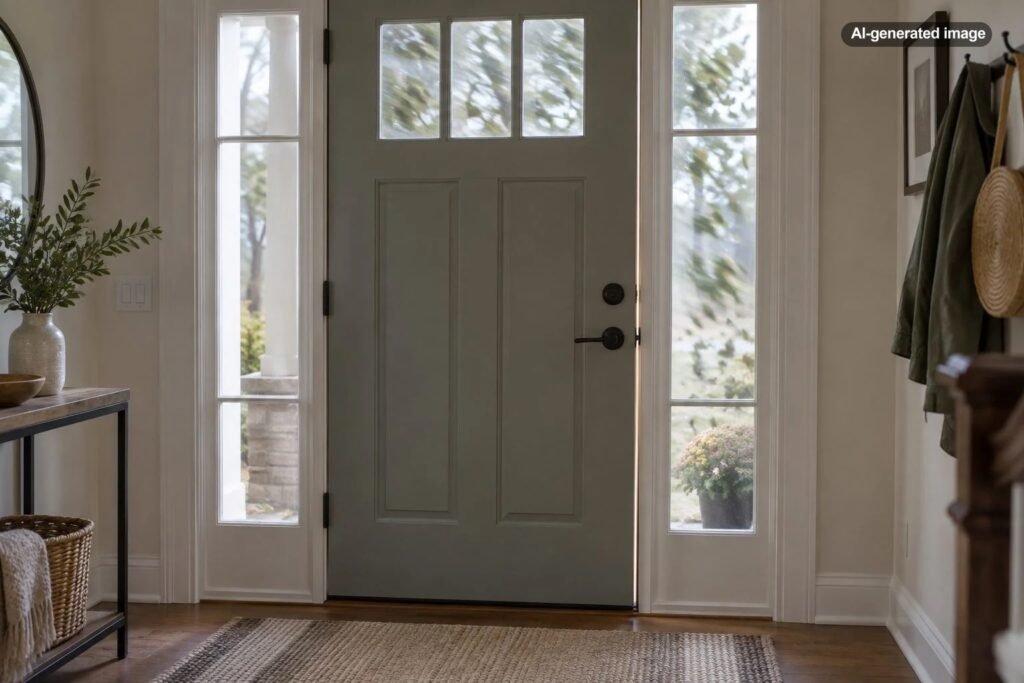
A front door that rattles in the wind usually has excess movement at the latch, weatherstripping, hinges, or threshold. Here is what to check.
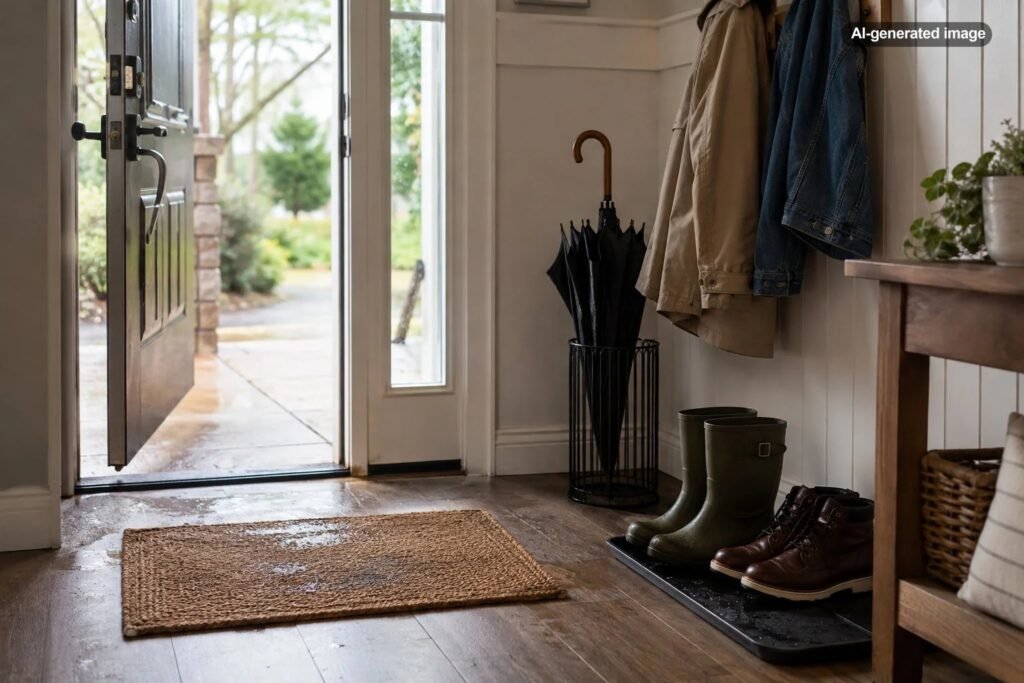
A damp-smelling entryway often points to wet shoes, trapped humidity, condensation, a hidden leak, or moisture in rugs, walls, or flooring.
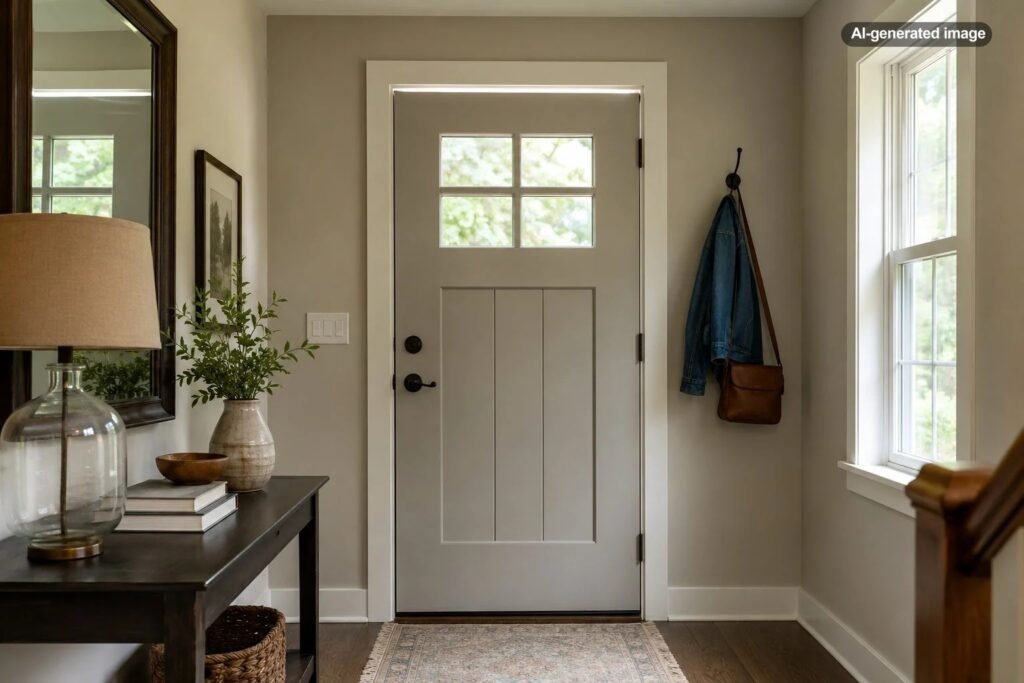
A gap above your front door can come from worn weatherstripping, loose hinges, door sag, or frame alignment. Learn what to check and fix.
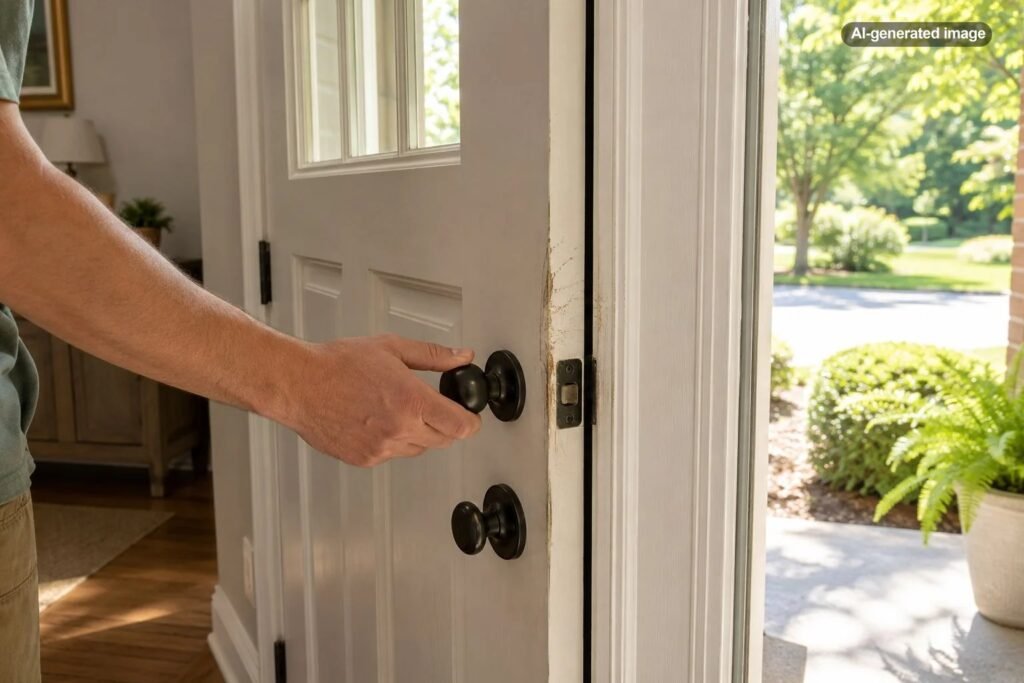
A front door that sticks only in summer is often reacting to humidity. Learn how to pinpoint the cause, make sensible fixes, and spot…
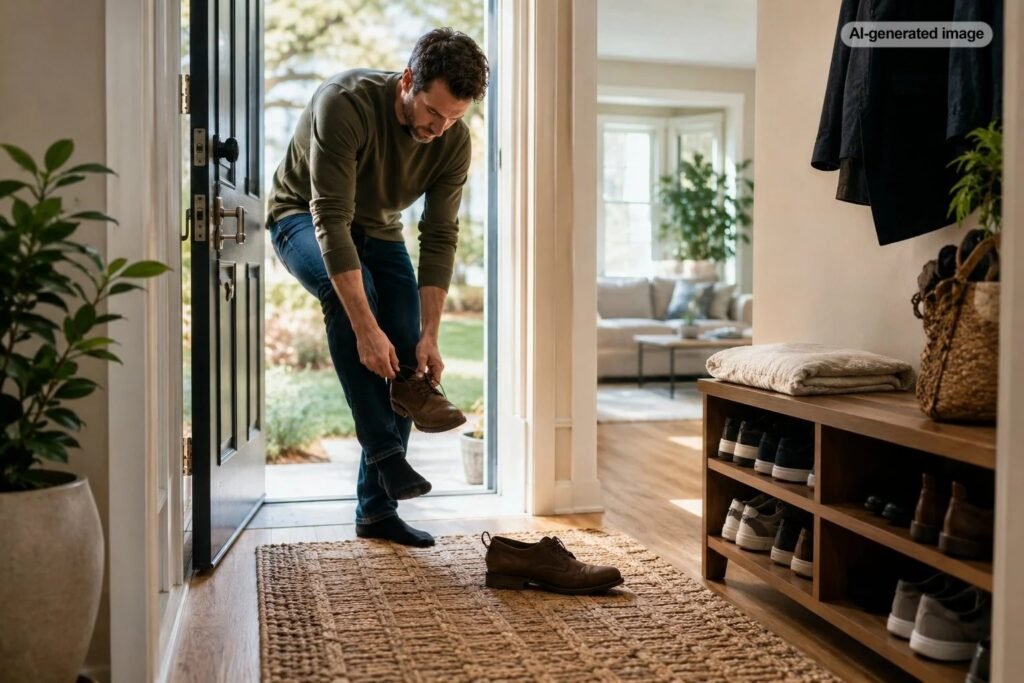
Removing shoes at the door can reduce tracked-in dust and contaminants. Here is what it can - and cannot - do for indoor air…
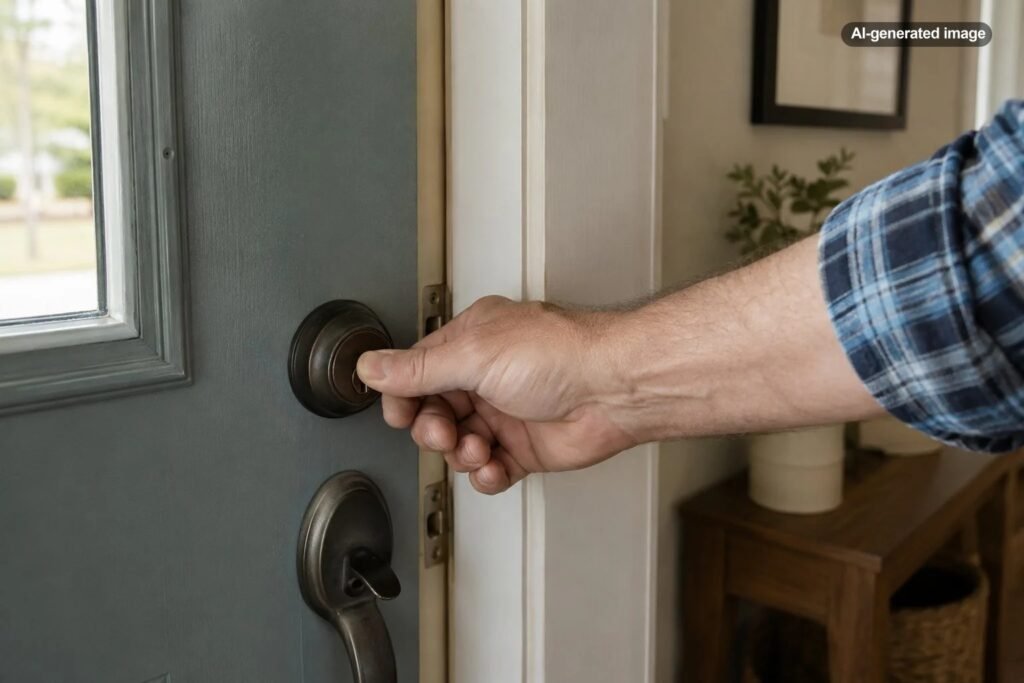
A hard-to-turn deadbolt usually points to door alignment, a tight strike plate, loose hardware, dirt, or wear. Learn how to find the cause.
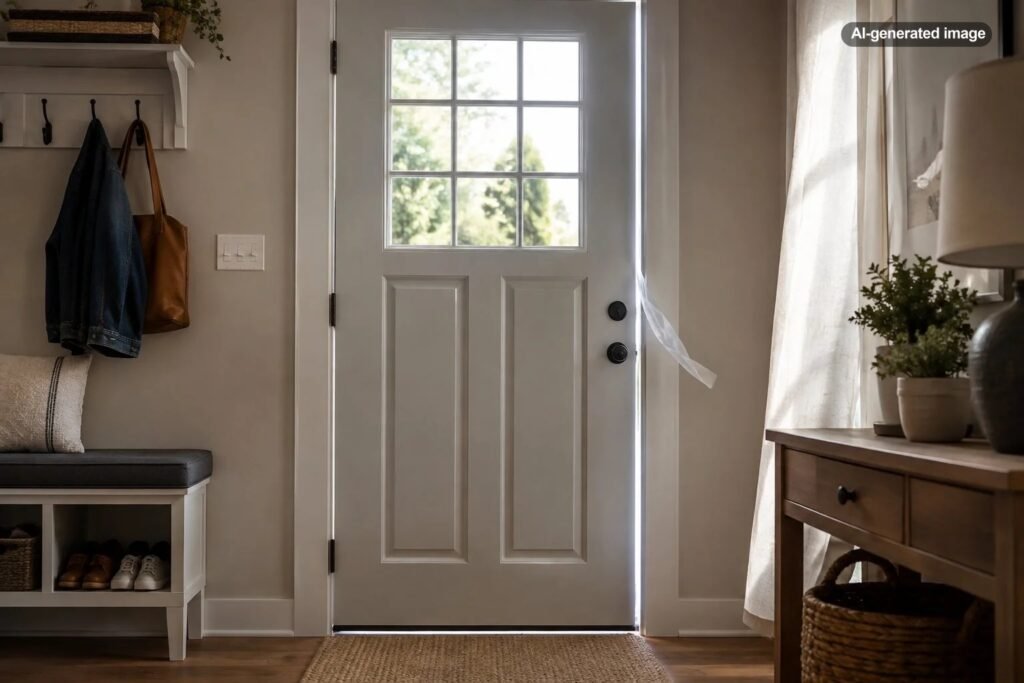
Find out why an exterior door leaks air around the edges, how to pinpoint the gap, and which weatherstripping or adjustments may fix it.
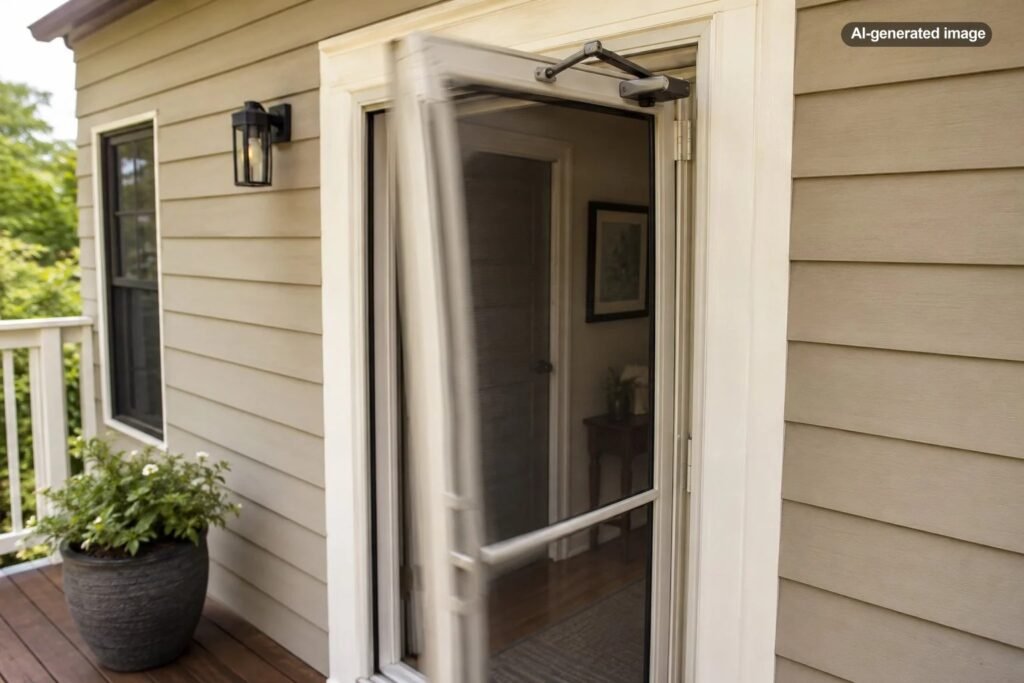
A screen door may slam because of a fast closer, poor alignment, worn hardware, excess spring tension, or changes in wind and temperature.