Home Care
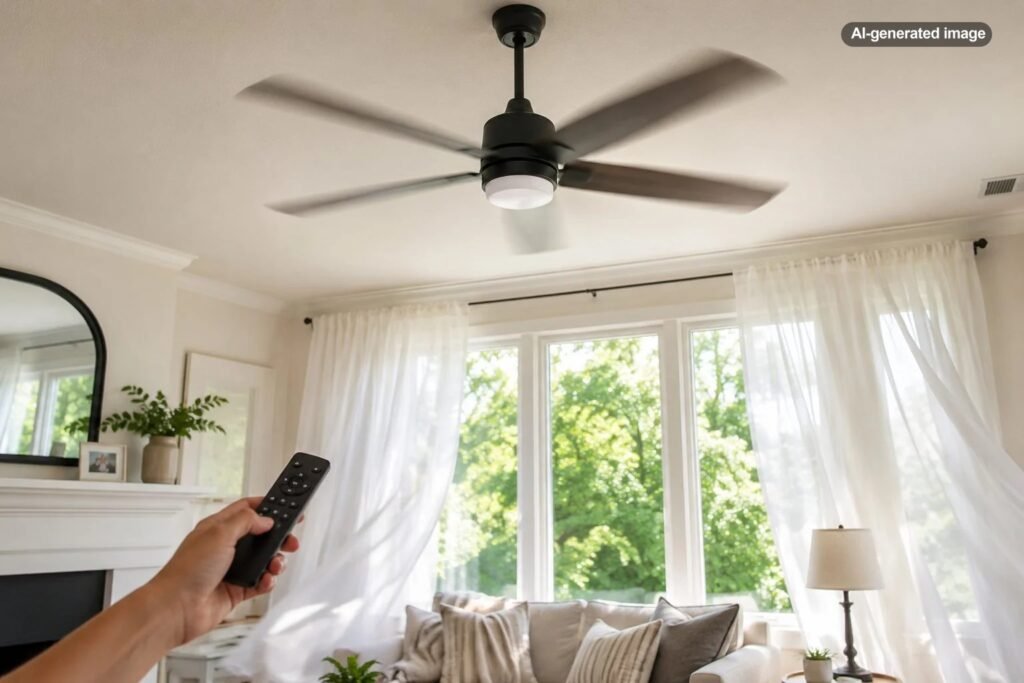
What Direction Should a Ceiling Fan Turn in Summer?
A ceiling fan should usually turn counterclockwise in summer. Learn how to check airflow, reverse your fan, and use it more effectively.
The Crane Manor collection
A ceiling fan should usually turn counterclockwise in summer. Learn how to check airflow, reverse your fan, and use it more effectively.
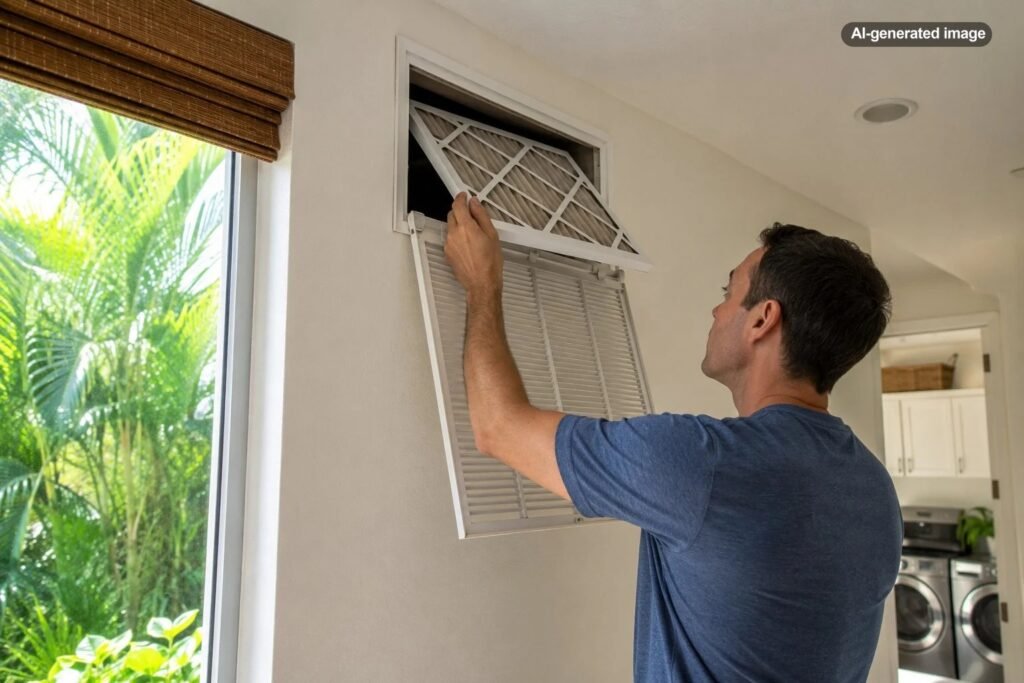
In a humid climate, check your HVAC filter monthly and replace it when dirty. Learn what can shorten filter life and what warning signs…
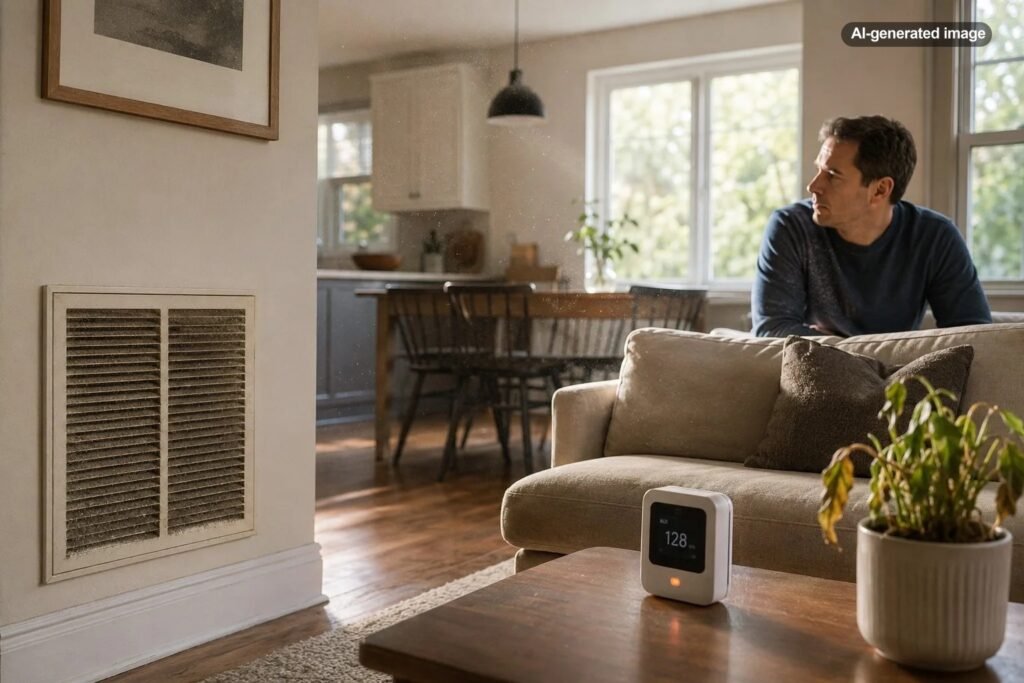
Learn the signs of poor indoor air quality, what may cause them, which hazards require testing, and practical steps to improve the air in…
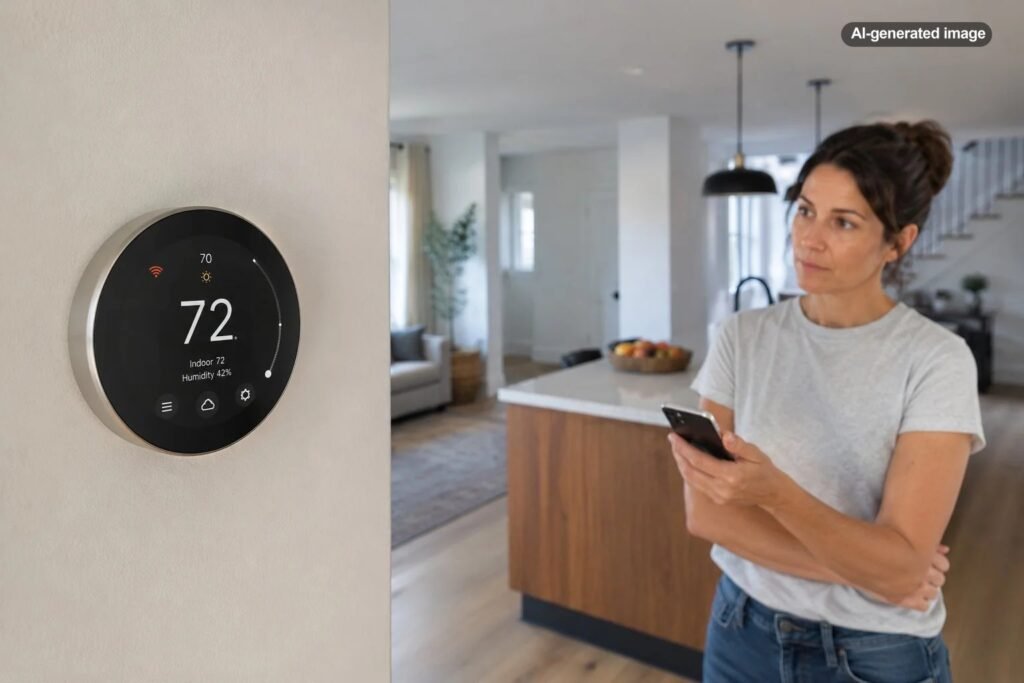
A smart thermostat usually keeps controlling heating and cooling without Wi-Fi, but remote app controls and some connected features stop working.
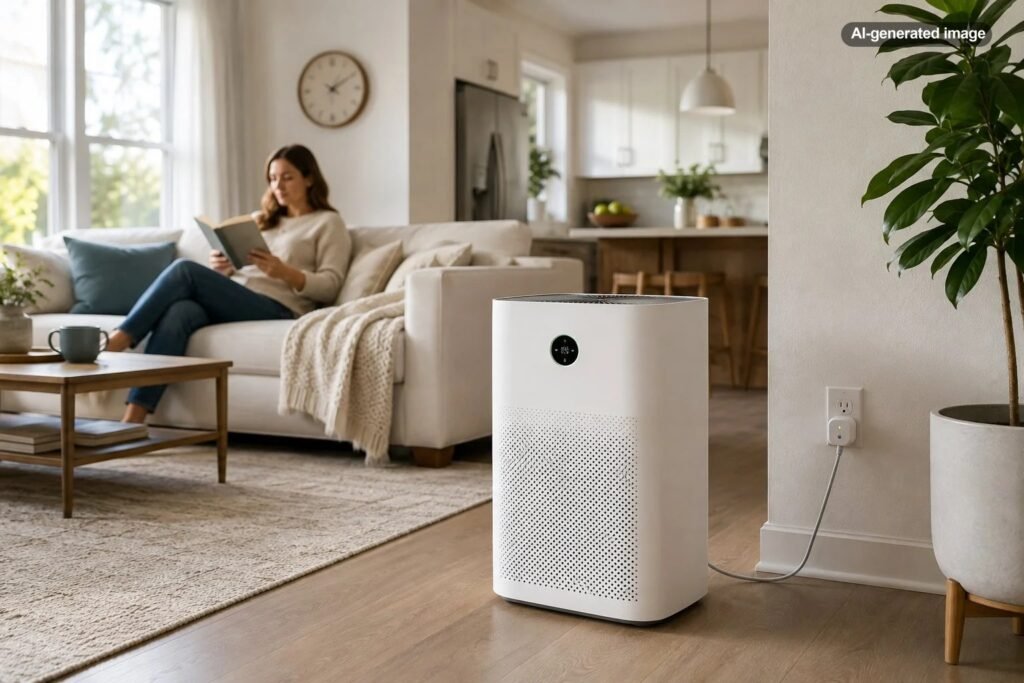
Should an air purifier run all day? Learn when continuous operation makes sense, when to turn it down, and how placement and filters affect…
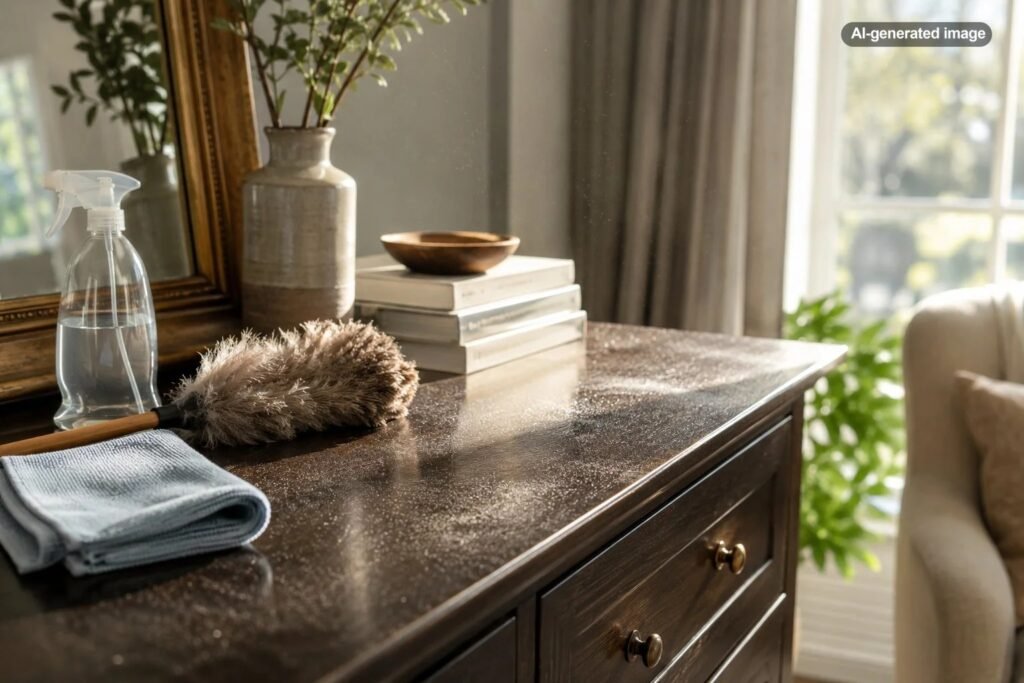
Dust returns quickly because particles are constantly entering, settling, and being stirred up. Learn how to slow the cycle and clean more effectively.
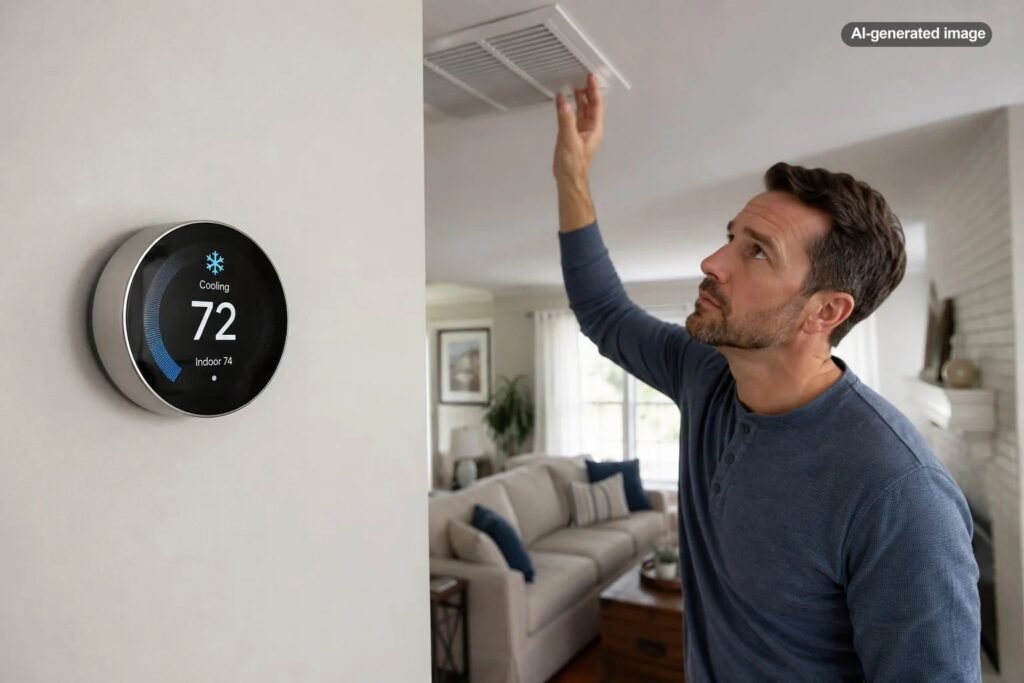
If your smart thermostat says the AC is running but nothing happens, check delays, settings, power, wiring, and common HVAC problems in this order.
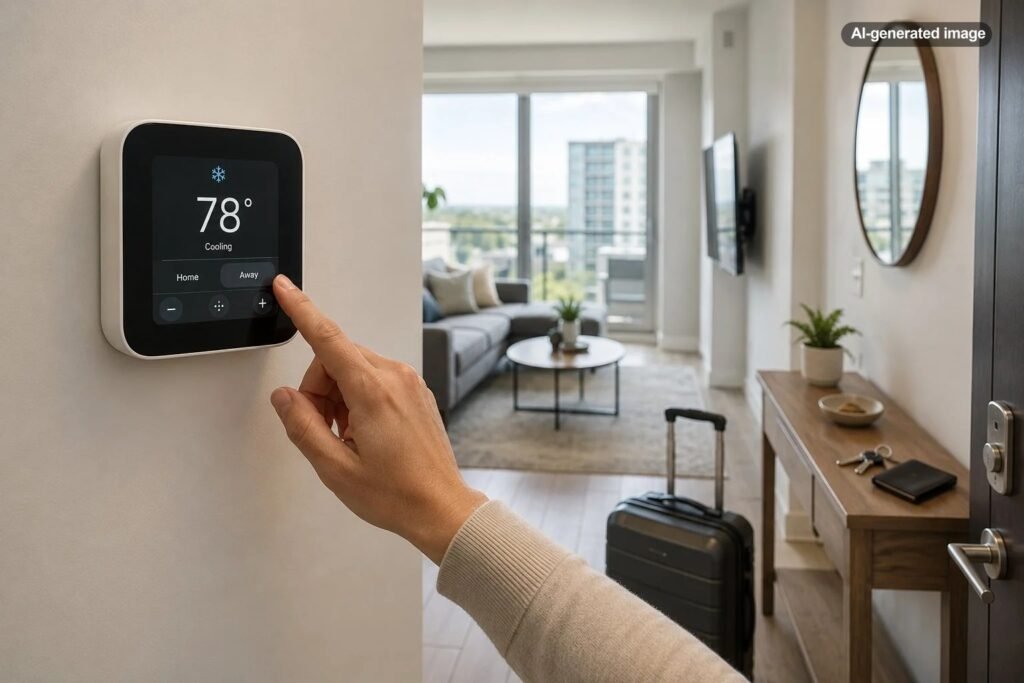
Learn what temperature to set a condo thermostat while away, with practical summer, winter, humidity, HVAC, and smart thermostat guidance.
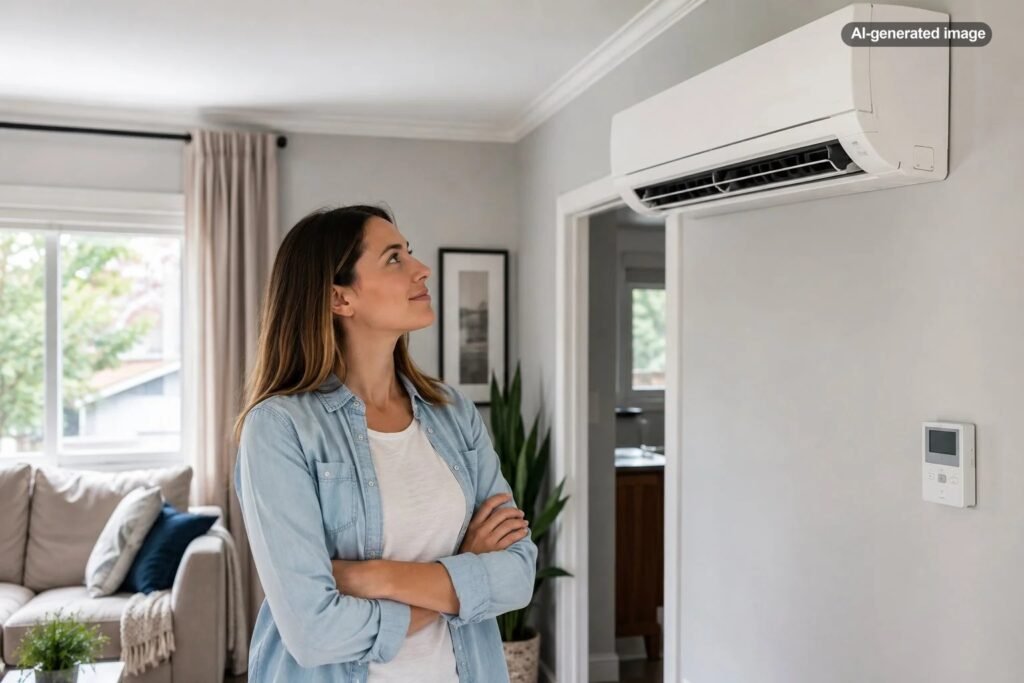
A sweet AC smell can come from refrigerant, moisture, or household chemicals. Learn how to narrow down the cause and when to call an…
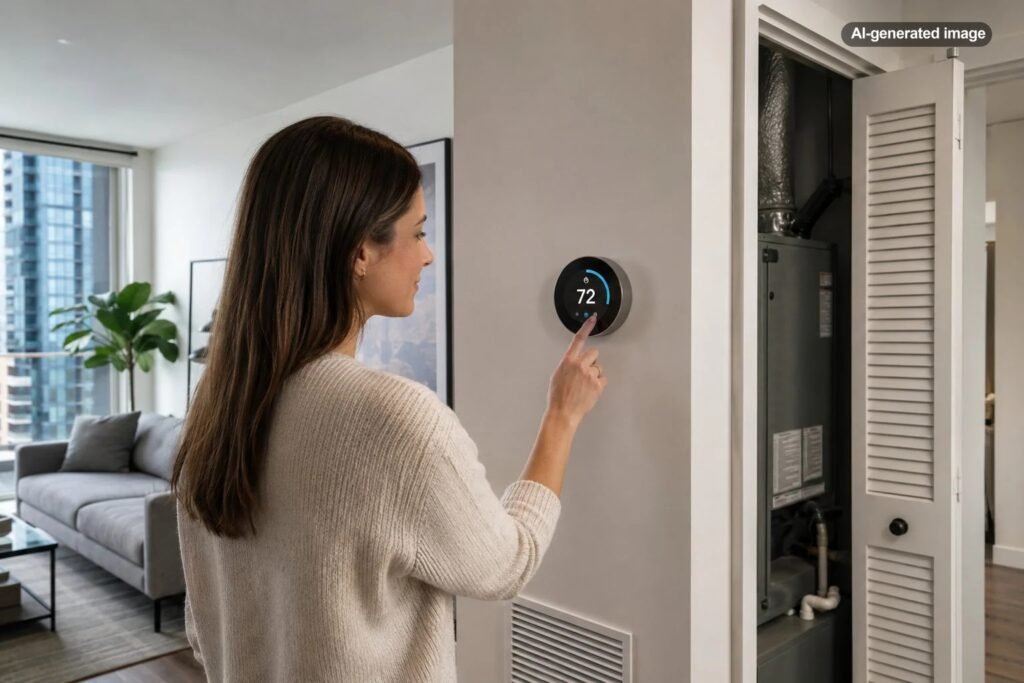
A smart thermostat can work in many condos, but HVAC type, voltage, wiring, fan controls, zoning, and building rules determine compatibility.
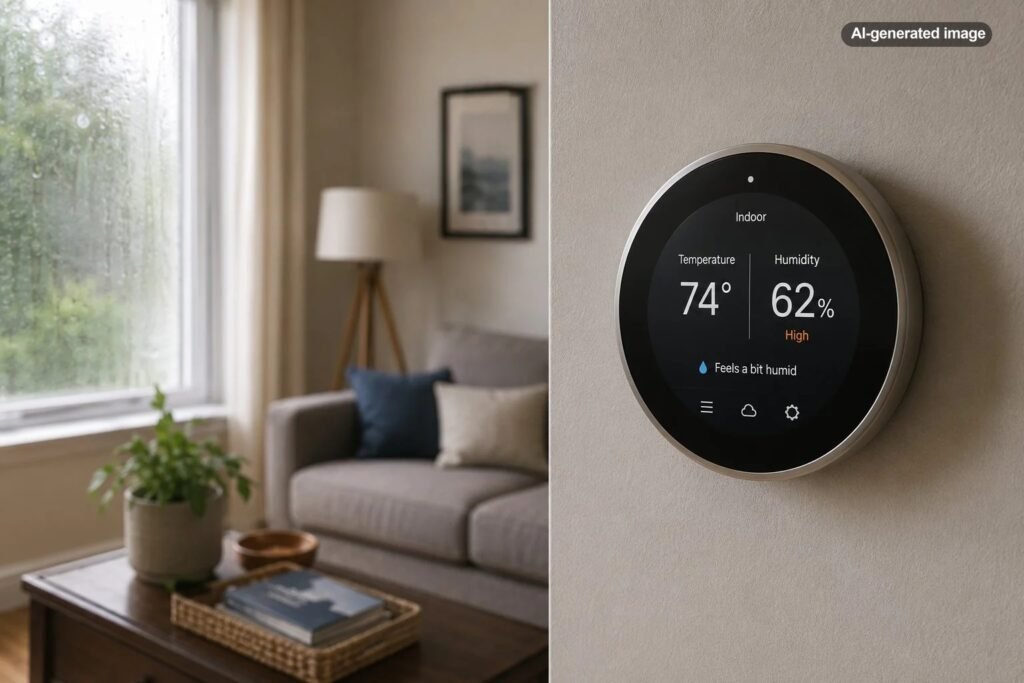
Learn how smart thermostats detect indoor humidity, what high readings mean, and when your HVAC system can help control excess moisture.
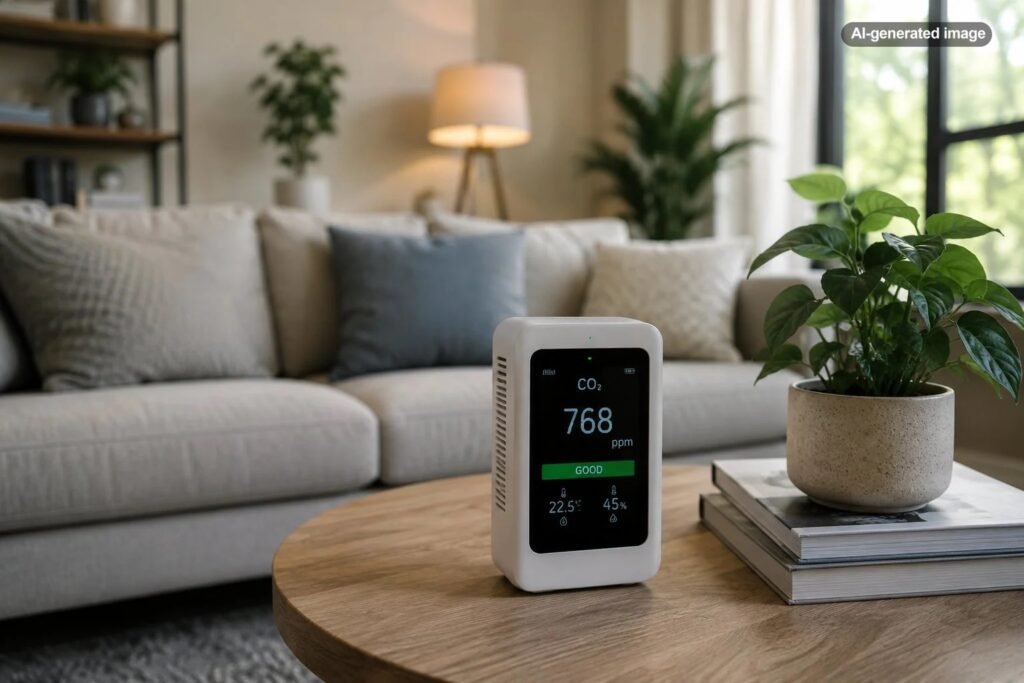
Indoor air quality monitors can be useful when their readings lead to action. Learn what they measure, their limits, and how to choose one.