

Smart Home
Where Should You Place an Air Purifier in a Bedroom?
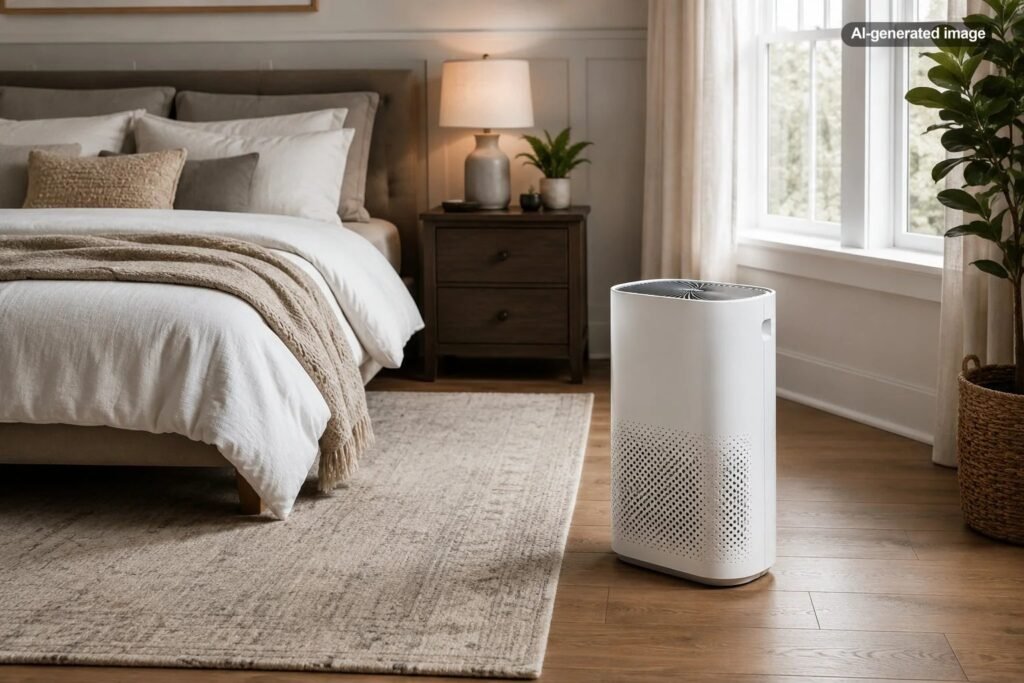
Place a bedroom air purifier where airflow stays unobstructed, away from walls and curtains, and close enough to your bed to clean the breathing…
The Crane Manor collection
Place a bedroom air purifier where airflow stays unobstructed, away from walls and curtains, and close enough to your bed to clean the breathing…
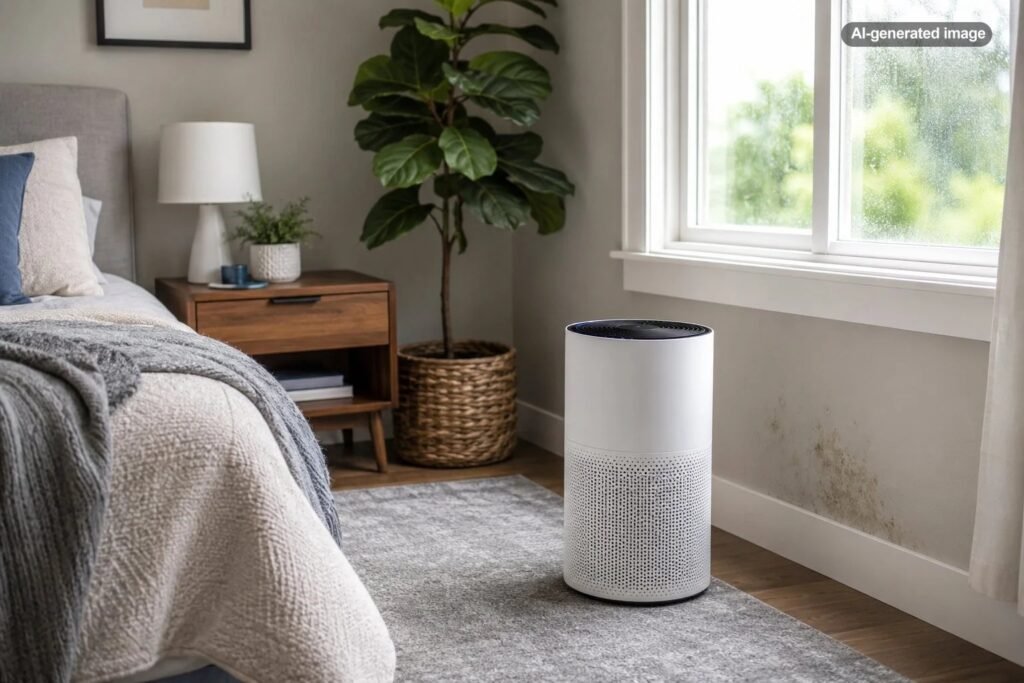
Air purifiers can capture some airborne mold spores, but they cannot stop mold growth. Learn what filtration can do and how to fix the…
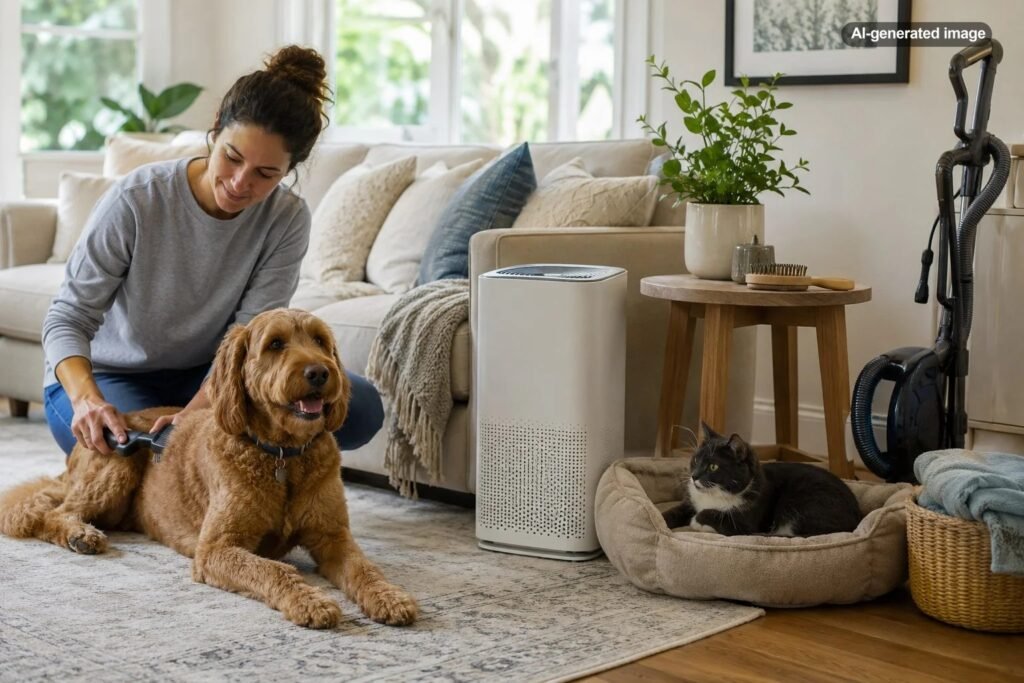
Improve indoor air quality with pets through better cleaning, filtration, ventilation, humidity control, and thoughtful pet-free zones.
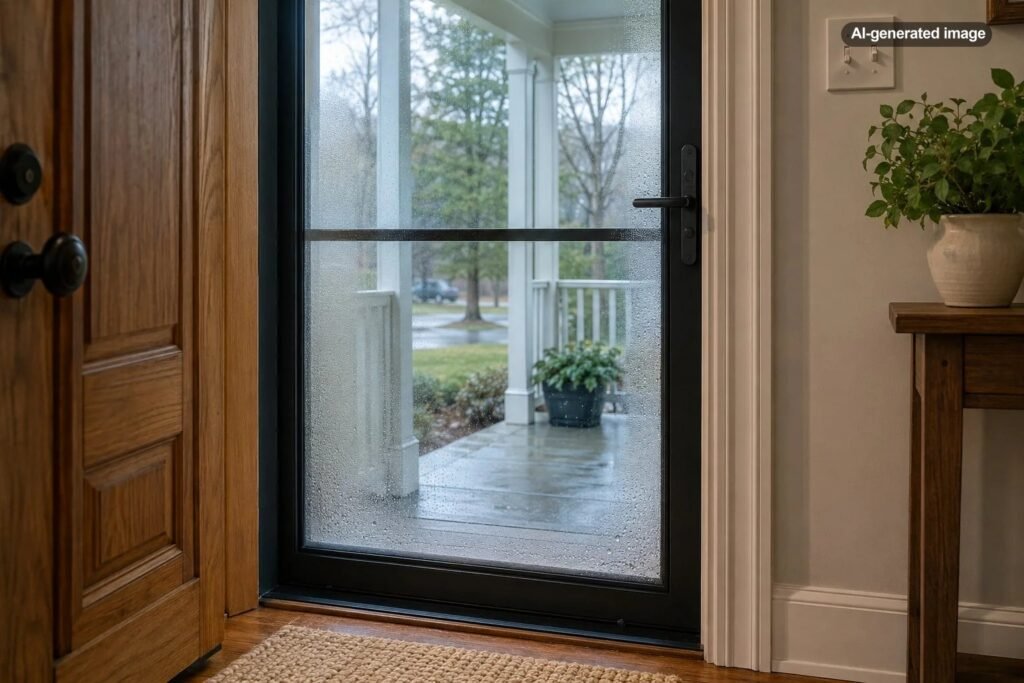
Learn why condensation forms on a storm door, how to identify the moisture source, and when persistent water signals a repair problem.
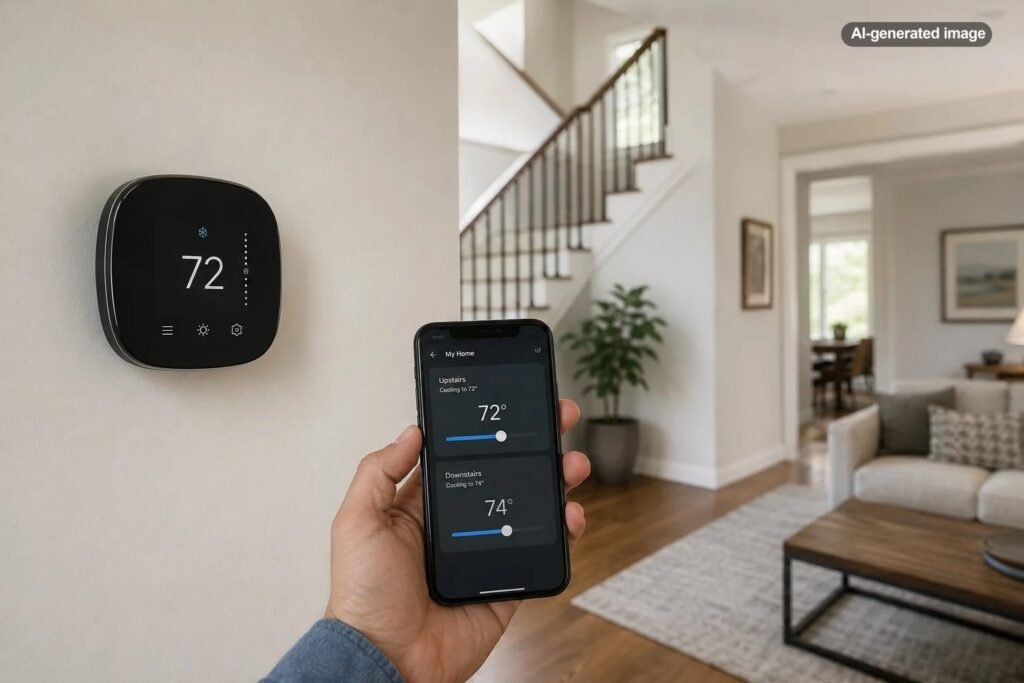
A smart thermostat can work with zoned HVAC, but compatibility depends on the zone panel, wiring, dampers, equipment, and number of thermostats.
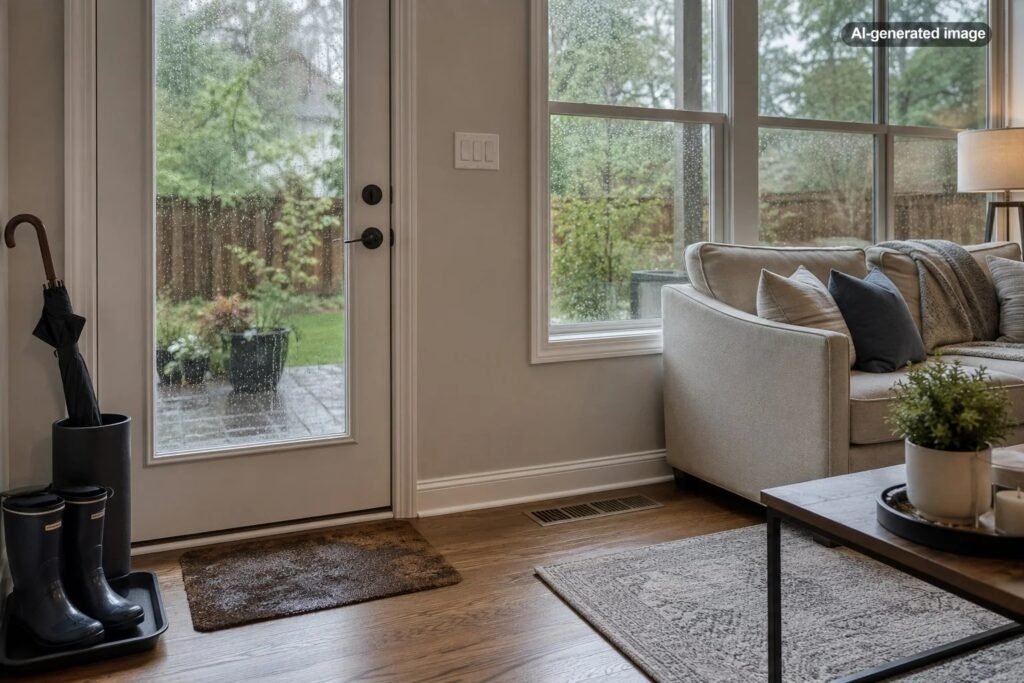
Rain can reveal hidden moisture, mold, drains, soil odors, and ventilation issues. Learn how to identify the source and when to call a professional.
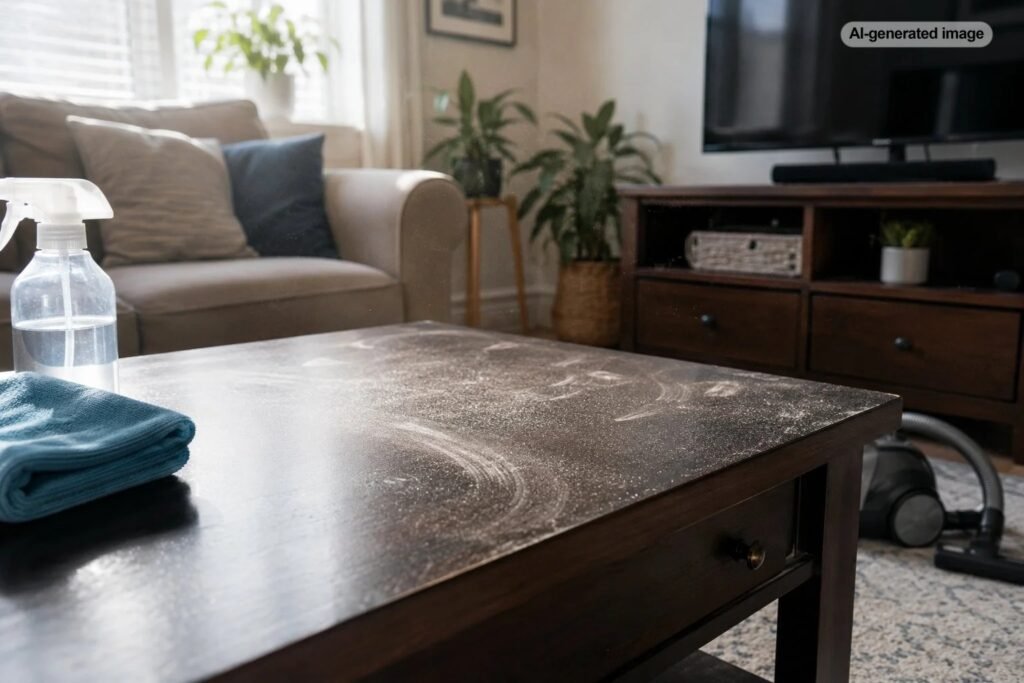
Dust returning overnight usually points to airborne particles, cleaning technique, fabrics, outdoor air, pets, or an HVAC filtration issue.
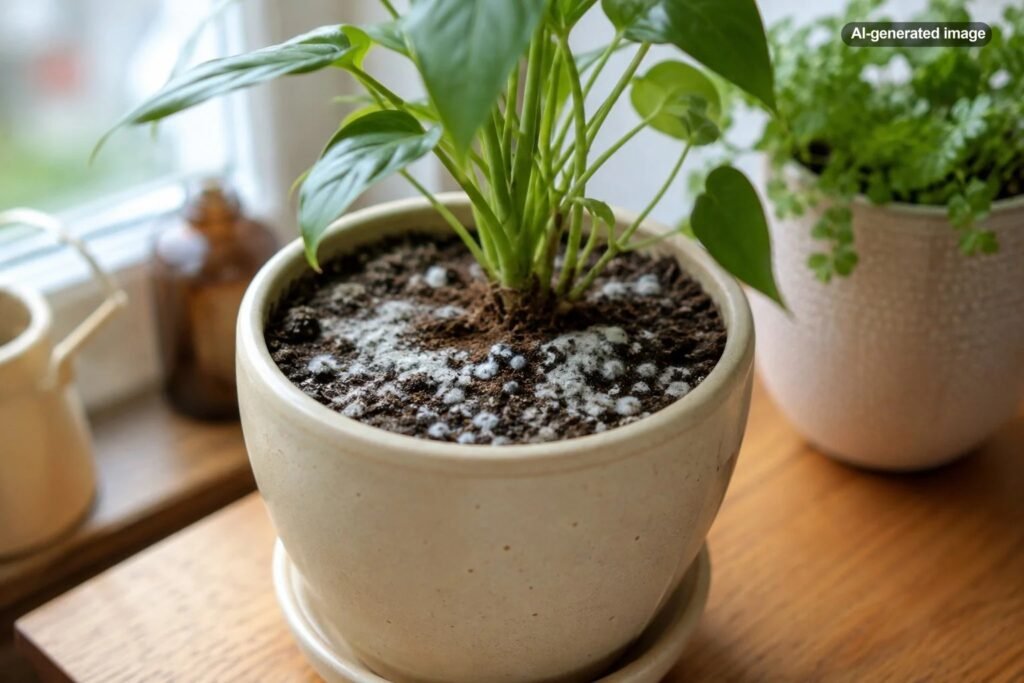
Mold on houseplant soil usually points to excess moisture. Learn what causes it, how to remove it, and when your plant needs more help.
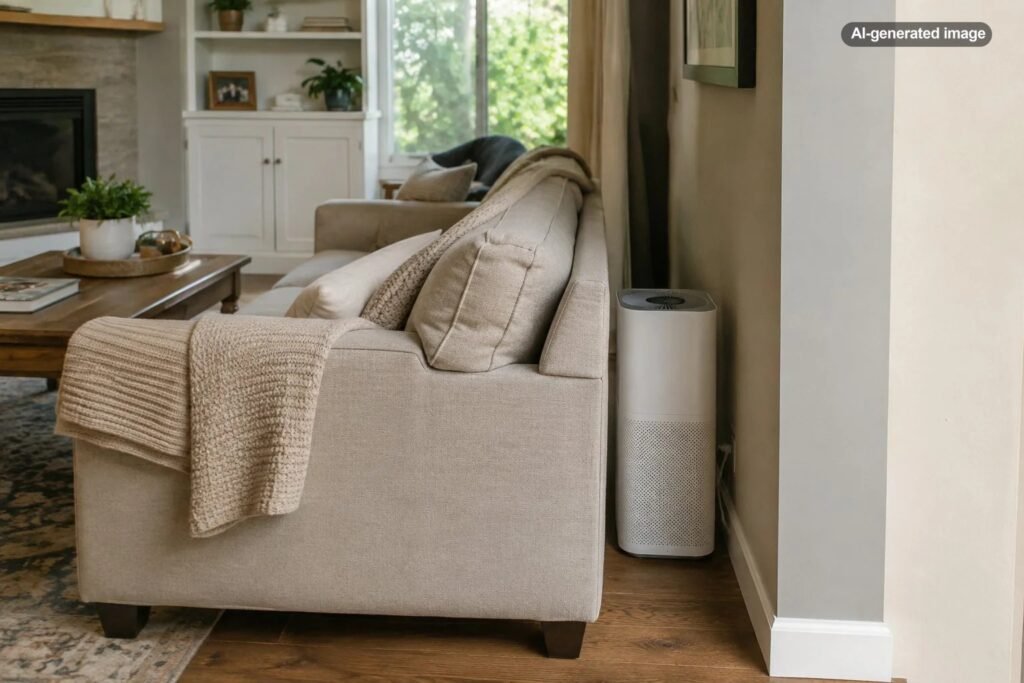
You can place an air purifier behind a sofa only if its intake and outlet remain unobstructed. Learn how much clearance and airflow matter.
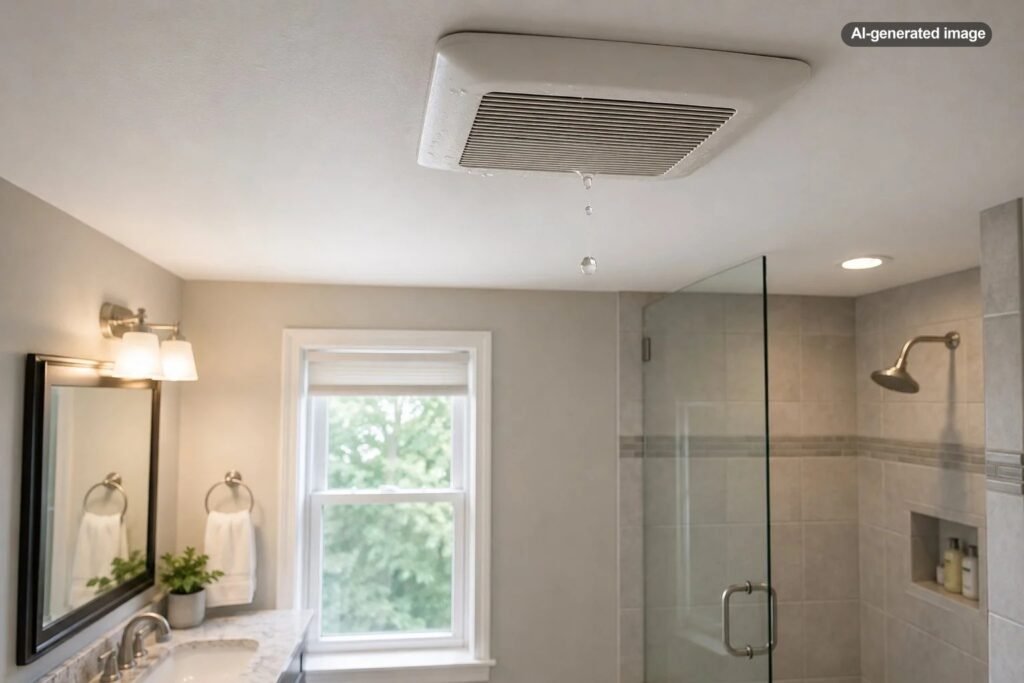
A dripping bathroom exhaust fan usually signals condensation, a blocked vent, or an exterior leak. Learn how to identify the cause and fix it.
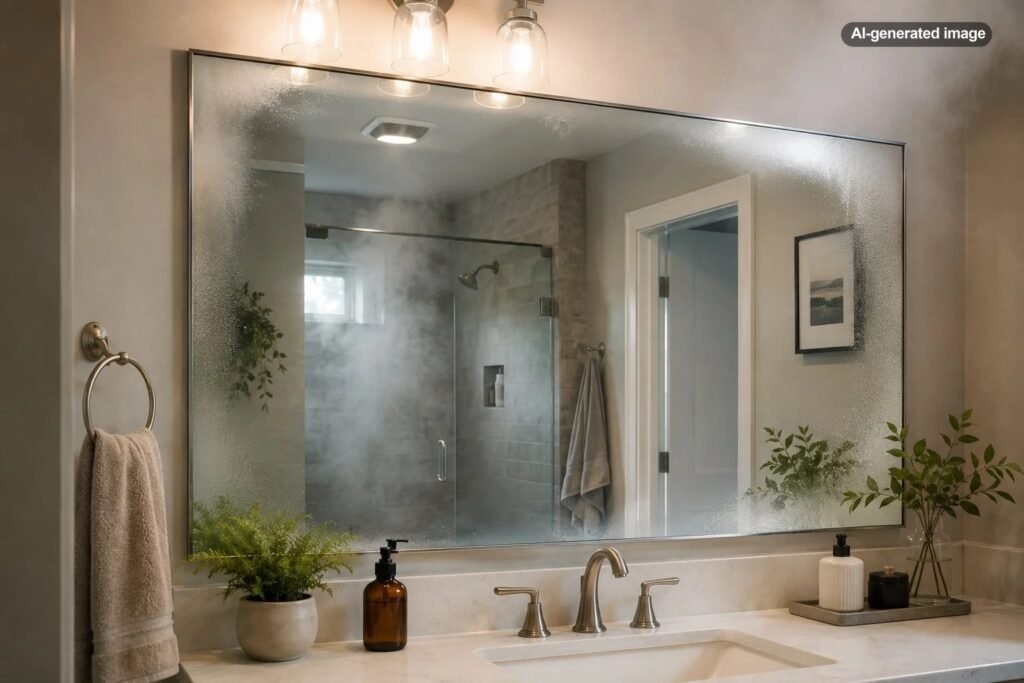
Keep your bathroom mirror clear with better ventilation, simple shower habits, anti-fog treatments, and solutions for persistent condensation.
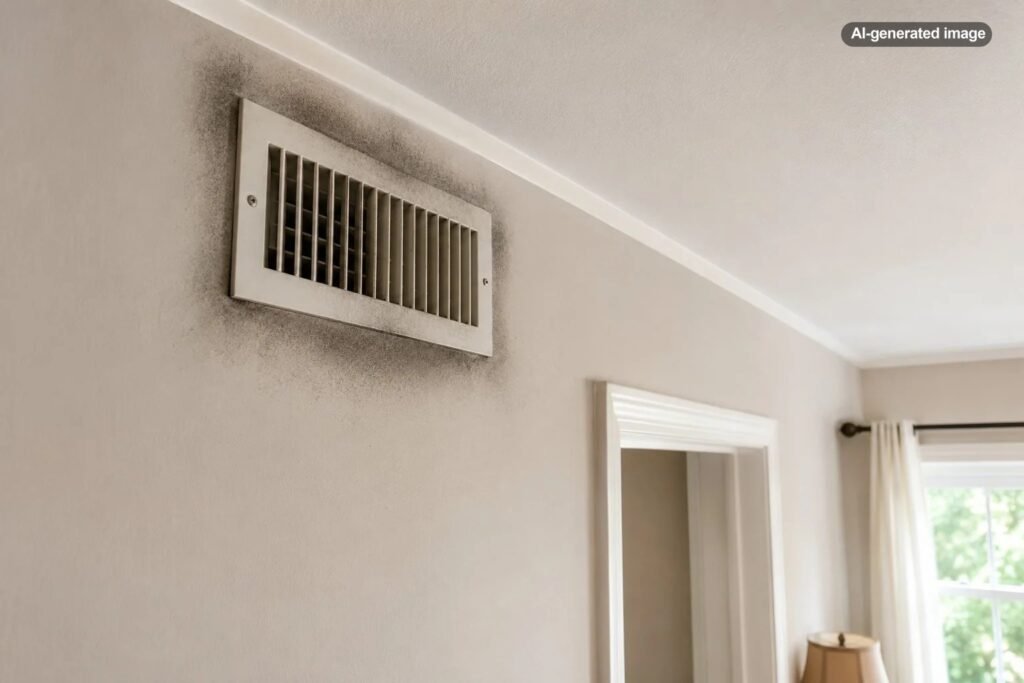
Black dust around air vents is often ordinary household soot or dust, but moisture, filter gaps, and HVAC problems can also be responsible.