How Often Should You Run Water in an Unused Sink or Shower?
An unused sink or shower should generally have water run through it every few weeks, with about once a month being an easy household routine for fixtures that rarely see use. The goal is not to exercise the faucet for its own sake. It is to replace water that can gradually evaporate from the plumbing trap beneath the fixture.
That small reservoir of water forms a seal between the room and the drainage system. When a fixture sits unused long enough, evaporation can reduce the seal, sometimes allowing unpleasant drain odors into the room. There is no single universal calendar interval that applies to every home, so warm conditions, dry indoor air, and very long periods of nonuse may justify checking the fixture more frequently.
Why an unused drain needs water
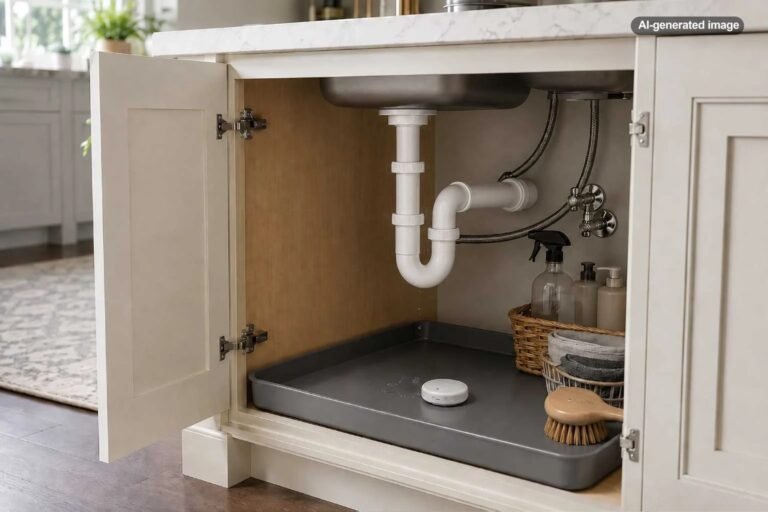
Sinks and showers normally connect to a trap, the curved portion of the drainage system designed to retain a liquid seal. Plumbing codes specifically recognize the importance of maintaining trap seals because they help prevent gases from the drainage system from entering occupied spaces.
Regularly used fixtures replenish that water automatically. A bathroom sink used every morning, for example, rarely needs special attention for this reason. A shower in a guest suite that goes untouched for months is different. With no new water entering the drain, the trap depends entirely on the water already sitting inside it.
Evaporation happens gradually, which is why this problem can seem to appear out of nowhere. A room may smell perfectly normal for weeks and then develop a distinctly drain-like odor after an extended period of nonuse.
An unused plumbing fixture still has one small maintenance job: keeping water in its trap.
Is once a month enough?
For many homes, checking seldom-used sinks and showers approximately once a month is a practical starting point. That is a housekeeping recommendation rather than a universal plumbing-code interval. The actual rate at which a trap loses water depends on the fixture, indoor conditions, airflow, and how long the room remains unused.
If a fixture is in a warm utility area, an especially dry conditioned space, a seasonal property, or another location that remains untouched for long periods, it is sensible to inspect it sooner. Conversely, a guest shower that gets used every couple of weeks is already replenishing its trap naturally and usually does not need a separate routine.
How to refresh an unused sink or shower
You do not need a complicated plumbing ritual. The objective is simply to send fresh water through the fixture and into its trap.
What to do
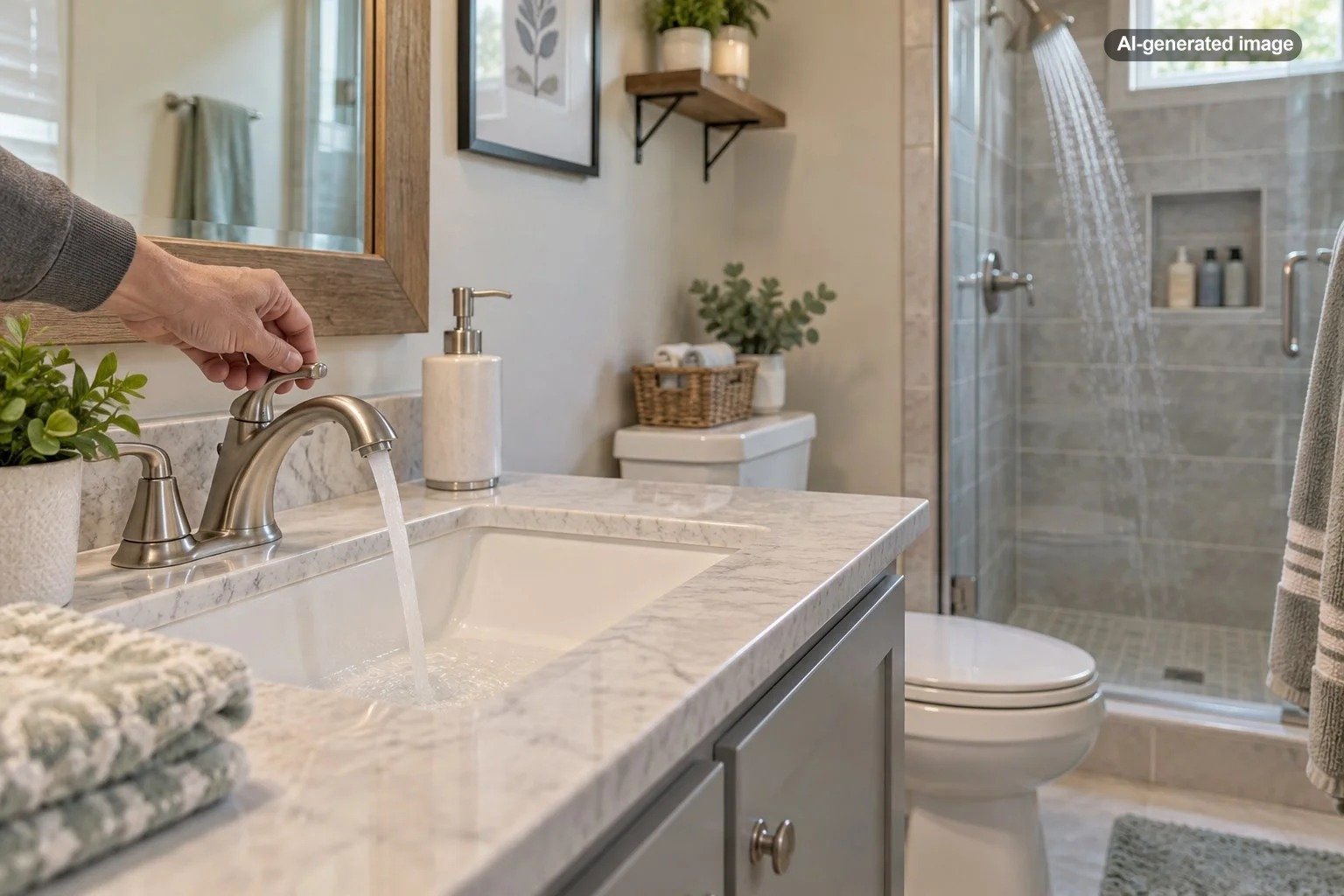
- Turn on the sink faucet or shower normally.
- Let water flow long enough that it is clearly entering the drain rather than merely wetting the basin or shower floor.
- Watch that the fixture drains normally without backing up or pooling excessively.
- Turn the water off and look around the fixture for dripping, moisture, or other signs of a leak.
- If the room is rarely visited, add the fixture to a recurring monthly home-maintenance check.
This routine also gives shutoff valves, faucets, shower controls, and drains an occasional visual check. The main purpose remains maintaining the water seal, but discovering a developing plumbing problem in a seldom-used room is a useful side benefit.
What if the drain already smells?
If an unused sink or shower develops an odor, running water is a reasonable first step. A dry or depleted trap is one of the simpler explanations, particularly when the fixture has not been used for a long time.
If the smell disappears and stays away after the trap has been replenished, continued periodic use may be all that is needed. If the odor returns quickly, remains after water has been run, or appears around a regularly used fixture, the cause may involve something other than ordinary evaporation.
Do not assume every drain odor is simply a dry trap. Plumbing venting, drain connections, trap installation, leaks, buildup within the fixture, or other drainage-system issues can also contribute to odors. Persistent symptoms deserve diagnosis rather than an ever-increasing schedule of pouring water down the drain.
What about a home that will be vacant for months?
Extended vacancy deserves more planning than simply running each fixture once before leaving. Trap seals can be subject to evaporation, and plumbing codes include methods specifically intended to protect certain traps from that loss. Depending on the property and fixture, a plumber may recommend an appropriate trap-seal protection strategy rather than relying on someone periodically visiting the home.
This is particularly relevant for seasonal homes, rarely occupied lower levels, remote guest buildings, and properties undergoing long renovations. The appropriate solution depends on the plumbing configuration and local requirements, so permanent devices or plumbing alterations should be selected and installed according to applicable instructions and codes.
Do not forget other seldom-used drains
Sinks and showers are easy to remember because they are visible, but they are not necessarily the only trapped fixtures in a home. Floor drains and other little-used drains can also depend on a maintained trap seal. Some plumbing systems use trap primers or approved trap-seal protection devices where evaporation is a concern.
If you repeatedly notice an odor in a basement, laundry area, mechanical room, or another space containing a floor drain, identifying every drain in the room can be more useful than concentrating only on the nearest sink.
A simple routine for guest bathrooms and spare spaces
The easiest approach is to combine drain maintenance with tasks you already perform. When checking a guest bedroom, cleaning a spare bathroom, inspecting a basement, or preparing a seasonal home, run each rarely used sink and shower and make sure it drains normally.
A monthly reminder is frequent enough to be memorable without turning a simple task into constant maintenance. Adjust that rhythm based on what you observe. If the fixture is used naturally during the month, there is no need to run it again merely to satisfy a calendar reminder.
The important distinction is between a fixture that is merely unused and one showing evidence of an actual plumbing problem. The first usually needs only occasional water. The second needs a cause.
Frequently asked questions
Can an unused sink smell even when it is clean?
Yes. Surface cleanliness and the water level in the plumbing trap are separate issues. A spotless sink can develop a drain odor if its trap seal is depleted after a long period without use.
Should I run hot or cold water?
For the purpose of replenishing the trap, ordinary clean water is what matters. There is generally no need to waste hot water simply to refresh an unused drain.
Should I pour chemicals into an unused drain?
Not simply because the fixture has been sitting unused. If the issue is an evaporated trap seal, water addresses the immediate problem directly. Avoid treating an unexplained odor with drain chemicals before understanding its cause.
What if the smell comes back within days?
That is a reason to look beyond ordinary long-term evaporation. If a properly filled trap appears to lose its seal unusually quickly, or if other drainage symptoms are present, have the plumbing evaluated.