

Why Does My House Smell Better With the Windows Open?
Your house probably smells better with the windows open because outdoor air dilutes the odor-producing compounds, moisture, and everyday pollutants that have accumulated indoors. The moving air also carries some of them outside. When you close the windows, the original sources remain, so the stale, musty, chemical, cooking, or pet-related smell gradually returns.
This is common and does not automatically mean something serious is wrong. Homes continuously collect scents from cooking, fabrics, cleaning products, pets, stored belongings, drains, damp materials, and human activity. Modern homes may also exchange relatively little air with the outdoors unless they have dedicated mechanical ventilation.
What opening the windows actually changes
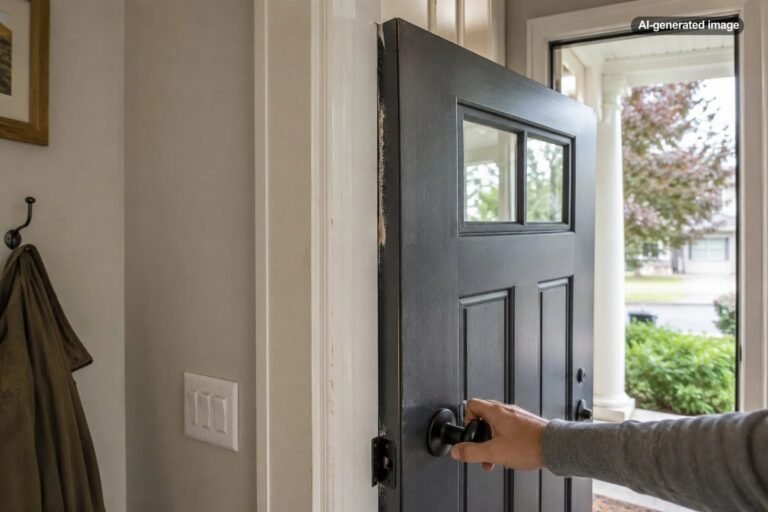
Opening windows increases natural ventilation. Indoor air moves out while outdoor air enters, reducing the concentration of airborne odors and pollutants produced inside the house. Cross-ventilation usually works more quickly: opening windows on different sides of a room or home gives air a clearer route through the space.
The effect can feel dramatic because the human nose adapts to familiar smells. After spending time outside, you may notice your home’s baseline odor more readily when you return. Opening the windows changes that baseline by replacing some of the indoor air rather than merely covering it with fragrance.
Ventilation can also lower indoor humidity when the outdoor air is drier. That matters because damp towels, bath mats, laundry, carpet padding, closets, and other slow-drying materials can produce musty odors. The opposite is possible in hot, humid weather: bringing humid outdoor air inside may make moisture control harder, even if the immediate breeze smells pleasant.
The most likely sources of a closed-house smell
The character and location of the odor offer useful clues. Start with common, localized causes before assuming the entire house has an air-quality problem.
| Odor pattern | Likely places to inspect | Practical first step |
|---|---|---|
| Stale or stuffy | Closed bedrooms, crowded closets, upholstered furniture | Air the space and clean fabrics and dusty surfaces |
| Musty or earthy | Bathrooms, laundry areas, basements, cabinets near plumbing | Look for damp materials, leaks, or recurring condensation |
| Cooking odor | Range hood, cabinet surfaces, filters, nearby textiles | Use an exterior-venting hood and clean greasy residue |
| Sour or organic | Trash cans, disposals, drains, pet areas, forgotten food | Remove the source and wash the surrounding surface |
| Perfumed or chemical | Cleaners, air fresheners, paint, hobby supplies, stored products | Reduce product use, close containers, and follow label ventilation directions |
| Dusty when HVAC runs | Filter, return grilles, supply registers, nearby construction dust | Check the filter and inspect accessible grilles without opening equipment |
Soft materials deserve particular attention. Curtains, rugs, upholstered seating, bedding, decorative pillows, and pet beds absorb cooking oils, smoke, body oils, and fragrance. Opening a window temporarily lightens the room’s air, but the fabrics can begin releasing their stored odor again once the air becomes still.
How to narrow down the cause
A room-by-room approach is more productive than spraying fragrance throughout the house. Added scent may change what you smell without removing the material producing it.
What to do
- Close interior doors for a few hours. Reenter each room separately and note where the odor is strongest.
- Check the obvious sources. Inspect trash, laundry, pet bedding, food storage, drains, damp towels, houseplant saucers, and cleaning supplies.
- Use your exhaust fans. Confirm that bathroom and kitchen fans operate, and use them during showering and cooking. A recirculating range hood filters some material but does not exhaust indoor air outdoors.
- Look for moisture. Check beneath sinks, around toilets, beside tubs, behind movable furniture on exterior walls, and near windows where condensation appears.
- Clean rather than perfume. Launder washable fabrics, wipe dusty or greasy surfaces, vacuum suitable upholstery, and clean waste containers.
- Observe when the odor returns. A smell tied to rain, HVAC operation, showering, cooking, or an unused drain provides a much better diagnostic clue than intensity alone.
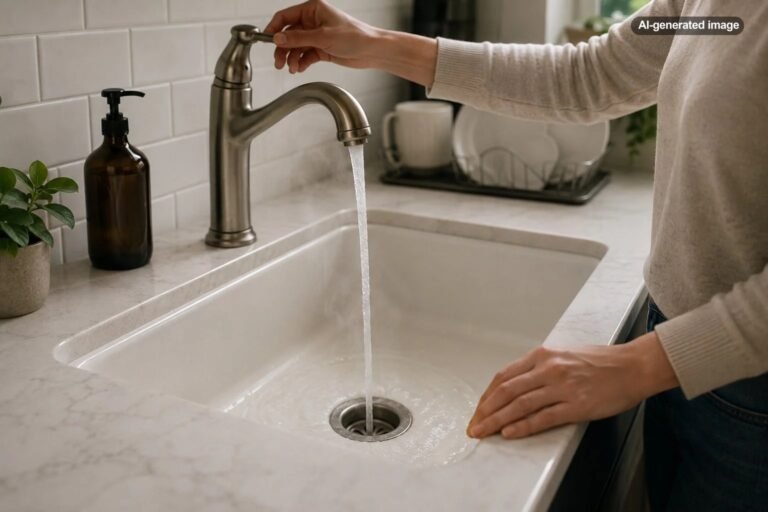
For a little-used drain, restoring water to a dry trap may resolve a sewer-like odor. If the smell persists, affects several fixtures, or is accompanied by slow drainage or gurgling, a plumber should evaluate the system rather than having the odor repeatedly masked.
Why ventilation alone is not a permanent solution
Ventilation is one of three broad indoor-air strategies: controlling the source, introducing outdoor air, and filtering appropriate airborne particles. Source control is usually the strongest long-term move. That might mean repairing a leak, removing spoiled material, cleaning grease from kitchen surfaces, drying wet textiles promptly, or storing household chemicals according to their labels.
Filtration has a different job. A suitable HVAC filter or portable air cleaner may help capture airborne particles, but ordinary particle filters are not designed to solve every gaseous odor. A clean filter also cannot compensate for an active moisture problem, a dirty trash cabinet, or a bathroom fan that never exhausts damp air.
Fresh air is useful evidence: if the smell returns when the windows close, the house is pointing back toward a source that still needs attention.
Weather matters as well. Keep windows closed when outdoor smoke, heavy pollution, high pollen, or extreme humidity would make indoor conditions worse. During those periods, source control, properly vented exhaust fans, moisture management, and suitable filtration become more important.
When the odor deserves closer attention
A recurring smell is worth investigating when it is confined to one wall, cabinet, room, or HVAC cycle; becomes stronger after rain; accompanies visible staining; or returns quickly after cleaning. These patterns may indicate a hidden moisture source, contaminated material, a plumbing problem, or an issue within a home system.
If several occupants experience irritation, headaches, dizziness, or nausea that improve away from the property, leave the affected area and seek appropriate medical and professional guidance. The smell itself cannot identify a pollutant or establish whether the home is safe.
How to keep the house fresher after the windows close
- Run exterior-venting kitchen and bathroom fans during odor- and moisture-producing activities.
- Dry towels, bath mats, and laundry fully instead of leaving them in still, enclosed spaces.
- Clean washable textiles and upholstered surfaces on a schedule suited to the household.
- Empty and wash trash, recycling, and compost containers before residue accumulates.
- Keep indoor humidity controlled and investigate repeated condensation or dampness.
- Replace or clean HVAC filters according to the equipment and filter manufacturer’s instructions.
- Use fragranced sprays sparingly; they add compounds to the air and may conceal useful warning odors.
- Ventilate during painting, cleaning, and hobby work whenever outdoor conditions and product directions permit.
Frequently asked questions
Why does the house smell stale after being closed overnight?
Closed bedrooms accumulate moisture, body odors, fragrance, and emissions from furnishings while air movement is limited. Morning ventilation, laundering bedding, and ensuring the HVAC or ventilation system operates properly can help.
Can a clean house still smell stuffy?
Yes. Cleanliness and ventilation are related but different. A tidy room can still contain humid air, scented-product emissions, cooking residue in fabrics, or insufficient air exchange.
Should I open windows every day?
Short periods of ventilation can be useful when outdoor air quality, security, temperature, and humidity permit. There is no universal schedule because climate, household activity, building design, and outdoor conditions differ.
Will an air purifier remove the smell?
It depends on the odor and the purifier. Particle filtration can help with airborne dust and some allergen-bearing particles, but many smells involve gases or an active source. Remove or correct that source first.