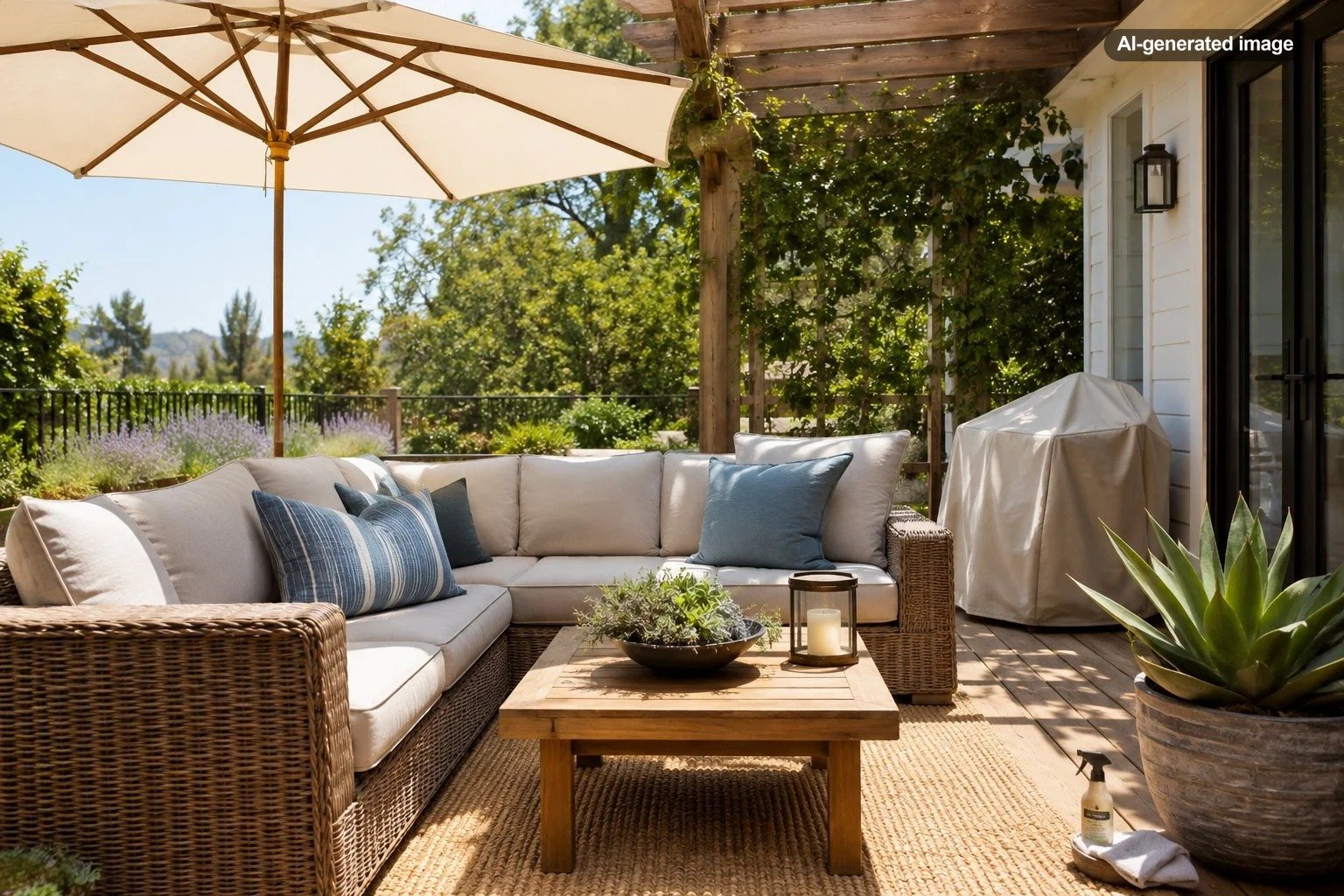
How Do You Keep Outdoor Furniture From Fading in Strong Sun?
To keep outdoor furniture from fading in strong sun, reduce the amount of direct sunlight it receives, cover it between uses when practical, choose materials and fabrics made for prolonged outdoor exposure, and follow the manufacturer’s care instructions for protective finishes. No outdoor material is completely immune to years of intense sun, but controlling exposure can make a substantial difference in how evenly and gracefully furniture ages.
The most effective approach is usually layered rather than complicated: create shade during the brightest part of the day, protect pieces when they are not being used, and pay attention to the materials most vulnerable to visible color change.
Start by reducing direct afternoon sun
Strong, repeated sunlight is the basic problem, so the first question is not which spray or treatment to buy. It is how many hours your furniture spends in direct sun and whether some of those hours can be avoided.
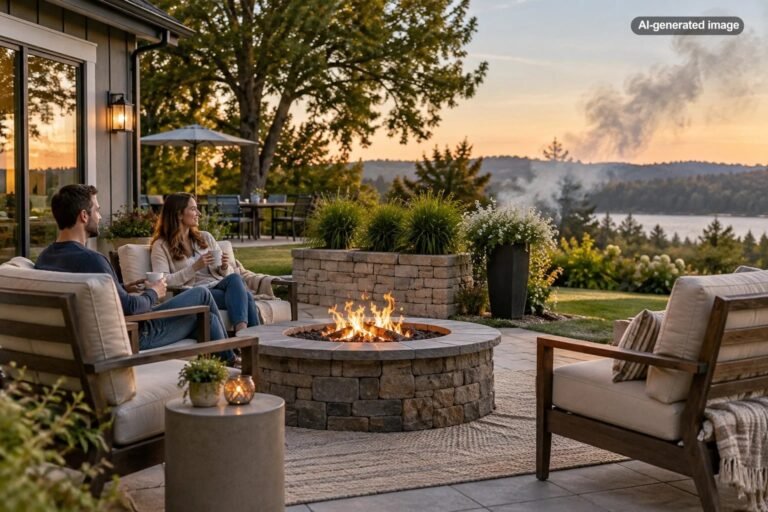
A covered porch, pergola, adjustable umbrella, retractable awning, or strategically placed shade sail can reduce direct exposure without forcing you to hide the furniture whenever the weather is pleasant. On a balcony or small patio, even shifting a chair or loveseat closer to a wall during unused hours may help if that position receives less direct sunlight.
Pay particular attention to late-morning and afternoon exposure. A patio that feels pleasantly shaded at breakfast may be fully exposed later in the day. Check the space at several times before deciding where your most fade-sensitive cushions, rugs, and upholstered pieces should live.
Use covers when furniture is sitting unused
A furniture cover can reduce routine exposure to sun, dirt, and weather when a chair or table is not in use. Fit matters. A cover that is much too large can flap, collect water, or shift in wind, while one that is too tight may be difficult to secure or ventilate properly.
Look for a fastening system that suits the furniture and your weather conditions, and allow airflow rather than sealing damp furniture beneath a cover. Classic Accessories advises looking for features such as secure fastenings and air vents on patio covers. Its Veranda range includes covers intended for outdoor seating in multiple dimensions.
Affiliate disclosure: CraneManor.com may earn a commission when you purchase through links on this page. This does not affect the price you pay. Learn more.
For a compatible lounge chair, a Classic Accessories Veranda cover is one example of a water-resistant patio furniture cover. Measure the chair before buying, secure the cover as directed, and avoid trapping moisture underneath it. Water-resistant should not be treated as a guarantee that moisture can never enter during severe weather.
Choose fade-resistant materials before you fight fading later
If you are buying new outdoor furniture for an unusually sunny patio, material selection deserves as much attention as color and silhouette. Upholstery designed specifically for outdoor use can be constructed to resist UV-related fading more effectively than ordinary indoor fabric.
Sunbrella, for example, describes its outdoor performance fabrics as UV and fade resistant and explains that its color process incorporates UV-stabilized pigments into the fibers. That is useful context when comparing outdoor upholstery: ask how the color is incorporated and whether the fabric manufacturer specifically addresses UV exposure and fade resistance.
Hard furniture needs the same scrutiny. Resin lumber, plastics, painted metal, powder-coated metal, stained wood, and natural wood do not weather identically. Rather than assuming every product labeled outdoor will keep its original appearance indefinitely, read the manufacturer’s care information and ask whether the finish or material is specifically designed to resist UV-related color change.
| Furniture element | What matters in strong sun | Practical approach |
|---|---|---|
| Outdoor upholstery | Fade and UV resistance | Choose fabric specifically intended for outdoor exposure and follow its care directions. |
| Loose cushions | Uneven exposure | Rotate positions and store or cover them when convenient. |
| Wood | Finish condition and natural weathering | Follow the maker’s cleaning and refinishing guidance for that species and finish. |
| Painted or coated frames | Condition of the protective coating | Clean gently and address chips or coating damage according to manufacturer instructions. |
| Plastic or resin furniture | UV resistance of the material | Look for explicit manufacturer information about outdoor and UV performance. |
Do not assume a topical UV protectant works on every surface
Aftermarket UV-protection products can be useful for some materials, but they should not be applied indiscriminately. A treatment appropriate for one plastic, fabric, paint, wood finish, or synthetic weave may be unsuitable for another.
Check both the furniture manufacturer’s care instructions and the protectant label before applying anything. If compatibility is unclear, test only as directed in an inconspicuous area or skip the treatment until the manufacturer can confirm what is suitable. Applying an unknown coating to expensive outdoor upholstery or a specialty finish is not a sensible experiment.
The best sun protection is usually less about adding another product and more about reducing unnecessary exposure.
Keep furniture clean without stripping its finish
Dirt, pollen, salt residue, bird droppings, sunscreen, food, and everyday outdoor grime all make furniture look older even before true fading becomes obvious. Regular gentle cleaning helps you distinguish ordinary surface dullness from actual color loss.
Use the cleaning method recommended for the material rather than reaching automatically for the strongest household cleaner. Abrasive scrubbing, harsh chemicals, or unsuitable pressure washing can damage fabrics and protective finishes. Outdoor performance textiles also have their own care procedures, so use the fabric maker’s instructions when cushions have branded upholstery.
What to do
- Watch your patio for a full sunny day and identify the furniture receiving the longest direct exposure.
- Add or adjust shade where it will block the most intense recurring sunlight.
- Rotate loose cushions and pillows so one side does not take all the exposure.
- Measure furniture before selecting covers, and choose covers that can be secured and ventilated.
- Clean surfaces according to their specific care instructions.
- Inspect finishes periodically and follow manufacturer guidance before applying sealers, protectants, paint, or refinishing products.
Be realistic about dark colors and perfectly matched sets
Strong sunlight can make uneven aging more conspicuous when several pieces are expected to remain an exact visual match. That does not mean you must choose pale or neutral furniture, but it does make consistent exposure more important.
If one chair lives permanently beneath a roof while its matching chair sits at the sunny edge of a pool deck, the two pieces may not age identically. Moving pieces periodically, rotating cushions, or giving the most exposed furniture additional protection can reduce that contrast.
There is also a design advantage to accepting a little natural aging. Wood and other outdoor materials often develop character with exposure, while replaceable textiles such as pillows can be refreshed more easily. Protect the expensive structural pieces first, then decide how much maintenance the decorative layers deserve.
Frequently asked questions
Should outdoor furniture be covered every day?
Not necessarily. Daily covering can be worthwhile in extremely sunny locations or when furniture goes unused for long periods, but the routine has to be practical. Shade, good material selection, seasonal storage, and occasional covering can also work together. Never trap persistent moisture beneath a cover.
Will an umbrella stop outdoor cushions from fading?
An umbrella can reduce direct exposure while it is positioned between the sun and the furniture, but sunlight angles change throughout the day. It is most effective when its position and size provide shade during the hours when the seating receives the strongest direct sun.
Can faded outdoor cushions be restored?
Cleaning may restore brightness when dirt is responsible for a dull appearance, but true color loss from prolonged exposure is different. For noticeably faded upholstery, replacement covers or new cushions may produce a more predictable result than trying to recolor fabric without manufacturer guidance.
What should I prioritize when buying furniture for a full-sun patio?
Prioritize documented outdoor durability, UV or fade resistance where relevant, replaceable cushions or covers, manageable maintenance, and a design that can be shaded or covered. Appearance still matters, but a beautiful finish that demands more protection than you are willing to provide can become an ongoing chore.