

Home Care
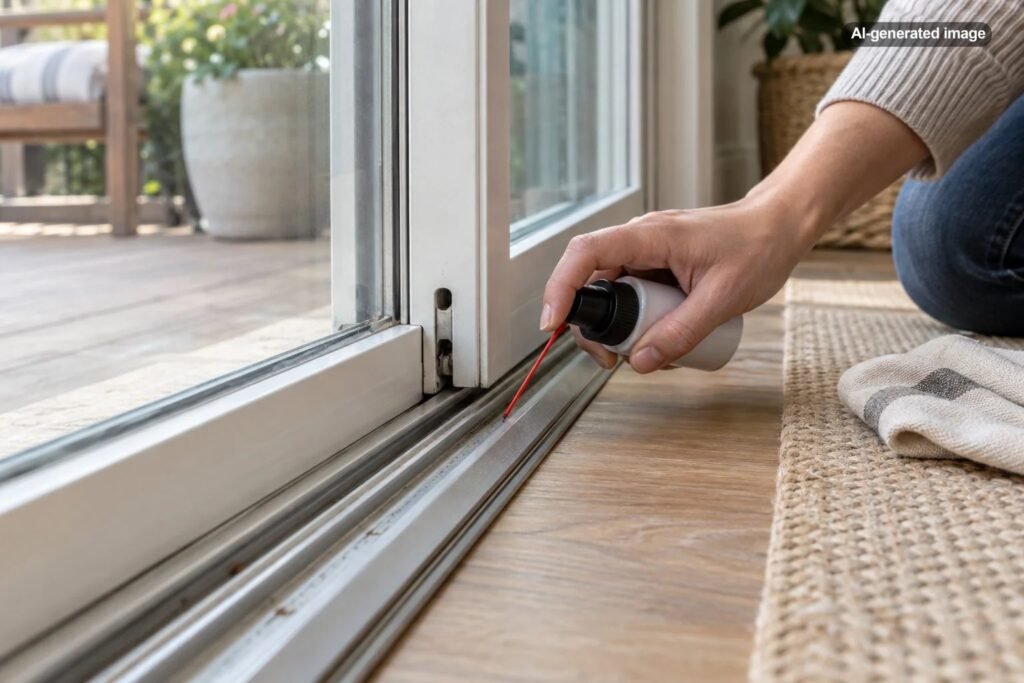
Should You Lubricate Sliding Door Tracks?
Yes, many sliding door tracks benefit from lubrication, but cleaning comes first. Learn what to use, what to avoid, and when rollers need attention.
The Crane Manor collection
Yes, many sliding door tracks benefit from lubrication, but cleaning comes first. Learn what to use, what to avoid, and when rollers need attention.
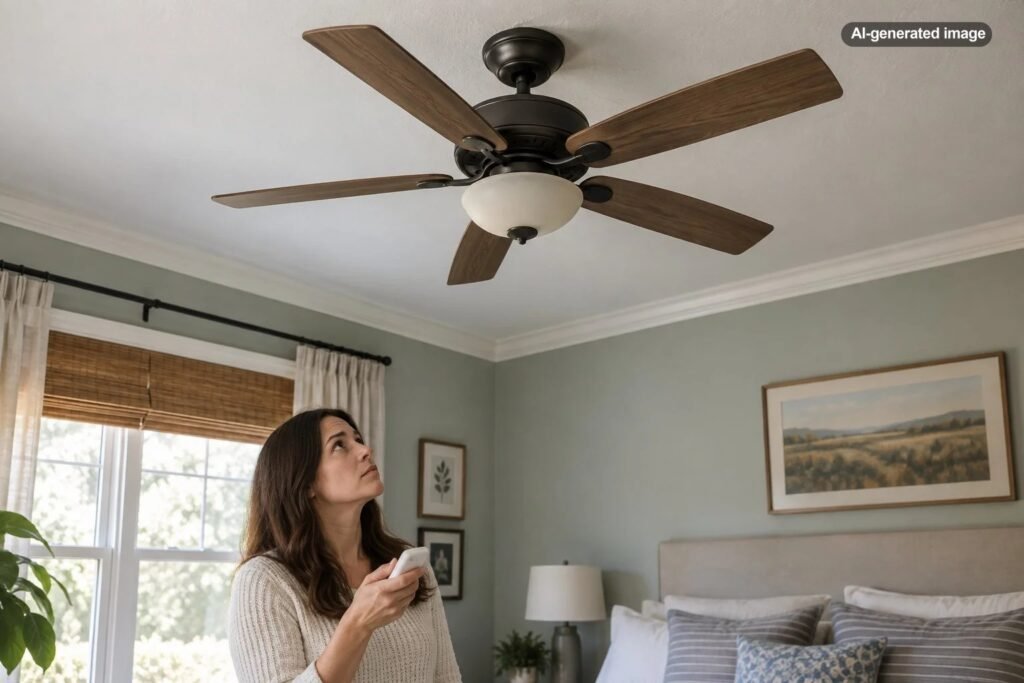
A ceiling fan that stops after running may have a control, capacitor, wiring, receiver, or motor problem. Learn what to check and when to…

Learn when a fire pit can go on a wood deck, which types are safer, and how to manage heat, sparks, clearances, and local…

A rattling ceiling fan often has loose blades, light-kit parts, or mounting hardware. Learn what to check and when to call a professional.
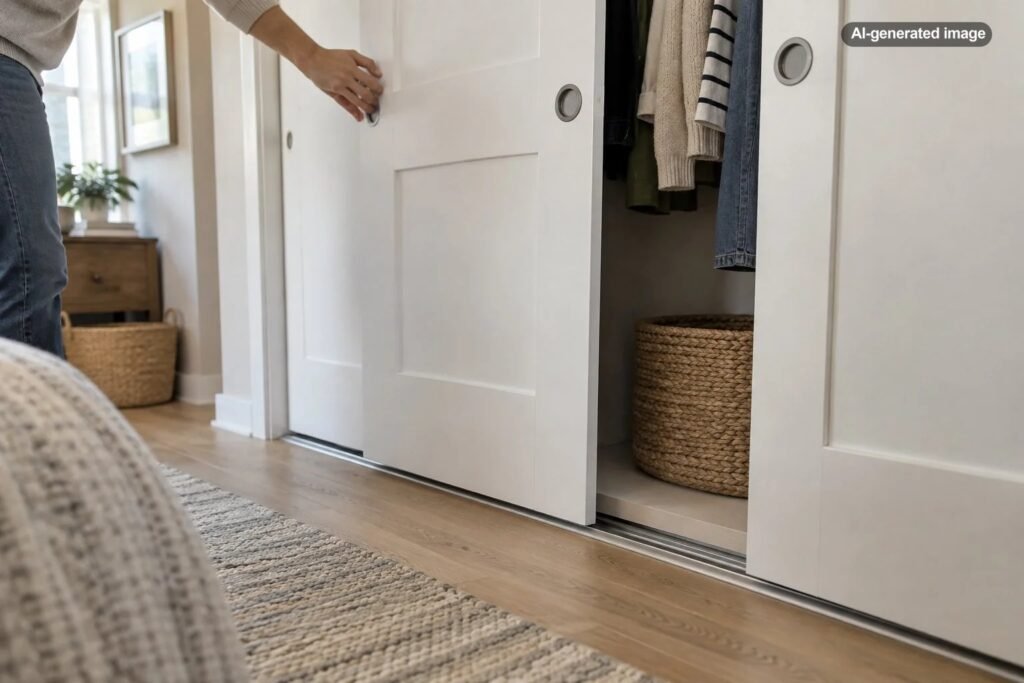
A sliding closet door may rub because of misaligned rollers, debris, a bent track, loose guides, or a door that has shifted out of…

A door that closes by itself is usually out of plumb or affected by loose hinges. Learn how to identify the cause and choose…

A whistling window usually means wind is squeezing through a small air gap. Learn where to look, what to fix, and when to call…
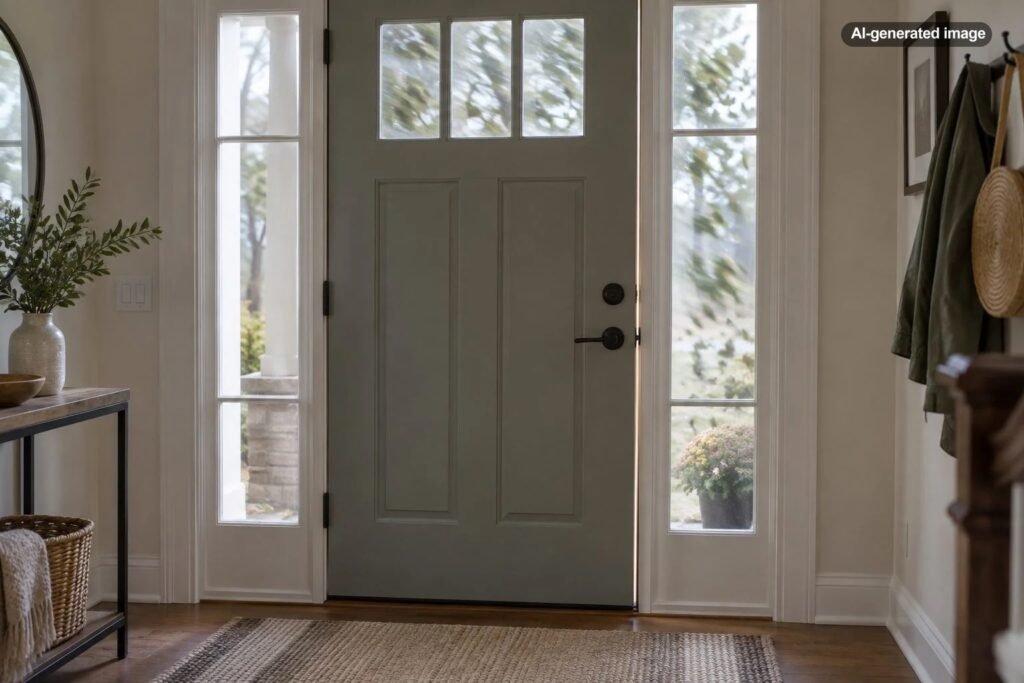
A front door that rattles in the wind usually has excess movement at the latch, weatherstripping, hinges, or threshold. Here is what to check.
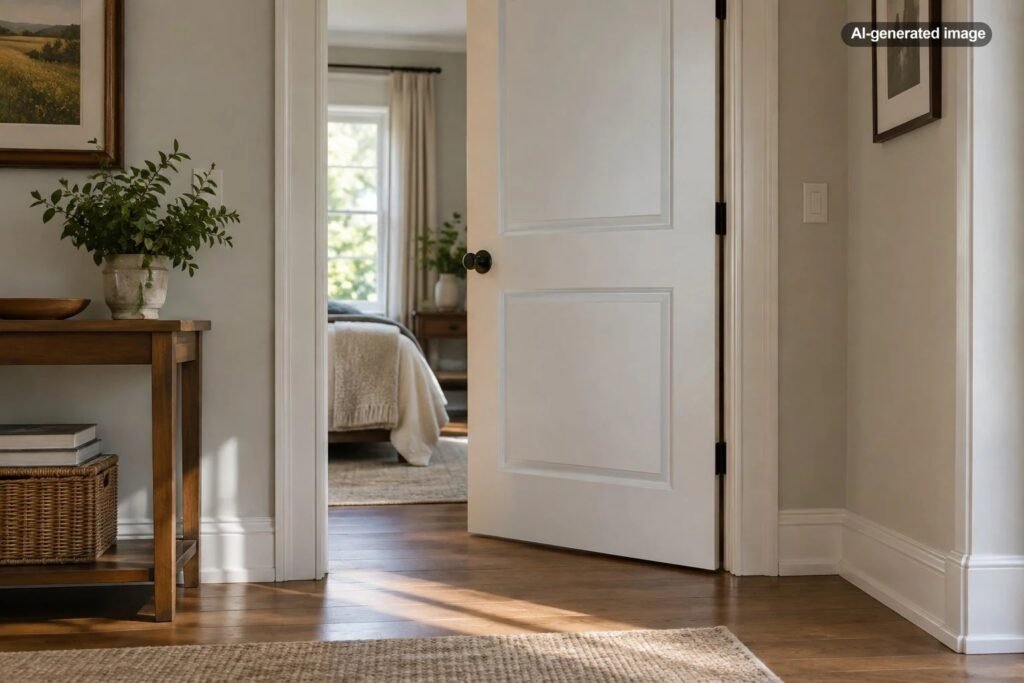
A door that swings open by itself is usually slightly out of plumb. Learn how to check hinges, the frame, and other common causes.
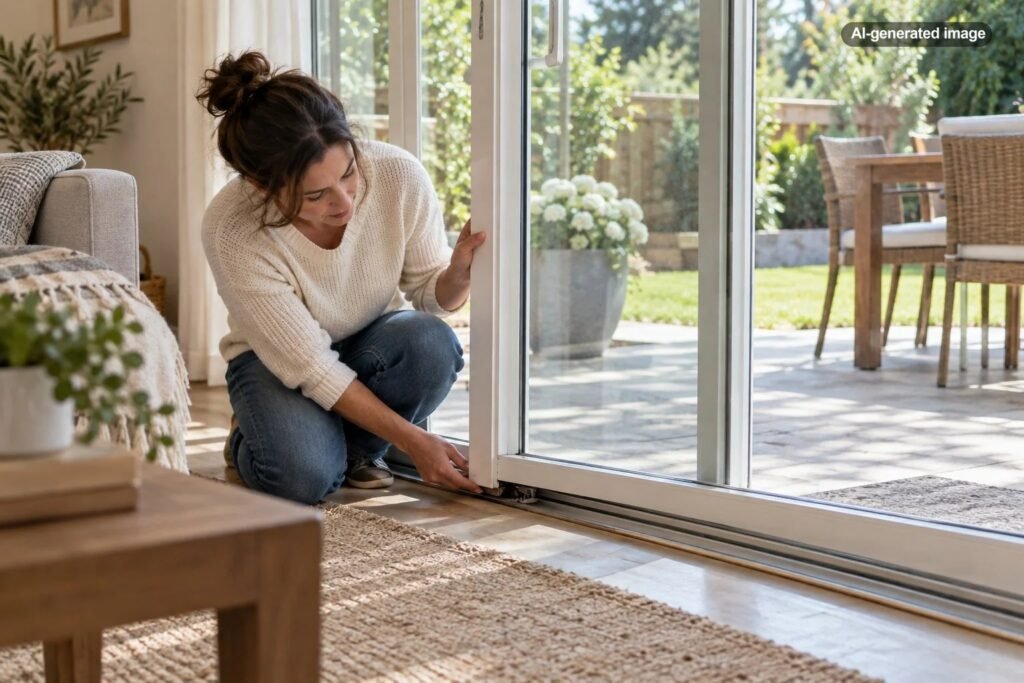
A sliding door that keeps coming off its track may have dirty tracks, worn rollers, poor adjustment, track damage, or frame alignment problems.
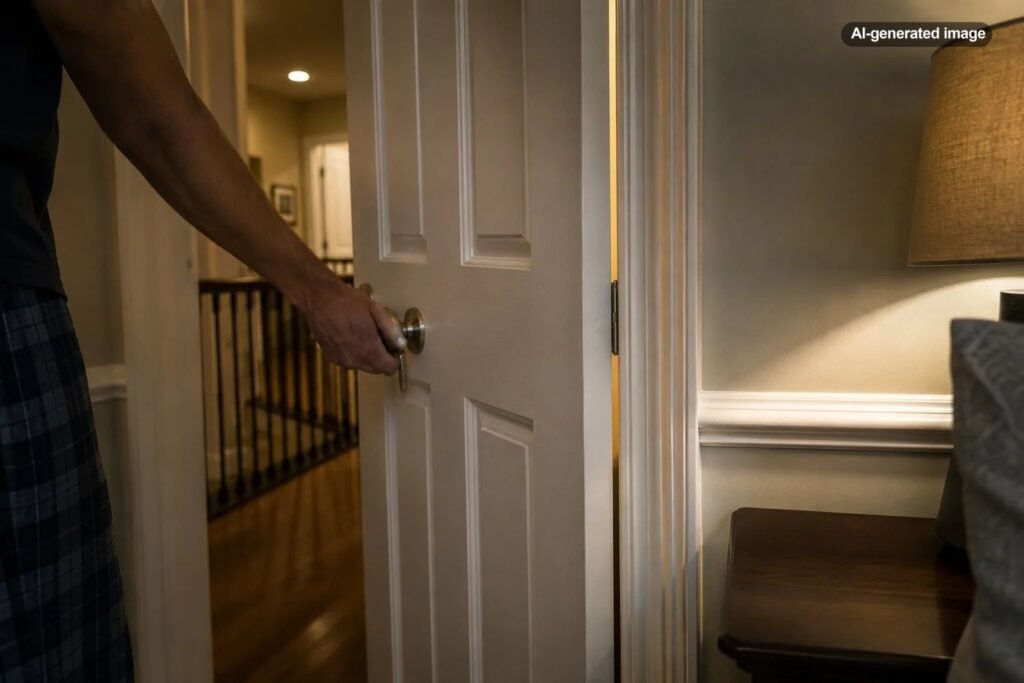
An interior door that sticks only at night often points to humidity, temperature changes, swelling wood, or slight movement in the frame.
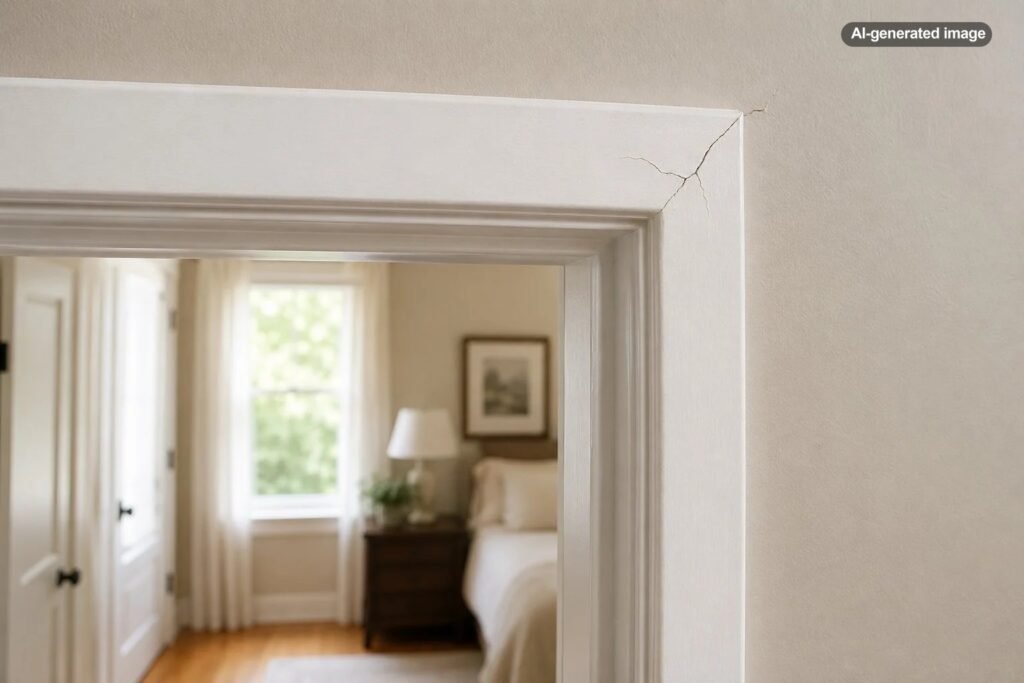
Cracks near door frame corners often come from drywall and framing movement. Learn what is cosmetic, what to inspect, and when to call a…