

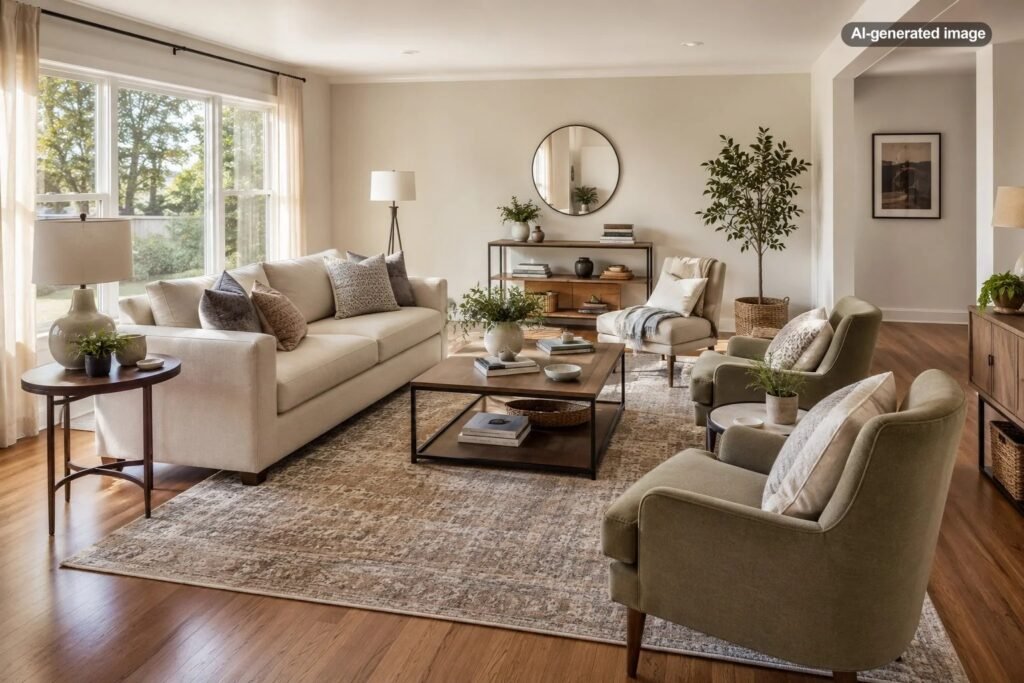
Interiors
How Do You Arrange Furniture in a Living Room With No Focal Point?
Learn how to arrange furniture in a living room with no focal point using conversation zones, balanced scale, rugs, lighting, and clear pathways.
The Crane Manor collection
Learn how to arrange furniture in a living room with no focal point using conversation zones, balanced scale, rugs, lighting, and clear pathways.
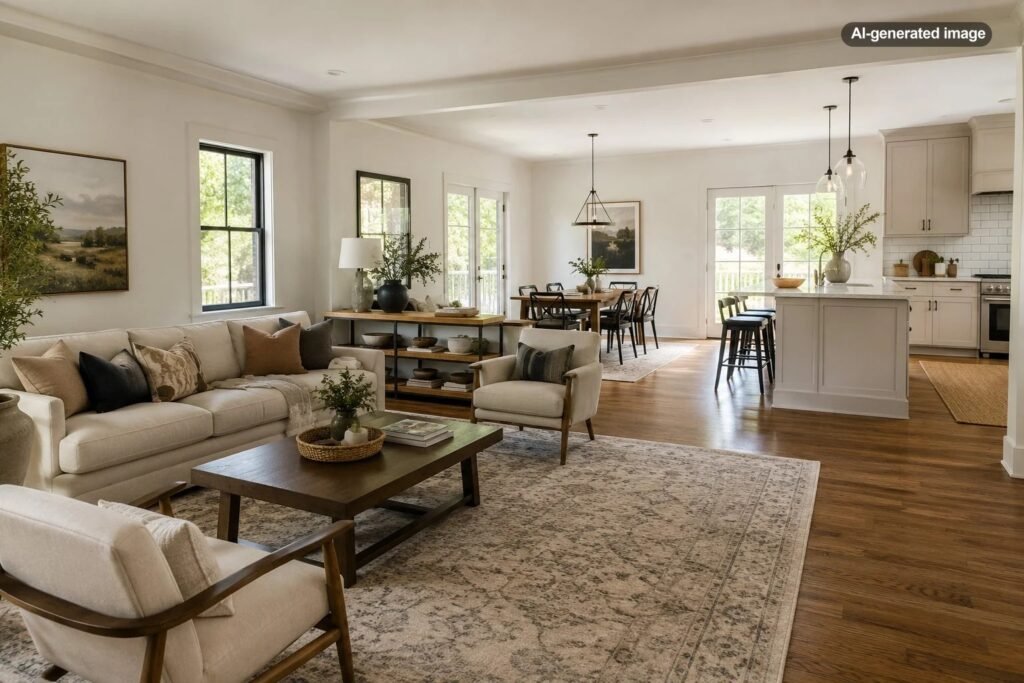
Define an open floor plan with furniture placement, rugs, lighting, color, and clear pathways without adding walls or making it feel smaller.
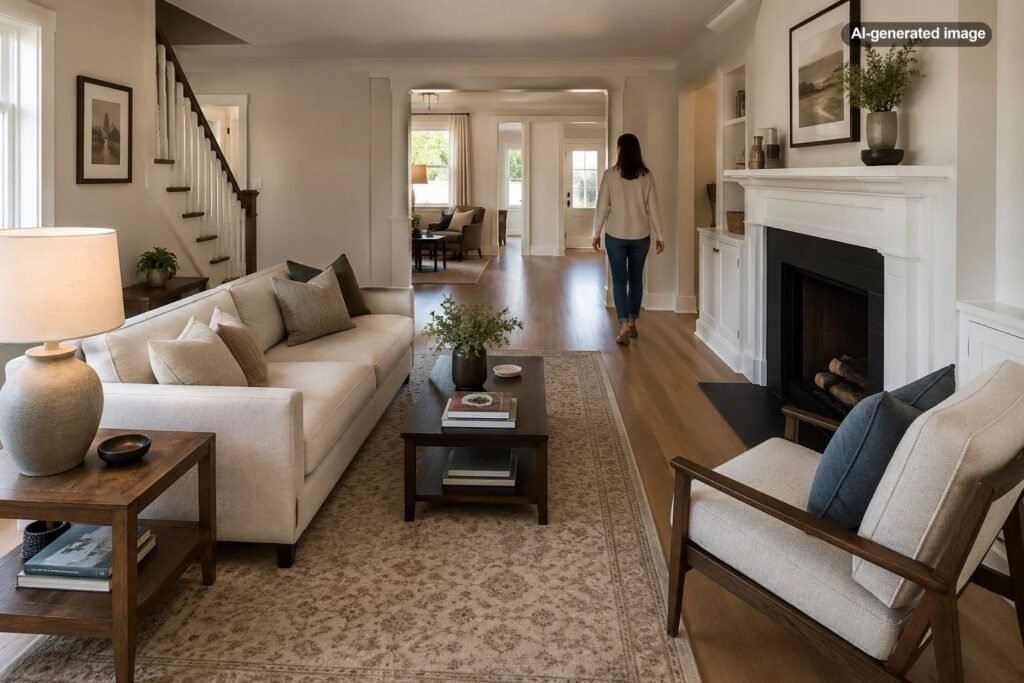
A living room walkway should usually be 30 to 36 inches wide. Learn when to allow more space and how to measure around furniture.
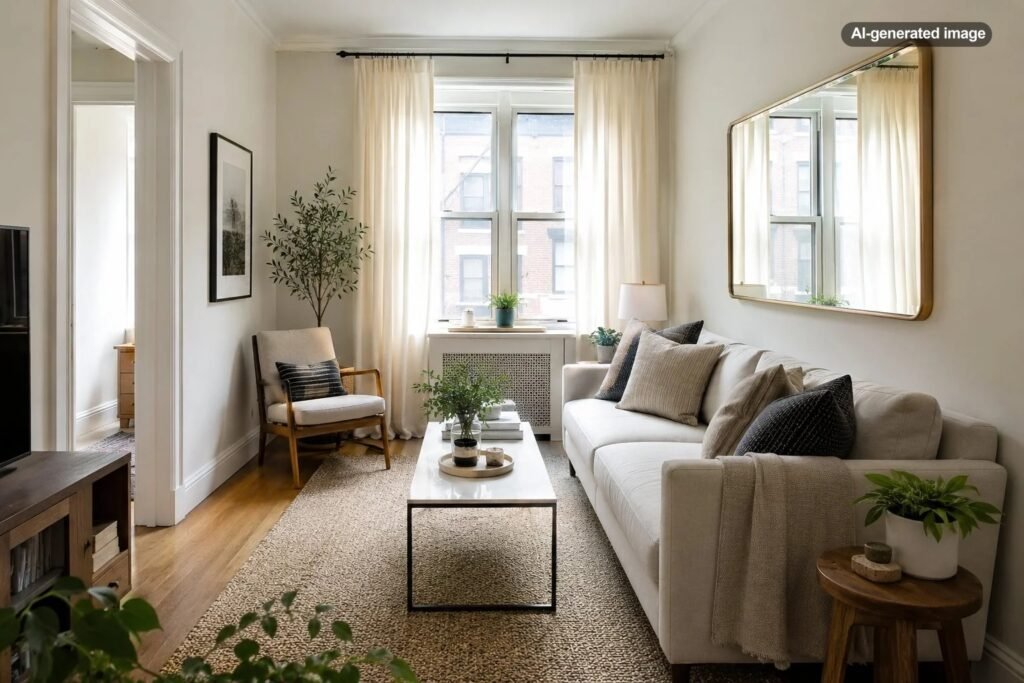
Make a small living room feel larger by rearranging furniture, improving sightlines, reducing visual clutter, and using light more effectively.
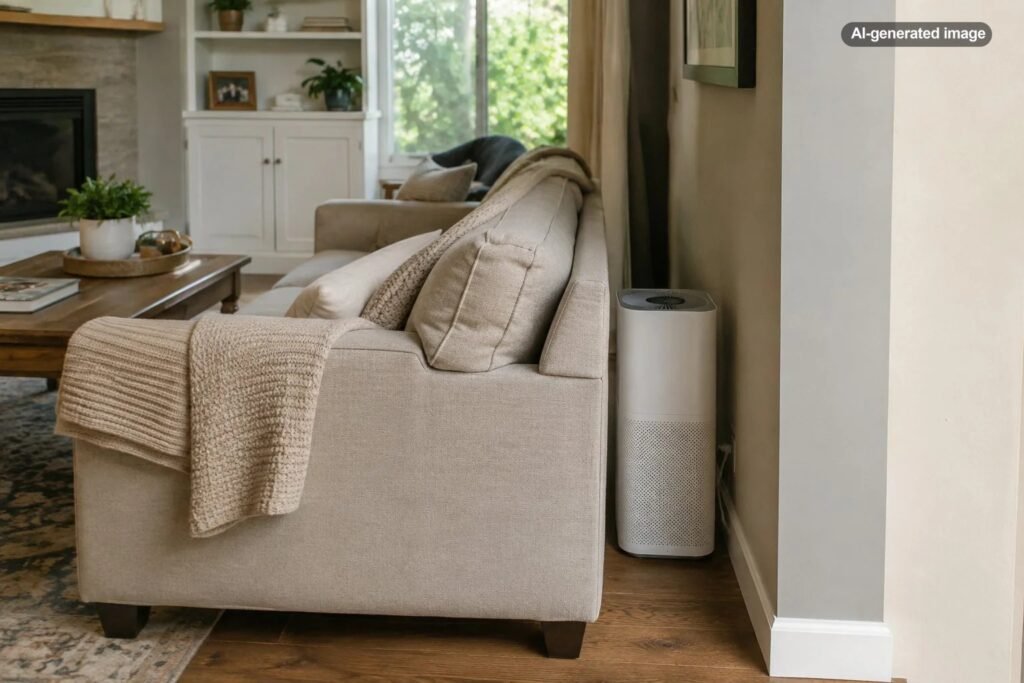
You can place an air purifier behind a sofa only if its intake and outlet remain unobstructed. Learn how much clearance and airflow matter.
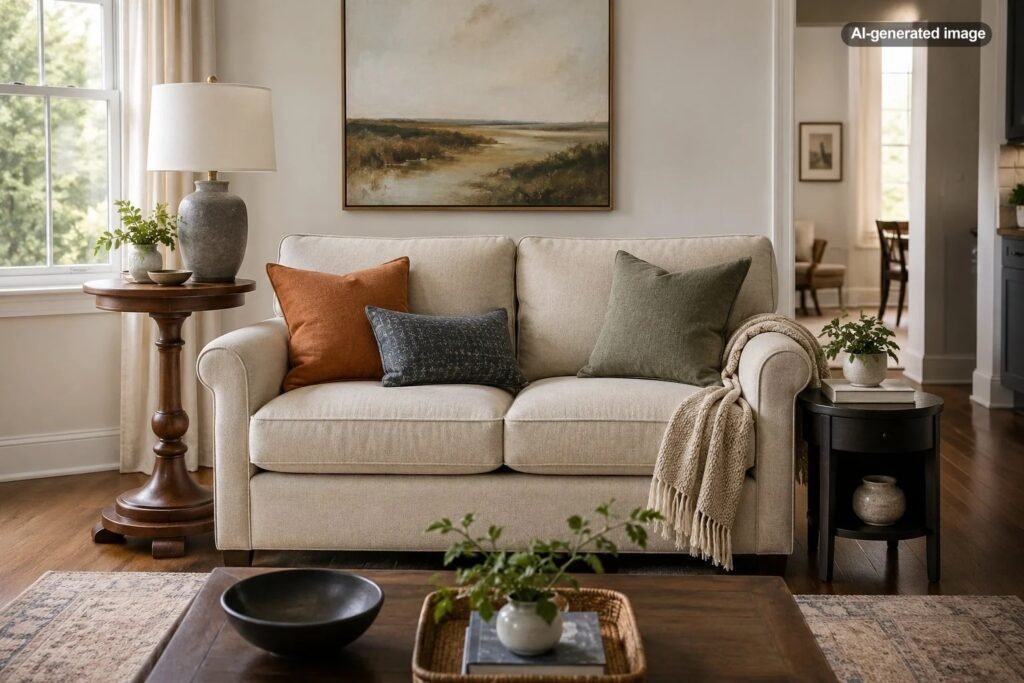
End tables can be different heights. Learn how to balance mismatched tables using proportion, lamps, styling, and practical placement.
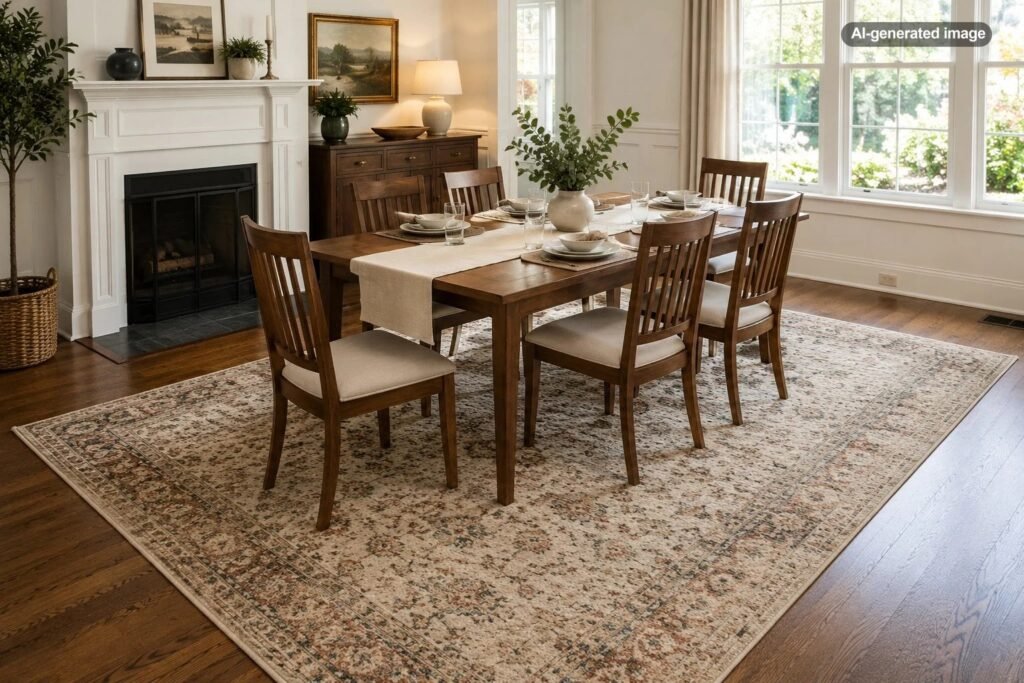
Choose the right dining room rug size with practical measurements for rectangular, round, oval, and extendable tables.
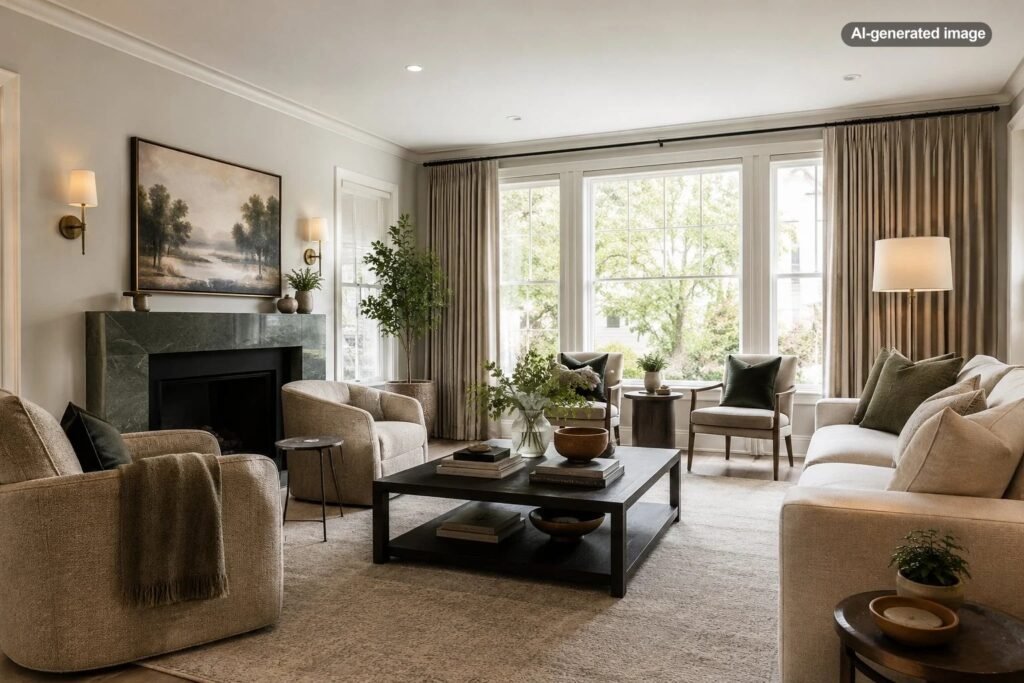
Make your home look more expensive with better scale, lighting, color, textiles, styling, and thoughtful details instead of a major renovation.
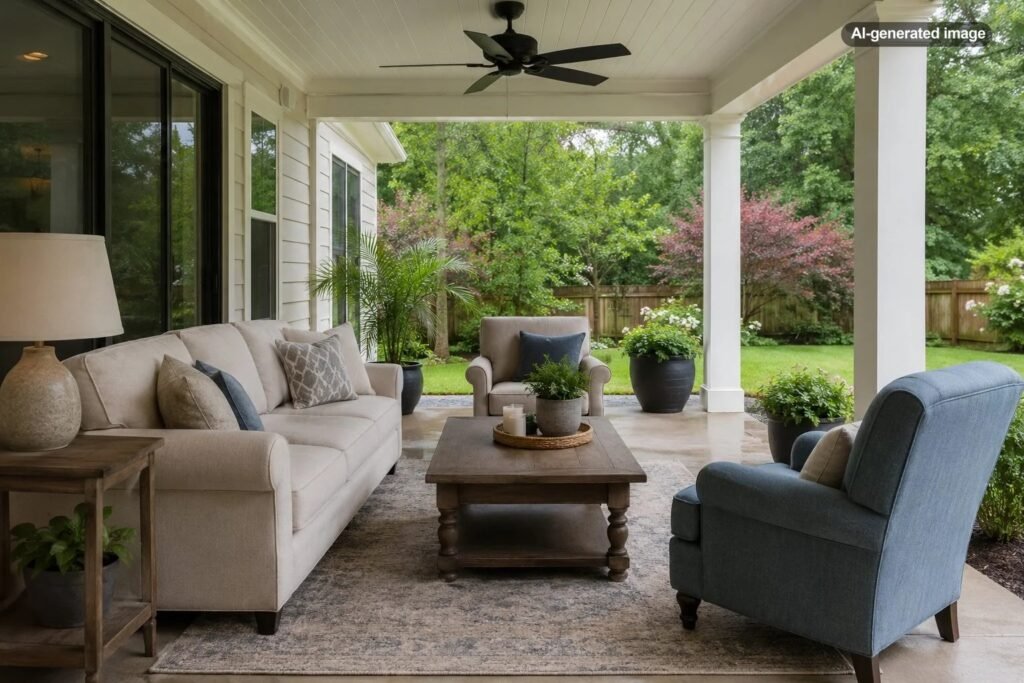
Indoor furniture can work on some covered patios, but humidity, sunlight, moisture, and pests determine how long it will stay attractive.
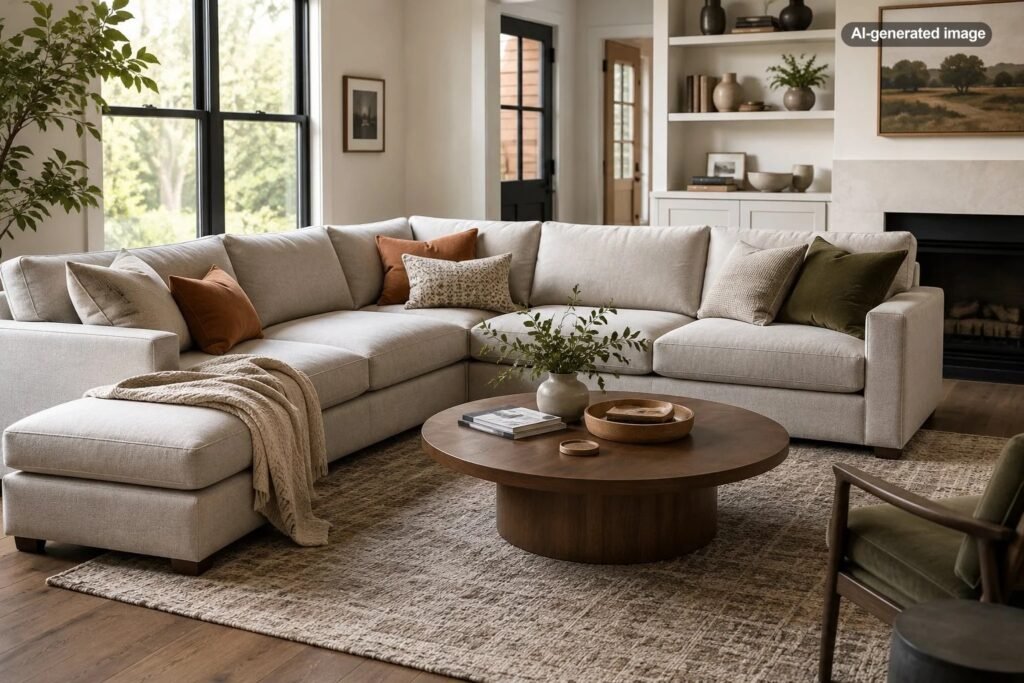
Find the best coffee table shape for your sectional, with practical advice for L-shaped, U-shaped, chaise, and small-space layouts.
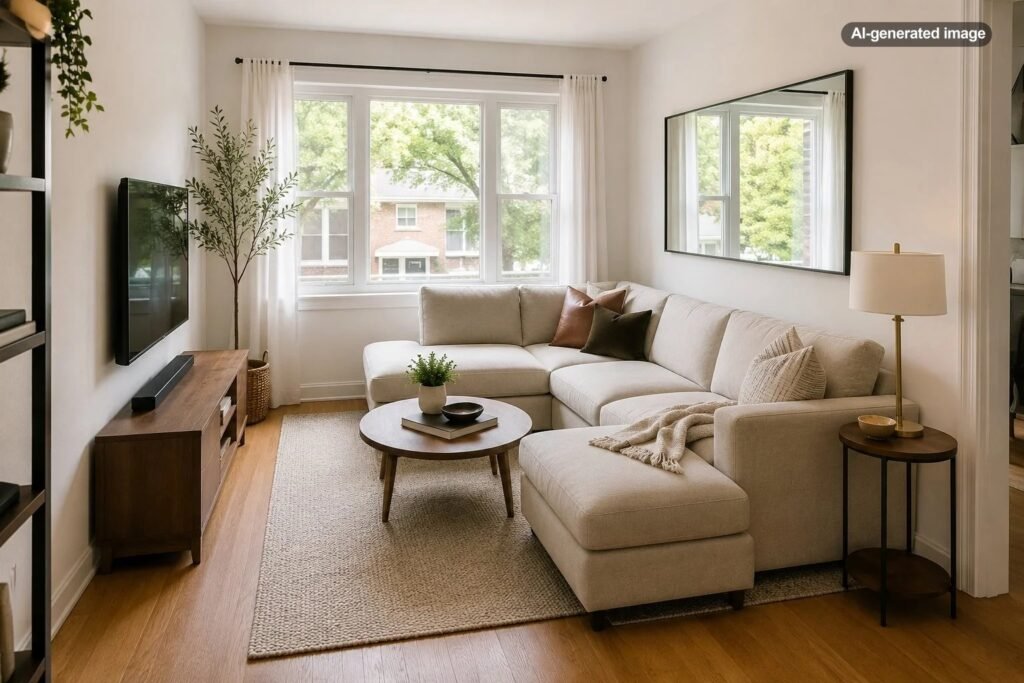
A sectional sofa can make a small room feel larger when the size, layout, and proportions are right. Learn how to choose and place…
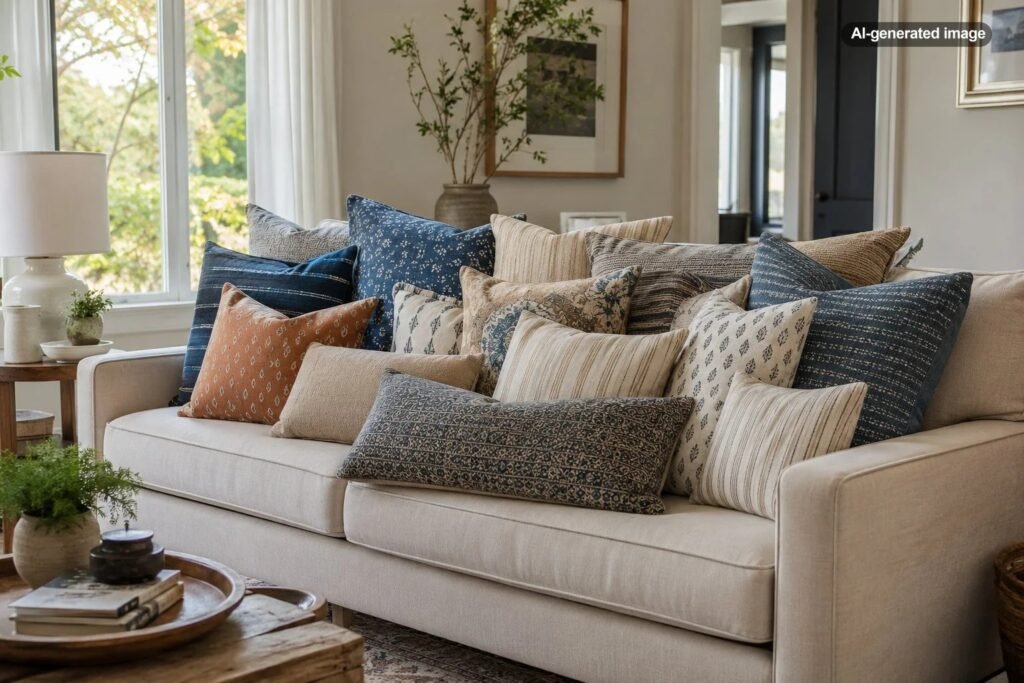
Learn how many throw pillows belong on a sofa, sectional, chair, or bed without sacrificing comfort, proportion, or everyday practicality.