
How to Prepare a Florida Home Before Leaving for the Summer
Preparing a Florida home for a summer absence is less about shutting everything off and more about leaving the house in a stable, monitored state. Heat, humidity, tropical weather, plumbing leaks, pests, and power interruptions can turn a small issue into a large repair when nobody is there to notice it.
The smartest approach is to work through the home in layers: control moisture, reduce water risk, prepare for storms, secure the property, remove pest attractants, and arrange reliable check-ins. Give yourself at least a day or two before departure so you are not making important decisions while loading the car.
Start with humidity, not temperature alone
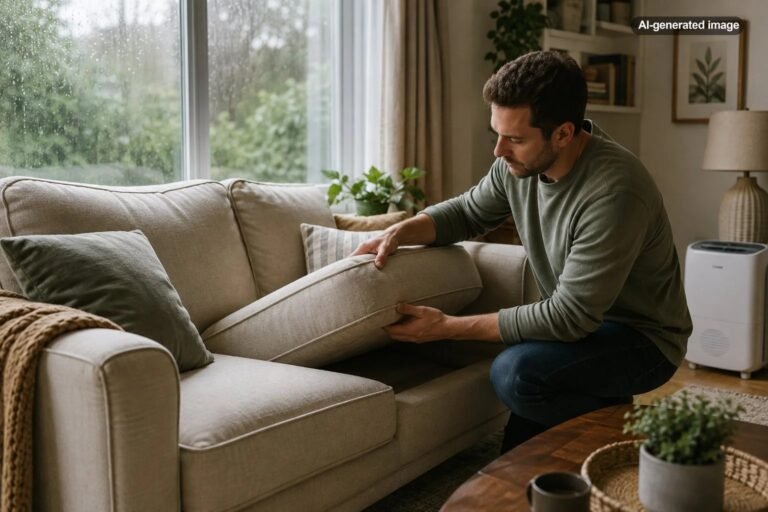
Florida homes need active moisture control during the summer. Turning the air conditioning off may save electricity in the moment, but it removes one of the home’s main defenses against humid air and condensation. The U.S. Environmental Protection Agency advises keeping indoor relative humidity below 60 percent and ideally between 30 and 50 percent to limit mold growth.
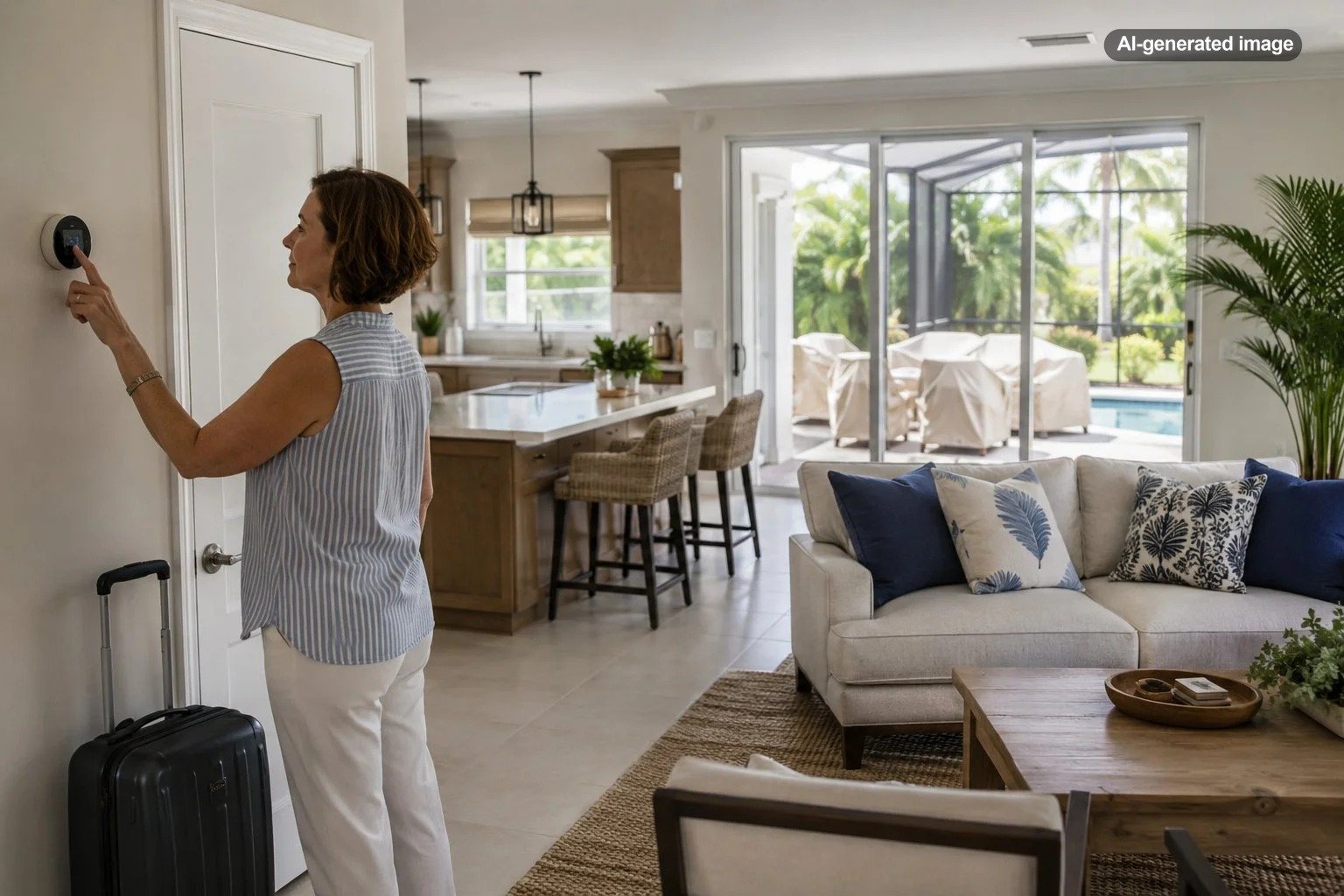
Set the thermostat high enough to avoid unnecessary cooling but low enough for the system to run regularly and remove moisture. There is no single correct setting for every house because insulation, orientation, equipment size, duct condition, window exposure, and building tightness all affect performance. A setting that works in a newer inland condo may not control humidity in an older coastal house.
- Use a thermostat or separate sensor that reports both temperature and humidity.
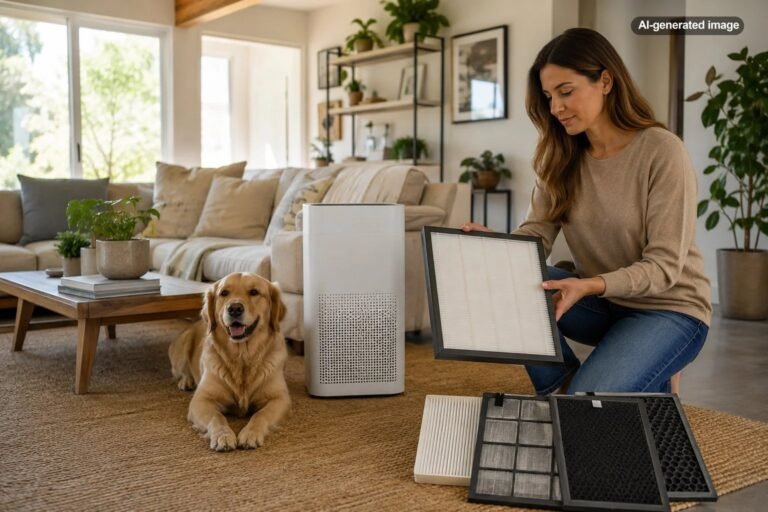
- Replace a dirty HVAC filter before leaving.
- Confirm the condensate drain is clear and the drain pan is clean.
- Leave interior doors open enough for air to circulate through conditioned rooms.
- Do not close every supply register in unused rooms, which can disrupt airflow.
If your home routinely feels damp, has condensation on vents, or struggles to remain below 60 percent relative humidity while occupied, schedule an HVAC evaluation before departure. The answer may involve equipment operation, drainage, ventilation, duct leakage, or a dedicated dehumidifier, not simply lowering the thermostat.
Reduce plumbing and leak risk
A slow leak under a sink, a failed washing-machine hose, or a running toilet can continue for days in an empty house. Before leaving, inspect visible supply lines, shutoff valves, toilet tanks, water-heater connections, refrigerator lines, and the areas beneath sinks. Look for corrosion, mineral deposits, damp cabinet floors, staining, or valves that will not turn.
Where the plumbing system and household needs allow, close the home’s main water shutoff. Do not do this blindly. Irrigation, fire-sprinkler systems, pool equipment, water treatment systems, humidifiers, and some appliances may require an active supply or a specific shutdown procedure. If you are unsure, ask a licensed plumber or the relevant service company how your system should be left.
What to do
- Run each faucet and flush each toilet while checking for slow drains or leaks.
- Turn off supply valves to the washing machine and other nonessential appliances when appropriate.
- Confirm the water heater’s vacation or shutdown procedure in its manual.
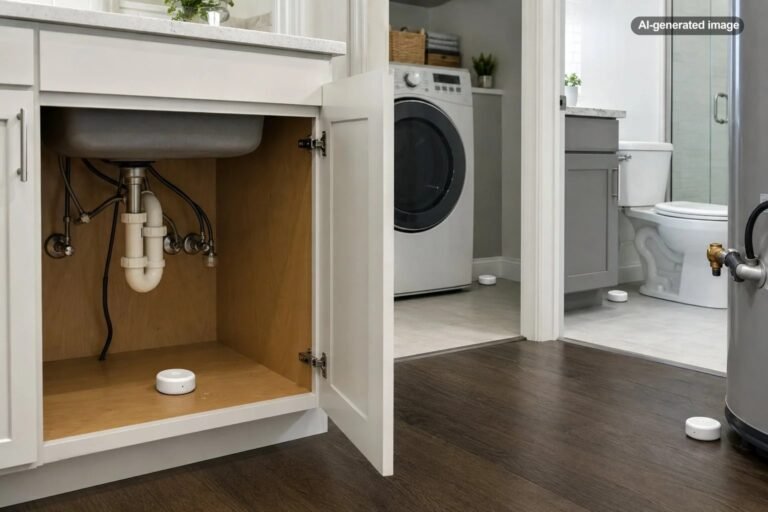
- Place leak sensors near high-risk locations such as the water heater, laundry area, refrigerator, and under major sinks.
- Test alerts before leaving and make sure a local contact knows where the main shutoff is located.
Leak sensors are most useful when someone can act on the alert. A notification at midnight does little good if nobody nearby has access to the house or knows how to stop the water.
Prepare for hurricane season before you travel
Florida’s Atlantic hurricane season runs from June 1 through November 30, so a summer departure overlaps the period when storm preparation matters most. Complete the work that cannot be handled easily from another state: review shutters, label panels, trim obvious hazards, secure loose outdoor items, and confirm how your property will be checked after severe weather.
Bring in patio furniture, umbrellas, grills, lightweight planters, pool accessories, and decorative objects that could become windborne. Do not leave storm panels buried behind storage. Photograph the home, roofline where visible from the ground, exterior walls, windows, major rooms, and valuable contents before departure. Store copies where you can access them remotely.
Review your insurance documents and contact information, but do not assume coverage terms. Vacancy, seasonal occupancy, named-storm deductibles, water damage, and required protective steps vary by policy. Ask your insurer or agent specific questions about a long absence and keep a record of the response.
Secure the home without advertising that it is empty
Lock every window, sliding door, garage access door, and secondary entrance. Check less obvious openings such as bathroom windows, side garage doors, and pet doors. Use the normal hardware designed for the opening rather than improvised devices that could interfere with emergency entry.
Pause routine deliveries, forward mail, and remove newspapers or door hangers promptly. Put selected lights on varied schedules rather than leaving one lamp on continuously. Exterior lighting should illuminate entrances without shining into neighbors’ homes.
Test cameras, door sensors, smart locks, smoke alarms, and monitored security equipment. Confirm that devices reconnect after a brief power or internet interruption. Replace low batteries and verify that alerts go to the correct people. Avoid posting exact travel dates publicly.
Remove food, trash, and pest attractants
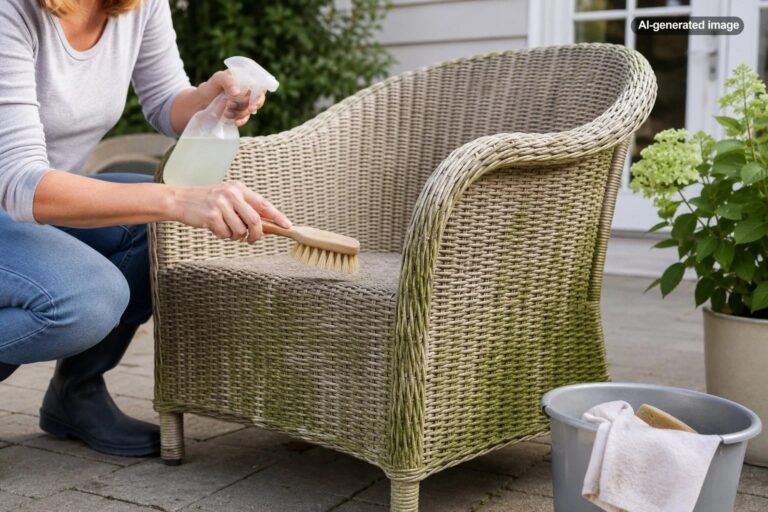
Empty trash cans, recycling bins, compost containers, and pet-food bowls. Clean crumbs and grease from counters, toaster trays, pantry shelves, and the floor beneath appliances. Florida pests do not need much encouragement, and a forgotten bag of produce can create odor and insect problems quickly.
Use or discard perishable refrigerator items. If the refrigerator will remain on, set it normally, remove foods likely to spoil during an outage, and leave space for air circulation. If you plan to unplug it, follow the manufacturer procedure, empty and clean it, dry it completely, and prop the doors open safely to prevent trapped odors and moisture.
Check exterior gaps, damaged screens, weatherstripping, and door sweeps. Address active pest problems before departure rather than relying on excessive traps or chemicals in an unoccupied home. Outdoor standing water should also be removed where practical.
Set up monitoring and human check-ins
Remote monitoring can reveal a problem, but a trusted local person can confirm what is actually happening. Arrange scheduled visits with a neighbor, property manager, friend, or home-watch service. The right frequency depends on the home, insurance requirements, distance from the coast, equipment complexity, and whether the property has a pool, generator, or irrigation system.
Before you decide
- Give the contact written permission and reliable access.
- Share emergency numbers for HVAC, plumbing, electrical, pool, landscaping, and insurance contacts.
- Show them the water shutoff, electrical panel, thermostat, alarm controls, and leak-sensor locations.
- Define what counts as an emergency and what spending they may authorize.
- Ask for dated photos after each visit and after major storms.
Choose alerts that matter: indoor humidity, high temperature, water leaks, power loss, smoke, entry, and possibly freezer temperature. Too many low-value notifications can make the important ones easier to miss.
Finish with a room-by-room departure check
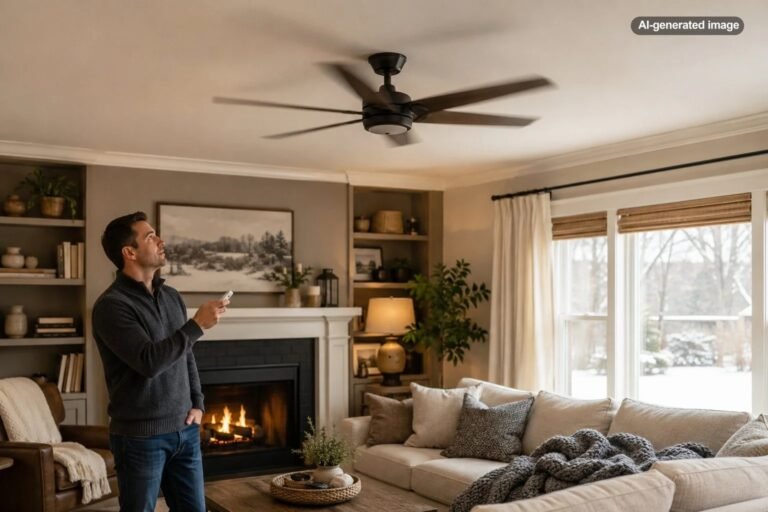
Walk the house slowly after luggage is out. Close and lock openings, unplug nonessential electronics, turn off small appliances, and confirm that ceiling fans are not being used as a substitute for cooling. Fans move air for people; they do not lower room temperature or control humidity in an empty house.
In bathrooms, dry wet surfaces, launder damp towels, and leave shower doors or curtains positioned so the area can dry. In bedrooms and closets, avoid packing textiles tightly against exterior walls where air movement is limited. In the laundry room, leave the washer dry and the door open when the manufacturer allows it.
Outside, confirm irrigation schedules, pool service, drainage paths, and gate latches. Do not drastically change landscaping or pool systems without guidance from the people maintaining them. Finally, take photos of thermostat readings, the water shutoff position, locked doors, and alarm status.
An empty Florida home should be cool enough, dry enough, secure enough, and connected enough for a small problem to be noticed before it becomes a large one.
Frequently asked questions
Should I turn off the air conditioning while I am away?
Generally, no. A Florida home usually needs ongoing cooling and dehumidification during summer. Use a reasonable setpoint, monitor humidity, and have the system serviced if it cannot keep moisture under control.
Should I shut off the main water valve?
It can significantly reduce leak damage, but only if doing so will not interrupt systems that need water. Confirm the correct procedure for your plumbing, irrigation, fire protection, pool, and water-treatment equipment.
Is a smart thermostat enough?
No. It is useful for temperature and humidity alerts, but it cannot inspect a roof leak, reset a tripped device, clear a drain, or secure storm debris. Pair remote monitoring with a local contact.
How should I prepare for a power outage?
Use devices that send power-loss alerts when possible, minimize highly perishable refrigerator contents, test backup batteries, and arrange for someone to inspect the home after an extended outage.