Can Outdoor Furniture Be Left Uncovered During Summer?
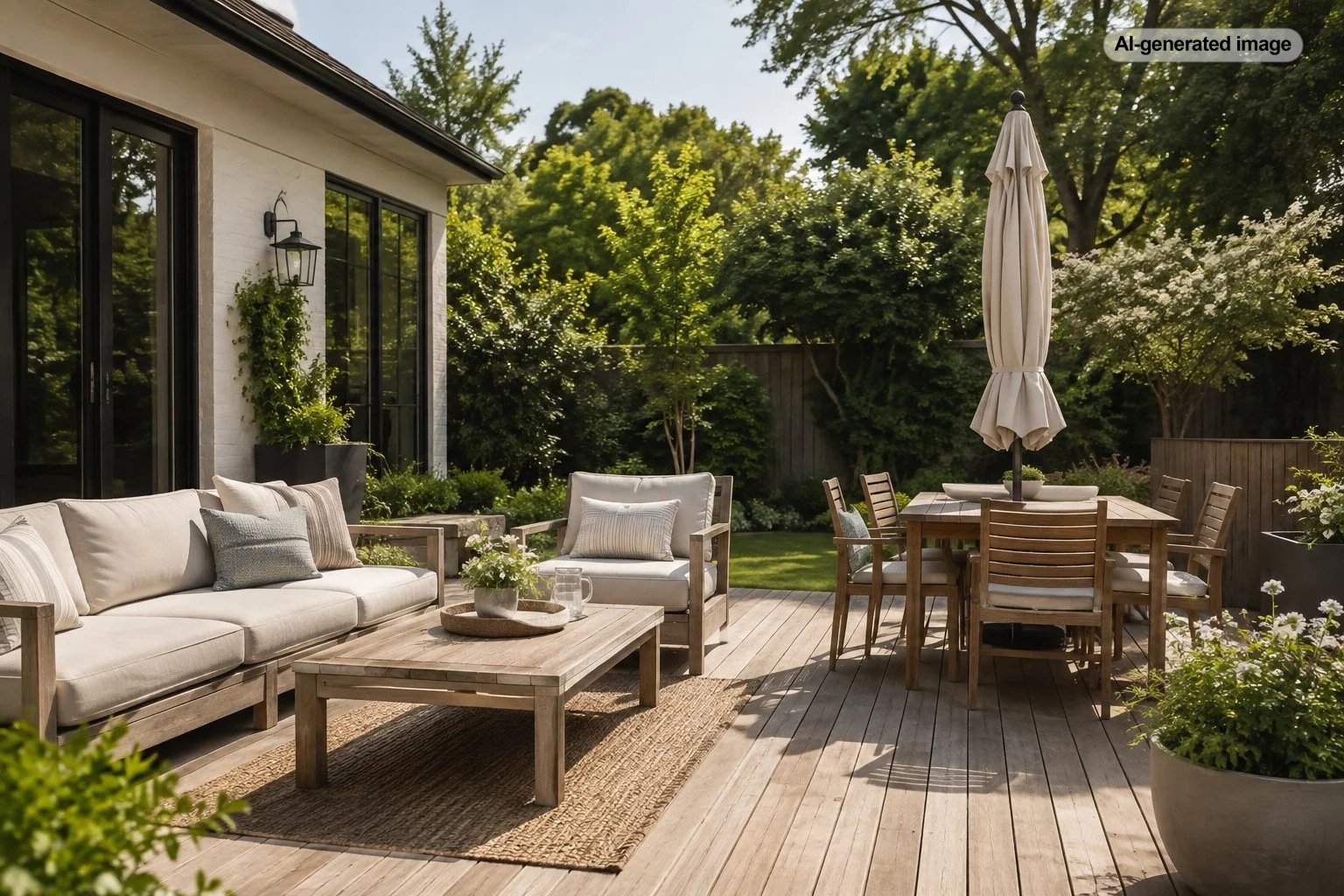
Yes, many pieces of outdoor furniture can be left uncovered during summer, especially when they are specifically made for outdoor use. But weather-resistant does not mean weather-proof, and leaving everything exposed all season can accelerate fading, staining, finish wear, mildew, and general grime.
The right approach depends on the furniture material, the cushions, the amount of direct sun and rain your patio receives, and how much maintenance you are willing to accept. Some frames tolerate months outdoors with little fuss. Cushions, natural fibers, and certain finishes deserve considerably more attention.
What Happens When Outdoor Furniture Stays Uncovered?
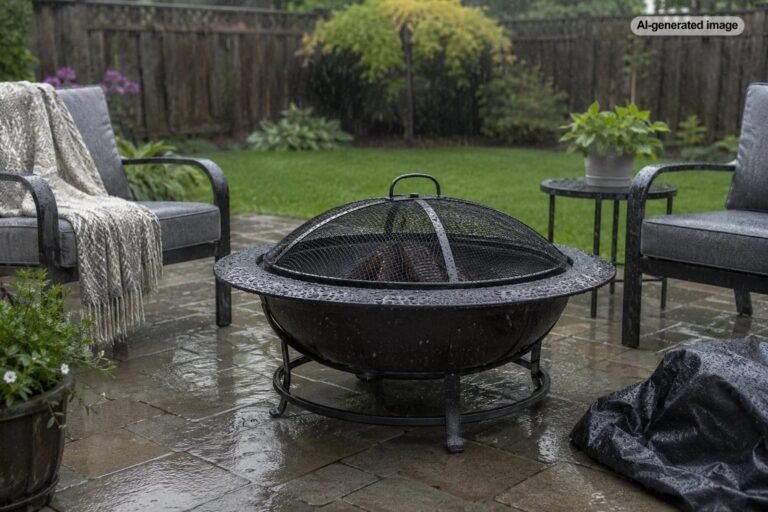
Summer exposure is not one single problem. Furniture may face intense ultraviolet light during the afternoon, heavy rain an hour later, overnight humidity, pollen, leaves, insects, and repeated cycles of getting wet and drying out.
Sunlight can gradually fade fabrics and finishes. Water can collect in seams, joints, woven surfaces, cushion cores, or low spots. Organic debris can hold moisture against a surface. In humid climates, slow drying becomes particularly important because materials may remain damp long after a brief rain shower has passed.
None of this means outdoor furniture must be covered after every use. It means the consequences of leaving it uncovered vary considerably by construction and setting.
Which Outdoor Furniture Materials Handle Summer Exposure Best?
Start with the frame material. A patio set designed for full outdoor exposure generally tolerates summer far better than furniture intended for a screened porch or other protected location.
| Material | Uncovered summer use | Main consideration |
|---|---|---|
| Powder-coated aluminum | Usually well suited | Protect the coating from scratches and clean away residue |
| Poly lumber | Usually well suited | Regular cleaning helps prevent buildup and staining |
| Synthetic wicker | Often well suited | Quality and UV resistance vary between products |
| Teak | Often suitable | Uncovered teak naturally changes color as it weathers |
| Steel or iron | Depends on finish | Damage to protective coatings can increase corrosion risk |
| Natural rattan or indoor wicker | Poor choice for full exposure | Moisture can damage natural fibers |
Powder-coated aluminum
Aluminum is popular outdoors because it does not rust like ordinary steel. A powder-coated finish adds another protective layer and gives the furniture its color and surface texture. It can generally remain outdoors through routine summer weather, although scratches, chips, standing water, salt residue, and accumulated dirt should still be addressed.
Poly lumber and outdoor plastics
Quality poly lumber and outdoor-rated plastics are among the easiest materials to leave exposed. They do not absorb water like natural wood, although long-term sun exposure can still affect some plastics. Product quality matters: materials specifically engineered for outdoor UV exposure are a different proposition from inexpensive plastic furniture with little information about weather resistance.
Synthetic wicker
Outdoor synthetic wicker is generally designed to cope with moisture and sunlight, particularly when woven over an aluminum frame. The important word is synthetic. Natural rattan and other natural woven fibers should not automatically be treated like all-weather resin wicker.
Teak
Teak is unusually well suited to outdoor use. Natural teak can remain uncovered, but its appearance changes. Exposure to sunlight and moisture gradually moves the wood away from its warm original color toward a silvery-gray patina. Some homeowners appreciate that weathered look; others prefer covering or maintaining the wood to preserve a more consistent appearance.
Cushions Are Usually the Weakest Link
Even when the frame can stay outside comfortably, cushions may be better off under cover. Outdoor fabrics are designed to tolerate conditions that would quickly ruin ordinary upholstery, but repeated soaking and constant sunlight still create more wear than protected storage.
If cushions become wet, give them enough air circulation to dry thoroughly. Do not trap damp cushions inside a sealed storage container or immediately place a tight cover over them. Moisture that cannot escape can create exactly the damp environment you were trying to avoid.
For households that use the patio daily, carrying every cushion indoors after every sitting may be unrealistic. A practical compromise is to leave them out during stretches of settled weather and move them into a dry, ventilated storage area before extended rain, severe weather, or periods when the patio will not be used.
The frame may be built for the weather, but the cushions often determine how much summer maintenance your patio actually requires.
Direct Sun Can Matter as Much as Rain
People often think about rain first when deciding whether to cover outdoor furniture. Constant direct sunlight can be just as relevant to appearance. UV exposure can fade fabrics, alter colors, and gradually weather finishes even when the patio rarely gets wet.
A set beneath a covered porch has a much easier life than the identical set on an exposed south- or west-facing deck. If keeping colors crisp is a priority, shade from a roof, pergola, umbrella, or properly fitted furniture cover can reduce exposure when the furniture is not being used.
This is also why two neighbors can own similar outdoor sets and have completely different experiences. Exposure matters almost as much as material.
Humidity Changes the Equation
In hot, humid climates, the concern is not simply whether furniture gets wet but how quickly it dries. A brief afternoon shower followed by strong airflow may be less troublesome than cushions sitting damp through a humid evening beneath dense tree cover.
Furniture in coastal locations also deals with airborne salt and residue. Regular gentle cleaning becomes useful even when the furniture appears relatively clean. Avoid assuming that a cover eliminates maintenance entirely; covered furniture can still collect moisture and condensation if airflow is poor.
Should You Cover Furniture Every Night?
Usually, no. For genuinely outdoor-rated furniture in ordinary summer weather, covering and uncovering every piece every day is often unnecessary. It may make sense for premium finishes, exposed cushions, unusually dirty surroundings, or furniture that receives relentless sun.
There is also a practical downside to excessive covering: putting a cover over furniture that is still damp can trap moisture. Covers should fit securely without creating obvious pockets where rainwater collects, and the furniture should be reasonably dry before being enclosed for an extended period.
When Is a Furniture Cover Most Useful?
Covers offer the greatest value when exposure is unusually harsh or when furniture will sit unused. They can reduce cleaning and slow cosmetic weathering without requiring permanent indoor storage.
Consider covering your furniture when
- Several days of rain are expected.
- The patio receives intense direct sun for much of the day.
- Nearby trees regularly drop sap, berries, leaves, pollen, or bird debris.
- The furniture has cushions or finishes you want to preserve carefully.
- You will be away from home for an extended period.
- Wind-driven coastal weather regularly leaves salt or debris on the furniture.
A cover should complement the furniture manufacturer’s care guidance, not replace it. Some products are designed to remain fully exposed, while others have specific storage or covering instructions.
Do Not Forget Summer Storms
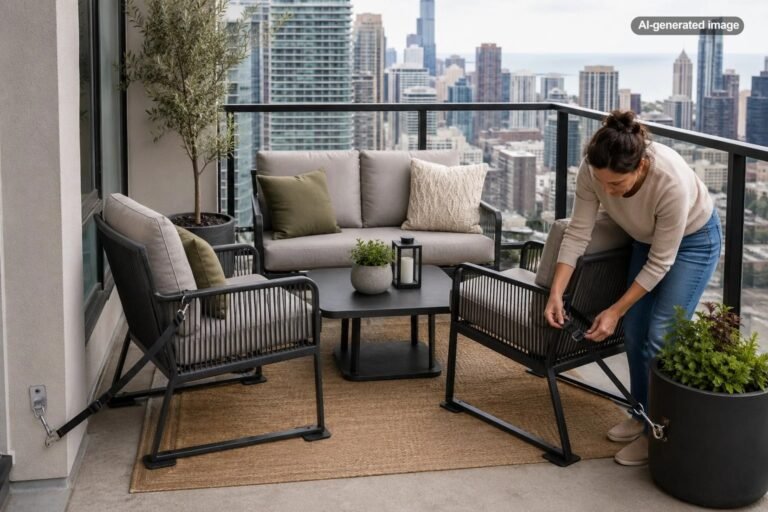
Leaving furniture uncovered during ordinary rain is different from leaving it unsecured during severe weather. Lightweight chairs, umbrellas, side tables, covers, and accessories can become hazards in strong winds.
Before a significant storm, prioritize securing or moving loose outdoor items rather than simply throwing a cover over them. Large umbrellas should be closed according to their manufacturer’s instructions when not in use, especially when gusty weather is expected.
A Simple Summer Care Routine
The easiest way to leave outdoor furniture uncovered without watching it deteriorate is to use a small amount of regular maintenance instead of waiting for a major cleanup.
What to do
- Brush or wipe away leaves, pollen, dirt, and other debris regularly.
- Clean surfaces using methods appropriate for the specific material and finish.
- Check cushions after rain and position them so air can circulate until they are fully dry.
- Keep drainage openings and low spots free of debris so water does not remain trapped.
- Inspect painted and powder-coated metal for chips or scratches before corrosion has an opportunity to develop on susceptible components.
- Use covers or dry storage during prolonged bad weather or extended periods of nonuse.
Be cautious with pressure washers, abrasive cleaners, bleach, strong solvents, and improvised treatments. A cleaning method that is harmless to one outdoor material can damage another, particularly protective finishes, wood fibers, fabrics, and woven surfaces. When in doubt, follow the care instructions for the specific furniture.
So, Is Leaving Outdoor Furniture Uncovered a Bad Idea?
Not necessarily. Good outdoor furniture is supposed to live outdoors, and many modern materials can handle a normal summer very well. The goal is not to protect every piece from every raindrop.
Instead, think about exposure in layers. A durable aluminum, poly lumber, synthetic wicker, or teak frame may need little more than routine cleaning. Cushions may need dry storage before extended rain. Furniture in relentless sun may benefit from shade or covers. Natural rattan, delicate finishes, and pieces not specifically rated for outdoor use deserve much more protection.
If you want the lowest-maintenance arrangement, choose materials designed for your climate and reserve your daily effort for the parts most vulnerable to moisture and sunlight. That approach lets an outdoor space remain pleasantly usable instead of turning furniture care into a nightly ritual.