
Can You Leave a Fire Pit Outside in the Rain?
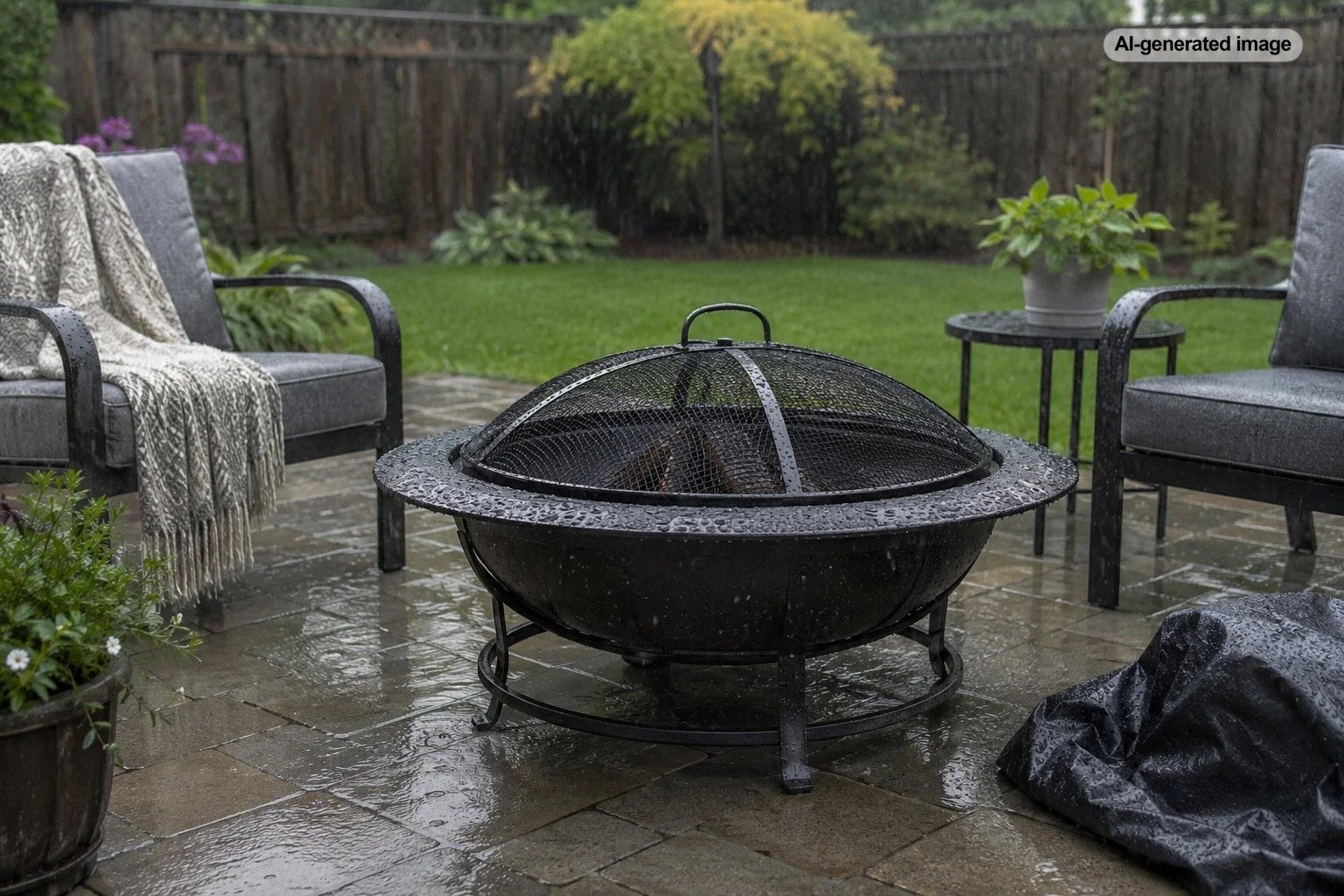
Yes, many fire pits can remain outside during ordinary rain, but that does not mean they should be left uncovered or ignored. The right approach depends on the fire pit’s fuel type, materials, drainage, electrical components, and manufacturer instructions. A brief shower may cause little more than wet ash, while repeated exposure can encourage corrosion, clog burner openings, damage finishes, saturate fire media, or leave water trapped where it does not belong.
The safest routine is simple: let the unit cool completely, remove ash when appropriate, keep water from pooling, and use a fitted weather-resistant cover only after every surface is cold. Portable models and units with sensitive components are often better stored in a dry, ventilated place during long wet periods.
The answer depends on the type of fire pit
Wood-burning bowls, smokeless metal pits, propane fire tables, natural-gas installations, and electric fire features do not respond to rain in the same way. Before deciding whether a unit can stay outside, identify what it burns and which components are exposed.
| Fire pit type | Main rain concern | Sensible protection |
|---|---|---|
| Wood-burning steel or cast iron | Rust, wet ash, blocked drainage | Empty cooled ash, dry the bowl, and cover it |
| Stainless steel smokeless pit | Water and ash collecting between walls | Use the fitted lid or cover recommended for the model |
| Propane fire pit or fire table | Wet burner ports, ignition components, hose fittings, and fire media | Close the fuel valve, cover the appliance, and inspect before relighting |
| Permanent natural-gas feature | Drainage problems, debris, corrosion, and wet ignition parts | Follow the appliance manual and have damaged gas components serviced professionally |
| Electric fire feature | Water entering electrical controls or connections | Follow the exact outdoor rating and manufacturer storage instructions |
A product labeled for outdoor use should still be maintained according to its manual. Outdoor suitability may describe where the appliance can operate, not permission to let water sit inside it for weeks. Manufacturer-specific instructions take precedence over general advice, especially for gas and electric equipment.
Why leaving a fire pit uncovered can cause trouble
Wet ash holds moisture against metal
Rainwater mixed with ash creates a damp paste that can remain in contact with the bottom of a metal bowl long after the surrounding patio has dried. This encourages corrosion and can obstruct drain holes. Once a wood fire is completely extinguished and the ash is cold, remove it according to local disposal guidance rather than allowing it to accumulate through multiple storms.
Water can settle in burners and fire media
Propane and natural-gas features commonly use lava rock, decorative glass, or another approved fire medium around a burner. Rain can collect beneath that material, carry debris into burner openings, or affect an electronic ignition system. Never substitute unapproved stones, gravel, or decorative materials, since some materials can retain moisture, deteriorate under heat, or behave unpredictably.
Finishes and fasteners weather at different rates
A fire pit may combine stainless steel, painted steel, cast metal, stone veneer, hardware, and internal fittings. Even when the main body tolerates weather well, screws, seams, hinges, wheels, or coated edges may show corrosion first. Salt air and coastal conditions can accelerate visible deterioration, making regular rinsing, drying, and inspection especially worthwhile.
How to protect a fire pit before rain
What to do
- Extinguish it correctly. Follow the manufacturer’s shutdown procedure. Never leave a burning or smoldering fire unattended.
- Wait until it is completely cold. Do not place a fabric or vinyl cover over warm metal, hot coals, or hidden embers.
- Remove cooled ash when appropriate. This reduces moisture retention and keeps drainage openings clear.
- Check the drain path. Make sure factory drain holes are unobstructed, but do not drill or modify the appliance unless its manufacturer expressly allows it.
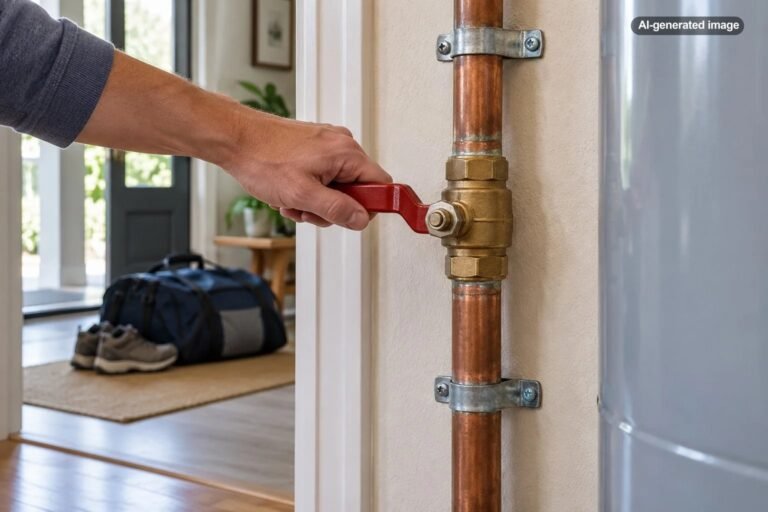
- Shut off gas at the source. For propane equipment, close the cylinder valve after use and follow the manual’s instructions for cylinder storage and disconnection.
- Install the fitted cover. Secure it so wind cannot lift it, while following any ventilation instructions supplied with the cover.
- Move portable units when severe weather is expected. Store them only in a location approved for the appliance and fuel source.
Do not rush the cooling period because clouds are arriving. Covering a hot fire pit creates a fire risk and may damage the cover or the appliance finish. If rain begins before the unit is cold, keep people away, continue supervising the extinguishing process, and allow the fire pit to cool naturally according to its instructions.
What to do after the fire pit gets wet
Do not assume that a wet fire pit is ready to use as soon as the sky clears. Remove standing water, clear loose debris, and allow the unit and approved fire media to dry thoroughly. Inspect the burner, ignition area, hoses, valves, air inlets, drain holes, and visible fasteners without dismantling components the manual says should be serviced by a qualified technician.
For a wood-burning pit, remove saturated ash only when there is no possibility of heat or live embers. Wipe accessible metal surfaces dry and look for weakened areas, flaking coatings, deep rust, or holes. Surface discoloration may be cosmetic, but perforation, distortion, unstable legs, or structural thinning can affect safe use.
For a gas model, do not use a flame to check for leaks. Follow the manufacturer’s leak-test procedure, typically involving an approved soap-and-water method, and stop if you smell gas, see damaged fittings, or cannot obtain a proper connection. Repairs to valves, regulators, fuel lines, burners, and permanent gas connections belong with a qualified professional.
Can you use a fire pit while it is raining?
Using a fire pit in active rain is generally a poor choice even when the appliance itself is weather-tolerant. Rain can make the surrounding patio slippery, wind can push flames or embers toward combustible materials, and an approaching storm may bring gusts or lightning. A roof, umbrella, canopy, porch, or pergola does not automatically make operation safe; overhead clearance and ventilation must meet the appliance instructions and applicable local rules.
The National Fire Protection Association advises placing outdoor fire pits on a level, noncombustible surface and at least 10 feet from anything that can burn. It also emphasizes keeping extinguishing equipment available and maintaining competent adult supervision. Local fire restrictions, burn bans, HOA rules, and municipal requirements can be more restrictive, so check them before use.
The best rain protection begins after the flames are out, not while the fire is still burning.
Special caution for alcohol-burning tabletop fire pits
Small tabletop units that burn pooled alcohol or another liquid fuel require particular caution. The U.S. Consumer Product Safety Commission has warned about serious flame-jetting and pool-fire hazards associated with certain products in this category. A flame may be difficult to see, and adding fuel when a flame or hot surface remains can propel burning liquid toward nearby people.
Never refill a liquid-fuel fire pit while it is burning, hot, or possibly still lit. Follow current CPSC warnings and recall information, use only fuel explicitly authorized for the product, and stop using any unit covered by a safety warning. Rain exposure does not reduce these hazards and may make the condition of the burner or remaining fuel harder to judge.
When indoor storage is the better option
Moving a portable fire pit to dry storage can be worthwhile during a rainy season, winter, extended travel, or a period when the unit will not be used. However, the fire pit must be completely cool and clean first, and fuel-storage rules still apply. Never move a propane cylinder into a living area, basement, or another location prohibited by the cylinder supplier, appliance manual, or local fire rules.
Large fire tables are usually intended to remain in place, making drainage and a secure fitted cover more important. Lightweight portable bowls are easier to shelter, but they also need protection from wind. Do not store a dirty, damp fire pit in a tightly enclosed cover or container, since trapped moisture can create its own corrosion problem.
Before you leave it outside
- Confirm the model is intended for outdoor installation or storage.
- Read the rain, storage, and covering instructions in its manual.
- Verify that ash, debris, and water cannot block drainage.
- Use a correctly sized cover after the appliance is fully cold.
- Inspect gas hoses, fittings, burners, and ignition parts before reuse.
- Move or secure portable equipment before high winds and severe storms.
Frequently asked questions
Will rain ruin a metal fire pit?
One rainstorm may not ruin it, but repeated wetting can contribute to rust, finish failure, and trapped moisture, particularly when wet ash remains inside. Drying, cleaning, drainage, and a suitable cover make a significant difference.
Can you cover a fire pit immediately after use?
No. Wait until the fire is fully extinguished and every part of the unit is completely cold. Hidden embers can remain hot after visible flames disappear.
Should a propane tank stay connected in the rain?
Follow the specific appliance and cylinder instructions. At minimum, close the cylinder valve after use, keep the cylinder upright, and inspect the hose and fittings before the next ignition. Do not improvise indoor storage for a propane cylinder.
Is a rusty fire pit still safe?
Minor surface rust may be largely cosmetic, but deep scaling, holes, unstable supports, damaged burner components, or corrosion near fuel connections warrant stopping use. Ask the manufacturer or a qualified service professional to evaluate questionable damage.