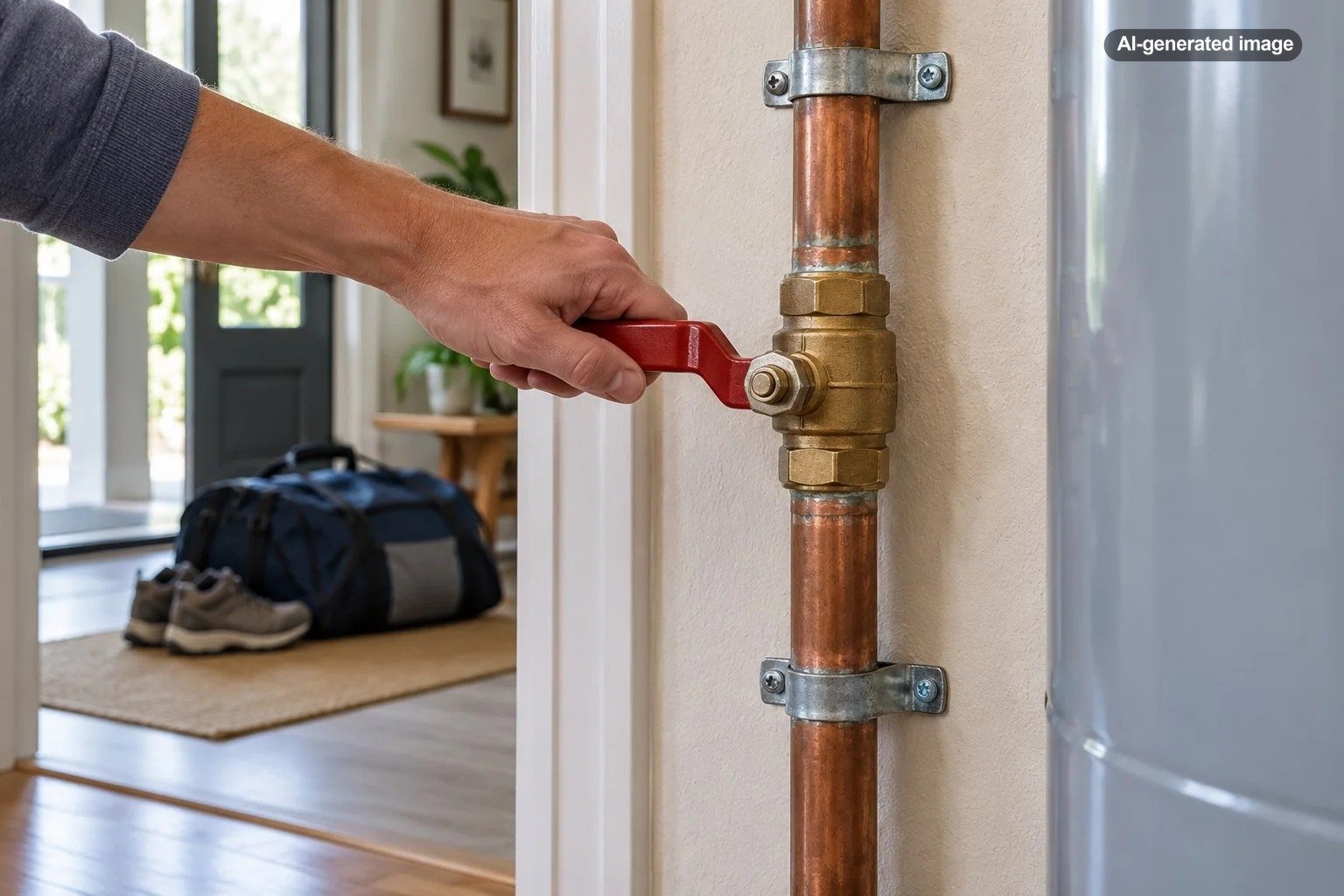
Should You Turn Off the Main Water Supply Before Evacuating?
If you are evacuating your home ahead of a hurricane, flood, wildfire, or another emergency, turning off the main water supply can be a sensible precaution. It may prevent a damaged pipe, failed supply hose, or broken fixture from continuously releasing pressurized water into an empty house. However, shutting off the water is not appropriate for every property or every emergency, and it should never delay a necessary evacuation.
The practical answer is to turn off the main water supply when you can do so safely, have time, and know that your home’s equipment can tolerate the interruption. Follow local emergency instructions first. Certain fire-protection, heating, cooling, and water-dependent systems may require special consideration, particularly in larger homes, condos, and buildings with shared infrastructure.
Why Turning Off the Main Water Supply Can Help
Most household plumbing systems remain under pressure whenever the municipal supply or private well system is operating. Even when every faucet is closed, water remains available to fixtures, appliances, and connected plumbing.
Under normal conditions, this is convenient. During an evacuation, it creates a potential problem: a damaged line can continue supplying water long after everyone has left.
Consider a washing machine supply hose that fails while the house is empty. With the main supply open, water may continue flowing until someone discovers the problem, pressure is interrupted, or another part of the system stops the flow. Closing the main valve beforehand limits the amount of new supply water that can enter the home’s plumbing.
The same principle applies to certain failures involving toilet connections, under-sink supply lines, refrigerator water connections, and damaged interior pipes.
Importantly, shutting off the supply does not instantly empty the plumbing. Water already stored in pipes, tanks, fixtures, and appliances may still escape if those components are damaged.
When Should You Shut Off the Water Before Leaving?
The decision depends on the emergency, the anticipated time away, and the home’s plumbing and mechanical systems.
| Situation | Practical approach |
|---|---|
| Planned hurricane evacuation | Consider closing the main valve if accessible, safe, and compatible with the home’s systems. |
| Possible extended power outage | Review water heater, well pump, and other equipment requirements before shutting off water or power. |
| Freezing temperatures during an extended absence | Follow a property-specific winterization plan; shutting off water alone may not prevent frozen pipes. |
| Active flooding or immediate danger | Evacuate without attempting to reach an unsafe valve. |
| Condo or shared plumbing system | Use only your authorized unit shutoff and follow building management instructions. |
| Home with water-fed fire protection | Do not disable required fire-protection water without guidance from qualified personnel or the responsible authority. |
Before a hurricane
Hurricanes can produce high winds, prolonged power outages, debris impacts, and flooding. Any of these conditions can complicate plumbing problems or delay your return home.
If officials have recommended evacuation and you still have a safe preparation window, shutting off the main supply can be one reasonable protective step. It is particularly worth considering when you expect to be away for several days.
However, a closed water valve will not stop storm surge from entering through doors, foundation openings, or other vulnerable parts of the building. It also will not prevent rainwater from entering through a damaged roof.
Before an extended evacuation during freezing weather
Cold-weather evacuations require additional planning because standing water can remain inside plumbing after the supply is shut off.
New York State Department of Health emergency guidance discusses shutting off water when prolonged below-freezing indoor temperatures are possible, along with additional measures involving water heaters and plumbing drainage.
A home that may lose heat for several days can require professional winterization. Water heaters, boilers, hydronic heating systems, toilets, traps, and other equipment may need different treatment. Simply closing the main valve is not a complete freeze-protection strategy.
When You Should Not Attempt to Shut Off the Main Valve
There are circumstances in which reaching or operating the valve presents more risk than leaving the plumbing pressurized.
Do not attempt to operate an unfamiliar valve inside a flooded basement, damaged utility room, or another hazardous area. Avoid forcing a corroded or jammed valve, which could fail and create another leak.
Also consider whether the main valve supplies equipment that must remain operational. Some residential sprinkler systems, shared fire-protection connections, specialized cooling equipment, and other installations may be affected by water shutoff.
If you are unsure what a valve controls, do not guess during an emergency. Establish the correct procedure in advance with a plumber, building manager, or qualified service professional.
How to Turn Off Your Main Water Supply Safely
The best time to learn your home’s shutoff procedure is well before an evacuation warning. A few minutes of preparation during ordinary conditions can prevent confusion when weather or travel conditions become stressful.
What to do
- Locate the household main shutoff. In many homes, it is near the point where the water service enters the building, often in a basement, utility area, crawl space, or garage. Locations vary by plumbing design and climate.
- Identify the correct valve. Confirm that it controls the home’s domestic water supply rather than a single fixture, irrigation branch, shared building line, or fire-protection connection.
- Check equipment requirements. Review the operating instructions for your water heater, boiler, well pump, water treatment equipment, and any appliances that depend on incoming water.
- Close the valve gently. A typical lever-operated ball valve closes when its handle is perpendicular to the pipe. Many wheel-style valves close by turning clockwise. Valve designs vary, so use the appropriate procedure for your installation.
- Confirm the shutoff if time permits. Briefly opening an ordinary cold-water faucet can help determine whether the supply has stopped. Some residual water may still flow.
- Record the shutoff. Leave a clear reminder that the water is off, particularly if another authorized person may enter the property before you return.
If the valve leaks around its stem, will not turn normally, or appears damaged, stop attempting to operate it. Arrange a professional inspection when conditions are safe.
What About the Water Heater and Other Equipment?
The home’s main valve is only one part of its water system. Turning it off without considering connected equipment can create avoidable complications.
Tank-style water heaters
A storage water heater normally contains a substantial volume of water even after the incoming supply is closed. Depending on the appliance and evacuation conditions, the manufacturer may recommend adjusting its operating mode or disconnecting its energy supply.
Do not assume that shutting off the main water valve automatically makes the water heater safe for an extended absence. Conversely, do not randomly operate gas controls, drain valves, or electrical connections without understanding the equipment.
For freezing-weather preparations, New York State emergency guidance specifically addresses turning off a water heater’s energy supply before certain water shutoff and drainage procedures. The appropriate sequence for an individual home should follow its equipment instructions and qualified professional advice.
Private wells and pressure systems
Homes served by private wells may have pumps, pressure tanks, and other components that behave differently from municipal water systems.
Closing a valve does not necessarily remove power from a well pump or depressurize a pressure tank. Some systems require a defined shutdown procedure, including electrical considerations.
Ask a well-system professional to explain which valves and controls should be used during an extended absence. Labeling those controls ahead of time is far more reliable than troubleshooting during a storm warning.
Fire sprinklers and specialized systems
Some residential fire sprinklers share portions of the domestic water supply, while others have separate connections and controls. Closing the wrong valve could impair fire protection.
Similarly, certain heating systems, humidifiers, filtration setups, and specialized mechanical equipment may use incoming water.
Identify these dependencies before creating a household evacuation checklist. Where the supply arrangement is uncertain, obtain professional guidance rather than treating the main shutoff as a universal switch.
Does Turning Off the Water Prevent Flood Damage?
It helps prevent one particular category of damage: continued water release from failures connected to the home’s domestic supply.
It does not make a house floodproof.
Water can enter from outside through heavy rainfall, storm surge, overflowing drainage systems, groundwater, or damaged building components. Sewer backups can also occur independently of the pressure in your home’s domestic supply lines.
Likewise, water already inside a storage tank or appliance remains present after the main supply is turned off.
Should You Drain the Pipes After Closing the Valve?
Not necessarily. Shutting off the supply and draining the plumbing are different procedures with different purposes.
For a brief absence in mild weather, fully draining the plumbing is often unnecessary. For prolonged freezing conditions, however, water left inside pipes, fixtures, and equipment can freeze and cause damage.
Proper winterization may involve draining selected sections, protecting plumbing traps, and following appliance-specific procedures. Some systems should not be drained casually, including certain hydronic heating arrangements.
If your home is at risk of losing heat in freezing weather, consult a qualified plumber or heating professional before the emergency season. A written procedure tailored to your house is more useful than a generic instruction to open every faucet.
What If You Live in a Condo, Apartment, or Rental?
Shared buildings introduce additional complications because plumbing connections may serve multiple units or essential common systems.
An apartment may have an individual unit shutoff, accessible fixture valves, or no resident-accessible main valve at all. In some buildings, the primary water controls are located in locked mechanical rooms.
Never close an unidentified shared supply valve or enter a restricted mechanical area to prepare for evacuation.
Instead, ask the building manager, landlord, or homeowners association where your authorized shutoff is located and whether residents are expected to use it before extended absences.
For renters who cannot control the building’s main supply, knowing how to close individual washing machine or fixture valves may still be useful when the landlord or maintenance provider confirms the proper procedure.
What to Check When You Return Home
Do not immediately reopen the main valve without first checking whether the property has experienced damage.
Follow official reentry guidance and wait until authorities indicate that returning is safe. Look for signs of flooding, structural problems, damaged plumbing, and electrical hazards before operating household systems.
Before restoring the water
- Confirm that entering the property and accessing the shutoff location are safe.
- Look for obvious broken pipes, displaced fixtures, wet ceilings, or standing water.
- Check whether local utilities have issued drinking-water advisories or restoration instructions.
- Consider whether water heaters, well equipment, and other connected systems require inspection or a specific restart sequence.
- Restore the supply gradually when appropriate, monitoring accessible connections for leaks.
- Stop and contact a qualified plumber if water escapes unexpectedly, pressure behaves abnormally, or equipment appears damaged.
If the building was flooded, do not energize damaged equipment or operate electrical controls while standing in water. The CDC advises professional electrical evaluation when floodwater may have affected a home’s electrical system.
Water that has been shut off for an extended period may also require attention to drinking-water quality. Follow local water utility instructions, especially when a boil-water or do-not-use advisory has been issued.
Make the Water Shutoff Part of Your Emergency Plan Now
An effective evacuation plan does not depend on remembering an unfamiliar mechanical procedure under pressure.
During normal conditions, locate the water valve, identify any related equipment, and confirm the proper shutdown process with a knowledgeable professional. Make sure other household members know where the valve is, even if only one person normally manages home maintenance.
Consider keeping a simple diagram or written instruction sheet with your emergency supplies. Include information about the water heater, well system if applicable, and any equipment that requires special handling.
Basic water-leak alarms can also help detect developing plumbing problems when someone is close enough to hear them. However, ordinary audible alarms do not necessarily provide remote notifications, and they are not substitutes for shutting off water when doing so is appropriate.
For homes frequently left unattended, professionally selected automatic water shutoff systems may offer additional protection against certain plumbing leaks. Their effectiveness depends on correct installation, compatibility, maintenance, and the specific type of failure involved. They cannot prevent external floodwater from entering a building.
Frequently Asked Questions
Should I turn off my water before evacuating for a hurricane?
For many single-family homes, it is a reasonable precaution if you have sufficient time, the valve is safely accessible, and connected equipment does not require uninterrupted water service. Always follow local emergency instructions and never postpone an ordered evacuation to complete the task.
Will turning off the main water supply damage my plumbing?
Closing a functioning domestic water shutoff normally does not damage ordinary household pipes by itself. However, connected equipment may have operating requirements, and trapped water can still freeze during prolonged cold conditions. Confirm the procedure for your particular systems.
Should I turn off the water if I am evacuating for only one night?
There is no universal requirement. If the shutoff is readily accessible and compatible with your equipment, closing it may still reduce potential plumbing-leak exposure. For a very brief absence, the benefit may be relatively limited. Safety and local instructions remain the deciding factors.
Should I turn off the gas and electricity at the same time?
Do not assume all utilities should be shut off together. Follow official emergency instructions and equipment-specific guidance. Gas shutoffs in particular can involve procedures requiring utility personnel or qualified professionals before service is restored.
Can I turn the water back on immediately after a flood?
Only after it is safe to enter, the relevant plumbing and mechanical equipment have been assessed, and any local water-service advisories have been considered. If pipes or appliances appear damaged, obtain professional assistance before restoring the supply.
The Bottom Line
Turning off the main water supply before evacuating is often a useful precaution, but it is not a blanket rule. For a typical single-family home, it can help limit damage from broken plumbing while the property is unattended. For buildings with shared plumbing, fire protection, specialized equipment, or freezing-weather concerns, the correct procedure may be more involved.
Learn the shutoff procedure before an emergency, follow local authorities, and never place yourself in danger to protect household plumbing. The most important part of an evacuation plan is getting everyone out safely.
Sources & Further Reading
- National Oceanic and Atmospheric Administration: Get Moving When a Storm Threatens – Official evacuation preparation and utility guidance.
- New York State Division of Homeland Security and Emergency Services: Hurricane Safety Tips – Evacuation orders and instructions for utility shutoffs.
- New York State Department of Health: Evacuation – Water shutoff and freezing-weather considerations.
- American Red Cross: Checking Your Home’s Utilities – Plumbing and mechanical-system precautions following disasters.
- Centers for Disease Control and Prevention: Safety Guidelines for Reentering Your Flooded Home – Safety considerations when returning to a flooded property.