

Home Care
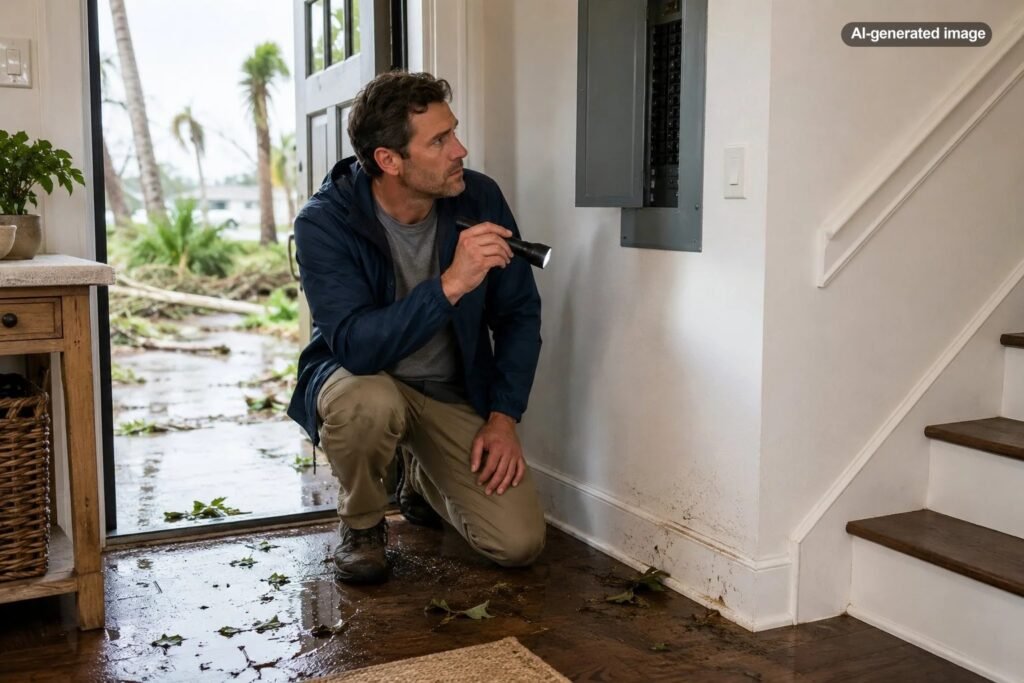
What Should You Check First After Returning Home After a Hurricane?
Check structural, electrical, gas, floodwater, mold, and food hazards in the safest order when returning home after a hurricane.
The Crane Manor archive
Interiors, gardens, kitchens, technology, maintenance, and thoughtful ideas for a more beautiful and functional home.
Check structural, electrical, gas, floodwater, mold, and food hazards in the safest order when returning home after a hurricane.
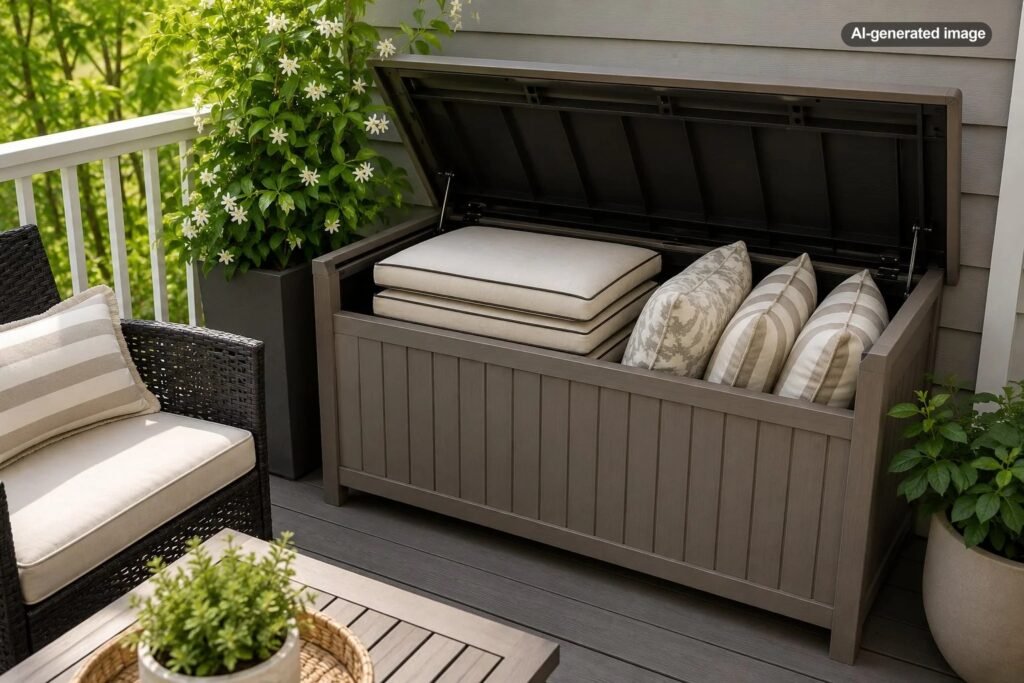
Store patio cushions in a small space by cleaning and drying them, compressing only when appropriate, and using vertical or hidden storage.

A living room walkway should usually be 30 to 36 inches wide. Learn when to allow more space and how to measure around furniture.
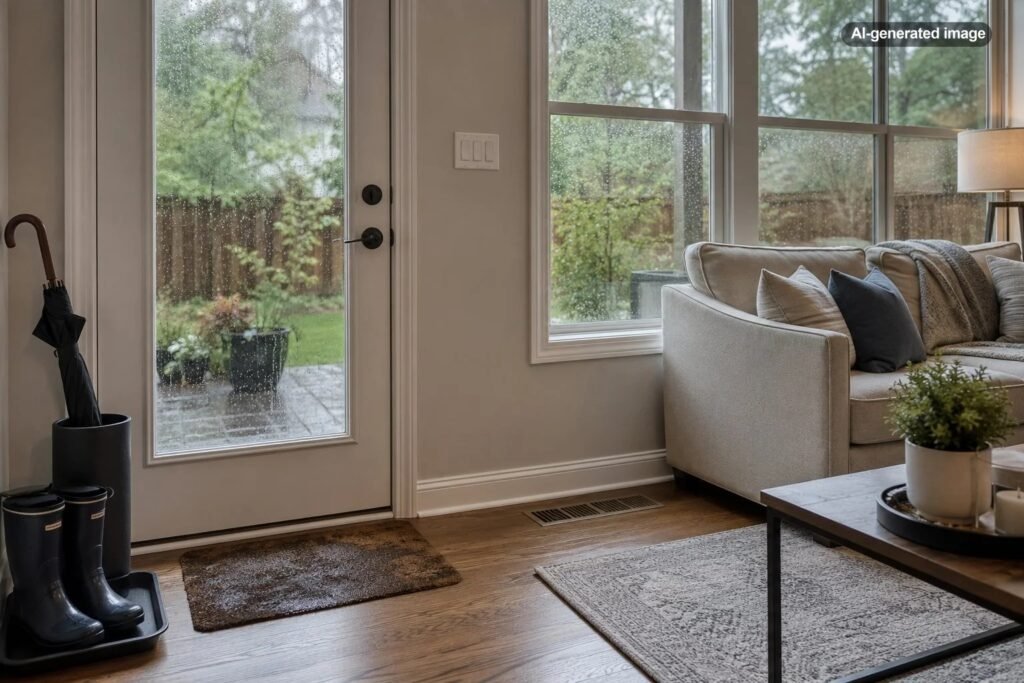
Rain can reveal hidden moisture, mold, drains, soil odors, and ventilation issues. Learn how to identify the source and when to call a professional.

Learn how to choose the best bedding color for a guest room using comfort, style, room size, and practical design considerations.

Make a small living room feel larger by rearranging furniture, improving sightlines, reducing visual clutter, and using light more effectively.
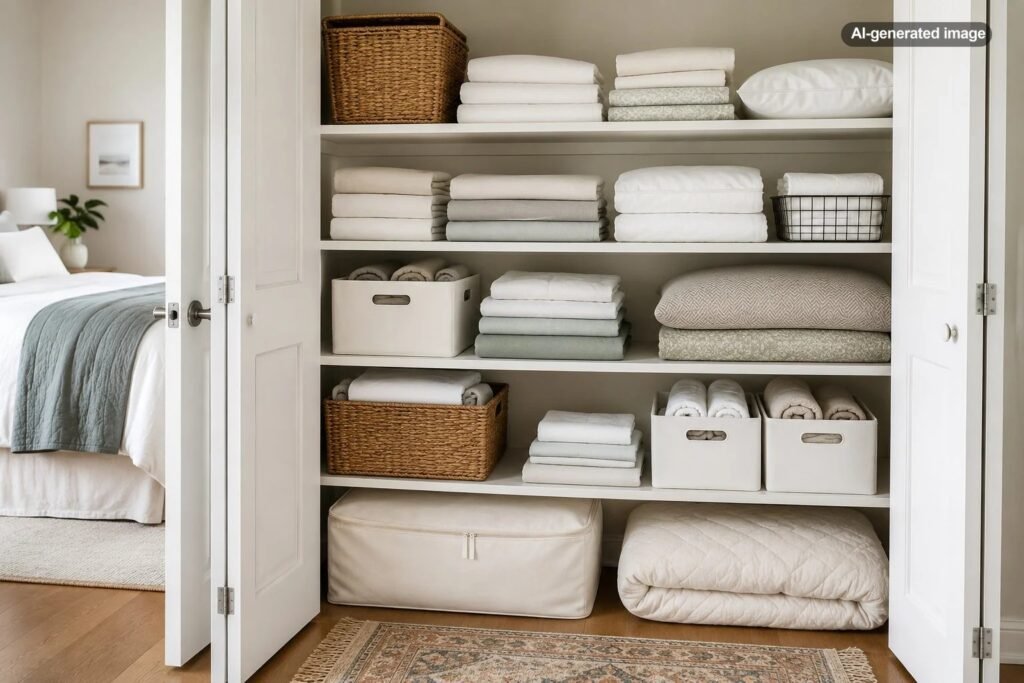
Store extra bed linens clean, dry, organized, and easy to identify with breathable containers, sensible folding, and the right location.
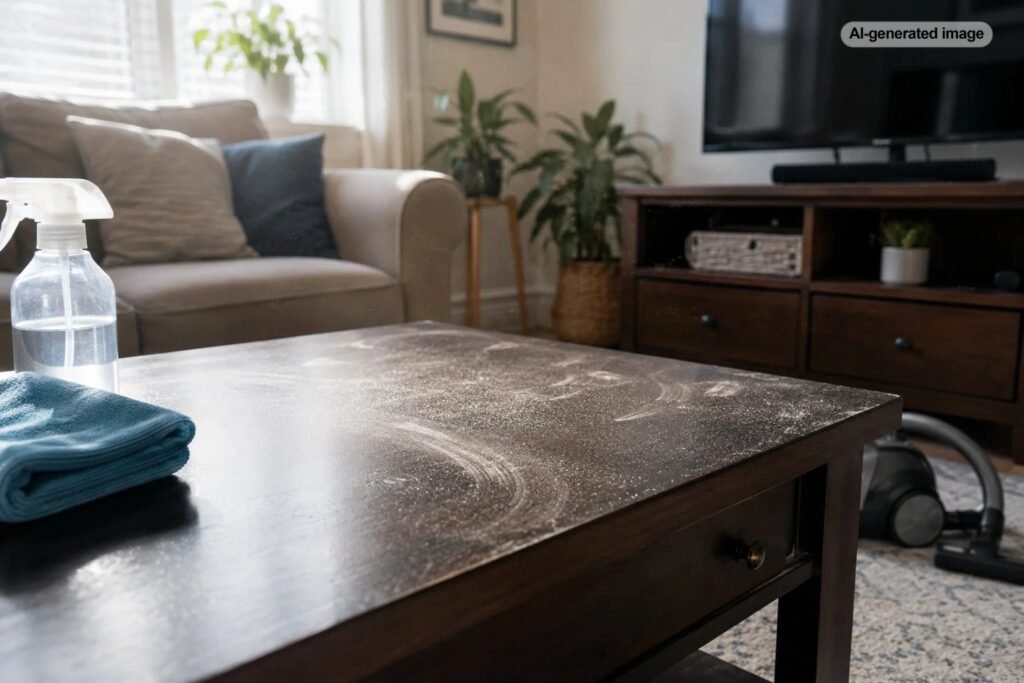
Dust returning overnight usually points to airborne particles, cleaning technique, fabrics, outdoor air, pets, or an HVAC filtration issue.
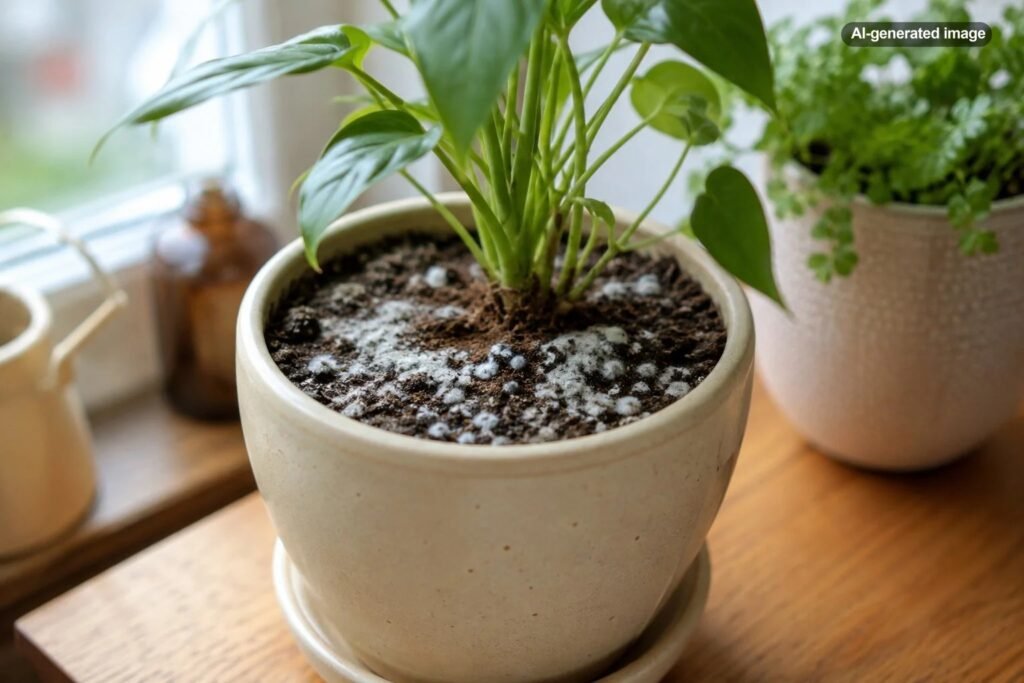
Mold on houseplant soil usually points to excess moisture. Learn what causes it, how to remove it, and when your plant needs more help.
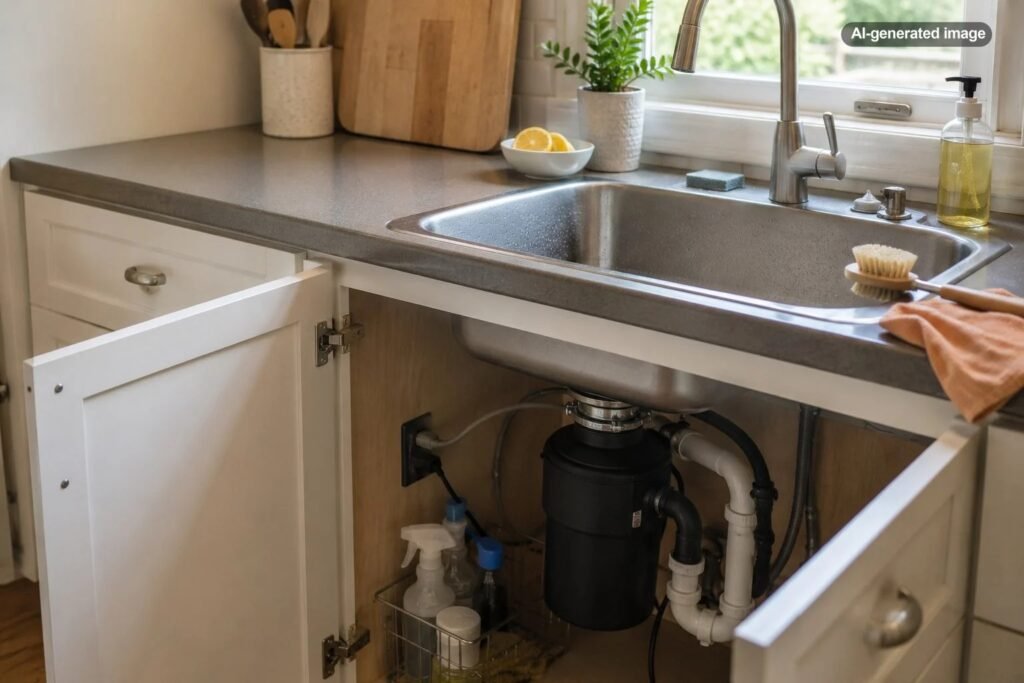
A rotten-egg smell from a garbage disposal often comes from trapped food, a dirty splash guard, drain buildup, or a plumbing vent problem.
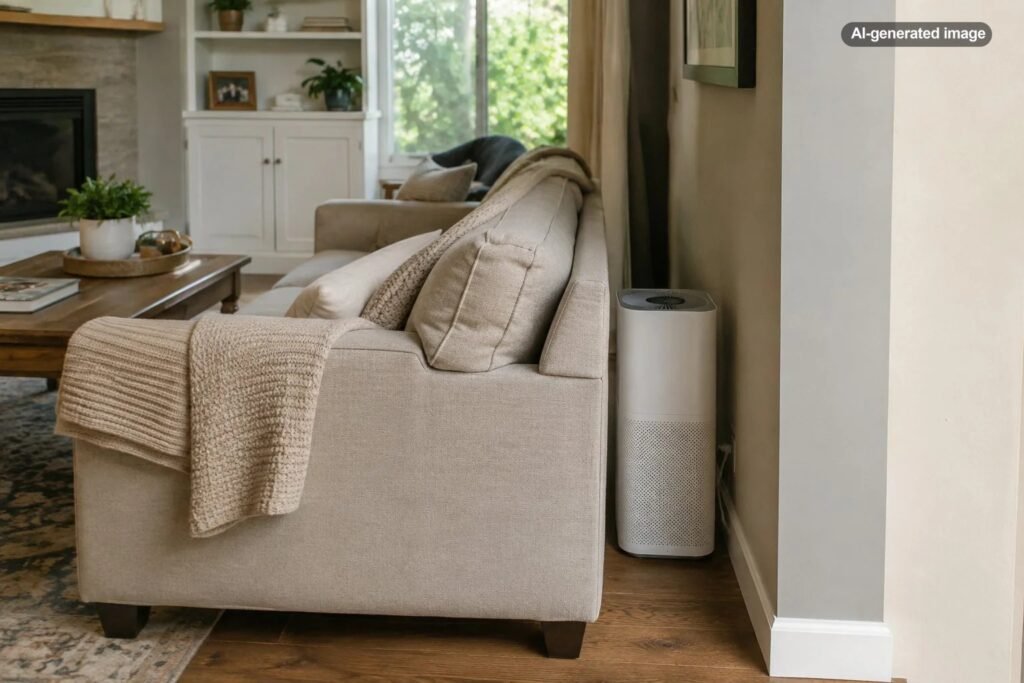
You can place an air purifier behind a sofa only if its intake and outlet remain unobstructed. Learn how much clearance and airflow matter.
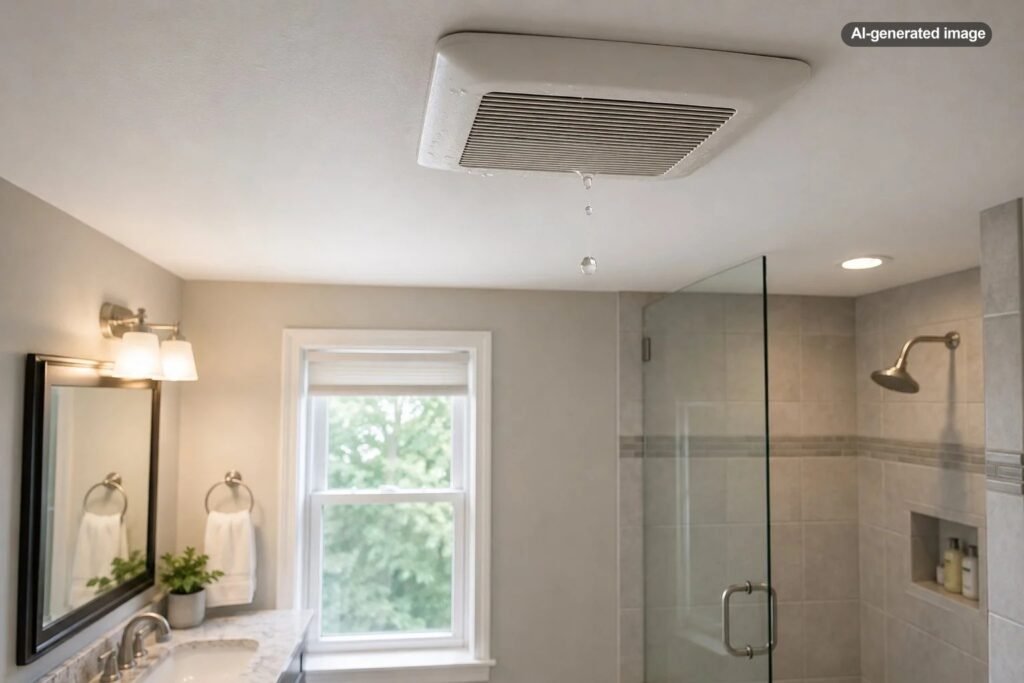
A dripping bathroom exhaust fan usually signals condensation, a blocked vent, or an exterior leak. Learn how to identify the cause and fix it.