How Often Should You Clean an AC Condensate Drain Line?
For most central air conditioners and heat pumps, the condensate drain line should be inspected and cleared at least once a year, ideally as part of a spring cooling-system tune-up. Homes in humid climates, systems that run for long cooling seasons, and drain lines with a history of clogging may need attention more often. The right schedule is less about following a rigid calendar and more about making sure water can drain freely before buildup turns into an overflow.
An AC condensate line carries away the water that forms when warm, humid indoor air passes over the cold evaporator coil. Dust, biological growth, and other debris can collect in the pan and piping over time, so a line that looked fine last season can gradually become restricted.
Why annual cleaning is a useful baseline
ENERGY STAR recommends annual pre-season HVAC checkups and specifically includes inspection of the condensate drain as part of a typical maintenance visit. A plugged drain can allow water to back up and may affect indoor humidity. Carrier likewise notes that condensate drains are commonly inspected and cleared during annual AC maintenance.
That makes once a year a practical baseline for many households. Schedule the work before the part of the year when your cooling system runs hardest. If your air handler is in an attic, closet, finished basement, or another location where a small overflow could damage ceilings, flooring, or stored belongings, it is especially worthwhile to make drainage part of routine maintenance rather than waiting for symptoms.
When you may need to check the drain line more often
An annual visit is not a guarantee that every drain line will remain clear for 12 months. Condensate production varies with climate, humidity, equipment runtime, installation details, and the amount of dust or debris reaching the indoor coil area. A home in a hot, humid region may produce condensate for many more months of the year than a home with a short cooling season.
Consider checking the drain during the cooling season if the system has clogged before, the air handler is located above finished living space, or you have noticed slow drainage. Carrier advises inspecting a drain sooner when there is water around the indoor unit or slow drainage, and notes that humid or dusty conditions can justify more frequent attention.
What a clogged condensate line can look like
The most obvious clue is water where it should not be. Trane lists puddles near the indoor unit, visible water damage, musty odors, loss of cooling, and a system that will not turn on among possible signs of condensate-drain trouble. Some systems have a float or wet switch that can shut the equipment down when the drain pan fills, which is intended to reduce the chance of an overflow.
Not every shutdown or cooling problem is caused by the drain line. If the system stops cooling, leaks repeatedly, or the source of the water is unclear, a qualified HVAC professional should diagnose the problem rather than assuming the condensate line is the only cause.
What to do
- Look around the indoor HVAC unit for standing water, staining, rust, or an overflowing auxiliary pan.
- Check whether the visible drain outlet is flowing normally while the system is producing condensate.
- Turn the system off before opening or servicing any condensate access point.
- If the line appears blocked and you are not certain how the drain is routed, stop and call an HVAC professional.
- After the problem is cleared, confirm that water drains freely and that no secondary damage was left behind.
Can you clean an AC condensate line yourself?
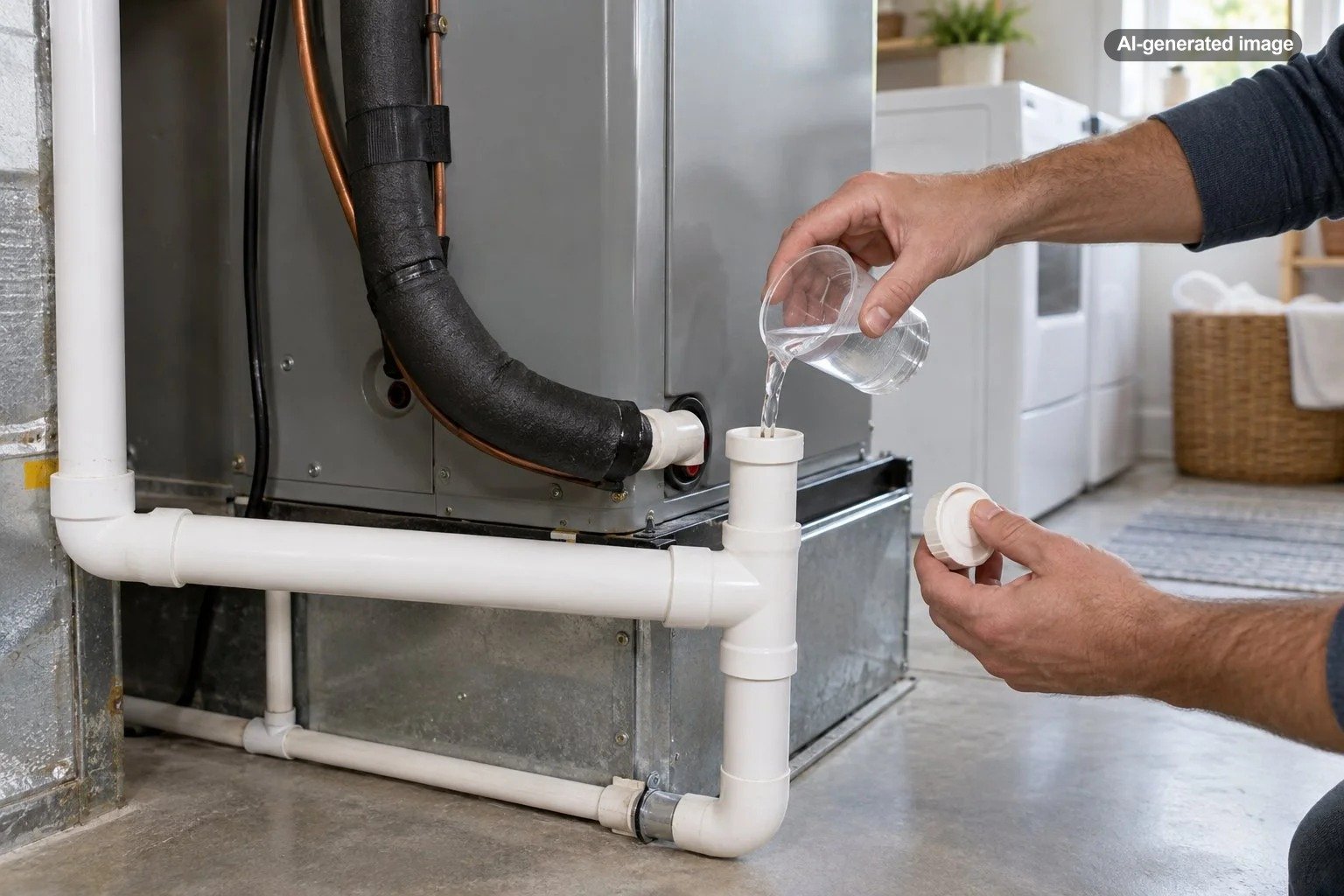
Some homeowners can perform simple preventive maintenance if the drain access is clearly identified and the equipment manufacturer or HVAC contractor has shown them the correct procedure. Carrier describes turning the air conditioner off before working on the drain and notes that a wet/dry vacuum at the drain outlet or distilled vinegar through an appropriate access point may be used in some situations.
However, not every system is piped the same way. Do not pour cleaners into an opening unless you know it is the condensate drain access and you know the material is appropriate for your system. Avoid improvised pressure methods that could separate a fitting or push debris deeper into the piping. If the line is inaccessible, repeatedly clogged, or connected to a complicated drainage setup, professional service is the safer choice.
How to reduce the chance of water damage
Keeping the drain line clear is the first defense, but it is not the only one. The location of the air handler matters. A small overflow in a garage utility area may be inconvenient; the same overflow from an attic unit can reach insulation, drywall, or ceilings below before anyone notices.
Affiliate disclosure: CraneManor.com may earn a commission when you purchase through links on this page. This does not affect the price you pay. Learn more.
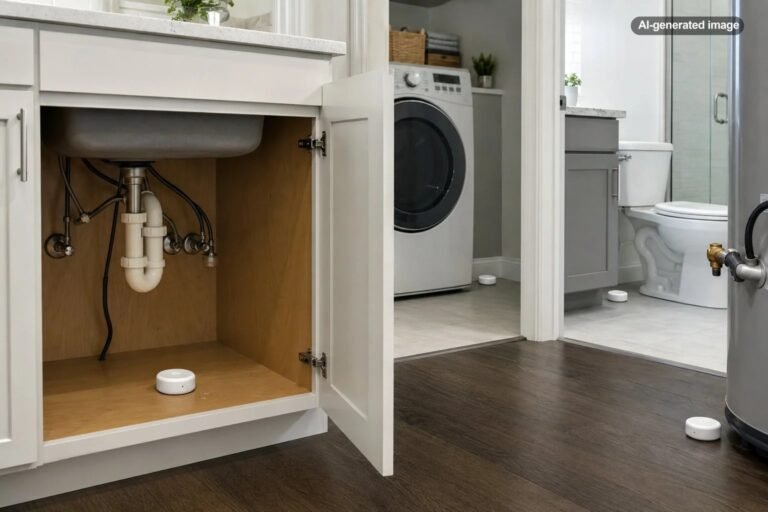
If your indoor unit sits in an area where a leak could go unnoticed, placing a set of water leak detectors near leak-prone locations can provide an audible warning if water reaches the sensor. This type of device is a local alarm, not a substitute for a float switch, drain maintenance, or a professionally corrected drainage problem.
A practical maintenance schedule
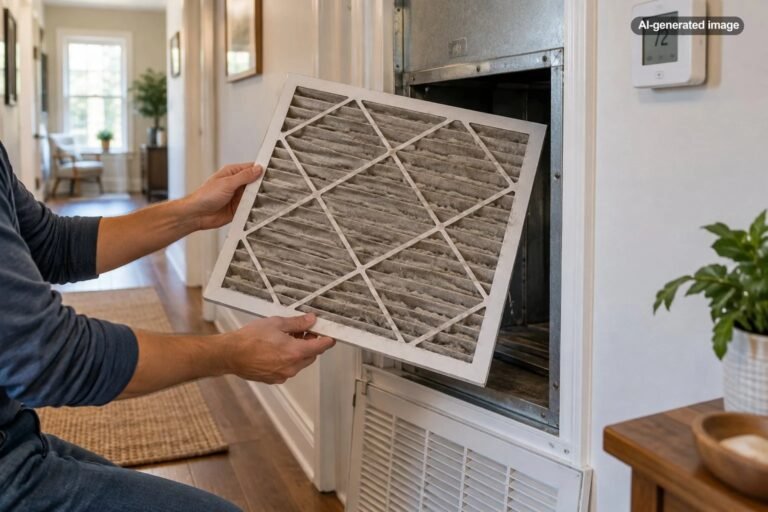
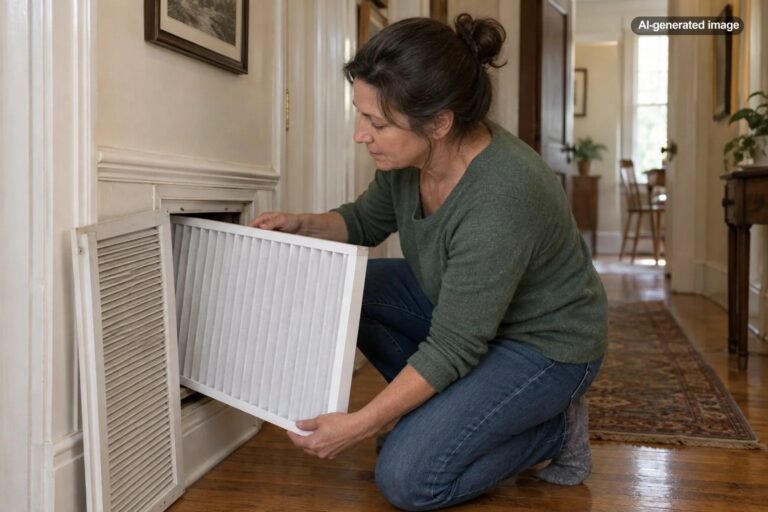
For a system without a clog history, start with a professional inspection and drain cleaning once per year before cooling season. During heavy-use months, make a quick visual check around the indoor unit and drain outlet when you change or inspect the HVAC filter. You do not need to dismantle equipment; the goal is simply to notice water, staining, slow drainage, or unusual odors early.
If the line has clogged before, ask the technician what caused it and whether your installation needs more frequent preventive cleaning. In humid climates, a second check during the cooling season may be reasonable. The important distinction is between routine monitoring and repeated emergency unclogging: the latter suggests the drainage system deserves a closer look.
Before you decide on a schedule
- How many months per year does the AC or heat pump run in cooling mode?
- Has the condensate line clogged or overflowed before?
- Is the air handler above finished rooms or valuable flooring?
- Can you easily see the drain outlet and surrounding area?
- Does your system have a functioning condensate safety switch or auxiliary pan?
Frequently asked questions
Should I clean the condensate line every month?
Monthly cleaning is not necessary for every home. Annual professional inspection is a reasonable starting point, while systems with heavy runtime or a history of clogs may benefit from additional checks or a technician-recommended preventive routine.
Is a little water in the condensate drain normal?
Yes. The system is designed to create and remove condensate during cooling. The concern is water that backs up, overflows the pan, appears around the air handler, or fails to drain as expected.
Can a clogged drain shut off the AC?
It can if the system has a float or wet switch that responds to rising water. A shutdown can also have many other causes, so recurring problems should be diagnosed rather than treated as proof of a drain clog.
When is the best time to have the line cleaned?
Spring, before peak cooling demand, is a convenient time because the condensate drain can be checked as part of annual AC maintenance. In long, humid cooling seasons, consider a second visual inspection during the season.