

How Do You Keep an Unused Guest Room From Smelling Stale?
An unused guest room can start smelling stale even when it looks perfectly clean. The usual culprits are simple: limited airflow, fabrics that sit undisturbed for weeks, dust, closed closets, and small amounts of indoor humidity that have nowhere to go.
The best fix is not to mask the room with stronger fragrance. Instead, keep air moving occasionally, wash and fully dry the bedding, clean the quiet corners that collect dust, and make sure the room is not holding excess moisture.
Why an unused guest room can develop a stale smell
A room does not need to be dirty to smell closed-up. In fact, a guest room often gets less attention precisely because nobody is living in it every day. Doors stay shut, windows stay closed, the ceiling fan rarely runs, and sheets, pillows, curtains, rugs, and upholstered furniture remain in the same position for long stretches.
That creates a different environment from an actively used bedroom. In a lived-in room, doors open and close, bedding gets changed, drawers move, clothing circulates, and the room is cleaned more often. Those small disturbances help prevent air and dust from becoming stagnant.
Soft materials also absorb ordinary household odors. Bedding can pick up scents from cooking, pets, cleaning products, nearby bathrooms, or the home’s general indoor air. When those fabrics remain enclosed in a quiet room, the smell can become more noticeable the next time you walk in.
Start with airflow before adding fragrance
If the room simply smells closed-up, airflow is the first thing to improve. Open the door for part of the day, run a ceiling fan if the room has one, or briefly open a window when outdoor conditions are comfortable and appropriate.
You do not need to keep the guest room permanently open. The goal is simply to prevent it from becoming an isolated pocket of still air. Even modest, regular circulation can make a room feel noticeably fresher.
Refresh the bedding, even when nobody has slept in it
A neatly made bed can look guest-ready for months while quietly collecting dust. Sheets, pillowcases, shams, blankets, quilts, duvet covers, and decorative pillows all benefit from periodic attention even when they have not been used overnight.
Strip the bed occasionally and wash washable layers according to their care labels. Make sure everything is completely dry before remaking the bed. If bulky bedding does not need washing, airing it out and giving the mattress surface time uncovered can still help.
Decorative pillows are easy to overlook because they rarely appear dirty. Vacuum them with an upholstery attachment when suitable for the fabric, launder removable covers, or follow the manufacturer’s cleaning directions. The same principle applies to upholstered benches, fabric headboards, and accent chairs.
Do not forget the mattress and area under the bed
The bed itself can trap more dust than the visible surfaces suggest. Vacuum the mattress surface using an appropriate attachment, paying attention to seams and edges. While the bedding is off, clean under the bed as well.
Guest rooms often become unofficial storage rooms, and boxes beneath the bed can reduce access for cleaning. If possible, keep enough open space that you can vacuum or dust underneath without turning the task into a major project.
What to do
- Remove bedding and wash or air out washable layers.
- Vacuum the mattress, bed frame, and upholstered headboard if applicable.
- Clean beneath the bed and behind nearby furniture.
- Dust baseboards, blinds, window sills, lamps, and ceiling-fan blades.
- Remake the bed only after fabrics are fully dry.
Clean the room’s quiet surfaces
The surfaces people rarely touch are often the ones that make an unused room feel stale. Dust settles on trim, fan blades, picture frames, lampshades, curtain rods, vents, and the tops of furniture. None of these areas creates dramatic odor on its own, but together they can give a room that unmistakable closed-up quality.
Vacuum rugs and carpet thoroughly, including the edges where flooring meets the wall. If the room has curtains, clean them according to the fabric instructions or vacuum them gently if appropriate. Washable throw rugs should be cleaned and dried fully before returning them to the room.
Open closets and drawers occasionally
A guest-room closet can become even more stagnant than the bedroom itself. When closet doors stay shut for months, stored linens, luggage, extra pillows, cardboard boxes, and clothing all sit in the same enclosed air.
Open the doors during routine cleaning and let the closet air out. Avoid packing shelves so tightly that nothing can circulate around stored textiles. If you store spare sheets or blankets there, make sure they are fully clean and completely dry before putting them away.
Pay attention to humidity and moisture
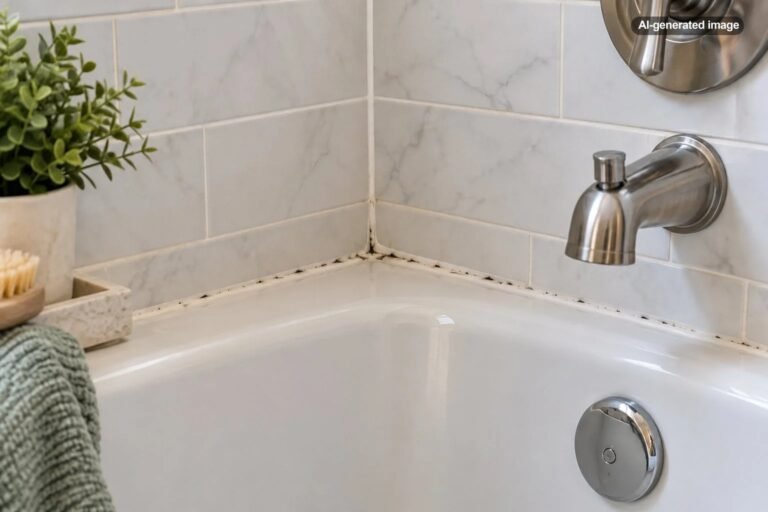
A stale room and a damp room are not necessarily the same problem. A guest room that simply needs fresh air may improve quickly after cleaning and ventilation. A room that repeatedly smells musty, feels clammy, develops condensation, or shows visible moisture deserves closer attention.
Check around windows, exterior walls, baseboards, closets, and nearby plumbing areas for signs of dampness. Move furniture slightly away from the wall when practical so you can inspect hidden surfaces. If the room has its own bathroom, include that space in the inspection rather than assuming the odor originates in the bedroom.
Be selective with air fresheners
Once the room is clean and dry, a subtle home fragrance can be pleasant. The key word is subtle. Heavy sprays or strongly scented plug-ins can make a rarely used bedroom feel more artificial than fresh, especially when guests first enter after the door has been closed.
A light linen spray, a small diffuser, or another restrained fragrance method can work if you enjoy scented rooms. For fragrance-sensitive guests, however, the safest decorating choice is often no added scent at all. Fresh bedding and neutral air are broadly welcoming.
Create a five-minute guest-room reset
The easiest way to prevent stale odors is to keep the room in light rotation rather than ignoring it until visitors are on the way. A short reset every few weeks is usually more manageable than a major pre-guest cleaning session.
Before guests arrive
- Open the door and circulate air.
- Check that bedding smells clean and feels fully dry.
- Vacuum the floor, rugs, and visible upholstery.
- Dust the nightstands, lamps, and window area.
- Open the closet briefly and inspect stored linens.
- Check for moisture around windows and exterior walls.
- Use fragrance sparingly, if at all.
What if the guest room doubles as storage?
Multipurpose guest rooms need a little more discipline because stored belongings can restrict airflow and collect dust. Cardboard boxes, luggage, seasonal textiles, craft supplies, and rarely worn clothes can make the room harder to clean thoroughly.
Use closed storage where it makes sense, but avoid filling every corner. Leave floor edges accessible, keep textiles clean before storing them, and resist stacking belongings directly against exterior walls where you would not notice dampness or staining.
If the room converts from office or storage space to bedroom when guests arrive, consider keeping the bed linens protected but easy to access. That way, you can freshen the room without having to unpack half the closet first.
How often should you freshen an unused guest room?
There is no single schedule that fits every home. A room in a humid climate, a home with pets, or a bedroom near the kitchen may need attention more often than a dry, quiet upstairs room.
A practical approach is to include the guest room in normal housekeeping often enough that dust, fabrics, and airflow never get completely forgotten. If you walk in and immediately notice a closed-room smell, that is a useful sign that the room needs more frequent circulation or cleaning.
FAQ
Why does my guest room smell stale even with clean sheets?
The odor may be coming from other fabrics, dust, carpet, curtains, an enclosed closet, upholstered furniture, or simply limited airflow. Cleaning only the sheets may not address the rest of the room.
Should I leave the guest-room door open all the time?
Not necessarily. Opening it regularly can improve circulation, but the best arrangement depends on privacy, pets, heating and cooling, and how your home is used.
Can I just use an air freshener?
You can use fragrance after the room is clean, but it should not be the primary solution. If the underlying issue is dust, stale fabrics, or moisture, stronger fragrance usually hides the problem rather than correcting it.
Should I remake the bed immediately after washing the bedding?
Only once every layer is fully dry. Putting slightly damp bedding back on the bed can make the room smell worse rather than fresher.
What should I do if the musty smell keeps coming back?
Look for a recurring source of moisture, including condensation, leaks, damp materials, or hidden areas behind furniture and inside closets. Persistent moisture-related odors deserve investigation rather than repeated deodorizing.
A guest room stays fresher when it remains part of the household instead of becoming a sealed display room. Give it occasional airflow, keep its fabrics and quiet surfaces clean, watch for moisture, and save fragrance for the final touch. That small routine is usually enough to make the room feel ready long before the overnight bag arrives.