

Bed & Bath
Why Do White Towels Look Dingy After Washing?
White towels can turn dingy from detergent buildup, hard water, body oils, overloading, and wash habits. Here is how to get them brighter.
The Crane Manor collection
White towels can turn dingy from detergent buildup, hard water, body oils, overloading, and wash habits. Here is how to get them brighter.
Warm water is best for most towels, while hot or cold may suit specific fabrics, colors, and soil levels. Learn how to choose the…

Removing shoes at the door can reduce tracked-in dust and contaminants. Here is what it can - and cannot - do for indoor air…
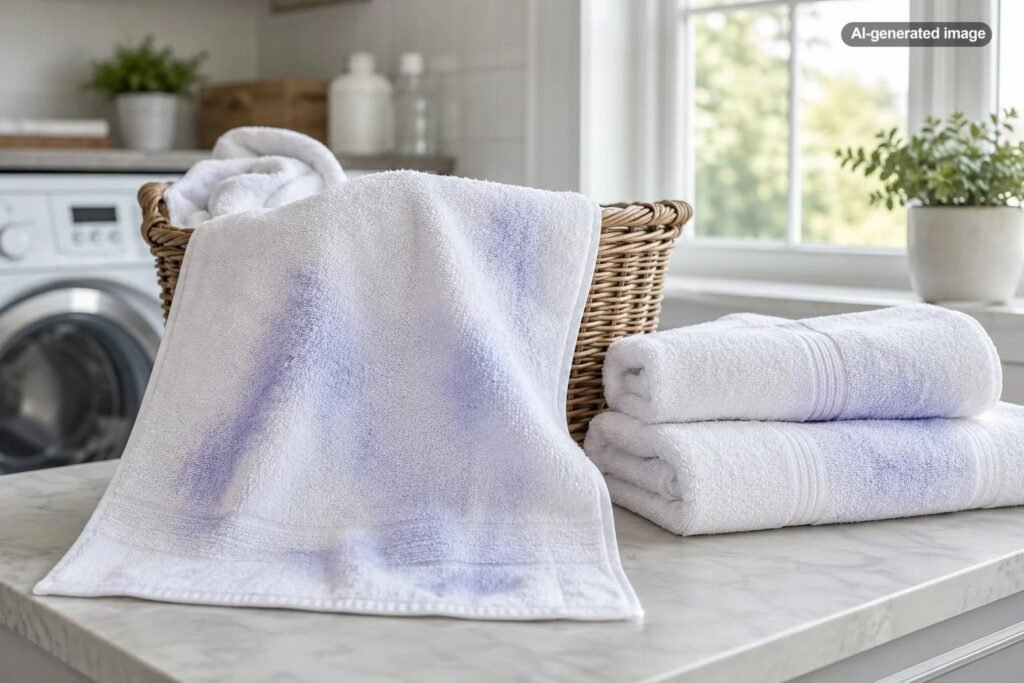
Blue or purple stains on white towels usually come from dye transfer or laundry products. Learn how to identify, remove, and prevent them.
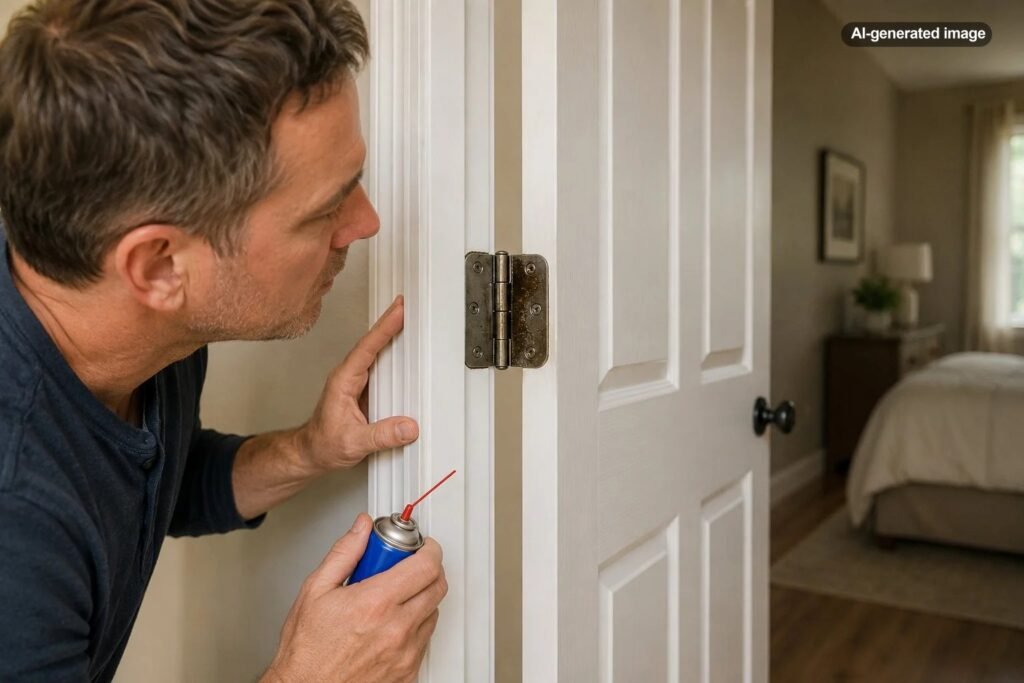
A lubricated door hinge may keep squeaking because of trapped dirt, poor lubricant coverage, loose hardware, misalignment, rust, or worn parts.
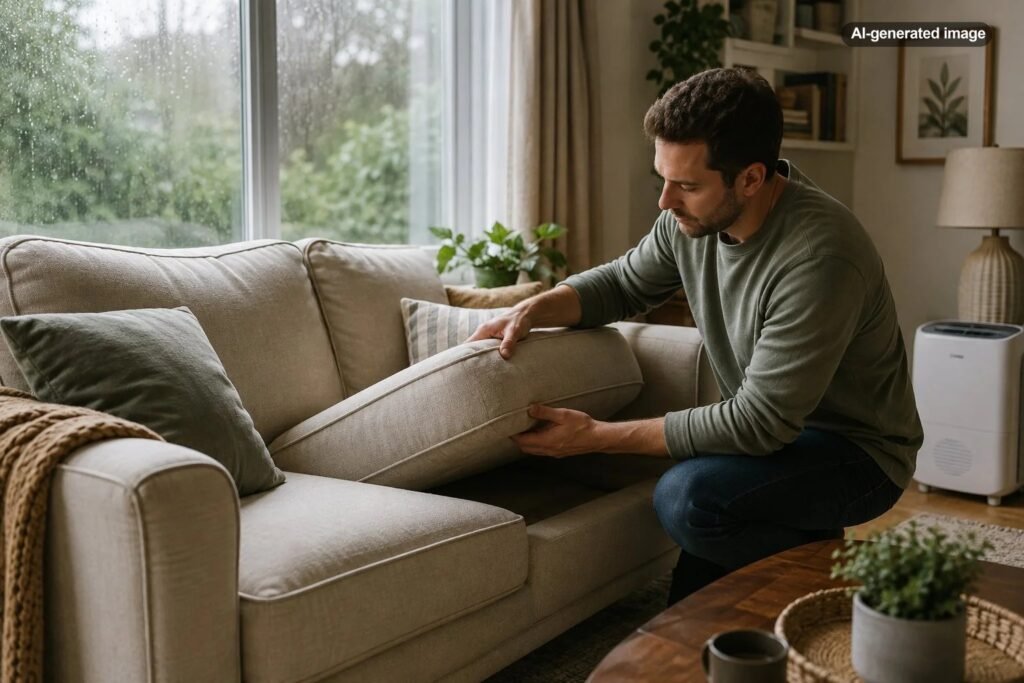
A musty sofa after humid weather often points to trapped moisture. Learn how to narrow down the cause, dry upholstery, and spot warning signs.
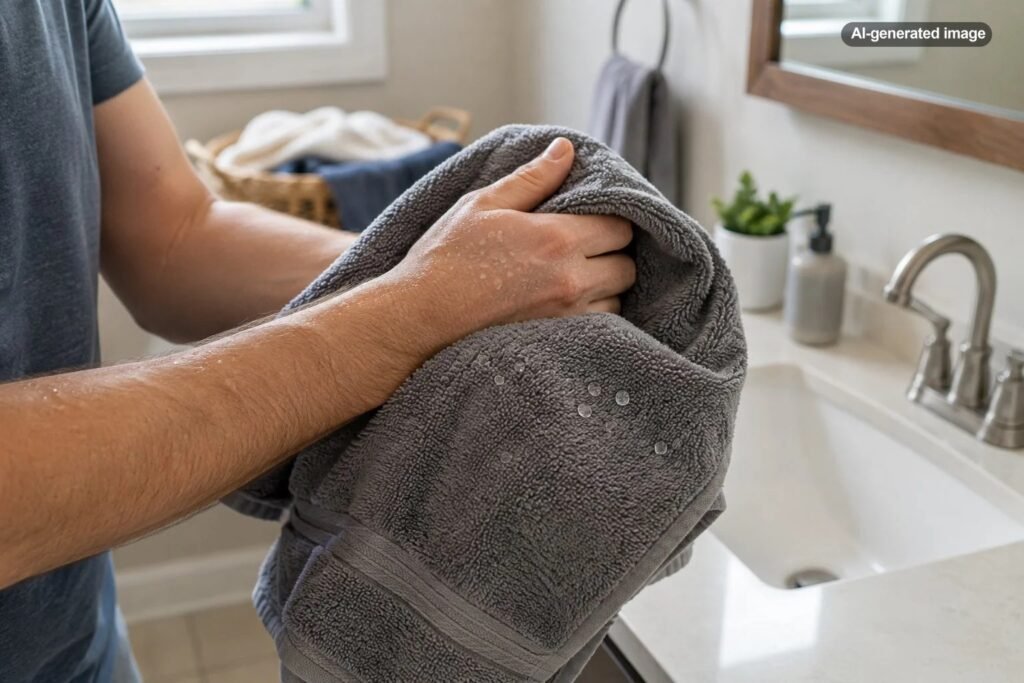
Towels lose absorbency when softener, detergent, body oils, or mineral residue coats the fibers. Learn how to restore them and prevent buildup.
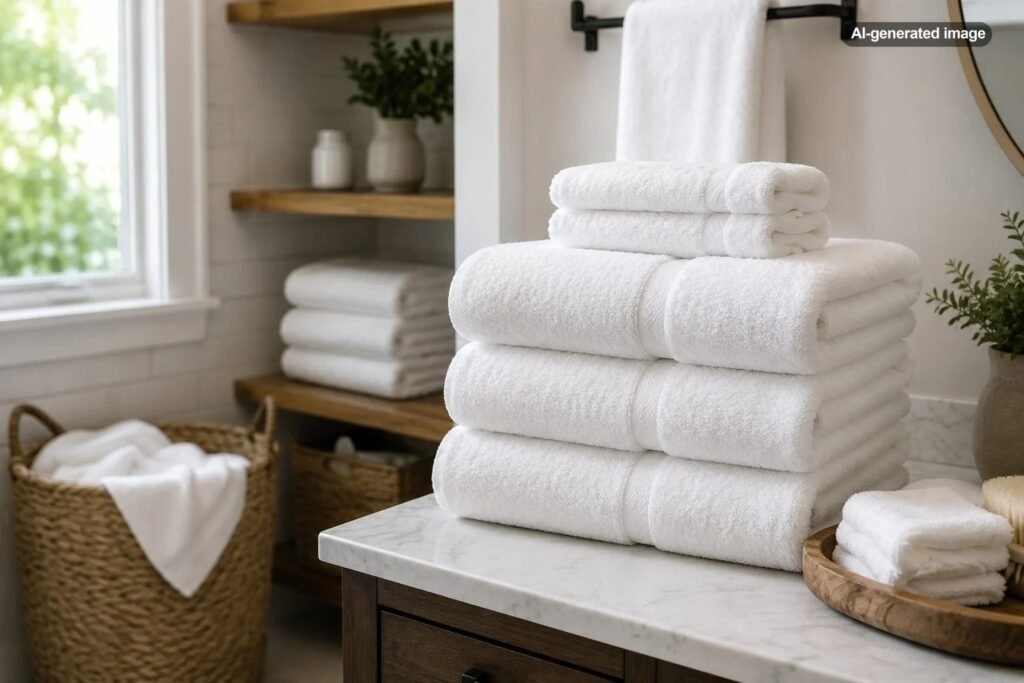
Keep white towels bright, fluffy, and absorbent with smarter washing, proper drying, stain treatment, and a simple hotel-inspired routine.

You can wash some towels with clothes, but sorting by color, fabric weight, lint, soil, and care labels helps protect both.
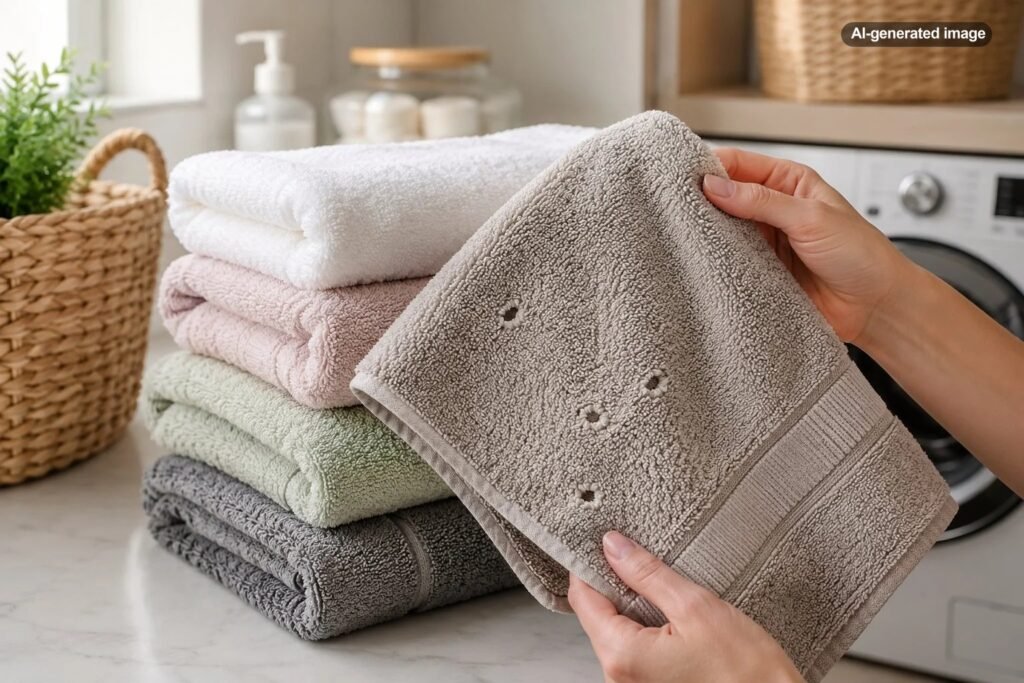
Small holes in towels often come from snagging, harsh laundry habits, weakened fibers, or washer and dryer damage. Learn what to check first.

Improve air quality during renovations by controlling dust, ventilating wisely, isolating work areas, filtering particles, and choosing low-emission materials.
Dry most towels on low or medium heat to protect softness and fibers. Learn when high heat makes sense and how to prevent damp…