Should You Seal Outdoor Wood Furniture?
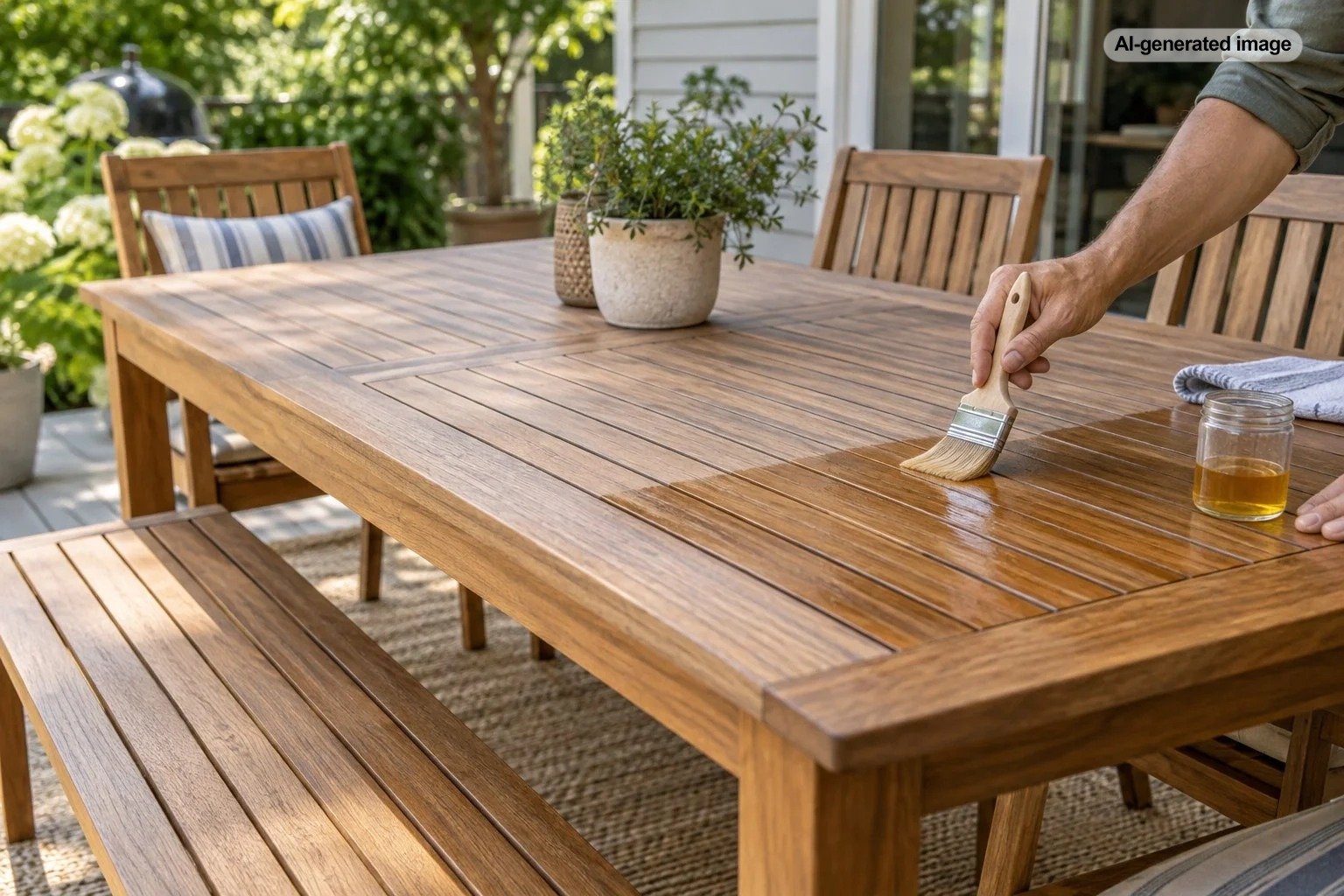
Yes, sealing outdoor wood furniture is often a smart way to slow moisture absorption, surface weathering, staining, and the roughening that comes with repeated exposure to sun and rain. But sealing is not automatically necessary for every piece of outdoor furniture. The right choice depends on the wood species, the existing finish, how exposed the furniture is, and whether you prefer a freshly finished appearance or are comfortable letting the wood weather naturally.
The most useful question is not simply whether wood belongs outdoors. It is whether the particular piece needs additional protection to maintain the appearance and level of maintenance you want.
What sealing outdoor furniture actually does
Outdoor wood is constantly responding to its environment. It gains and loses moisture as humidity and weather change, and sunlight gradually alters the exposed surface. A finish does not make wood completely immune to those forces, but it can slow them and reduce how quickly the surface changes.
That distinction matters. A sealer is protection, not permanent armor. Even well-finished furniture still needs sensible placement, cleaning, inspection, and eventual maintenance.
Depending on the finish, sealing can help reduce rapid wetting, limit staining, make dirt easier to remove, and preserve the appearance of the grain. Pigmented exterior finishes can also provide more protection from sunlight than completely clear finishes because pigments help shield the wood surface from ultraviolet exposure.
Some outdoor woods need sealing more than others
Wood species vary considerably in their natural resistance to outdoor exposure. Teak, cedar, redwood, white oak, and other woods commonly chosen for exterior use are often selected in part because they tolerate outdoor conditions better than less durable species. That does not mean they are maintenance-free.
For naturally durable furniture, sealing is frequently an appearance and maintenance decision as much as a durability decision. A homeowner who likes the original warm color may prefer regular finishing. Someone who likes a naturally weathered surface may intentionally leave suitable wood unfinished.
Furniture made from a less weather-resistant wood generally benefits more from an appropriate exterior finish, particularly when it sits in an uncovered area. If you do not know the species, check the manufacturer’s care information before assuming the piece can remain unfinished.
| Situation | Sealing usually makes sense | Leaving it unfinished may make sense |
|---|---|---|
| Fully exposed patio | Yes, especially when appearance matters | Only when the wood is appropriate for weathering |
| Covered porch | Useful for easier maintenance and appearance | Possible with suitable naturally durable wood |
| Furniture you want to keep close to its original color | Usually | Usually not |
| Furniture intentionally allowed to weather | Optional | Often reasonable |
| Unknown wood or unknown finish | Investigate first | Do not guess |
Sealer, stain, oil, and varnish are not the same thing
The phrase ‘wood sealer’ is used broadly, which can make shopping confusing. Exterior finishing products work in different ways, and the best choice depends on the appearance and maintenance schedule you want.
Penetrating exterior finishes
Penetrating products soak into the surface rather than building a thick film over it. They often produce a more natural-looking finish and can be easier to refresh because there may be less peeling film to remove before maintenance.
Semitransparent stains
Exterior stains can add pigment while leaving some grain visible. Pigment is useful outdoors because it offers more protection from sunlight than a completely clear coating. Color change is part of the tradeoff.
Clear film-forming finishes
Clear varnish can produce a polished furniture-like appearance, but direct sunlight is demanding on transparent exterior films. When film finishes deteriorate, maintenance can involve sanding or removing loose material before recoating. They are generally better suited to owners willing to maintain that appearance rather than anyone looking for the lowest-effort option.
Check the existing finish before you add another one
One of the easiest ways to create a frustrating refinishing project is to apply a new coating over an incompatible or deteriorating old one. Furniture that looks unfinished may still have a penetrating treatment, factory-applied coating, or remnants of an older finish.
If the furniture is new, follow its care instructions rather than immediately coating it. If it is older, look for peeling, flaking, glossy patches, discoloration, or uneven absorption. Those clues can help determine whether you are dealing with a film finish, a penetrating finish, or bare weathered wood.
Before you decide
- Identify the wood species if possible.
- Check whether the furniture already has a factory finish.
- Consider whether it sits under a roof or in full weather.
- Decide whether you want to preserve the current color or allow natural weathering.
- Choose a product specifically intended for exterior wood and compatible with the existing surface.
- Test the finish on a discreet area before committing to the entire piece.
Exposure matters almost as much as wood type
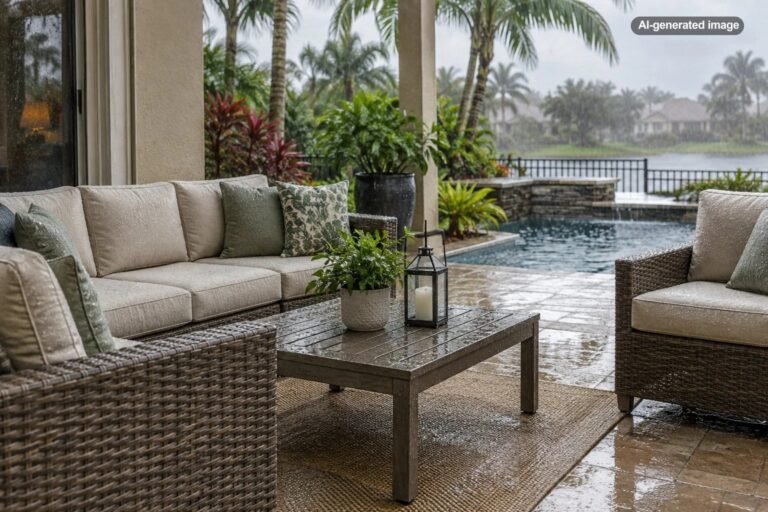
Two identical chairs can age very differently depending on where they live. Furniture beneath a covered porch may receive little direct rain and limited midday sun. The same chair on an open pool deck can experience strong sunlight, frequent wetting, airborne debris, and long periods of dampness.
Look closely at horizontal surfaces such as tabletops, armrests, and seat slats. They tend to hold water longer than vertical surfaces. Joints, end grain, feet, and areas where water collects also deserve attention because repeated moisture exposure can be harder on them than a brief passing shower.
Protection does not have to come entirely from a finish. Shade, covered storage, good drainage, and thoughtful furniture placement can significantly reduce exposure. Keeping furniture out of standing water and allowing air to circulate around it are simple habits that complement any coating.
Should you cover sealed wood furniture too?
Often, yes. A suitable cover can reduce direct exposure to sunlight, dirt, rain, and debris between uses, even when the wood itself is finished. The important detail is ventilation. Covering damp furniture tightly for long periods can trap moisture rather than solve the problem.
Let wet furniture dry when practical, make sure the cover fits securely without being excessively tight against every surface, and avoid allowing water to pool on top. Covers are particularly useful for furniture that remains outside through long stretches when it is rarely used.
How to prepare outdoor wood before sealing
Good surface preparation usually matters more than applying an extra-heavy coat. A finish placed over dirt, failing coating, mildew, or damp wood may not behave as intended.
What to do
- Clean the furniture according to the wood and existing finish, avoiding unnecessarily aggressive methods.
- Let the wood dry thoroughly before applying a finish.
- Remove loose or failing old coating as required for the product you plan to use.
- Sand only when appropriate, paying attention to splinters and rough weathered areas.
- Remove sanding dust and surface debris.
- Apply the exterior finish according to its label, including temperature, drying, recoating, and application instructions.
More is not necessarily better. Some penetrating products are designed to soak in rather than build a thick surface layer, while film finishes require their own application schedule. Follow the finish manufacturer’s directions rather than improvising additional coats.
How often should outdoor furniture be resealed?
There is no responsible universal calendar for every wood, climate, finish, and exposure level. Furniture in intense sun and rain may need attention sooner than furniture on a sheltered porch. The product’s instructions are a better starting point than an arbitrary annual rule.
Use the furniture itself as a maintenance signal. Fading, increased water absorption, a noticeably dry or rough surface, worn high-contact areas, or deterioration of a film coating can indicate that maintenance is approaching. Inspecting furniture periodically is more useful than waiting for a badly deteriorated finish.
When leaving outdoor wood unfinished is reasonable
Leaving furniture unfinished is not automatically neglect. With an appropriate wood species, some people deliberately allow outdoor furniture to develop a weathered appearance. The color may gradually shift, and the surface will require cleaning and occasional attention, but that change can be part of the intended look.
The tradeoff is that unfinished furniture receives less surface protection from staining and weathering. If maintaining the original color is important, letting the wood weather naturally will probably be disappointing.
There is also a middle ground: use a penetrating exterior finish that keeps the furniture looking relatively natural while providing some protection, then refresh it as needed instead of maintaining a glossy film.
The bottom line
Most outdoor wood furniture can benefit from an appropriate exterior finish, particularly when it is exposed to regular sun and rain or when you want to preserve a finished appearance. But you do not have to seal every piece simply because it is outdoors.
Start with the wood species and any existing finish, then consider exposure, appearance, and how much maintenance you are willing to do. The best treatment is the one that is compatible with the furniture, realistic for its location, and maintainable over time.
Frequently asked questions
Does sealing outdoor wood make it waterproof?
No. Exterior finishes can reduce how quickly wood absorbs liquid water, but wood still responds to moisture and environmental conditions. Think of a finish as a protective layer or treatment rather than a permanent waterproof barrier.
Should new outdoor furniture be sealed immediately?
Not automatically. New furniture may already have a factory-applied finish or specific care requirements. Check the manufacturer’s instructions before adding another product.
Can you seal weathered gray wood?
Yes, in many cases, but preparation determines the final appearance. If you seal a weathered surface without restoring or evening it first, some of that existing color and texture may remain visible beneath the new finish.
Is clear sealer best if you want the wood to look natural?
It can preserve a natural-looking appearance, but completely clear exterior finishes generally offer less protection from sunlight than finishes containing suitable pigments. Consider whether preserving the exact color or reducing maintenance is more important.
Should outdoor furniture be stored indoors for winter?
Protected storage can reduce weather exposure and simplify maintenance when it is practical. If furniture remains outside, keep it clean, allow drainage and airflow, and use an appropriate cover or other protection when suitable for the piece.