
The Most Useful Small Appliances for Everyday Cooking
The most useful small appliances are not necessarily the newest or most elaborate. They are the ones that remove a repeated nuisance from your routine: waiting for water to boil, chopping a pile of vegetables, reheating food without turning it soggy, or blending a sauce without hauling out a large machine.
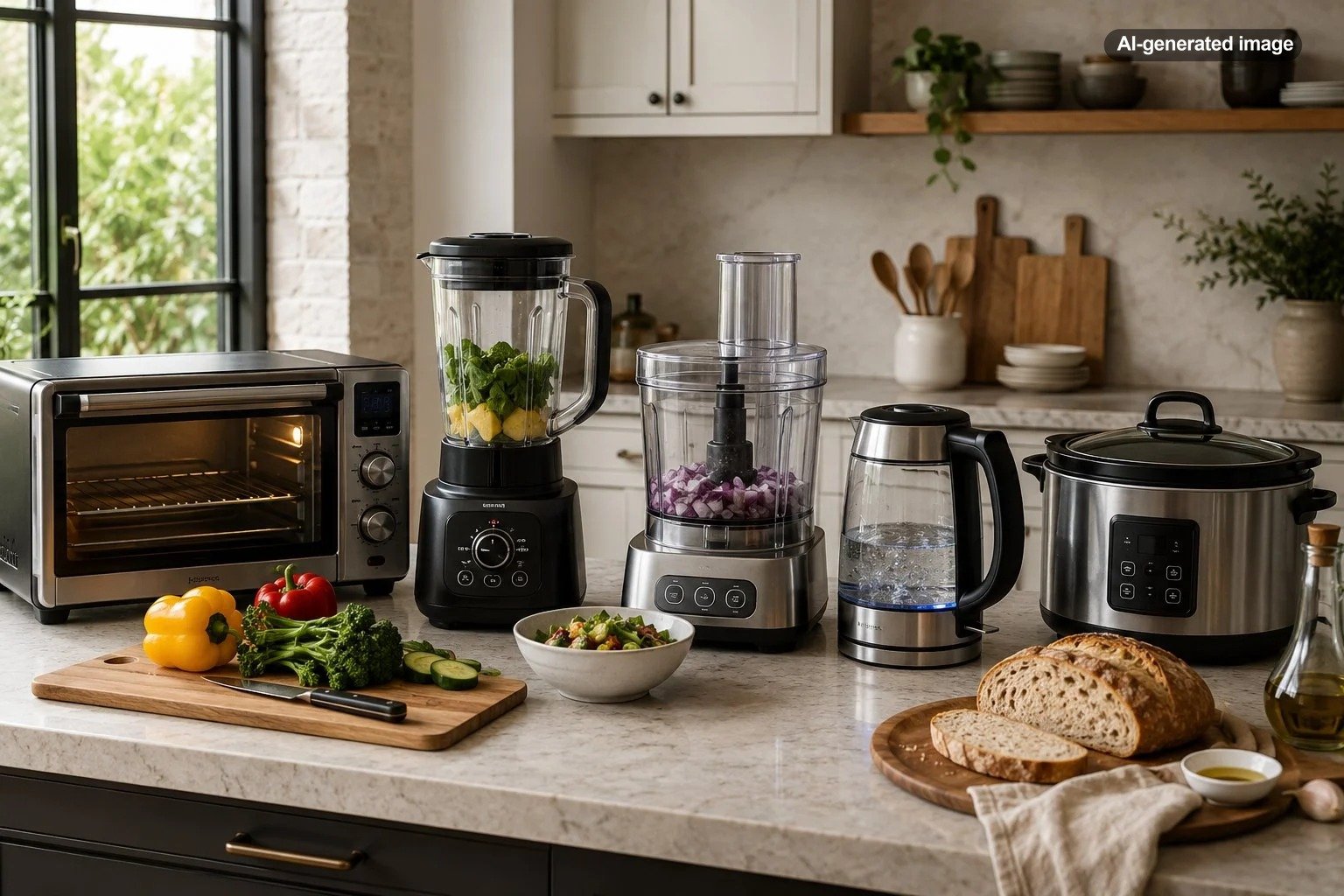
For many kitchens, the strongest everyday lineup is an electric kettle, toaster oven or air fryer, food processor, immersion blender, rice cooker, and dependable coffee maker. You probably do not need all six. The right mix depends on what you cook, how much counter space you have, and which tasks you genuinely repeat each week.
Start with the jobs you repeat most
Before comparing features, list the cooking tasks that regularly slow you down. Someone who makes tea, oatmeal, and pour-over coffee may benefit more from an electric kettle than from a high-powered blender. A household that reheats leftovers and cooks small portions may get more daily value from a compact convection oven or air fryer.
Think in terms of friction. Which task creates the most chopping, waiting, monitoring, cleanup, or heat? The best small appliance should reduce at least one of those burdens without creating a new storage problem.
Before you decide
- How many times per week would you realistically use it?
- Will it replace another appliance or duplicate one?
- Can the removable parts go in the dishwasher?
- Where will it live when not in use?
- Does its capacity match your usual portion size?
Electric kettle: fast, simple, and surprisingly versatile
An electric kettle is one of the easiest appliances to justify because it does one task quickly and with little supervision: heating water. Beyond tea and coffee, hot water is useful for oatmeal, instant noodles, couscous, blanching small amounts of vegetables, loosening stock concentrates, and speeding up water for stovetop cooking.
A basic model is enough for most households. Variable temperature control mainly matters for tea or pour-over coffee. Otherwise, prioritize a comfortable handle, clear fill line, easy lid, and wipe-clean shape.
Toaster oven or air fryer: the compact second oven
A countertop oven earns its space when you routinely cook small portions, reheat crisp foods, toast bread, or avoid heating a full-size oven. Air fryers and convection toaster ovens both circulate hot air; the practical difference is often shape and capacity. Basket-style air fryers tend to be quick and convenient for compact batches, while toaster-oven formats can handle flatter foods, toast, and small baking dishes more easily.
The tradeoff is footprint. A large countertop oven may be useful enough to stay out permanently, but it can dominate a small work surface. Measure the appliance and the open space around it before buying. Also consider the door swing, nearby cabinets, and whether hot exhaust will be directed toward a wall or shelf.
Food processor: best for volume chopping and prep
A food processor becomes valuable when knife work is the bottleneck. It can chop onions, shred vegetables, slice potatoes, make breadcrumbs, mix pie dough, puree dips, and handle batches of pesto or salsa. The benefit grows with volume: one shallot is easier by hand, but several onions or a large slaw may justify the machine.
Capacity should match the way you cook. A small processor is convenient for sauces, nuts, and aromatics, while a full-size bowl is better for family cooking and batch preparation. The tradeoff is cleanup. If the bowl, lid, feed tube, and blade feel cumbersome to wash, the appliance may remain in the cabinet.
Immersion blender: the low-clutter blending option
An immersion blender is useful for soups, sauces, smoothies, whipped cream, and emulsified dressings, especially when you want to blend directly in a pot or tall container. It is easier to store than a countertop blender and usually quicker to rinse after small jobs.
It is not a complete substitute for every blender. A full-size model is better for large frozen drinks or repeated heavy blending. For ordinary weeknight cooking, however, an immersion blender often offers the best balance of convenience, storage, and cleanup.
The appliance that saves ten minutes but requires fifteen minutes of cleanup is not saving you time.
Rice cooker: consistency without stove monitoring
A rice cooker is especially useful in households that prepare rice several times a week. Its appeal is not that stovetop rice is impossible; it is that the cooker frees a burner and removes the need to watch heat and timing closely. Many models can also prepare grains, oatmeal, or simple steamed foods, though extra functions are only valuable when you will use them.
Small households should pay close attention to minimum batch size. A large cooker may perform poorly with very small portions or simply take up more room than necessary. A compact model can be the more practical choice for one or two people.
Coffee maker: useful when it matches your actual morning
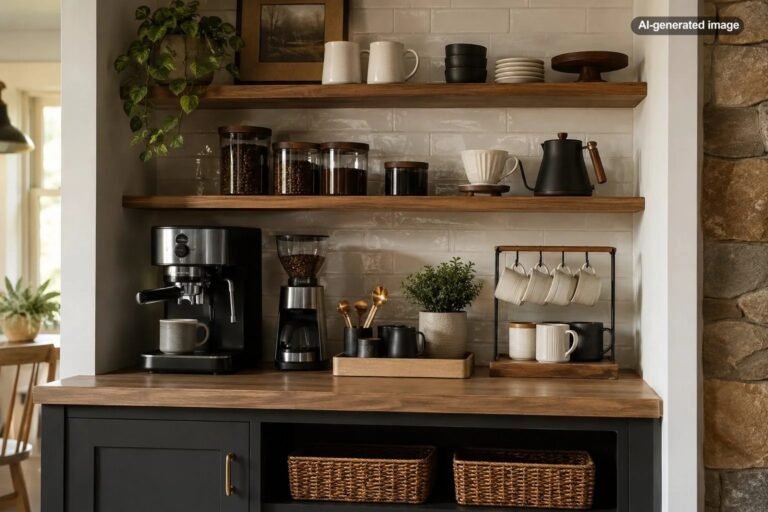
Coffee equipment is highly personal because convenience means different things to different households. A drip coffee maker works well for several cups at once. A single-serve machine suits people who want one quick cup and value minimal measuring. An espresso machine can be worthwhile for someone who enjoys the process and will practice, but it is a poor fit for anyone seeking a nearly automatic routine.
Look beyond brewing style. Consider the size of the water reservoir, how easily the machine can be cleaned, whether the carafe pours neatly, and how much counter depth the appliance requires. A coffee maker used every morning should be pleasant to fill and simple to maintain.
Slow cooker or multicooker: useful for hands-off meals
A slow cooker can be valuable for soups, braises, beans, and meals that benefit from long, gentle cooking. A multicooker adds pressure cooking, sauteing, and other modes, which can make it more flexible but also more complex. The better choice depends on whether you prefer set-it-and-leave-it simplicity or a broader range of cooking methods in one appliance.
These appliances are most useful when they fit your schedule. A slow cooker may suit someone who prepares dinner in the morning, while a pressure-capable multicooker may better serve a household that starts cooking after work. Neither is automatically essential for people who prefer quick stovetop meals.
| Appliance | Best for | Main tradeoff |
|---|---|---|
| Electric kettle | Hot drinks and quick hot water | Single-purpose footprint |
| Air fryer or toaster oven | Small batches and crisp reheating | Counter space |
| Food processor | High-volume prep | More parts to wash |
| Immersion blender | Soups, sauces, and small blends | Less power and capacity |
| Rice cooker | Frequent rice and grains | Limited value for occasional use |
| Multicooker | Hands-off and flexible cooking | Learning curve and storage |
What often goes wrong when buying small appliances
The most common mistake is buying for an imagined future routine rather than the present one. A bread maker will not create a bread-baking habit on its own, and a juicer may not feel convenient after the novelty wears off. Appliances succeed when they support behavior that already exists or solve a specific recurring frustration.
Another mistake is ignoring storage. Counter space is functional space, not free real estate. If an appliance is heavy, awkward, or stored behind several other items, even a useful machine may become too inconvenient to retrieve.
How to build a practical small-appliance lineup
Begin with one appliance that solves your most frequent problem. Use it for several weeks before adding another. This makes it easier to see whether it genuinely changes your routine and whether it duplicates equipment you already own.
For a balanced kitchen, aim for different functions rather than several versions of the same one. A compact oven handles dry heat, a food processor handles preparation, and an immersion blender handles liquids. That combination is often more useful than owning three appliances that all mainly blend.
Finally, give each appliance a home. Frequently used items can stay on the counter if they do not crowd the main prep zone. Occasional appliances should be stored where they can be lifted out without rearranging an entire cabinet. Accessibility is part of usefulness.
Frequently asked questions
Which small appliance is most useful for a small kitchen?
An electric kettle or immersion blender is often a strong choice because each has a compact footprint and straightforward cleanup. The best answer still depends on what you cook most often.
Is an air fryer worth buying if I already have an oven?
It can be, especially for small portions, crisp reheating, and faster countertop cooking. It may be less useful if your oven already has effective convection and you rarely cook small batches.
Should small appliances stay on the counter?
Keep daily or near-daily appliances out if space allows. Store occasional-use items, but make sure they remain easy to reach; difficult storage reduces the chance they will be used.
How many small appliances does a kitchen need?
There is no ideal number. A practical kitchen may need only two or three well-chosen appliances, while a frequent cook with ample storage may benefit from more. Use frequency, function, and cleanup as the deciding criteria.