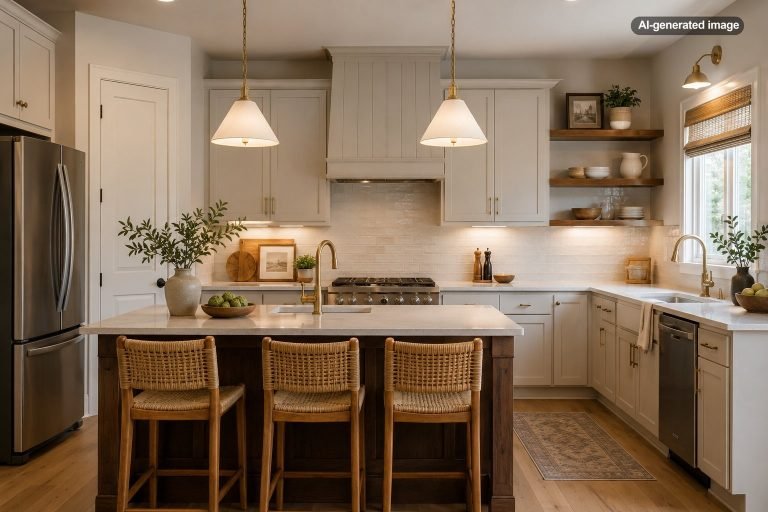
How Do You Make a Dark Living Room Feel Brighter Without Repainting?
A dark living room does not necessarily need lighter walls. Often, the problem is less about paint color and more about how daylight enters the room, where artificial light falls, and which furnishings absorb or block that light. You can make a dark living room feel noticeably brighter without repainting by improving window treatments, layering lamps, repositioning furniture, using reflective surfaces, and introducing lighter textiles.
The most effective changes address the room’s actual lighting problem rather than simply adding white accessories everywhere. A north-facing living room, a room shaded by trees, and a windowless interior sitting area all need slightly different solutions.
Better yet, many of the most useful adjustments are reversible, making them suitable for renters, apartment residents, and homeowners who like their existing wall color.
First, Figure Out Why the Living Room Feels Dark
Before buying another lamp, spend a few minutes observing the room during the morning, afternoon, and evening. The source of the darkness determines which changes will actually help.
Look for three different conditions:
- Not enough daylight: Small windows, exterior shading, nearby buildings, or heavy curtains prevent sufficient natural light from entering.
- Poor light distribution: Daylight reaches the window area, but the opposite side of the room remains dim because furniture, walls, or room geometry obstruct it.
- Inadequate artificial lighting: The room feels acceptable during the day but becomes gloomy after sunset because one overhead fixture cannot illuminate every useful area.
These conditions can overlap. For example, a room might receive reasonable morning light but still have a dark reading corner and inadequate evening illumination.
Also consider whether the room is truly underlit or merely feels visually heavy. Dark upholstery, dense curtains, large bookcases, and heavily patterned rugs can make an otherwise adequately lit room appear darker.
Let More Natural Light Through the Windows
Window treatments are often the simplest place to begin because they can restrict daylight even when they are open.
Move curtains beyond the window opening
When curtain panels bunch directly over the glass, they reduce the amount of light entering the room. If the hardware and wall space allow, extend the curtain rod beyond both sides of the window so opened panels rest against the wall rather than covering the glass.
Hanging curtains closer to the ceiling can also create the impression of taller windows. Keep the fabric positioned so it clears the glass when open, and check that the chosen length does not interfere with furniture or floor vents.
Choose light-filtering fabrics strategically
Sheer or translucent curtains can preserve privacy while admitting diffuse daylight. Lightweight linen-look panels and light-colored woven shades can also soften the window without visually enclosing it.
However, sheer fabric is not a universal privacy solution. Visibility from outside changes with interior and exterior lighting conditions, particularly at night.
For street-facing rooms, consider combining light-filtering panels with separate privacy treatments. Bedrooms and living rooms also have different needs, so there is no reason to use identical coverings throughout the home.
Remove small obstacles that add up
Clean accessible window glass, clear oversized decorations from window sills, and move tall plants or shelving that obstruct significant portions of the opening. If exterior landscaping is blocking light, assess whether appropriate pruning could help rather than assuming every shady tree needs to go.
Daylight should still be controlled when glare, overheating, or direct sun exposure makes a room uncomfortable. More sunlight is not automatically better at every hour.
Use Layered Lighting Instead of One Powerful Ceiling Light
A single bright ceiling fixture can create a pool of illumination in the center of a living room while leaving corners and seating areas in shadow. Adding different types of lighting generally produces a more balanced and comfortable result.
Think of lighting in three layers:
| Lighting layer | Purpose | Practical example |
|---|---|---|
| Ambient | Provides general room illumination | Ceiling fixture or upward-facing floor lamp |
| Task | Illuminates specific activities | Reading lamp beside a chair |
| Accent | Highlights walls, artwork, or architectural details | Picture light or directional lamp |
For a living room with a sofa, reading chair, and media console, try a shaded table lamp beside the sofa, a floor lamp near the chair, and a gentle accent light on a bookcase or wall. This distributes brightness without requiring a construction project.
Upward-facing fixtures can be especially helpful when a ceiling has a relatively light finish. They direct illumination toward the ceiling, which reflects some of that light back into the room. Dark ceilings reflect less, so the effect depends on the existing finishes.
Choose bulbs based on useful light, not just appearance
When selecting replacement bulbs, pay attention to brightness measured in lumens, color temperature measured in kelvins, and compatibility with the fixture. A decorative bulb may look attractive while producing too little useful light.
Warm-white bulbs around 2700K to 3000K often suit residential living spaces, but personal preference, wall color, furnishings, and the room’s function matter. A slightly warmer bulb can make a cozy sitting area inviting, while brighter task lighting may be preferable for reading or detailed activities.
Try to keep bulbs within a similar color-temperature range in the main seating area. A mixture of very warm and noticeably cool bulbs can make the lighting feel visually disconnected.
For fixtures with dimmers, confirm that the bulbs and dimming equipment are compatible. Follow the fixture’s labeled limits, and avoid overloading outlets or running cords beneath rugs.
Place Mirrors Where They Can Actually Reflect Light
Mirrors are familiar tools for brightening interiors, but their effectiveness depends on what they reflect.
A mirror positioned to capture daylight from a window can redistribute some of that light and create a greater sense of openness. A mirror reflecting a dark cabinet, however, may simply duplicate the darkest part of the room.
Before mounting a large mirror, temporarily test the location with a smaller mirror or observe the proposed angle from your normal seating position. Consider what the glass will reflect throughout the day, not just when the room looks its best.
Placing a mirror on a wall perpendicular to a window can work particularly well in some layouts. Across from a window can also be effective, provided reflections do not create uncomfortable glare.
Never position a mirror where concentrated reflected sunlight creates an irritating hotspot or interferes with television viewing. Secure heavy mirrors using appropriate hardware for the wall material and the mirror’s weight.
Brighten the Largest Furnishings Before Changing Small Accessories
When walls are already dark, the sofa, rug, and curtains become especially important because they occupy so much visual space.
Consider a room with charcoal walls, a dark brown sofa, deep burgundy curtains, and a nearly black rug. Changing only the throw pillows may have little effect on the overall impression. Lightening one or two larger surfaces can make a more meaningful difference.
You do not necessarily need a replacement sofa. A washable light-colored throw, a textured neutral blanket, or a substantial set of contrasting cushions can soften the visual weight of existing upholstery.
For flooring, a cream, oatmeal, pale taupe, or softly patterned area rug can introduce a broad lighter surface without sacrificing warmth. Choose material and pattern based on foot traffic, pets, cleaning preferences, and the existing floor.
If the room needs more contrast but pure white feels too stark, consider ivory, mushroom, sand, pale sage, or muted blue-gray. These colors can brighten the composition without fighting the room’s original character.
Rearrange Furniture So Light Can Travel Farther
Sometimes the most useful room improvement costs nothing.
Large furniture placed directly in front of a window can block daylight from reaching the center of the living room. Tall bookcases positioned immediately beside a window may also deepen the surrounding shadows.
Look for opportunities to move bulky pieces toward less light-sensitive walls. Lower-profile chairs, open-legged tables, and furniture with visible space underneath can make a room feel less crowded and allow the eye to travel farther.
That does not mean every room should contain delicate furniture or be arranged around the window. Comfortable conversation, television sightlines, traffic flow, and accessibility still matter.
Add Reflective and Light-Colored Finishes Carefully
Not every element needs to be pale. A room can retain dark, saturated walls and still feel bright when the surrounding surfaces have thoughtful contrast.
Glass-topped tables, satin-finish ceramics, polished metal details, and framed artwork with light backgrounds can introduce highlights. Smaller reflective objects work best when they complement the room rather than compete with it.
Consider replacing a heavy, dark lampshade with a lighter shade that permits more light to pass through or escape above and below. Make sure the new shade fits the fixture and maintains appropriate clearance from the bulb.
Artwork is another useful opportunity. A large piece featuring pale colors or generous negative space can visually relieve a dark wall. This works especially well when the art is illuminated appropriately.
Avoid assuming that every shiny surface improves a room. Highly polished finishes can produce glare, show fingerprints, and reflect distracting objects. Matte textiles combined with a few reflective accents often create a more comfortable balance.
Work With Dark Walls Instead of Fighting Them
Dark paint can be a deliberate design choice rather than a problem requiring correction. Navy, forest green, charcoal, and deep brown can make artwork, wood furniture, and light upholstery stand out beautifully.
The key is contrast and sufficient illumination. Instead of filling the room with dark objects of similar visual weight, create a few clear differences in tone and texture.
For example, deep green walls might pair with an oatmeal sofa, warm oak coffee table, ivory rug, and brass-colored lamp. A charcoal room might benefit from pale linen curtains and a large piece of artwork containing soft white or warm neutral areas.
Dark walls can even look richer when light grazes them gently from a nearby lamp. The goal is not to erase the room’s mood but to prevent that mood from compromising comfort and visibility.
What If the Living Room Has Almost No Natural Light?
Some living rooms have windows facing narrow courtyards, closely neighboring buildings, or heavily shaded exterior walls. Others occupy interior areas with almost no daylight.
In those spaces, mirrors and pale fabrics may improve the visual impression, but they cannot replace missing illumination.
Prioritize artificial lighting that reaches the places people actually use. A combination of floor lamps, table lamps, and carefully directed accent lighting often performs better than a single extremely bright source.
Illuminate more than the center of the room. Light on a bookshelf, artwork, or the far wall helps reduce the impression of a dark boundary. Where practical, choose fixtures that provide both upward and downward illumination.
Renters may prefer plug-in solutions that do not alter permanent wiring. Homeowners considering new hardwired fixtures should use a qualified electrician for work beyond ordinary bulb replacement or other tasks allowed by the fixture’s instructions.
Remember that a brighter-looking room is not necessarily safer to navigate. Stairs, changes in floor level, and walking paths still require adequate practical illumination.
Common Brightening Mistakes That Can Backfire
Making a living room brighter is partly about avoiding well-intentioned changes that introduce new problems.
- Installing excessively bright bulbs: More lumens can create glare if fixtures direct light toward people’s eyes or reflective screens.
- Using cool-white bulbs everywhere: Cooler light may feel harsh against some furnishings and does not automatically improve the room’s visual comfort.
- Covering everything in white: Too many pale surfaces without texture or contrast can make the design feel unfinished rather than balanced.
- Placing mirrors without considering reflections: Poor positioning can duplicate dark areas or introduce distracting glare.
- Blocking windows with decorative furniture: A beautiful display cabinet can undermine the benefit of the largest available light source.
- Ignoring evening conditions: A room that looks excellent at noon may still need a completely different lighting arrangement after sunset.
The best result balances daylight, usable illumination, comfort, and the character of the existing furnishings.
A Simple Weekend Plan to Brighten Your Living Room
You do not need to change everything at once. Test the most reversible improvements first, then decide where spending money would make the greatest difference.
What to do
- Observe the light: Identify the room’s darkest areas during daylight and after sunset.
- Clear the windows: Open existing treatments fully, clean accessible glass, and remove objects blocking daylight.
- Rearrange one major piece: Move a tall cabinet, chair, or other obstacle away from the primary light path where practical.
- Test lamps: Bring a lamp from another room into a dark corner before purchasing additional fixtures.
- Lighten a large surface: Try a pale throw, existing rug, or temporary textile to see how much the visual balance changes.
- Evaluate reflections: Test whether a mirror would reflect useful light rather than clutter or glare.
- Review both day and night: Keep the changes that improve the room across the times you actually use it.
This sequence can prevent unnecessary purchases. It also helps distinguish between a room that needs better lighting and one that mainly needs less visual weight.
Frequently Asked Questions
What is the fastest way to brighten a dark living room without painting?
Open window treatments fully, remove anything obstructing the glass, and add a well-positioned lamp to the darkest occupied area. These changes are quick, reversible, and useful for determining whether the room needs more daylight or better artificial light distribution.
Will a large mirror make a dark room brighter?
A mirror can help when it reflects daylight or an illuminated part of the room. Its size matters less than its placement and the quality of the light it reflects. Mirrors do not generate additional light.
What color curtains make a dark living room look brighter?
Ivory, off-white, pale beige, and other light neutrals can reduce visual heaviness. However, fabric openness and the amount of window glass covered often matter more than color alone. Choose treatments that meet your privacy and glare-control needs.
Can dark furniture stay in a brighter living room?
Absolutely. Dark furniture can provide useful contrast against lighter rugs, textiles, and accessories. The goal is to balance large dark surfaces with areas that reflect light and to ensure that practical lighting is sufficient.
Should you use daylight bulbs in a dark living room?
Not automatically. Daylight-colored bulbs have a cooler appearance that some people find useful for specific activities but less comfortable for relaxing. Start with the fixture’s appropriate brightness and compare warm-white or neutral options before changing every bulb.
The Best Brightening Strategy Starts With the Light You Already Have
A dark living room can feel more open, comfortable, and inviting without a new paint color or major renovation. The most effective approach is to improve how available daylight enters the space, distribute artificial illumination thoughtfully, and reduce unnecessary visual heaviness.
Start with the windows and lighting, then use textiles, mirrors, furniture placement, and artwork to refine the result. A successful room does not have to be uniformly bright. It simply needs enough light where it matters, balanced contrast, and an atmosphere that feels intentional.