What Is the Best Bedding for People Who Sleep Hot?
The best bedding for people who sleep hot is breathable, lightweight, and easy to layer. For many sleepers, that means crisp cotton percale or airy linen sheets, a thin blanket or lightweight duvet, and a pillow that does not surround the head with dense foam.
No single fabric can make every bed feel cold all night. The more useful goal is to build a bed that releases heat, manages moisture, and lets you remove one layer without dismantling the entire arrangement at 2 a.m.
Start with breathable sheets
Sheets are the first bedding layer against most of your body, so their fiber and construction matter more than a dramatic cooling label. Look for fabric that allows air to move and does not cling heavily when you perspire.
Cotton percale
Cotton percale is one of the safest starting points for a hot sleeper. Its simple over-under weave generally produces a crisp, matte fabric with a light hand and good airflow. It tends to feel more like a freshly made hotel bed than a silky, draping sheet.
Percale can wrinkle and may feel slightly firm before it has been washed several times. That is a reasonable tradeoff for sleepers who value an airy surface more than a glossy finish.
Linen
Linen is also well suited to warm bedrooms because it has an open, relaxed texture and does not usually cling closely to the body. It can absorb moisture and dry relatively quickly, making it appealing in humid climates or for people who wake up feeling damp.
The main tradeoffs are texture and appearance. New linen may feel coarse to sensitive sleepers, and its natural wrinkles are part of the look rather than a laundering failure. It also often sits at a higher price position than basic cotton.
Lyocell and similar cellulose-derived fabrics
Lyocell sheets are commonly chosen for their smooth feel and moisture management. They may suit hot sleepers who dislike crisp percale but still want something lighter and less insulating than plush microfiber.
Read the fiber label instead of relying on vague terms such as bamboo bedding. Many products marketed with bamboo language are rayon or lyocell made from bamboo-derived cellulose. That does not automatically make them poor choices, but the finished fiber and fabric construction are more informative than the plant named on the package.
| Sheet option | Typical feel | Cooling advantage | Main tradeoff |
|---|---|---|---|
| Cotton percale | Crisp and matte | Light, breathable construction | Can wrinkle or feel firm |
| Linen | Textured and relaxed | Airy and moisture friendly | Higher cost and visible wrinkles |
| Lyocell | Smooth and drapey | Good moisture management | Quality varies by construction |
| Cotton sateen | Silky and soft | Comfortable for mildly warm sleepers | Usually drapes closer and feels warmer |
| Microfiber | Very smooth and soft | Affordable and wrinkle resistant | May retain more heat and moisture |
Choose the weave before chasing thread count
A very high thread count does not guarantee a cooler or better sheet. Dense fabric can restrict airflow, and thread-count claims are not always useful across different fibers and constructions. Concentrate first on fiber content, weave, fabric weight, and how the sheet feels when held up to light.
Percale usually sleeps cooler than sateen because it is less dense and does not drape as closely. Sateen can still work for someone who only sleeps slightly warm and strongly prefers a silky surface, but it is rarely the first recommendation for persistent overheating.
Use a lighter top layer
Even excellent sheets cannot compensate for a thick, heavily filled comforter. Hot sleepers usually do better with a light blanket, coverlet, or low-loft duvet that can be folded back easily.
A breathable cotton blanket is a practical option for sleepers who want some weight without substantial insulation. A lightweight quilt may also work, provided its shell, batting, and stitching do not create a dense package. For a fluffier look, choose a summer-weight duvet insert rather than an all-season or winter model.
Down can be comfortable without being excessively warm when the insert is specifically made with a low fill weight, but a lofty cold-weather duvet will still insulate. Down-alternative bedding varies widely. Some lightweight versions are suitable, while dense polyester fill can hold warmth and feel clammy.
The coolest bed is usually not built around one miracle fabric; it is built from fewer, lighter layers that can release heat.
Do not overlook the mattress protector
A waterproof protector can quietly become the warmest layer in the bed. Some use membranes or thick padded surfaces that reduce airflow directly beneath the fitted sheet. If the bed began feeling hotter after a protector or encasement was added, that layer deserves investigation.
Protection still matters, particularly for allergies, spills, pets, or an expensive mattress. Look for a thin, breathable design that fits smoothly rather than a deeply padded protector that changes the feel of the mattress. Waterproof products will naturally involve some compromise between liquid resistance and airflow.
Mattress toppers can create a similar problem. Thick, slow-responding foam tends to let the body sink farther into the surface, increasing the amount of material touching the sleeper. A more responsive or ventilated topper may feel less enveloping, although the entire mattress construction influences heat retention.
Pick a pillow that releases heat
Heat around the head and neck can make the whole bed feel uncomfortable. Dense solid foam pillows may retain warmth, especially when the head sinks deeply into them. Shredded foam, latex, fiber, and other ventilated constructions may allow more air movement, but support should remain the first requirement.
Side sleepers generally need enough height to fill the space between the shoulder and head. Back sleepers usually need moderate loft, while stomach sleepers often need a thinner pillow. A pillow that feels cool but bends the neck into an awkward position is not a useful upgrade.
A breathable pillowcase can also make a noticeable difference. Use the same material principles as the sheets: cotton percale and linen feel airier, while dense sateen and microfiber tend to feel more enveloping.
Build a bed in removable layers
Temperature needs can change during the night, between seasons, and between two people sharing a bed. Layering offers more control than choosing one heavy covering and hoping it works for everyone.
What to do
- Begin with a breathable fitted sheet, flat sheet, and pillowcase.
- Add one lightweight blanket or summer-weight duvet rather than several dense layers.
- Keep an extra throw nearby for the colder sleeper instead of covering both people with a warmer comforter.
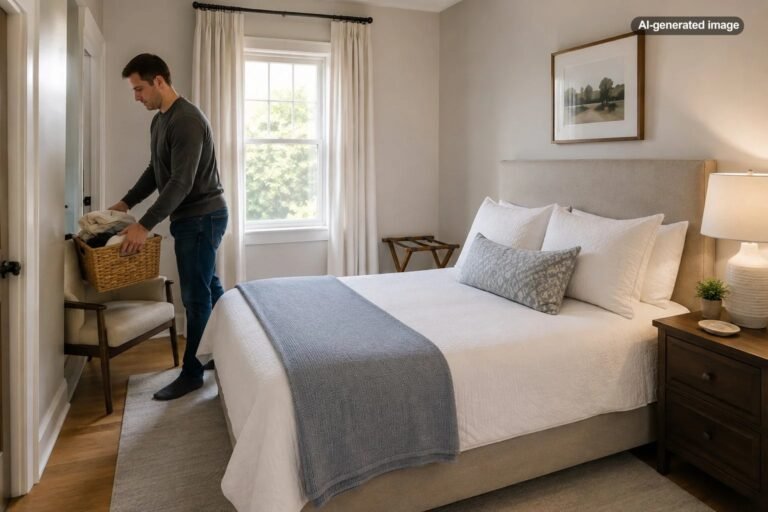
- Remove decorative pillows and folded blankets from the sleep surface before bed so they do not become accidental insulation.
- Wash bedding according to its care label and avoid excessive fabric softener, which can leave residue that affects absorbency.
For couples with different temperature preferences, separate twin-size blankets on the same bed can be surprisingly elegant once the bed is made. The cooler sleeper gets a lighter layer, while the colder sleeper can choose more insulation without turning the bedroom into a nightly thermostat negotiation.
Match the bedding to the real cause of overheating
Bedding is only one part of the sleep environment. A warm mattress, humid bedroom, heavy sleepwear, limited air movement, or direct afternoon sun can overwhelm otherwise breathable sheets. Before replacing everything, change one layer at a time so you can tell what actually helps.
Persistent night sweats are different from simply preferring a cool bed. They can occur for many reasons, including environmental conditions, medications, hormonal changes, or health concerns. Bedding can improve comfort, but it cannot identify the cause. New, severe, or unexplained night sweats should be discussed with a qualified health professional, especially when accompanied by other symptoms.
What is the best overall setup?
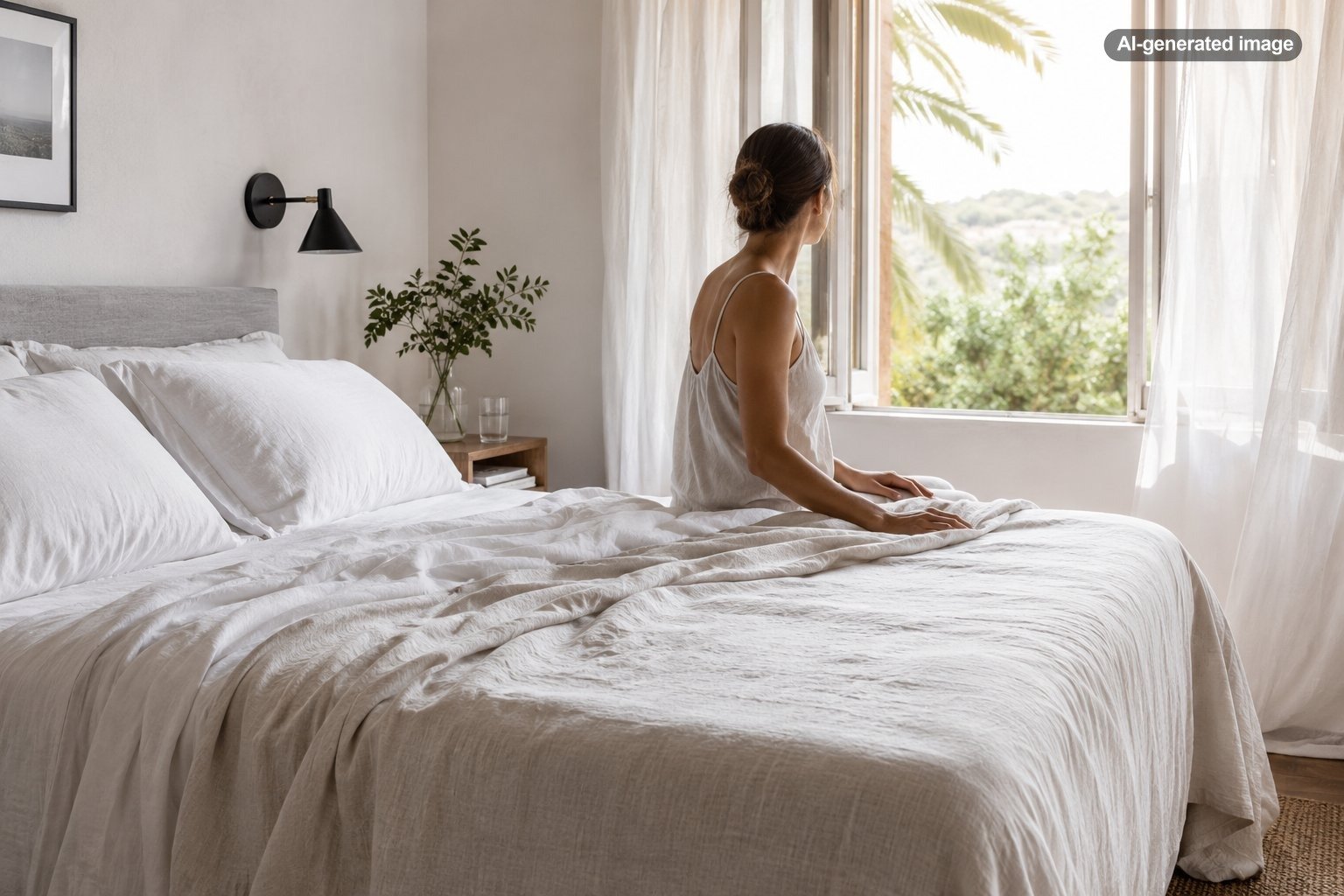
For most hot sleepers, a strong starting combination is cotton percale or linen sheets, a thin cotton blanket or lightweight duvet, a breathable pillow suited to the sleeping position, and the least bulky mattress protector that meets the household’s needs.
People who prefer a smoother feel may favor lyocell sheets. Those who only sleep mildly warm may still enjoy cotton sateen, especially with a light top layer. Microfiber can be affordable, soft, and easy to maintain, but it is usually a less promising choice when maximum airflow is the priority.
Before you decide
- Check the fiber content and weave, not just the marketing name.
- Choose a light top layer that can be removed easily.
- Consider whether the protector, topper, or mattress is trapping heat.
- Prioritize proper pillow support along with ventilation.
- Confirm the fitted-sheet pocket depth matches the mattress.
- Review care instructions before buying linen, lyocell, down, or specialty cooling fabrics.
Frequently asked questions
Is linen or cotton better for hot sleepers?
Both can work well. Linen has a relaxed, airy texture and handles moisture effectively, while cotton percale offers a crisper, smoother, and often more affordable feel. The better choice depends largely on texture preference, care expectations, and budget.
Are bamboo sheets good for sleeping hot?
Some can be. Check the label to determine whether the fabric is rayon, viscose, or lyocell derived from bamboo, then consider the weave and weight. The bamboo description alone does not establish how cool the finished sheet will feel.
Do lower-thread-count sheets sleep cooler?
They sometimes do because a less dense fabric may allow more airflow, but thread count alone is not a reliable cooling measure. Fiber, weave, yarn quality, and fabric weight should be considered together.
Should hot sleepers avoid comforters?
Not necessarily. Choose a lightweight or summer-weight insert rather than a lofty all-season model. A thin blanket or coverlet may offer better control for someone who overheats frequently.
Can cooling sheets stop night sweats?
Breathable, moisture-managing sheets may make night sweats less uncomfortable, but they do not address the underlying cause. Seek medical guidance for severe, persistent, or unexplained symptoms.