
Can You Install a Smart Thermostat in a Rental Condo?
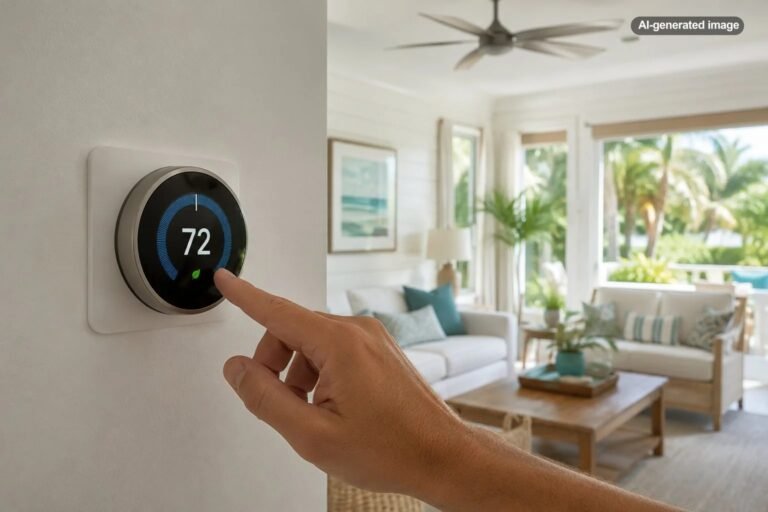
Yes, you can often install a smart thermostat in a rental condo, but the right to do so is not automatic. You need three green lights: written permission under your lease or from the owner, compliance with any condominium rules, and confirmed compatibility with the HVAC system. A thermostat may look like a small wall accessory, yet it controls equipment that may belong to the landlord, the condominium association, or both.
The safest approach is to treat the project as a reversible HVAC modification. Ask first, document the original installation, choose a compatible device, and arrange qualified installation whenever the wiring or system design is uncertain.
Permission comes before compatibility
Start with the lease, building rules, and a written request to the landlord or property manager. Lease language may restrict alterations, electrical work, changes to building systems, or removal of owner-provided fixtures. Even when a lease does not mention thermostats specifically, a replacement may still fall under a broader alteration clause.
A condo creates an additional layer. The unit owner may own the thermostat while the association controls a central plant, shared fan-coil equipment, building automation, or access to mechanical components. The association may also require approved contractors, advance notice, insurance documentation, or specific control equipment. These requirements vary by building and location, so a neighbor’s successful installation is not proof that yours is permitted.
Before you ask for approval
- Photograph the existing thermostat, wall, wiring labels, and any model information.
- Identify whether the unit has its own furnace, air handler, heat pump, fan coil, or shared building system.
- Ask who owns and services the controlled equipment.
- Provide the proposed thermostat’s model and compatibility information.
- Confirm whether professional installation is required.
- Ask whether the original thermostat must be stored and reinstalled at move-out.
Check the HVAC system, not just the wall wires
Smart thermostats are commonly designed for low-voltage residential HVAC controls, but compatibility varies. Conventional furnaces and air conditioners, heat pumps, multi-stage systems, zoned systems, variable-speed equipment, fan-coil units, and proprietary communicating systems do not all use the same controls. Electric baseboard heat and other line-voltage systems are particularly important to distinguish from low-voltage equipment.
Thin thermostat conductors often indicate low-voltage controls, while thicker wires can suggest line voltage, but visual appearance is not a complete diagnosis. Do not connect a low-voltage smart thermostat to line-voltage wiring. If the existing control carries voltage markings, uses unfamiliar terminals, or is integrated into a building system, stop and have the equipment identified by building maintenance or a qualified HVAC professional.
Also check whether the current thermostat performs functions beyond basic heating and cooling. Some controls manage multiple fan speeds, humidity, ventilation, auxiliary heat, or equipment-specific diagnostics. Replacing one with a simpler smart model could remove functions or cause improper operation even if several terminal letters appear to match.
Understand the C-wire question
Many smart thermostats need a consistent source of power for Wi-Fi, displays, sensors, and software functions. A common wire, usually called a C-wire, can provide that continuous return path from the HVAC control system. However, not every thermostat requires one in every installation, and an unused conductor behind the wall is not necessarily connected correctly at the equipment.
Google explains that some Nest installations can operate without a C-wire, while certain heating-only, cooling-only, zoned, and heat-pump systems may require a C-wire or compatible power accessory. The setup process may identify inadequate power, but checking compatibility before purchase is wiser than discovering the limitation after removing the old control.
Be cautious with adapters and power accessories in a rental condo. Installing one may require access to an air handler, furnace control board, or shared mechanical area. That is a more consequential alteration than replacing a wall-mounted control and may be prohibited without the owner’s approval and a qualified installer.
Choose renter-friendly features without overbuying
Remote adjustment, schedules, occupancy-based settings, and temperature alerts can be useful in a condo. They do not, however, guarantee savings or solve airflow, humidity, insulation, or equipment problems. ENERGY STAR advises buyers to confirm HVAC compatibility first and notes that advanced zoned, multi-stage, or variable-speed systems may warrant professional guidance.
Affiliate disclosure: CraneManor.com may earn a commission when you purchase through links on this page. This does not affect the price you pay. Learn more.
For an approved and compatible installation, a programmable smart thermostat may provide app-based control without requiring an elaborate home-automation setup. Confirm the exact model against the HVAC system and available wiring before purchasing it.
A smart thermostat should also make sense for the people who actually live in the condo. If several occupants adjust the temperature, review account access, scheduling permissions, geofencing behavior, and manual controls. A device that depends heavily on one tenant’s phone may be inconvenient for roommates, guests, maintenance staff, or the owner after turnover.
A sensible installation and move-out plan
What to do
- Get the decision in writing. Keep the landlord’s approval and any association or management conditions with your lease records.
- Verify compatibility. Use the thermostat manufacturer’s checker and confirm questionable systems with building maintenance or an HVAC professional.
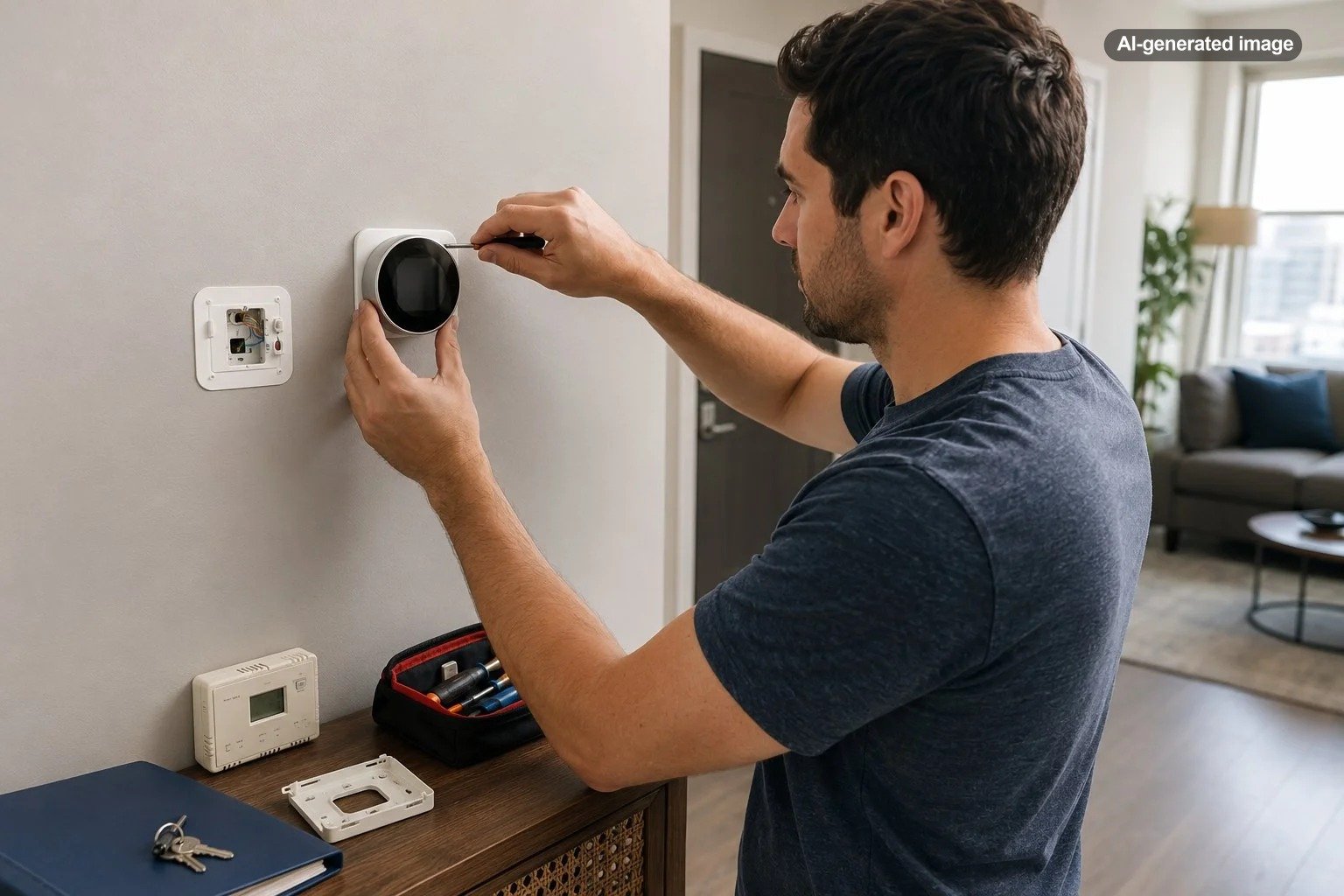
- Record the original setup. Photograph terminal labels before any wire is disconnected. Keep the original thermostat, mounting plate, screws, and instructions together.
- Install under the approved conditions. Use the contractor required by the building or owner. Do not access locked or shared mechanical areas without authorization.
- Test every controlled function. Check heating, cooling, fan operation, auxiliary heat when applicable, and stable power. Report short cycling, unusual sounds, loss of fan control, or persistent power errors promptly.
- Plan for move-out. Confirm whether the smart thermostat stays, is transferred to the owner, or is replaced with the original control by an approved installer.
Preserving the old thermostat is important, but it does not make every alteration harmless or reversible. Wall damage, changed wiring, missing jumpers, an improperly installed adapter, or lost account access can create a repair problem. Agreeing on restoration responsibilities before installation keeps a useful upgrade from becoming a security-deposit dispute.
When a portable alternative makes more sense
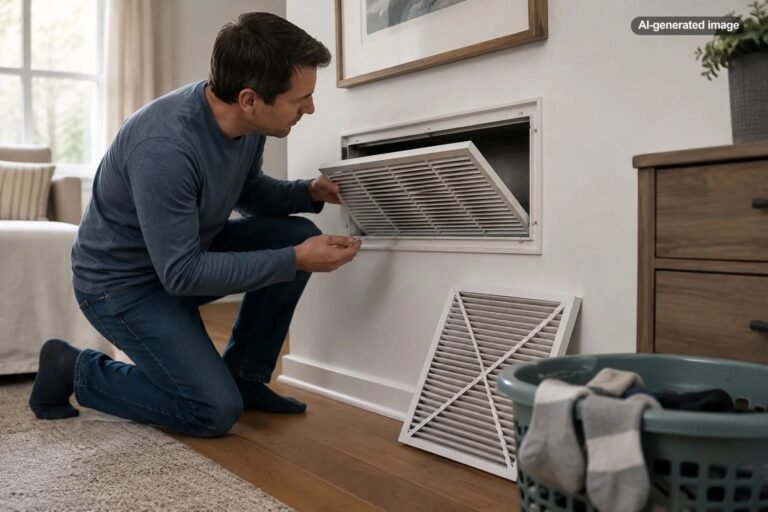
If the owner or association declines the installation, avoid trying to work around the decision. A smart plug cannot safely or appropriately turn a central HVAC system into a smart system, and portable sensors cannot replace equipment controls. Instead, use the existing thermostat’s scheduling features if available, ask the landlord about an owner-installed upgrade, or focus on noninvasive comfort measures such as approved window coverings, ceiling-fan use, and keeping supply and return vents unobstructed.
In a short lease, the cost and coordination of installation and restoration may outweigh the convenience. In a longer tenancy with individual HVAC equipment, straightforward low-voltage wiring, reliable Wi-Fi, and cooperative ownership, the upgrade can be much more practical.
Frequently asked questions
Can a landlord require professional installation?
Yes. An owner may condition permission on installation by a qualified or building-approved contractor, particularly when the thermostat controls landlord-owned equipment. Condominium rules may impose separate contractor requirements.
Do I need permission if I reinstall the original thermostat later?
You may still need permission. Reversibility does not override lease restrictions, association rules, equipment warranties, or requirements governing HVAC and electrical work.
Will every smart thermostat work without a C-wire?
No. Power requirements depend on the thermostat and HVAC configuration. Some systems can operate without a C-wire, while others need a C-wire or an approved power accessory. Verify the exact combination before installation.
Who should own the thermostat account?
Decide this with the owner before setup. A tenant-controlled account may be reasonable during the lease, but the parties should document device access, data removal, and transfer or reset procedures for move-out.
Can a smart thermostat fix uneven condo temperatures?
Not necessarily. Remote sensors and scheduling can improve how some compatible systems respond, but they cannot correct blocked airflow, equipment faults, poor insulation, solar heat gain, or limitations of a shared building system.