Why Is My AC Filter Wet When I Change It?
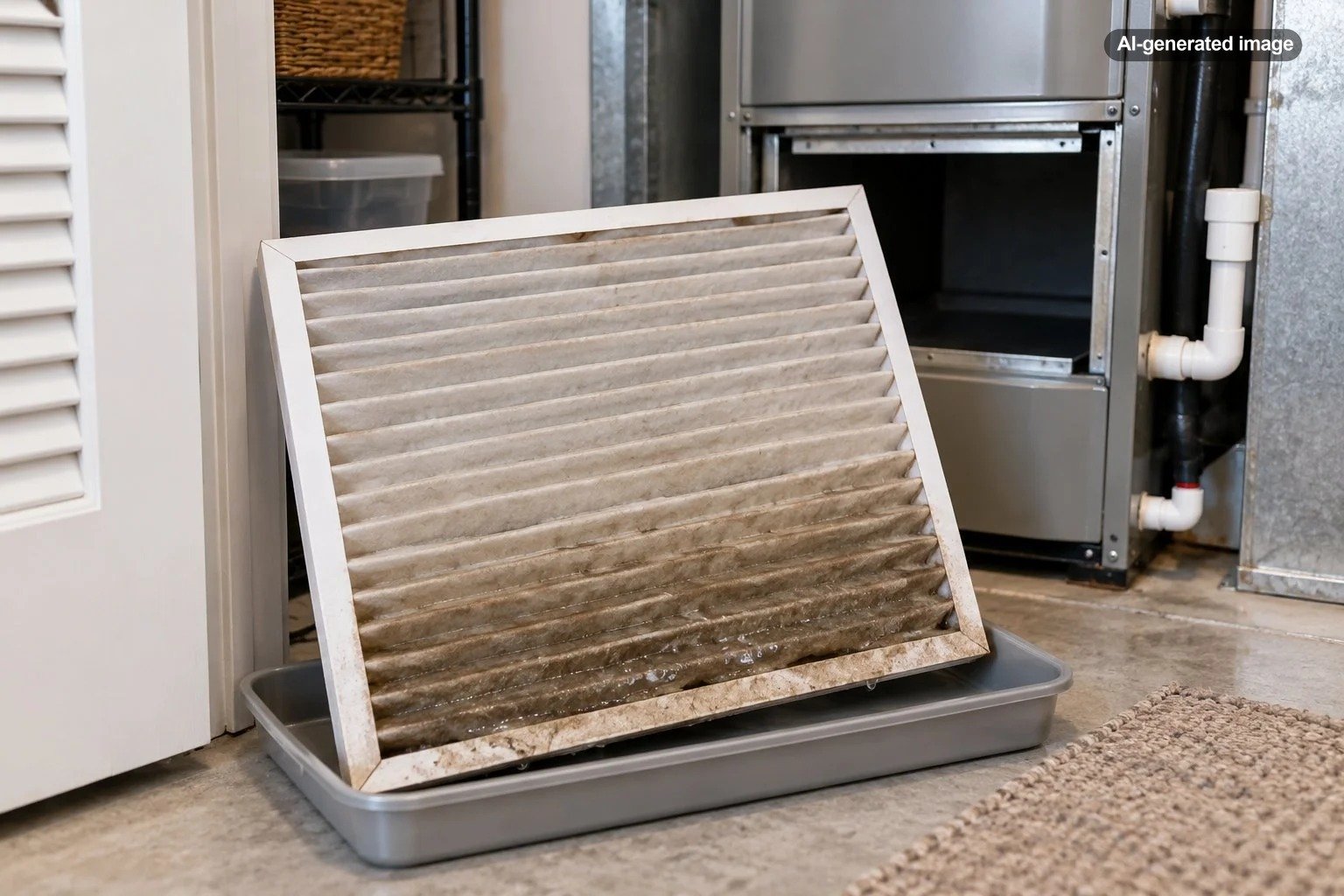
Finding a wet AC filter when you change it usually means water is getting somewhere it should not. The most common explanations involve condensation that is not draining properly, moisture forming around cold ductwork, or an air-conditioning problem that allows water to reach the filter compartment. A clogged condensate drain, overflowing drain pan, or frozen evaporator coil can all contribute, depending on how your system is arranged.
A wet filter does not automatically mean your air conditioner is ruined. It does mean you should investigate before installing a replacement and continuing to run the system. Air filters are designed to capture airborne particles, not absorb water from a malfunctioning cooling system.
The useful question is not simply how the filter got wet, but where the moisture originated and whether the problem is still happening.
Why Would Water Reach an AC Filter?
Air conditioning naturally produces water. When warm, humid indoor air passes over the cold evaporator coil, some of its moisture condenses into liquid. Under normal conditions, this water collects in a drain pan and travels through a condensate drain line to an appropriate discharge point.
The filter has a different job. It removes particles from the air flowing through the equipment and is normally located on the return-air side of the system. Depending on the installation, the filter may sit inside a return grille, in a dedicated filter cabinet, or near the indoor air handler.
These locations matter. A filter immediately beside the air handler may become wet from water escaping nearby equipment, while a filter in a distant wall or ceiling return grille may point toward an entirely different moisture source.
That is why the location of the wet filter is one of the first clues worth checking.
The Most Common Causes of a Wet AC Filter
1. A clogged condensate drain line
As your air conditioner removes humidity, the condensate drain line carries the collected water away. Over time, dirt, biological buildup, or other debris can restrict the line. When water cannot drain normally, it may accumulate in the pan and eventually overflow.
If the filter compartment is close to the leaking area, escaping water can reach the filter. This is especially plausible when you notice dampness around the air handler, water marks below the equipment, or moisture collecting in an adjacent cabinet.
A blockage can also activate a condensate safety switch on systems equipped with one, interrupting cooling to help limit water damage.
Do not bypass a safety switch to keep the air conditioner running. A professional can determine whether the drain, pan, or another component is responsible.
2. A damaged, overflowing, or improperly positioned drain pan
The condensate pan sits beneath the cooling coil and collects water as it drips from the coil. If the pan is cracked, corroded, improperly positioned, or unable to drain, water may escape instead of traveling through the intended drain connection.
Some systems also have a secondary drain pan intended to catch leaks from the primary system. Water standing in either pan warrants attention, particularly if it is rising or overflowing.
The exact location of the resulting leak depends on the air handler’s design and orientation. Water may appear near the filter, along the equipment cabinet, or on surrounding flooring.
3. A frozen evaporator coil that is thawing
A frozen cooling coil can produce an unexpected amount of water as accumulated ice melts. If drainage is restricted or the melting water escapes the intended collection area, nearby components can become wet.
Restricted airflow is one possible cause of coil freezing. A heavily loaded air filter, obstructed return grille, dirty coil, or blower problem can limit airflow across the evaporator. Refrigerant-related problems can also contribute to freezing.
Clues may include weak airflow from supply vents, reduced cooling performance, visible ice on accessible components, or water appearing after the system stops cooling.
Do not chip ice from the coil or attempt to open sealed refrigerant components. Turn off cooling and contact a qualified HVAC technician when freezing is suspected. Replacing a dirty filter may address one airflow restriction, but it does not establish that the underlying problem has been resolved.
4. Condensation around poorly insulated or leaking ductwork
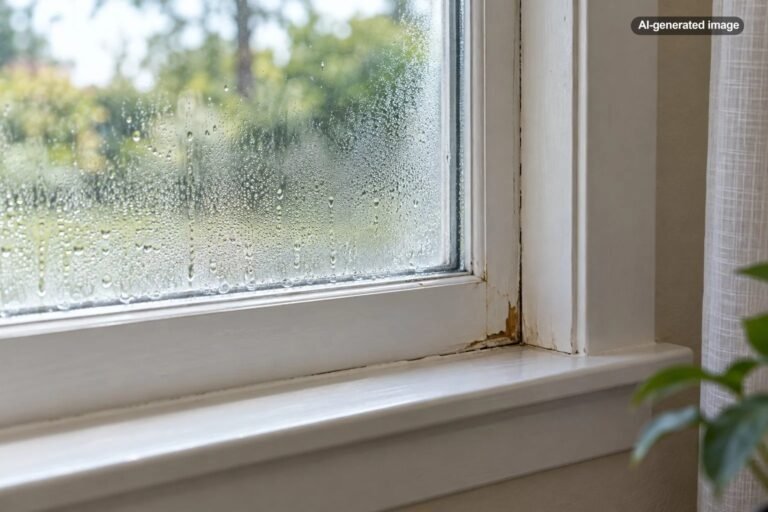
Cold surfaces can collect moisture when they contact warm, humid air. This is the same basic process that causes water droplets to form on the outside of a cold drinking glass.
In an HVAC system, condensation can develop around cold metal, duct connections, or equipment surfaces when insulation is inadequate, an air leak brings humid air into contact with a cold surface, or surrounding humidity is unusually high.
If this moisture forms near a filter cabinet, it may drip or migrate into the filter compartment. Poorly insulated ductwork in an attic, crawl space, garage, or other unconditioned area can be particularly vulnerable.
A properly designed repair may require correcting air leaks, improving insulation, or addressing indoor humidity rather than simply replacing the filter.
5. Water entering from another household source
Not every wet AC filter is caused by the air conditioner itself. Plumbing leaks, roof leaks, water intrusion, or nearby appliance problems can introduce moisture into a return-air cavity or equipment area.
Consider the timing. Does the filter become wet after heavy rain, even when cooling has barely operated? Is the moisture concentrated near a ceiling return grille beneath a bathroom? Does a stain appear on the wall beside the filter opening?
These clues may suggest a building or plumbing issue rather than failed HVAC drainage. An HVAC technician may need to coordinate with a plumber or another appropriate professional if the water source is outside the cooling system.
What to Do Immediately When You Find a Wet AC Filter
The safest first steps are simple observations and routine filter handling, not equipment disassembly.
What to do
- Turn the cooling system off. Set the thermostat to Off. If water is near wiring, an electrical panel, or energized equipment, keep clear and seek professional help. Do not reach into a flooded electrical compartment.
- Check how wet the filter is. Notice whether it is slightly damp along one edge, visibly stained, or saturated. Record where the moisture appears before discarding the filter.
- Remove the filter if it is safely accessible. Follow the equipment instructions. Do not remove electrical covers or reach into inaccessible air-handler compartments.
- Look for visible water. Inspect the accessible filter opening, surrounding floor, and exterior of the air handler. Look for drips, stains, standing water, or moisture on nearby walls.
- Check for obvious ice or drainage warnings. Visible frost on an accessible refrigerant line, an overflowing auxiliary pan, or a triggered condensate alarm can help identify the likely problem.
- Replace the wet disposable filter. Use the correct size and a compatible filter type, but do not assume a new filter fixes the water source.
- Arrange an inspection if moisture persists or the cause is uncertain. Keep the system off when there is active leakage, suspected freezing, or a possible electrical hazard.
If you have a reusable filter, follow its manufacturer’s specific cleaning and drying instructions. Never reinstall it while wet unless the equipment documentation explicitly allows that condition.
What the Moisture Pattern Can Tell You
The pattern of dampness can help narrow the investigation, although it cannot confirm the diagnosis by itself.
| What you notice | Possible explanation | Sensible next step |
|---|---|---|
| Filter wet along the bottom edge | Water collecting or entering near the filter housing | Inspect accessible surrounding surfaces for drips or pooling |
| Filter soaked after cooling runs | Condensate leakage, overflow, or coil-related moisture | Turn off cooling and arrange an HVAC inspection |
| Wet filter with weak airflow | Airflow restriction or possible coil freezing | Check for an obstructed return and request professional evaluation |
| Dampness mainly during humid weather | Condensation on cold ductwork or equipment surfaces | Have insulation, air sealing, and humidity conditions assessed |
| Wet return filter following rain | Possible building or duct moisture intrusion | Investigate roof, wall, and nearby plumbing sources |
| Musty smell or visible discoloration | Persistent moisture and possible microbial growth | Correct the water source and assess affected materials |
One detail worth recording is whether the moisture affects the same part of the filter every time. Repeated dampness in one corner can indicate a localized water pathway, while widespread moisture may suggest more extensive exposure.
Can a Wet AC Filter Cause Mold?
Yes. A wet filter can create conditions that support mold growth, especially when moisture persists and dust or other organic material is present.
According to the U.S. Environmental Protection Agency, controlling moisture is central to preventing mold in heating and cooling systems. Damp air-handling components, wet insulation, and accumulated water should be investigated rather than ignored.
Not every dark mark or musty odor proves mold is present. Dirt, dust deposits, and water staining can resemble microbial contamination. However, visible growth, recurring mustiness, or persistently damp materials justify further evaluation.
If you discover a wet disposable filter, replace it. Do not spray it with disinfectant, bleach, fragrance, or mold treatment and then reinstall it.
More importantly, correct the water source. A fresh filter placed into a persistently wet compartment can quickly develop the same problem.
When internal duct insulation or other porous HVAC materials become wet or moldy, professional assessment may be needed to determine whether replacement is necessary. EPA guidance explains that wet or moldy insulated duct materials often cannot be effectively cleaned.
Should You Run the AC Without a Filter Until the Problem Is Fixed?
No. Running a central air-conditioning system without its required filter can allow dust and debris to accumulate on sensitive components, including the evaporator coil and blower assembly.
A missing filter also removes an intended layer of particle capture from the return-air stream. More dirt inside the equipment can contribute to airflow and maintenance problems.
Installing a fresh, dry filter is appropriate once the filter compartment is dry and the underlying moisture problem has been addressed. If the filter cabinet is still wet or the system has an active leak, keep cooling off until the cause has been evaluated.
Use the filter size and type recommended for your equipment. A filter with excessive airflow resistance for the system can contribute to poor performance, even when it appears to offer better filtration.
How to Prevent Your AC Filter From Getting Wet Again
Once the source of the moisture has been corrected, routine maintenance helps reduce the chance of a repeat problem.
Preventive maintenance checklist
- Inspect the filter regularly. ENERGY STAR recommends checking central HVAC filters monthly and cleaning or replacing them as needed. Follow the filter and equipment manufacturers’ replacement instructions.
- Keep return grilles unobstructed. Furniture, boxes, and other objects should not block intended airflow.
- Schedule cooling-system maintenance. Ask the technician to inspect condensate drainage, evaporator coil condition, blower performance, and accessible signs of leakage.
- Pay attention to humidity. EPA generally recommends indoor relative humidity in the 30% to 50% range when practical.
- Address insulation and air leakage. Properly sealed and insulated ducts help limit unwanted condensation.
- Respond to unusual signs promptly. Persistent musty odors, water stains, reduced cooling, and repeated filter dampness should not become normal household conditions.
For homeowners in humid climates, condensate drainage deserves particular attention because cooling systems may remove substantial moisture during long periods of operation. An otherwise small drain restriction can become noticeable when the equipment is operating frequently.
In apartments and condos, the air handler may sit inside a utility closet, ceiling cavity, or another compact space. Report water damage or suspected equipment leakage to the building manager or maintenance team promptly, particularly when water might affect neighboring units.
When Should You Call an HVAC Professional?
A single damp filter warrants investigation, but it does not necessarily mean an expensive repair. The next step depends on whether you can identify a simple, safely accessible source or whether water continues appearing around the system.
Professional service is especially appropriate when the filter repeatedly becomes wet, water collects inside the air handler, cooling performance drops, the evaporator coil freezes, or the system shuts down through a condensate safety device.
An HVAC technician can evaluate condensate drainage, pan condition, equipment orientation, airflow, coil operation, and relevant refrigerant-system concerns. If condensation is occurring around the cabinet or ducts, the technician can also investigate insulation and air leakage.
Before the appointment, take photographs of the damp filter and surrounding moisture. Note whether the problem appeared after unusually long cooling cycles, rainy weather, a recent filter change, or previous service. These details can make troubleshooting more efficient.
Frequently Asked Questions
Is it normal for an AC filter to be slightly damp?
No. A central AC filter is not supposed to become wet during normal operation. Even localized dampness deserves attention because it may indicate condensation, water intrusion, or leakage near the filter compartment.
Can a dirty AC filter cause water leakage?
It can contribute indirectly. A severely restricted filter may reduce airflow across the cooling coil, increasing the risk of freezing. When ice melts, water may escape the normal drainage path. However, clogged drains, damaged pans, and other problems can also cause leaks, so a dirty filter should not automatically be assumed to be the only cause.
Can I dry a wet disposable AC filter and reuse it?
Replacing it is the better choice. Wet disposable filters can lose structural integrity and collect contaminants. Drying the visible surface does not establish that the filter remains suitable for use or that the moisture problem has been resolved.
Why is my furnace filter wet in the summer?
Many homes use the same air handler or return-air filter for both heating and cooling. A filter commonly called a furnace filter may therefore become wet because of an air-conditioning condensate problem during summer operation. The actual cause depends on the system configuration and filter location.
Will changing the filter stop the AC from leaking?
Only if a severely restricted filter was contributing to the problem and no other defect remains. Replacing a filter cannot repair a blocked condensate line, cracked drain pan, poorly insulated duct, or refrigerant-related issue. If water has already leaked or ice has formed, have the underlying conditions evaluated before returning the system to normal operation.
The Bottom Line
A wet AC filter is a sign that moisture has reached a part of the system intended to stay dry. Condensate drainage problems, coil freezing, duct condensation, and water intrusion are all plausible explanations, but the location and timing of the moisture help determine which deserves attention first.
Start by turning off cooling, checking accessible areas for water, and replacing the wet disposable filter. Do not resume normal operation while there is active leakage or suspected equipment damage. If moisture returns, have a qualified HVAC professional locate the source.
The goal is not simply to keep the next filter dry. It is to restore proper drainage, airflow, and moisture control so the entire cooling system can operate as intended.
Sources & Further Reading
- ENERGY STAR: Maintenance Checklist – Guidance on HVAC filter inspections, condensate drains, cooling coils, and system maintenance.
- U.S. Environmental Protection Agency: Mold Course, Chapter 2 – Explains condensation, moisture control, HVAC drainage, and conditions that can support mold growth.
- U.S. Environmental Protection Agency: Should You Have the Air Ducts in Your Home Cleaned? – Discusses wet duct insulation, condensate pan drainage, and moisture-related contamination.
- U.S. Environmental Protection Agency: Care for Your Air – Recommendations for managing indoor humidity and maintaining healthier indoor air.