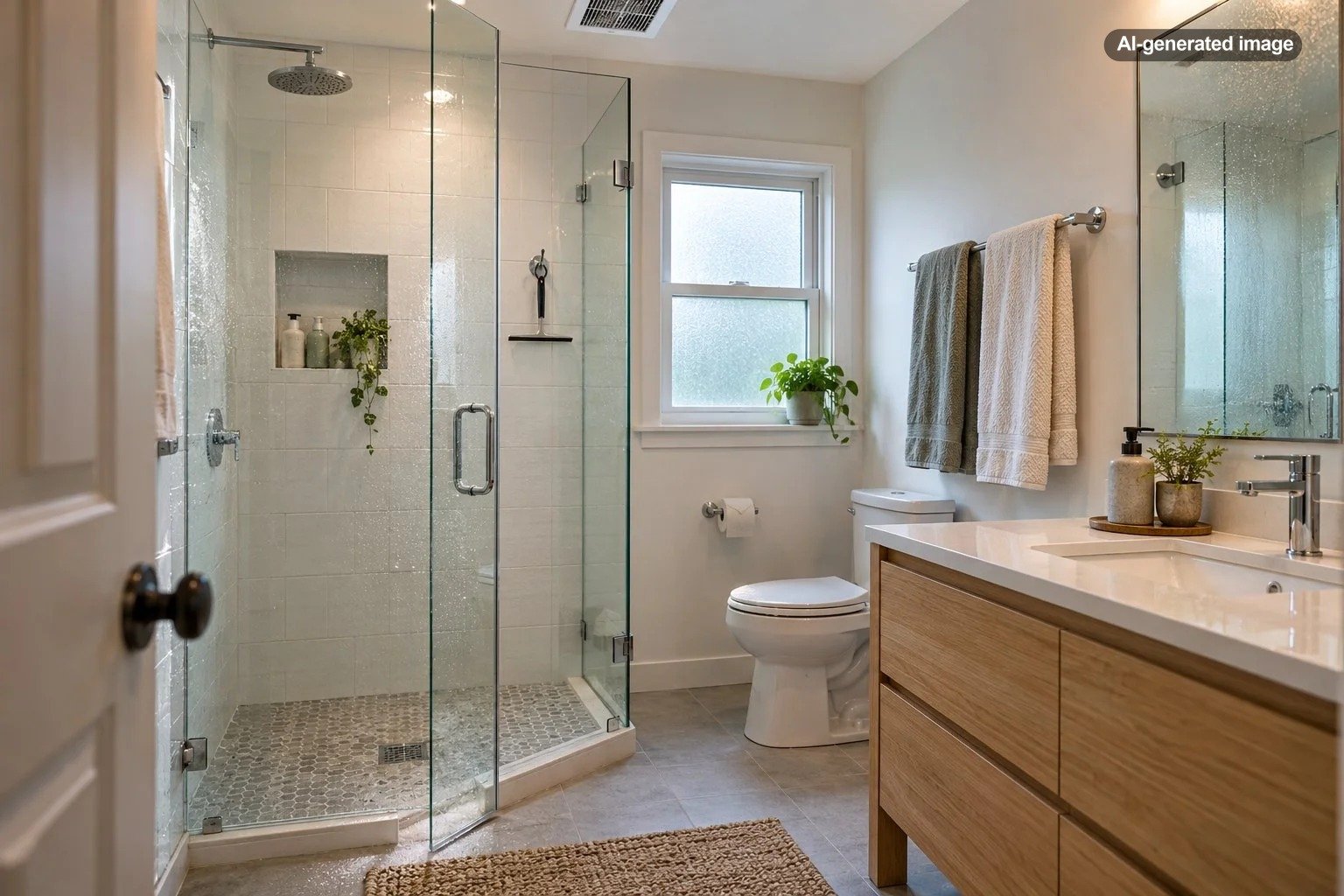
How Do You Dry a Bathroom Faster in Humid Weather?
A bathroom can feel damp long after a shower when the weather outside is hot and humid. Towels stay heavy, mirrors remain foggy, and the floor seems reluctant to dry. The quickest solution is to remove moisture from the air, clear standing water from surfaces, and keep damp fabrics from holding humidity in the room.
Start by running a properly vented exhaust fan during the shower and afterward, wiping down wet surfaces, and spreading out towels and shower curtains. If the entire house feels humid, air conditioning or dehumidification may be necessary. Simply opening a window is not always helpful, especially during a muggy summer afternoon.
Why Bathrooms Dry More Slowly in Humid Weather
Drying depends on evaporation. Water on shower walls, tile, towels, and countertops gradually enters the surrounding air as water vapor. When that air already contains substantial moisture, evaporation generally happens more slowly.
Relative humidity describes how close the air is to saturation at its current temperature. Warm, humid weather can make bathroom drying especially frustrating because opening a window may introduce air that contains even more water vapor than the conditioned air inside the house.
Several everyday conditions can make the problem worse:
- Insufficient exhaust ventilation: Moist air stays in the bathroom instead of being carried outdoors.
- Wet surfaces: Water pooled along shower tracks, grout joints, and floor edges continues evaporating after the shower ends.
- Restricted airflow: Closed doors, crowded towel bars, and folded shower curtains leave moisture trapped in small spaces.
- High household humidity: A bathroom cannot dry efficiently when the surrounding indoor air is already very humid.
- Repeated showers: A busy household may introduce new moisture before the room has recovered from the previous shower.
The important distinction is between a bathroom that becomes humid temporarily during bathing and one that stays damp throughout the day. The first is usually a ventilation and drying-routine issue. The second may require broader moisture control or further investigation.
Start With the Bathroom Exhaust Fan
A properly functioning bathroom exhaust fan is one of the most effective tools for removing shower-generated moisture. Unlike a portable circulation fan, an exhaust fan carries humid bathroom air out of the building.
Turn the fan on before or when the shower starts
Running the fan throughout the shower helps remove moisture as it enters the air. This can reduce the amount of vapor available to condense on mirrors, walls, ceilings, and other cooler surfaces.
Leave the fan running for at least 20 minutes after showering, and longer when necessary for the room to recover. Particularly humid bathrooms may benefit from substantially longer operation. The appropriate duration depends on airflow, room size, and moisture conditions.
A timer switch can make this routine easier. Humidity-sensing controls are another option, although their effectiveness depends on proper adjustment and installation.
Make sure the fan actually removes air
A noisy motor does not necessarily mean the fan is moving enough air. Dust buildup, blocked grilles, restrictive ductwork, and poorly functioning dampers can reduce exhaust performance.
With the fan operating, a lightweight piece of tissue held near the intake grille may provide a rough indication of suction. This is not a calibrated airflow test, but a fan that barely draws air deserves further attention.
Clean the accessible grille according to the manufacturer’s instructions. If airflow remains poor, have a qualified professional inspect the system. Bathroom exhaust should discharge outdoors, not into an attic, ceiling cavity, or another enclosed area.
Remove Surface Water Instead of Waiting for It to Evaporate
Ventilation addresses water vapor, but removing liquid water directly can make an immediate difference. Every puddle or wet surface left behind adds to the room’s drying burden.
A practical two-minute post-shower routine
- Squeegee the shower glass and walls. Move water downward toward the shower floor and drain.
- Clear water from ledges and corners. Pay attention to niches, horizontal tile edges, and shower-door tracks.
- Remove water from the bathroom floor. Use a suitable absorbent cloth or mop where splashes have escaped the shower.
- Spread out the shower curtain. Keep it positioned so both sides can dry rather than leaving the material bunched together.
- Hang towels fully open. Avoid overlapping damp towels whenever possible.
- Keep ventilation operating. Let the exhaust fan continue removing moisture after the room is no longer occupied.
These steps are especially useful in bathrooms with glass enclosures, extensive tile, or small shower stalls where water collects in several corners.
Use cleaning and drying tools that are appropriate for the surface. Abrasive materials can scratch some finishes, and vigorous rubbing is unnecessary for routine moisture removal.
Should You Open the Bathroom Window When It Is Humid Outside?
Not automatically. Opening a window can improve ventilation when outdoor air is drier than the indoor air, but it may slow drying when the weather is muggy.
The important factor is the actual moisture content of the air, not just the outdoor relative humidity reading. Temperature affects relative humidity, so comparing indoor and outdoor percentages alone can be misleading. Outdoor dew point is often a more useful indication of how much moisture the outside air contains.
| Conditions | Better approach | Reason |
|---|---|---|
| Hot, muggy weather with air conditioning running | Keep the window closed and use the exhaust fan | Avoids bringing additional outdoor moisture into the home |
| Comfortable, genuinely drier outdoor air | Open the window if practical and safe | Outdoor ventilation may help carry moisture away |
| No window but a functioning exhaust fan | Use the fan and improve airflow from adjacent rooms | Mechanical ventilation can remove shower moisture without a window |
| No usable exhaust fan | Remove surface water and use appropriate household humidity control | Reduces residual moisture while the ventilation problem is addressed |
In a coastal or subtropical climate, the window that feels refreshing for a moment may be introducing air with a high moisture load. A cool, conditioned home generally provides a better drying environment than an open window facing extremely humid outdoor conditions.
Use Airflow Without Spreading Moisture Around the House
Air movement can help wet surfaces dry, but it works best when paired with a way to remove or control the resulting water vapor.
When the exhaust fan operates, a small amount of replacement air must enter the bathroom. Depending on the home’s ventilation design, a door undercut or other intended transfer-air path can help provide that airflow.
If the rest of the home is air-conditioned and relatively dry, opening the bathroom door after showering may help equalize moisture levels. However, this is not a substitute for exhausting shower vapor outdoors. Avoid deliberately pushing a large volume of steamy air into bedrooms, closets, or other moisture-sensitive spaces.
A small portable fan can improve circulation near a damp floor or shower enclosure. Position it outside splash zones, keep electrical equipment away from water, and follow the manufacturer’s instructions for bathroom use. A circulation fan moves air; it does not independently remove humidity from the building.
Control Humidity Throughout the Home
Sometimes the bathroom is not the real source of the problem. If the bedroom, hallway, and closets also feel sticky, the surrounding air may already contain too much moisture for efficient drying.
The U.S. Environmental Protection Agency recommends keeping indoor relative humidity around 30% to 50% when practical. Sustained high humidity, especially above 60%, deserves attention because it increases the likelihood of condensation and moisture-related problems.
A small humidity meter can help distinguish ordinary shower-related spikes from consistently elevated indoor humidity. Measure conditions when the bathroom is dry, after showering, and again once ventilation has operated. The trend is often more useful than one reading taken immediately after a hot shower.
Affiliate disclosure: CraneManor.com may earn a commission when you purchase through links on this page. This does not affect the price you pay. Learn more.
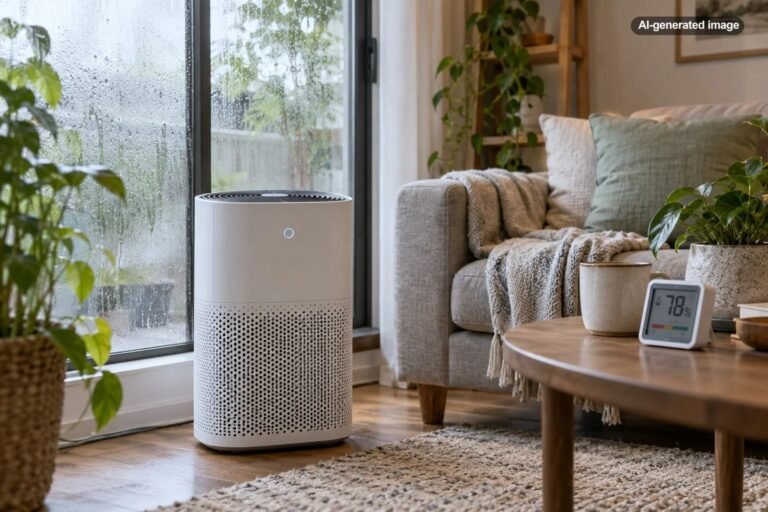
For homeowners who want a simple way to check indoor conditions, a digital hygrometer can display room temperature and relative humidity. It is a monitoring tool, not a dehumidifier or a mold detector.
In warm weather, properly operating air conditioning can help remove moisture while cooling the home. When cooling alone does not adequately control humidity, a suitably selected dehumidifier may be useful. Portable dehumidifiers require appropriate placement, drainage, and maintenance, and they should only be used in locations permitted by their manufacturers.
Do not assume that lowering the thermostat dramatically is the best way to dry a bathroom. Excessive cooling can create comfort problems and may not resolve the underlying humidity issue. Persistent whole-home humidity problems warrant an HVAC assessment.
Make Towels, Bath Mats, and Shower Curtains Dry Faster
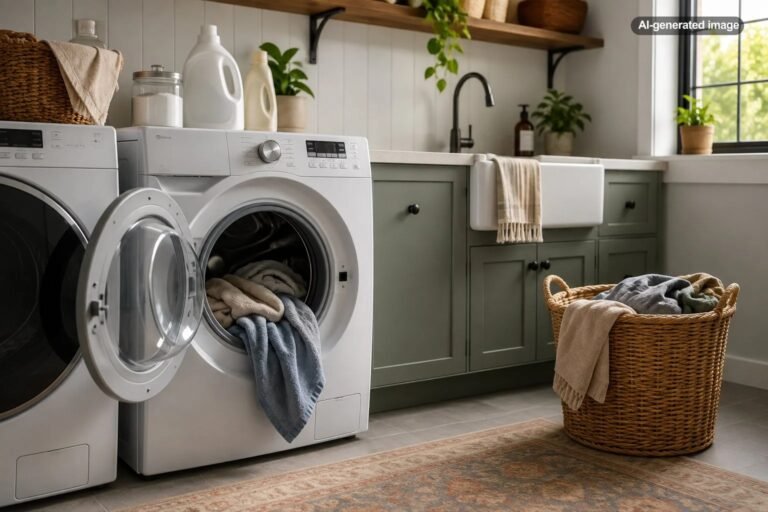
Fabric is a frequent source of lingering bathroom dampness. A room can feel nearly dry while a saturated bath mat or several folded towels continue releasing moisture.
Give towels more exposed surface area
Hang each towel flat or loosely draped, with as little overlap as practical. Hooks are convenient, but tightly gathered towels may retain moisture longer than towels spread across a bar.
In small bathrooms, consider moving extra damp towels to a well-ventilated laundry area rather than crowding them together. Avoid hanging them against painted walls or wooden doors where prolonged contact with moisture could affect the finish.
Keep the shower curtain from staying folded
After bathing, arrange the curtain or liner so water can drain toward the tub or shower and the material is not compressed into damp folds. Make sure it is not trapping water against a wall or spilling onto the bathroom floor.
Choose bath mats that suit the climate
Very thick, absorbent mats can feel comfortable but may remain wet for much of the day in a humid bathroom. A lighter, washable mat that dries promptly may be more practical.
Lift or hang a wet bath mat when necessary rather than leaving it pressed against a damp floor. Periodically check underneath for persistent moisture, especially where flooring seams or baseboards meet the floor.
What If Your Bathroom Has No Window?
A windowless bathroom can dry efficiently if it has effective mechanical ventilation. In fact, a properly designed exhaust system can provide more predictable moisture removal than relying on outdoor weather.
Start by confirming that the exhaust fan works and is appropriately vented. Keep the accessible grille clean and avoid blocking the intended replacement-air path.
If there is no fan, use immediate surface-drying measures while exploring a permanent ventilation solution. Renters should report persistent moisture and ventilation problems to the property manager rather than attempting unauthorized electrical or ductwork changes.
For owners, a qualified contractor can evaluate whether an exhaust fan can be installed or improved. The appropriate solution depends on the building layout, available exhaust route, and applicable local requirements.
Why a Bathroom May Still Be Wet Hours Later
If a bathroom remains noticeably wet despite reasonable ventilation and cleaning habits, look for patterns that may point to a specific cause.
The mirror stays fogged for a long time
This often suggests that moist air is not being removed quickly enough or that cool surfaces are continuing to collect condensation. Check exhaust operation and the room’s humidity trend.
The floor stays wet in the same location
Inspect whether water escapes around a shower door, curtain, or tub edge. Also look for poor drainage, water collecting in recessed areas, or moisture returning after the room has otherwise dried.
The vanity or cabinet interior smells musty
Check for plumbing leaks, damp stored items, condensation, or moisture entering from surrounding surfaces. Ventilation improvements alone will not fix an active leak.
Humidity never returns to normal
Compare the bathroom’s humidity with other rooms. If readings remain high throughout the home, investigate household moisture control. If only the bathroom remains humid, focus on ventilation, water sources, and the room’s layout.
Common Bathroom Drying Mistakes
A few habits can make a humid bathroom take longer to recover, even when the space looks clean and well maintained.
- Turning the exhaust fan off immediately: Moisture remains on surfaces and in the air after the shower ends.
- Opening windows during muggy weather: Outdoor air may introduce additional moisture instead of helping the room dry.
- Leaving towels in piles: Limited exposed surface area slows drying and keeps fabrics damp.
- Keeping the shower curtain tightly bunched: Folded material can trap water where airflow is limited.
- Ignoring small puddles: Water in tracks, corners, and along floor edges must eventually evaporate unless removed.
- Relying entirely on a portable fan: Air circulation without moisture removal may leave the home humid.
- Using fragrances to cover a musty smell: Scent does not correct moisture buildup or hidden water damage.
The most effective routine is usually simple: remove bulk water, provide proper ventilation, and give remaining damp materials room to dry.
How to Keep the Bathroom Drier Every Day
For a bathroom used repeatedly throughout the day, consistency matters more than occasional intensive cleaning.
A daily moisture-control checklist
- Run the exhaust fan throughout showers and for an appropriate period afterward.
- Use a squeegee to remove water from shower glass and tile.
- Wipe puddles from ledges, tracks, and the floor.
- Spread out towels, mats, and shower curtains.
- Keep the exhaust grille unobstructed and clean as directed.
- Keep windows closed when outside air is especially humid.
- Check indoor humidity if drying remains unusually slow.
- Investigate persistent leaks, moisture stains, or odors.
Households with several people sharing one bathroom may benefit from a fan timer and a quick wipe-down after each shower. In a guest bathroom used only occasionally, the priority may instead be making sure wet towels or mats are not left behind in a closed room.
The aim is not to make every surface bone-dry immediately. It is to prevent excess water from lingering long enough to create repeated condensation, persistent dampness, or damage to moisture-sensitive materials.
Frequently Asked Questions
How long should a bathroom take to dry after a shower?
There is no universal drying time. An adequately ventilated bathroom may lose most visible condensation relatively quickly, while soaked towels, grout lines, and wet corners can take considerably longer. Watch whether surfaces and humidity recover consistently rather than relying on a fixed deadline.
Should you leave the bathroom door open after showering?
Opening the door can help when adjacent indoor air is conditioned and relatively dry, provided it does not interfere with the ventilation system’s intended operation. Use the exhaust fan to remove moist air outdoors rather than depending on the doorway alone.
Will a dehumidifier dry a bathroom faster?
A dehumidifier can help when elevated indoor humidity is slowing evaporation. It is especially useful when moisture affects multiple rooms. It does not replace the need to remove puddles, correct leaks, or provide appropriate bathroom ventilation.
Can a bathroom dry properly without an exhaust fan?
Some bathrooms can dry through other ventilation arrangements, but a properly vented mechanical exhaust fan is generally the more reliable solution for shower moisture. If persistent dampness occurs in a bathroom without one, have the ventilation options evaluated.
Does taking a cooler or shorter shower help?
Yes. A shorter shower generally introduces less total moisture, and cooler water typically produces less vapor than a very hot shower. This can reduce the load on the exhaust fan, although good ventilation and surface drying remain important.
The Bottom Line
Drying a bathroom faster in humid weather requires more than leaving the door open and hoping for a breeze. The best approach combines effective exhaust ventilation, prompt removal of surface water, better towel and curtain drying, and control of excess indoor humidity.
Start with the small changes that take only a few minutes. If the room still stays damp long after use, check whether the exhaust fan is actually moving air outdoors and whether the rest of the home has a humidity problem. A bathroom that dries predictably is easier to maintain, more comfortable to use, and less likely to develop recurring moisture trouble.
Sources & Further Reading
- U.S. Environmental Protection Agency: A Brief Guide to Mold, Moisture and Your Home – Moisture prevention, condensation, ventilation, and when to address water problems.
- U.S. Environmental Protection Agency: Care for Your Air – Indoor humidity recommendations and practical moisture-control guidance.
- U.S. Department of Energy Building America Solution Center: Bathroom Exhaust Fans – Exhaust performance, outdoor venting, and bathroom fan operation.
- U.S. Environmental Protection Agency: The Inside Story – A Guide to Indoor Air Quality – General indoor air quality and bathroom exhaust ventilation.