How Do You Make a Large Living Room Feel Cozy Without Adding More Furniture?
A large living room can be a wonderful feature until you try to make it feel comfortable. With furniture spread across an expansive floor, distant walls, and perhaps a ceiling that seems determined to reach the clouds, even a beautifully decorated room can feel strangely impersonal. Fortunately, making a large living room feel cozy rarely requires another sofa, armchair, or bulky cabinet.
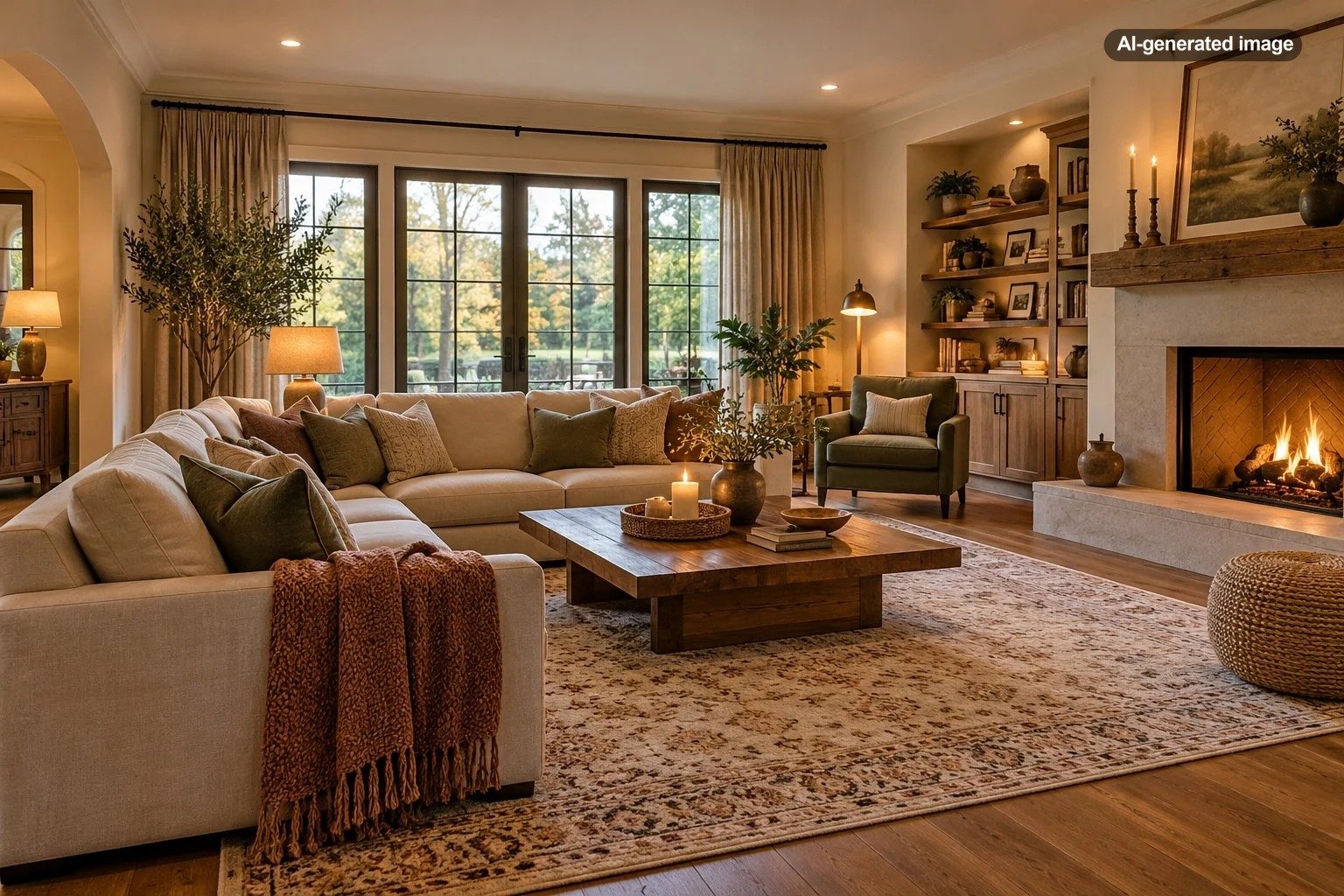
The most effective approach is to bring existing furniture into a more intimate arrangement, create visual boundaries with rugs and lighting, soften hard surfaces, and introduce warmth through color and texture. These changes make the space feel welcoming without sacrificing the openness that makes a large room attractive in the first place.
Start by looking at how the room is arranged rather than what it contains. A spacious living room often has enough furniture already. The missing ingredient is usually a stronger relationship between the pieces.
Bring Your Existing Furniture Closer Together
One of the most common decorating mistakes in a large living room is pushing every piece of furniture against a wall. This might seem like the best way to preserve floor space, but it often leaves an enormous empty center surrounded by disconnected seating.
Instead, arrange the sofa and chairs around a shared focal point, such as a coffee table, fireplace, or conversational seating area. Pulling a sofa several feet away from the wall can immediately make the room feel more connected.
For comfortable conversation, try positioning the main seating pieces roughly 4 to 8 feet apart, depending on the arrangement. This is a flexible starting point, not a fixed design requirement. The goal is to let people talk naturally without feeling as though they are addressing each other from opposite ends of a ballroom.
Keep the coffee table conveniently accessible from the primary seating. A gap of approximately 14 to 18 inches between the sofa and coffee table often works well, although seat depth, legroom, and household needs may call for adjustments.
Let the furniture float
A floating furniture arrangement means that at least some seating sits away from the walls. In a large room, this creates a more intimate interior space while allowing circulation around its perimeter.
If your sofa faces a television or fireplace, consider angling existing chairs toward the sofa rather than placing everything in a straight line. This small adjustment can make the layout feel more conversational.
Before moving heavy pieces, use painter’s tape to mark their proposed footprints on the floor. Check door swings, walkways, floor outlets, and the view from the room’s entrance.
Define One Comfortable Gathering Area
A large room does not necessarily need multiple seating groups. In fact, creating too many small arrangements can make an otherwise elegant space feel fragmented.
Begin by establishing one clearly defined gathering area around the seating you use most. This is the visual and functional heart of the room.
If your existing furniture already supports more than one activity, you can suggest different zones through positioning rather than purchasing additional pieces. For example, a chair that currently faces the television might become a reading spot near a window, provided the main conversation area still has adequate seating.
In especially large rooms, different functions can coexist without each demanding a separate furniture arrangement. A window can provide a natural visual destination, while artwork or a fireplace can anchor another portion of the space.
Use an Area Rug to Make the Seating Feel Connected
An area rug provides a visual boundary that helps a furniture grouping read as one cohesive arrangement. Without one, the sofa, chairs, and coffee table may appear to be independent objects scattered across a large floor.
Ideally, the rug should extend under at least the front legs of the principal seating pieces. This makes the grouping feel connected rather than leaving each chair on its own little island.
For many generously sized seating areas, an 8-by-10-foot or 9-by-12-foot rug is worth considering, but the correct size depends on the actual furniture footprint. Measure the seating arrangement before selecting a rug, rather than choosing one based solely on the dimensions of the room.
If you already own a rug, experiment with repositioning it before replacing it. Centering it beneath the seating group instead of in the geometric center of the entire room may make a surprising difference.
Rugs also add tactile warmth and can soften the sound of footsteps in rooms with extensive hardwood, tile, or other hard flooring.
Create Pockets of Warm, Layered Lighting
Lighting has an enormous influence on whether a room feels inviting. A single overhead fixture may illuminate a large living room adequately while making it feel flat, exposed, or impersonal.
Instead of relying entirely on ceiling lights, use the lamps and fixtures you already have to create smaller pools of illumination near the places people gather.
A table lamp near the sofa, a floor lamp beside an existing reading chair, and softened ambient lighting can make different areas feel purposeful without introducing more furniture.
Choose warmth without sacrificing function
For relaxed evening lighting, bulbs around 2700K generally provide a warm appearance. Some households prefer approximately 3000K for a slightly cleaner light that still feels comfortable. Choose brightness according to the task, fixture, and personal preference.
Dimmers are particularly useful because a living room may need bright illumination for cleaning or reading and much softer lighting for conversation or television viewing. Compatible dimmable bulbs and fixtures are essential, and electrical modifications should be handled appropriately.
Consider what the room looks like after sunset. Dark corners do not all need to be illuminated, but a comfortable balance between light and shadow helps the space feel intentional rather than cavernous.
Soften Large Windows and Tall Walls
Generous windows and high ceilings can make a living room spectacular during the day. At night, those same architectural features may contribute to a sense of emptiness.
Window treatments offer one of the simplest ways to soften the effect. Curtains introduce fabric, vertical texture, and a visual connection between the ceiling and the furnished portion of the room.
If curtains are already installed, assess their placement. Panels that appear narrow or hang awkwardly above the floor may not provide the visual weight needed for a large wall. Where appropriate, hanging treatments higher and allowing them to frame the window more generously can produce a softer overall composition.
If you prefer an uncluttered look, simple woven shades or restrained drapery can provide warmth without excessive ornamentation.
Give tall walls a stronger visual anchor
Large stretches of bare wall can make ordinary furniture appear disproportionately small. Rather than buying several additional decorative pieces, rethink the placement of artwork you already own.
Group smaller pictures into a deliberate gallery arrangement or move an existing substantial artwork above the primary seating. Position it in relation to the furniture beneath it, rather than automatically centering it on the entire wall.
A broad wall does not need decoration from edge to edge. The aim is to create a clear focal area with enough surrounding space for the composition to breathe.
Introduce Warmth Through Color and Texture
Color changes how we perceive the boundaries of a room. Very pale walls, glossy surfaces, and minimal textiles can make an expansive living room feel even larger, particularly when natural light is abundant.
Warmer neutrals, muted greens, earthy browns, soft terracotta, and deep blue-gray accents can help create a more enveloping atmosphere. You do not have to repaint every wall to achieve this effect.
Begin with the textiles already in the room. Reposition throws, redistribute pillows, and repeat a few colors across different surfaces. A warm brown pillow can relate to a wooden coffee table, while a muted green throw might echo the tones of existing artwork.
Texture matters as much as color. Combining smooth upholstery with a knitted throw, woven rug, linen curtains, or natural wood finishes adds depth without demanding additional furniture.
A cozy large living room needs stronger connections between its elements, not necessarily more elements.
For a minimalist interior, limit the palette to two or three closely related colors and let differences in material provide variety. For a more traditional room, layered patterns can feel inviting when they share a consistent color family.
Make Existing Surfaces Feel More Personal
A large living room can feel unfinished when every visible surface is completely bare. Yet covering those surfaces with small decorative items may create clutter without improving the atmosphere.
Instead, create a few intentional arrangements using objects you already enjoy: books, a ceramic bowl, framed photographs, or a decorative tray. Select items with enough visual presence to suit the scale of the room.
On a coffee table, one substantial arrangement often works better than numerous unrelated objects. A tray can organize a few smaller accessories into a cohesive group while leaving practical space for drinks, books, or everyday use.
Affiliate disclosure: CraneManor.com may earn a commission when you purchase through links on this page. This does not affect the price you pay. Learn more.
For a distinctive decorative accent, the Il Viaggio di Nettuno Oggetti Large Change Tray offers a colorful porcelain option for a generously sized coffee table or display surface. Its decorative character suits a room that could benefit from one expressive accent rather than several small accessories. Check its dimensions, material, and care requirements before choosing a placement, particularly in a household with young children or energetic pets.
There is no need to purchase an accessory simply to fill an empty surface. A favorite book, meaningful family photograph, or object collected over time can create an equally personal result.
Balance the Room’s Height and Scale
High ceilings can make a space feel dramatic, but the people sitting in it experience the room primarily at eye level. Creating a more comfortable atmosphere means giving that lower portion of the room enough visual attention.
Look for ways to connect the walls, windows, and furniture through repeating shapes and materials. Artwork positioned above the sofa, curtains framing tall windows, and lamps illuminating seated areas can help the eye move comfortably through the room.
If the ceiling feels especially distant, consider a warmer ceiling color or a slightly deeper wall shade when repainting is already part of your plans. Subtle tonal changes can soften the room’s boundaries without requiring architectural modifications.
A dark ceiling is not automatically the answer. In a room with limited daylight, it may make the space feel heavier than intended. Test large paint samples at different times of day before committing.
Keep Empty Space, but Give It a Purpose
Not every square foot of a large living room needs furniture or decoration. Open space can make the room easier to navigate, allow children to play, accommodate gatherings, and preserve attractive architectural views.
The important distinction is between intentional open space and an empty area that makes the furniture seem disconnected.
A clear route from the entrance to adjoining rooms is useful. A broad open area between two unrelated furniture arrangements may instead need a rethink of how the existing pieces are positioned.
As a practical starting point, aim for roughly 30 to 36 inches of clearance along frequently used walking routes where the layout permits. This is general planning guidance, not a universal accessibility standard. Homes with mobility devices or particular accessibility needs may require different clearances and a more careful layout.
In other words, resist the temptation to solve every empty corner. A beautiful room needs space as much as it needs objects.
A Simple Weekend Plan for a Cozier Living Room
You can test most of these ideas without making a single purchase. Work through the room in stages so it is easier to recognize which changes help.
What to do
- Choose the main activity. Decide whether the room primarily supports conversation, television viewing, reading, or a combination of activities.
- Rearrange the seating. Pull existing pieces into a closer grouping while keeping walkways clear.
- Reposition the rug. Use it to visually anchor the seating rather than merely fill floor space.
- Adjust the lighting. Experiment with existing lamps and lower light levels in the evening.
- Soften the surroundings. Redistribute throws, pillows, curtains, and artwork to create warmer relationships between surfaces.
- Edit the accessories. Concentrate meaningful objects into a few deliberate arrangements instead of scattering them throughout the room.
- Evaluate the result at night. Sit in each commonly used seat and consider comfort, glare, conversation distance, and how connected the space feels.
Live with the arrangement before investing in new decor. Sometimes the difference between an impressive living room and an inviting one is simply the position of the sofa and the quality of the evening light.
Common Mistakes That Make a Large Living Room Feel Cold
Even well-intentioned decorating decisions can work against a cozy atmosphere. Watch for these recurring problems:
- Seating placed too far apart: A conversation area should feel connected, not require raised voices.
- Everything pushed against the walls: This often exaggerates the amount of empty floor in the middle.
- An undersized rug: A small isolated rug can make the seating arrangement seem less cohesive.
- Only one overhead light: Uniform brightness can remove the softer atmosphere that layered lighting provides.
- Too many tiny accessories: Numerous small objects may create visual noise rather than warmth.
- Ignoring acoustics: Hard floors, bare windows, and expansive walls can make a large room feel echoing and uncomfortable.
If the room echoes, start by assessing existing soft furnishings and window coverings. Rugs, curtains, and upholstered surfaces can help moderate reflections, although substantial acoustic problems may require more targeted solutions.
Frequently Asked Questions
Can a large living room feel cozy with minimalist decor?
Absolutely. Minimalism and comfort are compatible. Use a focused furniture arrangement, warm lighting, a few tactile materials, and a restrained palette. The secret is ensuring that the elements you keep work together.
What colors make a large living room feel smaller and warmer?
Warm taupe, muted olive, earthy brown, soft terracotta, and deeper blue-green shades can create a more intimate impression. The effect depends on daylight, ceiling height, finishes, and how the colors interact. Test samples in the actual room before painting.
Should every corner of a large living room be decorated?
No. Empty corners can provide visual relief and preserve circulation. Decorate an unused area only when doing so supports an activity, improves balance, or contributes meaningfully to the room’s composition.
How do you make a large living room cozy on a budget?
Begin with changes that cost nothing: move furniture inward, rearrange lamps, reposition an existing rug, edit decorative accessories, and redistribute pillows or throws. If a purchase eventually makes sense, identify the specific problem it should solve rather than buying miscellaneous decor.
What if the room has very high ceilings?
Focus on the areas people actually occupy. Use appropriate artwork placement, window treatments, softer lighting, and warm colors to connect the room’s height with the seating below. You do not need to visually fill every foot of wall.
The Bottom Line
Making a large living room feel cozy is not about disguising its size. It is about making that size work for the people who use it.
Start with the seating arrangement, because the distance between people and furniture often determines whether a room feels comfortable. Then use rugs, lighting, color, texture, and thoughtful accessories to establish a stronger sense of connection.
When those elements work together, a spacious living room can feel both open and intimate. The room keeps its generous proportions, but the experience of spending time there becomes noticeably warmer.
Sources & Further Reading
- Homes & Gardens: How Can I Make a Large Living Room Feel Cozy? – Interior design guidance on zoning, rugs, and lighting.
- ABC Carpet & Home: Il Viaggio di Nettuno Oggetti Large Change Tray – Retailer information about the featured decorative accessory, including its materials and dimensions.