Why Does My Air Conditioner Smell Like Vinegar?
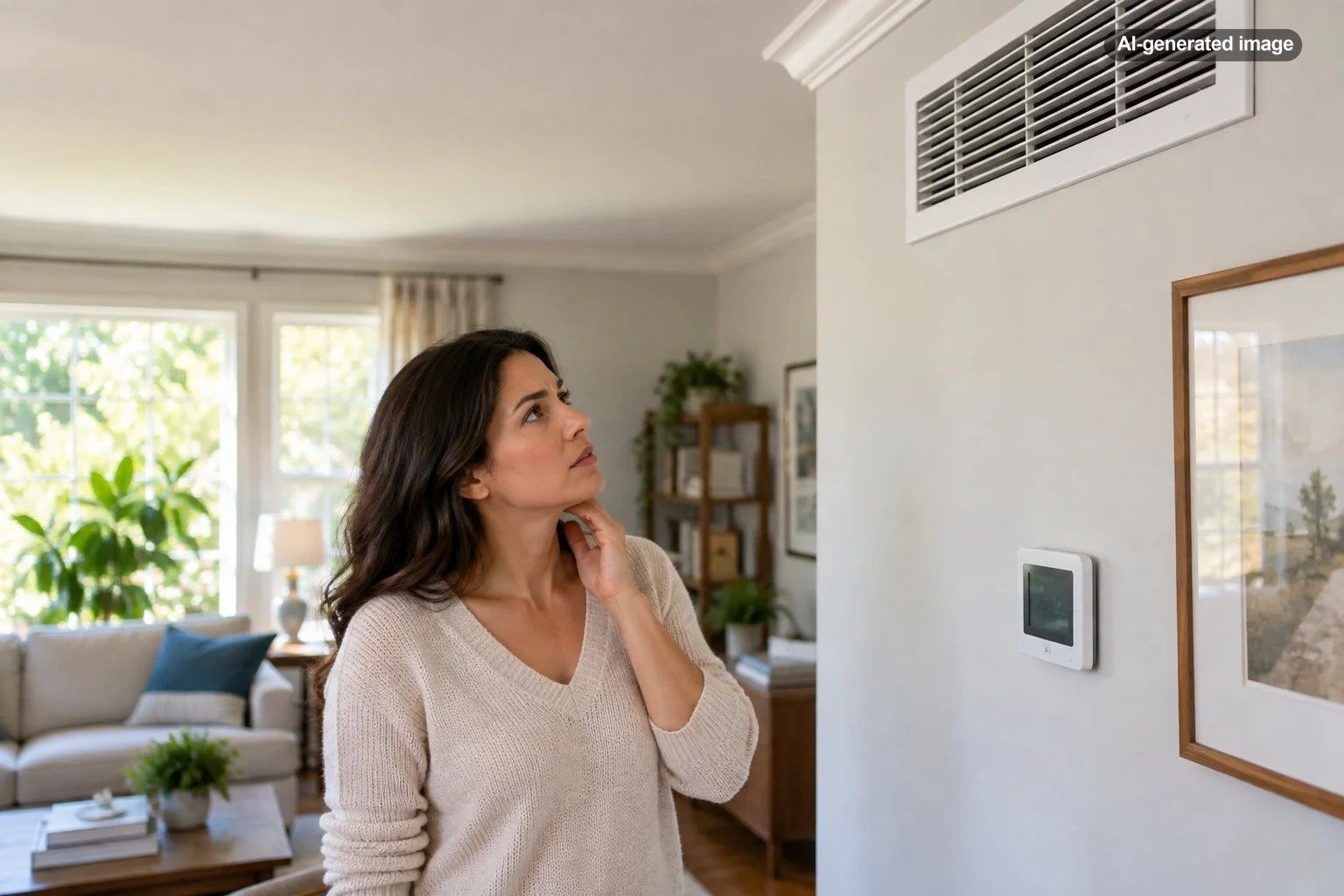
If your air conditioner smells like vinegar, the most likely explanation is an odor associated with moisture, accumulated debris, or microbial activity somewhere in the cooling system. The smell may come from a damp evaporator coil, a condensate drain that is not working properly, or material collecting around the air handler. Although the sharp, sour odor can be unpleasant, it does not automatically mean your air conditioner is failing or that mold is present.
The important distinction is whether the odor appears only briefly when cooling begins, persists throughout operation, or accompanies signs of water damage or poor performance. Those details can help you narrow down the problem without dismantling equipment or guessing at repairs.
What Causes an Air Conditioner to Smell Like Vinegar?
Air conditioners remove heat and moisture from indoor air. During cooling, water vapor condenses on the cold evaporator coil and normally drains away through a collection pan and condensate line. When moisture remains where it should not, it can create conditions that support microbial growth and unpleasant odors.
A smell described as vinegar-like is not a reliable chemical fingerprint. One person may call an odor sour, another may describe it as musty, and a third may notice something resembling fermented laundry. Several different problems can produce overlapping descriptions.
1. Moisture and buildup on the evaporator coil
The evaporator coil is one of the first places worth investigating because it regularly becomes wet during cooling. Air passing across the coil can deposit dust and other particles on nearby surfaces. When organic debris remains damp, microbial activity may develop and contribute to an unpleasant smell.
The odor can be particularly noticeable when the blower starts moving air across previously damp components. It may seem strongest during the first minutes of operation and then become less obvious as the system continues running.
However, a brief startup odor does not prove that the coil is contaminated. A technician can inspect the coil, surrounding insulation, blower compartment, and drainage arrangement to determine whether there is a meaningful moisture or cleanliness problem.
2. A clogged condensate drain or standing water
As the evaporator removes moisture, the resulting condensate should leave the system through the designed drainage pathway. Dust, slime, debris, or an improperly configured drain can interfere with that process.
If water collects in the drain pan instead of flowing away, damp debris and microbial growth may contribute to sour or musty odors. Overflow can also damage nearby materials.
The U.S. Environmental Protection Agency identifies condensate pans and cooling coils as important areas to inspect because standing water and moisture contamination can create conditions favorable to mold growth.
3. A damp or dirty air filter
A dirty filter can restrict airflow and accumulate household dust. If the filter becomes damp because of an underlying moisture problem, it can also contribute to unpleasant odors.
Changing a dirty filter may improve airflow and remove one potential odor source, but it will not correct a blocked condensate line or a contaminated coil. A filter that repeatedly becomes wet deserves further investigation rather than repeated replacement alone.
4. Moisture inside ductwork or nearby insulation
Sometimes the odor is not coming directly from the cooling coil. Condensation, a roof leak, a plumbing problem, or another moisture source may affect ductwork or the materials surrounding it.
Odors originating in an attic, utility closet, crawl space, or wall cavity can enter an air system through leakage or air intake pathways. The result may seem like an air conditioner problem even though the original moisture source is elsewhere.
This possibility becomes more important when an odor affects several rooms, appears around stained ceilings or walls, or continues even when the air conditioner is not cooling.
5. Household odors entering the return air
Not every vinegar smell originates inside the HVAC system. Cleaning products, nearby trash, damp fabrics, cooking ingredients, and certain household activities can create acidic or sour smells that the return-air system distributes.
For example, a strong odor near a utility closet or return grille may become noticeable in multiple rooms when the blower operates. If the original odor source is removed and the smell disappears, internal HVAC contamination becomes less likely.
Consider recent cleaning, spills, stored materials, or changes in the space before assuming that the equipment itself is responsible.
How to Tell Where the Vinegar Smell Is Coming From
Rather than immediately adding cleaners or requesting an expensive service, observe the odor’s timing and location. These clues do not establish a diagnosis, but they make troubleshooting more focused.
| What you notice | What it may suggest | Reasonable next step |
|---|---|---|
| Odor is strongest when cooling starts | Moisture or debris around cooling components | Check filter condition and note whether the odor persists |
| Odor comes from many supply vents | A shared air-handler, return-air, or duct issue | Arrange system inspection if persistent |
| Odor is strongest near the indoor unit | Condensate, nearby stored materials, or air-handler conditions | Look for accessible signs of moisture or spills |
| Odor occurs even when cooling is off | A room, drainage, duct, or surrounding-building source | Check nearby household sources and moisture |
| Odor appears with dripping or water stains | A drainage or condensation problem | Turn cooling off and request prompt service |
It also helps to distinguish the type of odor. A sour smell is different from a burning-plastic smell, a strong chemical odor, or a rotten-egg smell. Those other odors can indicate different hazards and should not be dismissed as ordinary condensate problems.
What to Check Before Calling an HVAC Technician
Homeowners can perform a few low-risk checks without opening sealed equipment compartments, handling electrical components, or working with refrigerant.
A sensible first inspection
- Note when the smell appears. Does it happen only at startup, during every cooling cycle, or even when the system is off? Record how long it lasts and which rooms are affected.
- Inspect the accessible air filter. Turn the system off and follow the manufacturer’s instructions for checking or replacing the filter. Use the correct size and type.
- Look around the indoor unit. From an accessible location, check for puddles, damp flooring, water stains, or unusual condensation. Do not remove electrical access panels.
- Check nearby odor sources. Look for cleaning products, damp laundry, trash, spills, or other materials near the return grille or air handler.
- Observe cooling performance. Note whether airflow seems weaker than usual, the system cools unevenly, or the unit shuts down unexpectedly.
- Arrange service if the problem continues. Share your observations with the technician rather than attempting internal cleaning based solely on the odor.
If you see active water leakage, turn off cooling to limit further condensate production and seek professional assistance. If you know or suspect that mold has contaminated the HVAC system, EPA guidance recommends not operating the system until the issue is assessed because operation could distribute contamination.
Should You Pour Vinegar or Bleach Down the AC Drain?
It is tempting to treat a vinegar-like smell by pouring something into the condensate drain. However, a household cleaning recipe is not automatically appropriate for every air conditioner.
Drain arrangements differ by system. Some include pumps, traps, float switches, or components that require manufacturer-specific maintenance. A chemical that is unsuitable for the equipment may damage materials or create another problem.
Do not pour bleach, vinegar, or other chemicals into the equipment unless the manufacturer explicitly approves that treatment and procedure. Never mix cleaning chemicals, especially bleach with acids such as vinegar.
Do not spray fragrance, disinfectant, or general household cleaner into supply vents, electrical compartments, or onto the evaporator coil. Masking the odor does not address the reason it developed.
When Is an Acidic Air Conditioner Smell a Warning Sign?
A mild, isolated smell with no other symptoms is different from an odor accompanied by leakage, unusual noises, electrical concerns, or visible contamination.
A vinegar smell alone is not sufficient evidence of a refrigerant leak. Refrigerant issues require appropriate diagnostic equipment and professional evaluation, especially when cooling performance is abnormal.
What Will an HVAC Professional Check?
A qualified technician will generally begin with the odor history and the condition of the system. The goal should be to identify an actual source rather than automatically recommending deodorizing products or extensive duct cleaning.
Depending on the equipment and symptoms, the inspection may include the evaporator coil, blower compartment, condensate pan, drain line, trap, pump, air filter, nearby insulation, and return-air pathways. The technician may also examine airflow and cooling performance if there are signs that the system is not operating normally.
If the problem involves moisture accumulation, an effective repair must address both the damp conditions and any affected materials. Cleaning a component without correcting its drainage or condensation problem may allow the odor to return.
For renters and condo residents, report persistent odors, leaks, or suspected system contamination to the appropriate maintenance contact. Avoid modifying shared building equipment or drainage connections without authorization.
How to Prevent Sour Air Conditioner Smells
Prevention is mostly about keeping air pathways clean, drainage functioning, and moisture from accumulating in unintended places.
A practical prevention checklist
- Inspect and replace or clean the air filter according to the manufacturer’s guidance and actual household conditions.
- Include cooling-coil and condensate-drain inspection in regular HVAC maintenance.
- Keep supply and return grilles unobstructed.
- Investigate water stains, damp insulation, or unexplained condensation promptly.
- Manage excessive indoor humidity and address leaks instead of relying on fragrances.
- Keep cleaning chemicals and strong-smelling household materials away from return-air openings.
- Ask a qualified technician about recurring odors after basic maintenance.
The EPA generally recommends keeping indoor relative humidity below 60 percent, ideally between 30 and 50 percent when practical. Maintaining appropriate humidity does not eliminate every odor source, but moisture control is central to preventing unwanted mold growth.
In especially humid climates, including Florida and other coastal regions, longer cooling seasons and high moisture loads can make drainage and humidity control particularly important. The appropriate solution still depends on the equipment and the actual source of the problem.
Frequently Asked Questions
Is it normal for an air conditioner to smell like vinegar when it first turns on?
A brief startup odor can happen when air begins moving across damp or dusty components, but it should not automatically be considered normal. If the sour smell appears repeatedly, grows stronger, or lingers, arrange an inspection to identify the source.
Does a vinegar smell mean there is mold inside my AC?
No. A vinegar-like odor cannot establish that mold is present. Bacteria, damp debris, household odor sources, and drainage issues may all be involved. Visible suspicious growth and an identified moisture problem warrant proper assessment rather than diagnosis by smell.
Can a dirty air filter cause a sour AC smell?
It can contribute, particularly if the filter contains damp debris. However, a dirty filter is only one possible explanation. If the smell remains after installing an appropriate clean filter, the problem may be elsewhere in the cooling system or building.
Will running the fan continuously remove the smell?
Not reliably. Fan operation changes airflow and moisture conditions, but it does not remove accumulated debris, clear blocked drainage, or correct mold contamination. Continuous fan operation may also redistribute an odor. Use the settings appropriate for your equipment and address the source directly.
Can a vinegar smell come from a window or portable air conditioner?
Yes. These units also handle moisture, and their filters, coils, collection areas, and drainage components can develop unpleasant odors. Check the manufacturer’s cleaning and drainage instructions. Unplug portable or window equipment before user-approved cleaning, and do not open sealed refrigeration or electrical components.
The Bottom Line
When an air conditioner smells like vinegar, start by thinking about moisture rather than assuming an expensive mechanical failure. A dirty filter, damp cooling components, drainage trouble, or a nearby household odor may be responsible.
Checking accessible areas and documenting when the smell occurs are useful first steps. Persistent odors, visible moisture problems, suspected contamination, or abnormal operation call for professional attention. The lasting solution is not simply making the air smell better; it is identifying and correcting the condition that caused the odor.
Sources & Further Reading
- U.S. Environmental Protection Agency: A Brief Guide to Mold, Moisture and Your Home – Residential moisture control, mold prevention, and HVAC contamination precautions.
- U.S. Environmental Protection Agency: Should You Have the Air Ducts in Your Home Cleaned? – Cooling coils, drain pans, duct moisture, and evaluating cleaning needs.
- U.S. Environmental Protection Agency: Mold Course, Chapter 9 – HVAC maintenance, condensate pans, and moisture prevention.
- U.S. Department of Energy: Energy Saver 101 – Home Cooling – Air conditioner operation, filters, drainage, and routine maintenance.