
Can Gas Stoves Affect Indoor Air Quality?
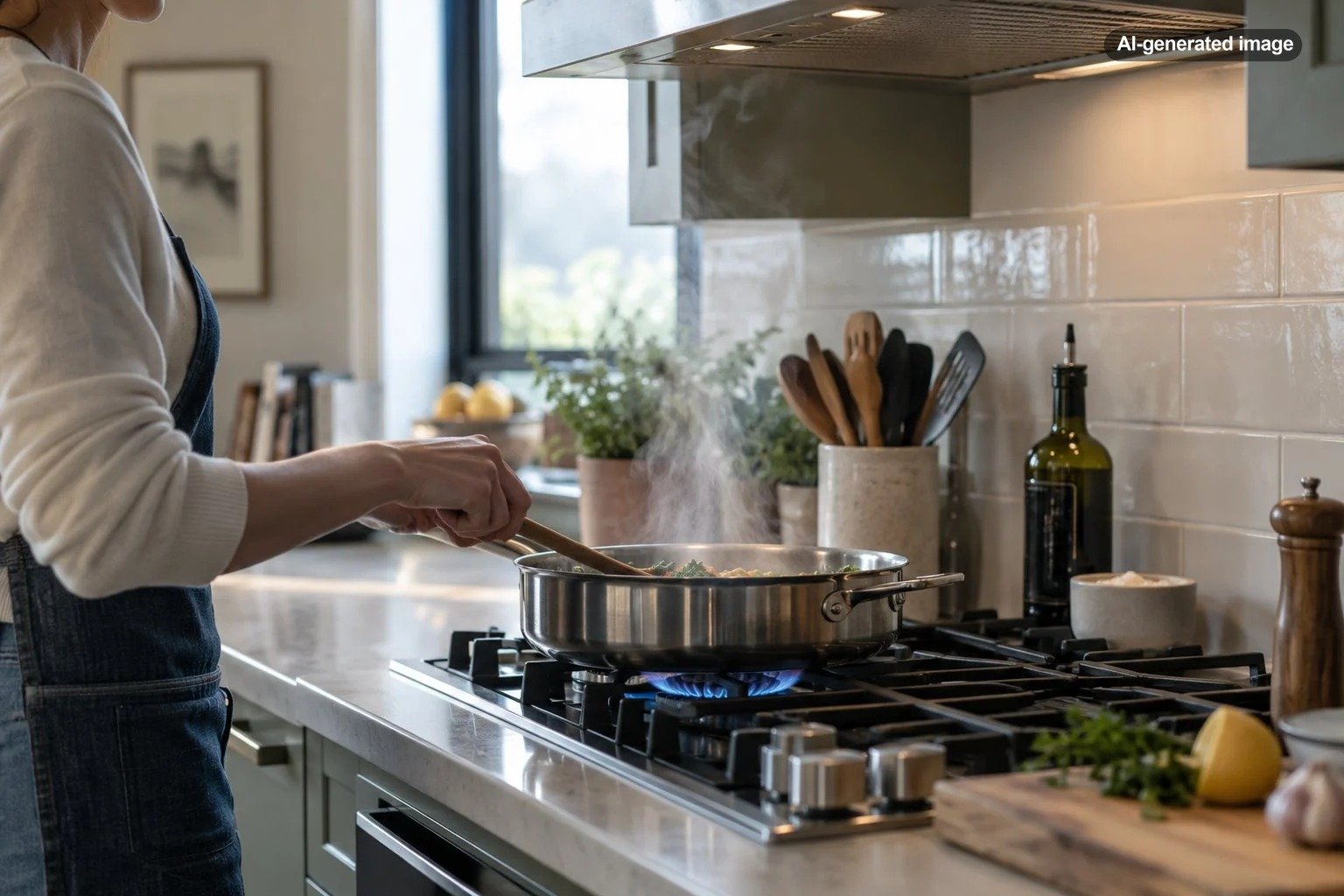
Yes. Gas stoves can affect indoor air quality because burning natural gas or propane produces combustion byproducts, and cooking itself can add particles and other pollutants to the air. The practical question is not whether a gas stove produces emissions, but how much of those emissions remain in the kitchen and adjoining rooms. Ventilation, burner condition, cooking habits, room size, and the design of the range hood all matter.
This does not mean every household with a gas range has an immediate air-quality emergency. It does mean that a gas stove should be treated as a fuel-burning appliance rather than simply another countertop convenience. Using effective ventilation and keeping the appliance in proper working order can reduce exposure to combustion pollutants.
What a Gas Stove Can Add to Indoor Air
A gas burner creates heat through combustion. That process can produce several pollutants, including carbon monoxide, nitrogen dioxide, and particles. The EPA identifies gas ranges and ovens among the combustion appliances that can contribute these pollutants indoors.
Nitrogen dioxide can irritate the eyes, nose, and throat and can affect respiratory function. Carbon monoxide is especially important from a safety perspective because it is colorless and odorless. At sufficiently high concentrations, carbon monoxide exposure can become dangerous.
Particles are another part of the picture. Combustion can produce particulate matter, but the flame is not the only source. Cooking activities themselves can generate airborne particles, particularly when foods are fried, seared, browned, or allowed to smoke. This is one reason ventilation is useful whether a cooktop is gas, electric, or induction.
Why Ventilation Makes Such a Difference
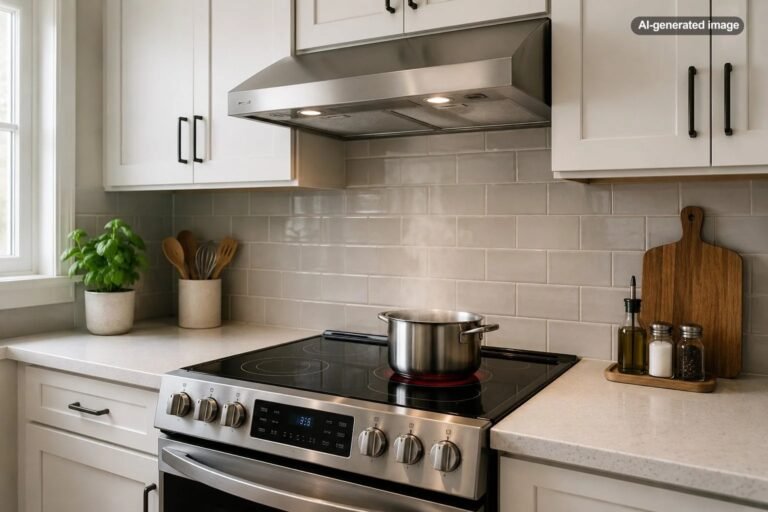
The most useful range hood is generally one that captures cooking emissions near their source and sends them outdoors. A recirculating hood may filter some grease and particles, depending on its design and filters, but it does not function the same way as a ducted hood that actually exhausts indoor air outside.
The EPA recommends installing and using exhaust fans vented outdoors when cooking. The Consumer Product Safety Commission likewise advises using an exhaust fan that vents outside over gas cooking appliances.
Using the hood consistently matters. Turning it on after the kitchen becomes smoky is less effective than starting ventilation before or as cooking begins and allowing it to run while emissions are being generated. When practical, opening a nearby window can add ventilation, although outdoor conditions such as wildfire smoke, heavy traffic pollution, heat, cold, or high humidity may make that less desirable.
Kitchen ventilation works best when it captures pollution where it is produced instead of trying to clean up the room afterward.
The Condition of the Stove Matters Too
Indoor emissions can increase when a fuel-burning appliance is not operating correctly. Both the EPA and CPSC note that improperly adjusted gas stoves can produce more carbon monoxide than properly adjusted appliances.
A burner that repeatedly behaves abnormally, produces persistent unusual flames, has trouble igniting, or appears damaged deserves attention rather than improvisation. Follow the manufacturer’s operating and maintenance instructions, and have suspected gas-appliance problems evaluated by an appropriately qualified professional.
Do not use a gas oven or cooktop to heat the home. Cooking appliances are intended for cooking, and the EPA specifically advises against using a stove for indoor heating.
Five Practical Ways to Reduce Cooking Pollution
What to do
- Use outdoor-venting kitchen exhaust when available. Run the hood or exhaust fan while cooking, especially during high-heat cooking, frying, searing, or extended oven use.
- Keep the stove properly maintained. Follow the appliance manufacturer’s cleaning, operating, and service instructions. Have abnormal burner performance or suspected combustion problems evaluated rather than attempting an unsafe repair.
- Use the burners only for cooking. Never use a gas range or oven as a substitute for space heating.
- Keep carbon monoxide alarms in the home. Follow current alarm-manufacturer instructions and applicable local requirements for placement, testing, replacement, and maintenance.
- Control cooking smoke at the source. Avoid overheating oils and foods to the point of heavy smoking when the recipe does not require it, and use ventilation before smoke visibly accumulates.
What If Your Range Hood Does Not Vent Outside?
Many apartments, condos, and older kitchens have recirculating hoods rather than exterior ducting. Others have no hood at all. In those homes, it is still reasonable to use whatever ventilation is available, but it is worth understanding its limitations.
A recirculating unit can capture some grease and airborne material when its filters are clean and appropriate for the appliance. It does not, however, remove indoor air from the home in the way an exterior-venting system does. Opening a window or using another exhaust path may improve air exchange when outdoor conditions allow.
Renters who cannot alter ventilation may want to focus on consistent hood use, filter maintenance, avoiding unnecessarily smoky cooking, and reporting malfunctioning gas appliances promptly to the property owner or manager. Major changes to gas lines, venting, electrical systems, cabinets, or exterior walls are not casual DIY projects.
Can a Powerful Range Hood Create Other Problems?
More airflow is not automatically better in every house. The EPA cautions that high-airflow exhaust equipment can contribute to backdrafting under some conditions by removing more air from the home than is being replaced. That can interfere with certain naturally vented combustion appliances and potentially draw combustion products into living areas.
This is particularly relevant when a home also contains natural-draft equipment such as some gas water heaters or furnaces. If a kitchen remodel involves a substantially more powerful hood, make-up air, or changes to other combustion appliances, professional evaluation may be appropriate. Requirements vary by house, equipment, and local code.
Should You Replace a Gas Stove Just for Indoor Air Quality?
That is a household decision rather than a universal requirement. Switching to an electric or induction cooktop removes combustion from the cooking surface, which can simplify one part of indoor-air management. But replacing an appliance may involve electrical capacity, cookware compatibility, remodeling, cost, and landlord or condominium restrictions.
If replacing the stove is not practical, improving ventilation and appliance maintenance can still address meaningful sources of exposure. If you are already remodeling a kitchen, however, the project is a sensible time to consider the cooking fuel, exterior ventilation, hood design, electrical service, and overall air-quality strategy together rather than treating them as unrelated choices.
Before you decide
- Does the existing hood actually vent outdoors?
- Do you routinely use the exhaust fan while cooking?
- Is the gas appliance operating normally and maintained according to its instructions?
- Are carbon monoxide alarms installed and maintained appropriately?
- Would a future remodel make exterior ventilation or an electric cooking option easier to add?
Frequently Asked Questions
Do gas stoves produce carbon monoxide?
They can. Carbon monoxide is one of the pollutants associated with combustion appliances, including gas ranges. Proper adjustment, maintenance, and ventilation are important, and homes with fuel-burning appliances should use appropriate carbon monoxide alarms.
Do gas stoves produce nitrogen dioxide?
Yes. Nitrogen dioxide is among the combustion pollutants identified by the EPA in connection with gas stoves and other fuel-burning appliances.
Is opening a window enough when cooking with gas?
Opening a window can increase ventilation when outdoor conditions permit, but an exterior-venting range hood is better positioned to capture contaminants near the cooking source. A window should not be treated as a remedy for a malfunctioning appliance or a carbon monoxide problem.
Does an air purifier replace a range hood?
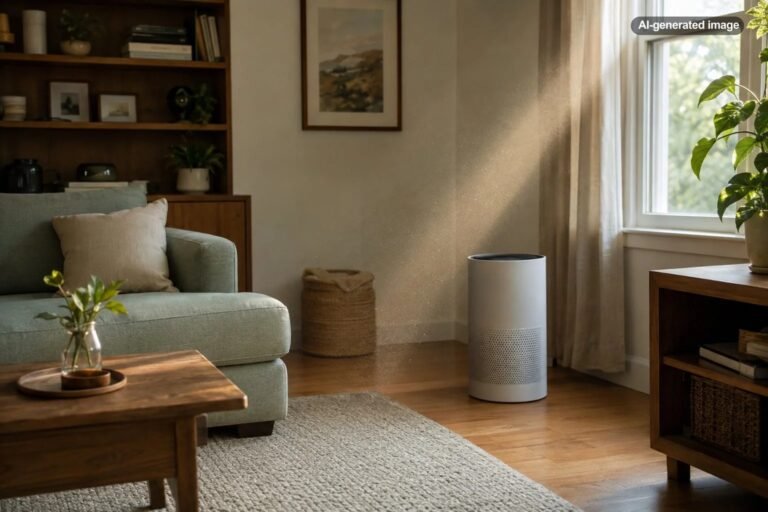
No. Some air cleaners can reduce certain airborne particles, depending on the device and filter, but they do not replace source capture or proper ventilation for combustion gases. Kitchen exhaust that vents outdoors addresses pollutants closer to where they are produced.
Is induction better for indoor air quality?
Induction cooking does not burn gas at the cooktop, so it eliminates combustion emissions from that particular appliance. Cooking food can still generate particles, grease aerosols, odors, and smoke, which means kitchen ventilation remains useful.
Sources & further reading
- U.S. Environmental Protection Agency: What are combustion products?
- U.S. Environmental Protection Agency: Sources of Combustion Products
- U.S. Environmental Protection Agency: Indoor Particulate Matter
- U.S. Environmental Protection Agency: Sources of Indoor Particulate Matter
- U.S. Consumer Product Safety Commission: The Inside Story – A Guide to Indoor Air Quality