
Do You Really Need a Range Hood Over an Electric Stove?
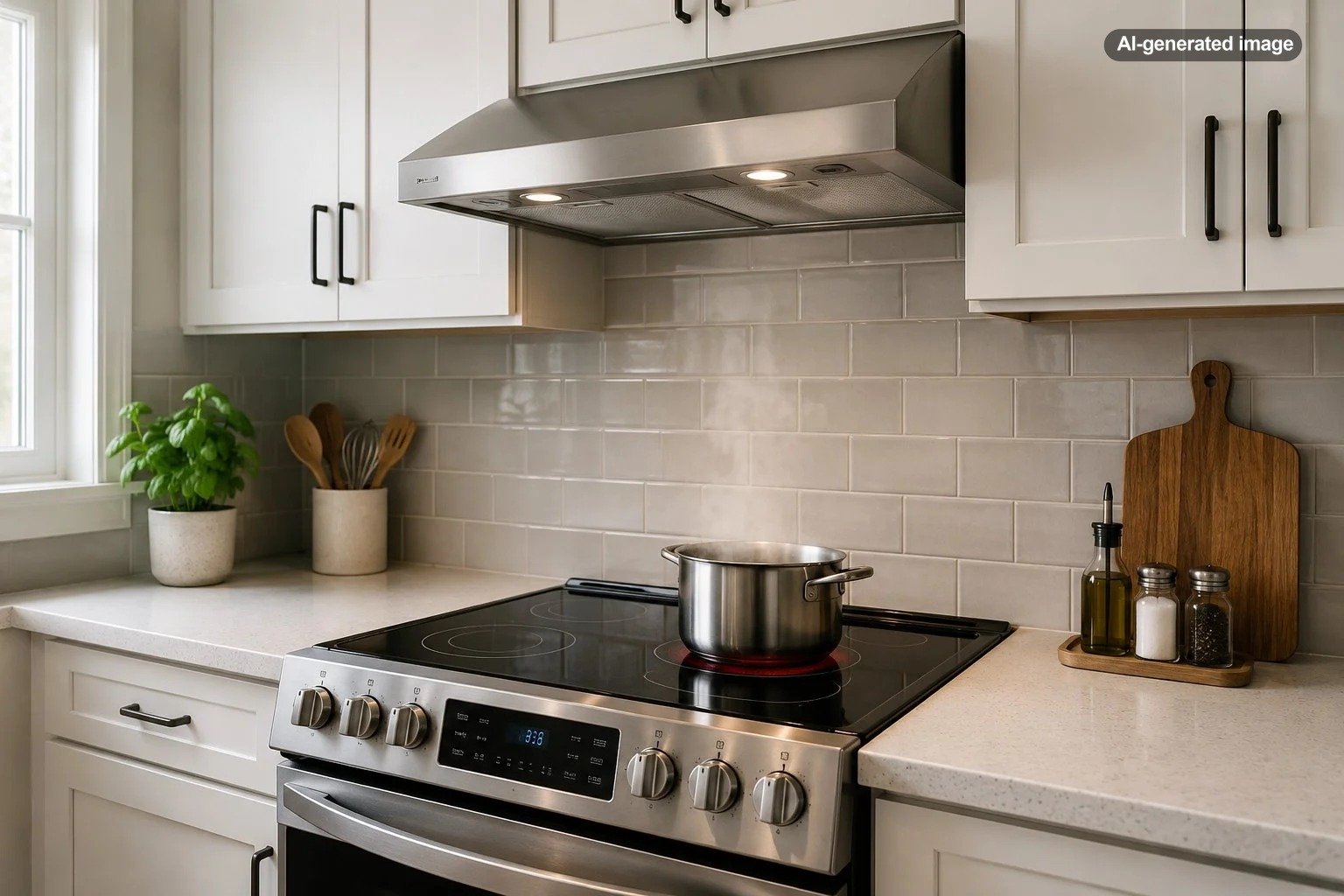
A range hood over an electric stove is not always a simple yes-or-no decision. Electric cooking does not create combustion gases the way some gas appliances can, but a well-designed ventilation system can still help manage cooking odors, smoke, grease particles, and excess moisture.
The right choice depends on how you cook, the layout of your kitchen, your home’s ventilation needs, and whether you prioritize convenience, appearance, or maximum air control.
Why an electric stove can still benefit from a range hood
Electric burners do not produce the same type of combustion byproducts associated with gas cooking, but cooking itself changes indoor air. Heat, steam, oil particles, and odors can spread throughout the home when they are not captured near the source.
A range hood helps collect some of these byproducts before they circulate. This can be especially useful in open-concept homes where kitchen smells can quickly move into living areas, dining rooms, and upholstered furniture.
Good kitchen ventilation is less about the type of stove and more about controlling what cooking releases into your home.
When a range hood is especially useful
Some kitchens have a much stronger case for dedicated ventilation than others. Consider adding or keeping a range hood if your household regularly:
- Uses high heat cooking methods that create smoke or airborne grease.
- Prepares foods with strong odors that linger.
- Cooks frequently for several people.
- Has a kitchen connected directly to main living spaces.
- Has limited natural ventilation through windows or other openings.
Do all electric stoves need the same ventilation?
No. The best ventilation approach depends on the appliance type, cooking style, and kitchen design.
| Kitchen situation | Ventilation considerations |
|---|---|
| Occasional light cooking | A simpler ventilation approach may be sufficient depending on the home. |
| Frequent frying or high-heat cooking | Capturing smoke and grease near the stove becomes more important. |
| Open-concept kitchen | Containing odors before they travel may be a higher priority. |
| Small kitchen with limited airflow | Ventilation can help the room feel more comfortable during cooking. |
Alternatives to a traditional range hood
A wall-mounted hood or under-cabinet hood is not the only possible approach. Some kitchens use other ventilation designs depending on the layout and renovation goals.
Options may include downdraft systems, microwave ventilation combinations, or other built-in solutions. Each approach has tradeoffs involving appearance, effectiveness, space, and installation requirements.
Advantages of a dedicated range hood
- Designed specifically for the cooking area.
- Can become a strong design feature in the kitchen.
- Places ventilation close to the source of cooking byproducts.
Tradeoffs to consider
- Requires planning for placement and installation.
- Can affect cabinet design and visual balance.
- May not be necessary for every cooking style.
Common mistakes homeowners make
One common mistake is choosing a ventilation solution based only on appearance. A sleek kitchen can still become uncomfortable if cooking odors, moisture, or airborne particles are not managed well.
Another mistake is assuming that a small amount of cooking means ventilation never matters. Even occasional cooking can create noticeable odors in tightly sealed homes or open layouts.
Questions to ask before deciding
Before you decide
- How often do you cook and what methods do you use?
- Is your kitchen open to other living spaces?
- Do you already have another effective ventilation method?
- Are you planning a renovation where ventilation can be addressed more easily?
FAQ
Is a range hood required over every electric stove?
Requirements can vary by location, home design, and applicable regulations. Homeowners should check local requirements during construction or renovation projects.
Does an electric stove create kitchen odors?
Yes. Odors come from cooking ingredients, oils, and food reactions rather than only from the type of energy used by the appliance.
Can a range hood improve an open-concept kitchen?
It can help reduce the spread of cooking byproducts into nearby areas, especially when the household cooks frequently.
Is the most expensive ventilation option always the best?
No. The best choice is the one that matches the home’s layout, cooking habits, and practical needs.