Why Does Mold Keep Returning on Bathroom Caulk?
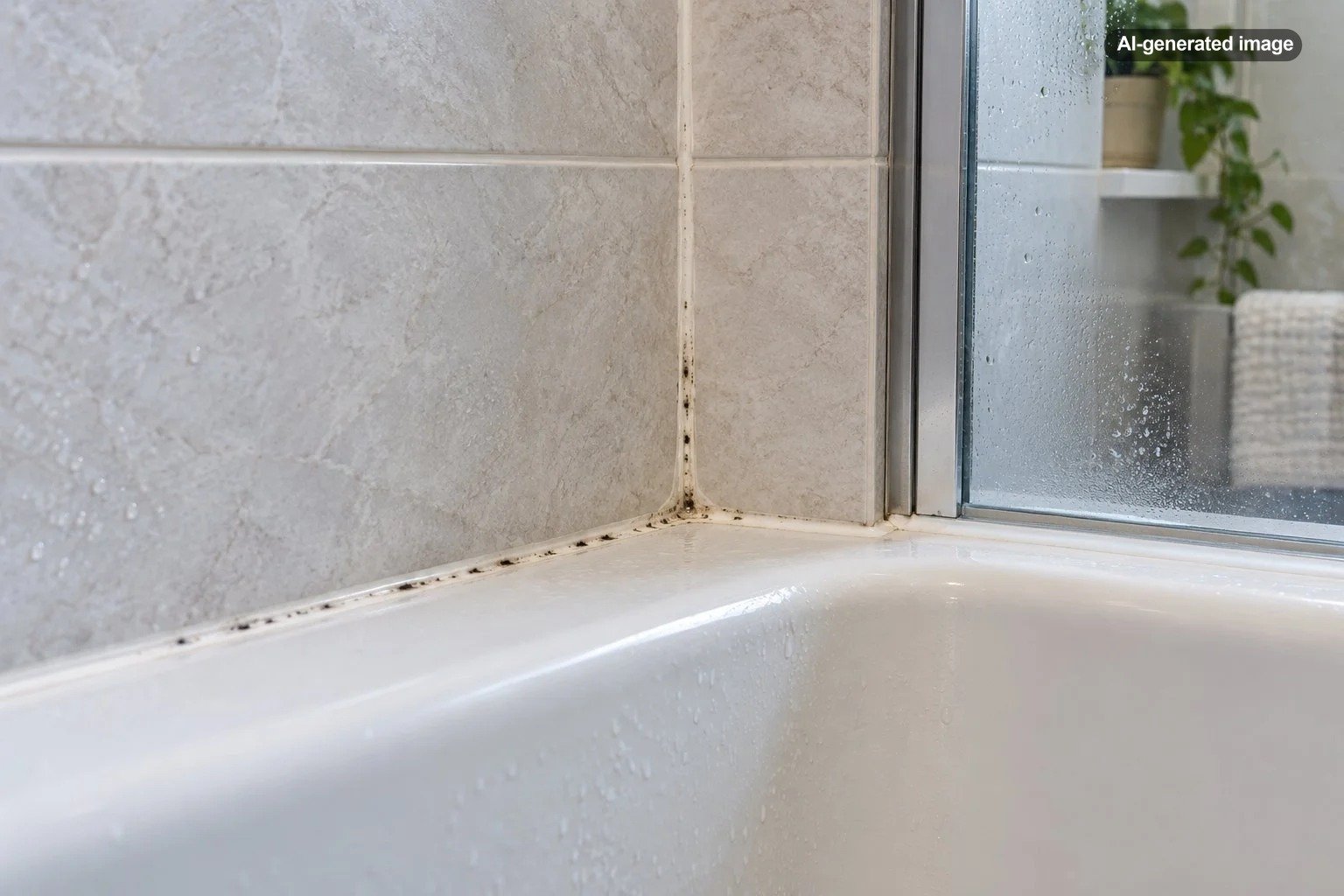
If mold keeps returning on bathroom caulk, the problem is usually not that the last cleaning failed. It is that the caulk keeps getting the moisture, residue, or underlying dampness mold needs to grow again. Bathrooms are particularly vulnerable because showers and baths repeatedly wet surfaces while adding water vapor to the room.
The lasting fix is therefore less about finding a harsher cleaner and more about breaking that moisture cycle. Sometimes that means better ventilation and more complete drying. Other times, old caulk has deteriorated enough that replacing it is more sensible than repeatedly scrubbing the surface.
Why bathroom caulk can become a repeat mold problem
Mold spores are routinely present in indoor and outdoor air. According to the U.S. Environmental Protection Agency, controlling indoor mold is fundamentally a matter of controlling moisture. A caulk joint around a bathtub, shower pan, sink, or backsplash creates an especially convenient trouble spot because it may stay damp after the surrounding tile appears dry.
Several conditions can make the same narrow seam darken again and again. Water may collect along a horizontal bead. A bathroom may remain humid long after a shower. Shampoo, soap, skin oils, and cleaning-product residue can accumulate on the surface. Older caulk can also become rough, cracked, loose, or partially separated from the wall or fixture, creating crevices that hold moisture and are difficult to clean completely.
This is why simply bleaching a discolored line does not necessarily solve the underlying problem. Even when the visible staining improves, the conditions that allowed the growth can remain unchanged.
Start by figuring out where the moisture is coming from
Before reaching for another cleaning product, look at the bathroom immediately after normal use. Does water sit along the caulk bead? Does the mirror remain fogged for a long time? Are walls or ceilings damp? Is the exhaust fan actually moving moist air out of the room? Does the caulk stay wet even when nobody has recently showered?
The EPA recommends keeping indoor relative humidity below 60 percent when possible, ideally between 30 and 50 percent. A bathroom can temporarily rise above that range during a shower, but persistent high humidity gives wet surfaces less opportunity to dry.
Affiliate disclosure: CraneManor.com may earn a commission when you purchase through links on this page. This does not affect the price you pay. Learn more.
If humidity seems to be part of the problem, a digital hygrometer can help show whether the room is remaining unusually humid after bathing. It will not detect mold or diagnose the cause of a moisture problem, but it can make humidity patterns easier to see.
Know when cleaning is enough and when the caulk should come out
Surface growth on caulk that is otherwise smooth, firmly adhered, and intact may respond to cleaning followed by thorough drying. Follow the cleaning product’s label directions, provide ventilation, wear appropriate protection, and never mix bleach with ammonia or other cleaners. The Centers for Disease Control and Prevention specifically warns against mixing bleach with ammonia or other cleansers.
Replacement becomes the more practical option when the caulk is cracked, peeling, shrinking away from the surface, soft, badly pitted, or persistently discolored despite cleaning. A compromised seal is not merely unattractive; it can also allow water to enter the joint it was meant to protect.
Do not apply fresh caulk directly over visible mold or over wet, failing caulk. The EPA advises against caulking moldy surfaces. The existing problem should be cleaned up, the old failed material removed when necessary, and the surfaces allowed to dry before new sealant is applied.
What to do
- Inspect the caulk for cracks, gaps, lifting, softness, and persistent staining.
- Check nearby grout, corners, walls, flooring, and plumbing connections for signs of excess moisture or leakage.
- Clean small areas of visible surface growth using an appropriate method and follow product safety instructions.
- Dry the joint completely and improve ventilation so it does not remain damp after normal bathroom use.
- If the caulk is deteriorated or cannot be cleaned effectively, remove and replace it rather than covering the old bead.
- Afterward, watch the area for renewed moisture or discoloration that might point to a deeper water problem.
Ventilation matters more than many cleaning routines
A bathroom exhaust fan is most useful when it removes humid air from the room and vents it outdoors. The CDC recommends using bathroom exhaust fans that vent outside. Running the fan during bathing and allowing it to continue clearing humid air afterward can help wet surfaces dry faster.
Opening a bathroom door after bathing can also improve air movement when appropriate for the home. If there is an operable window and outdoor conditions are suitable, additional ventilation may help. The exact approach matters less than the result: moisture should not remain trapped on the caulk, walls, ceiling, and other surfaces for extended periods.
Do not overlook the fan itself. A fan covered with dust or connected to a restricted duct may move less air than expected. If a bathroom remains persistently steamy despite normal fan use, the ventilation system may deserve closer inspection.
If the caulk keeps becoming moldy, treat the moisture as the problem and the discoloration as the clue.
Daily habits can make the caulk less hospitable to mold
A full bathroom deep-clean every few days should not be necessary just to keep a caulk line presentable. Smaller habits are usually more sustainable. Remove standing water from shower edges, let shower doors or curtains dry, avoid leaving saturated bath items against the wall, and clean residue before it builds into a stubborn film.
Pay particular attention to corners and the joint where a tub or shower base meets the wall. These places often dry more slowly than broad tile surfaces. Even a quick pass with a squeegee or towel can remove much of the water that would otherwise linger there.
The EPA specifically notes that bathrooms that are frequently damp can be difficult to keep completely free of mold and that increased ventilation and more frequent cleaning can help prevent recurrence or keep it to a minimum.
When recurring mold may point to something beyond the caulk
Repeated mold limited to a shower seam is often a moisture-management and maintenance issue. The situation deserves more attention when discoloration spreads beyond the caulk, drywall feels soft, paint repeatedly bubbles, flooring swells, a persistent musty odor remains after cleaning, or the area stays wet without an obvious reason.
Those signs may indicate water entering from plumbing, failed waterproofing, a building-envelope problem, or another concealed moisture source. Cleaning the visible surface will not correct a hidden leak. If the moisture source cannot be identified, or if substantial material appears affected, consider having the area evaluated by an appropriate qualified professional.
People with asthma, chronic lung conditions, allergies, or immune suppression may face greater risks from mold exposure. CDC guidance advises some higher-risk individuals not to participate in mold cleanup. Anyone with health concerns about mold exposure should discuss those concerns with an appropriate health professional rather than relying on a household-cleaning article for medical guidance.
How to keep new caulk looking better for longer
Once the old problem has been corrected and any necessary recaulk is complete, prevention is pleasantly unglamorous: keep the seam reasonably clean, keep water from sitting on it, and help the bathroom dry after use. Periodically inspect the bead for gaps or separation instead of waiting until a large section fails.
If mold returns quickly despite good drying and intact caulk, reconsider the moisture source rather than simply escalating the cleaner. A constantly damp seam is giving useful information about the room.
Frequently asked questions
Can I just put new caulk over moldy caulk?
No. The EPA advises against caulking moldy surfaces. Clean up the growth and address the moisture problem first. If the existing caulk is failing, remove it as appropriate and allow the joint to dry before applying replacement material.
Does recurring black discoloration always mean a major hidden mold problem?
No. Recurring discoloration confined to a frequently wet caulk joint can result from ordinary bathroom moisture and slow drying. However, unexplained dampness, spreading damage, persistent odors, or deterioration in adjacent materials warrants further investigation.
Should a bathroom stay completely dry during normal use?
No. Showers and baths inevitably introduce moisture. The goal is to keep that moisture from lingering. Effective ventilation, air movement, and removing standing water help surfaces return to dry conditions more quickly.
Can controlling humidity really make a difference?
Yes. Moisture control is central to mold prevention. EPA guidance recommends keeping indoor relative humidity below 60 percent when possible and ideally between 30 and 50 percent.