Can Aluminum Patio Furniture Stay Outside Year-Round?
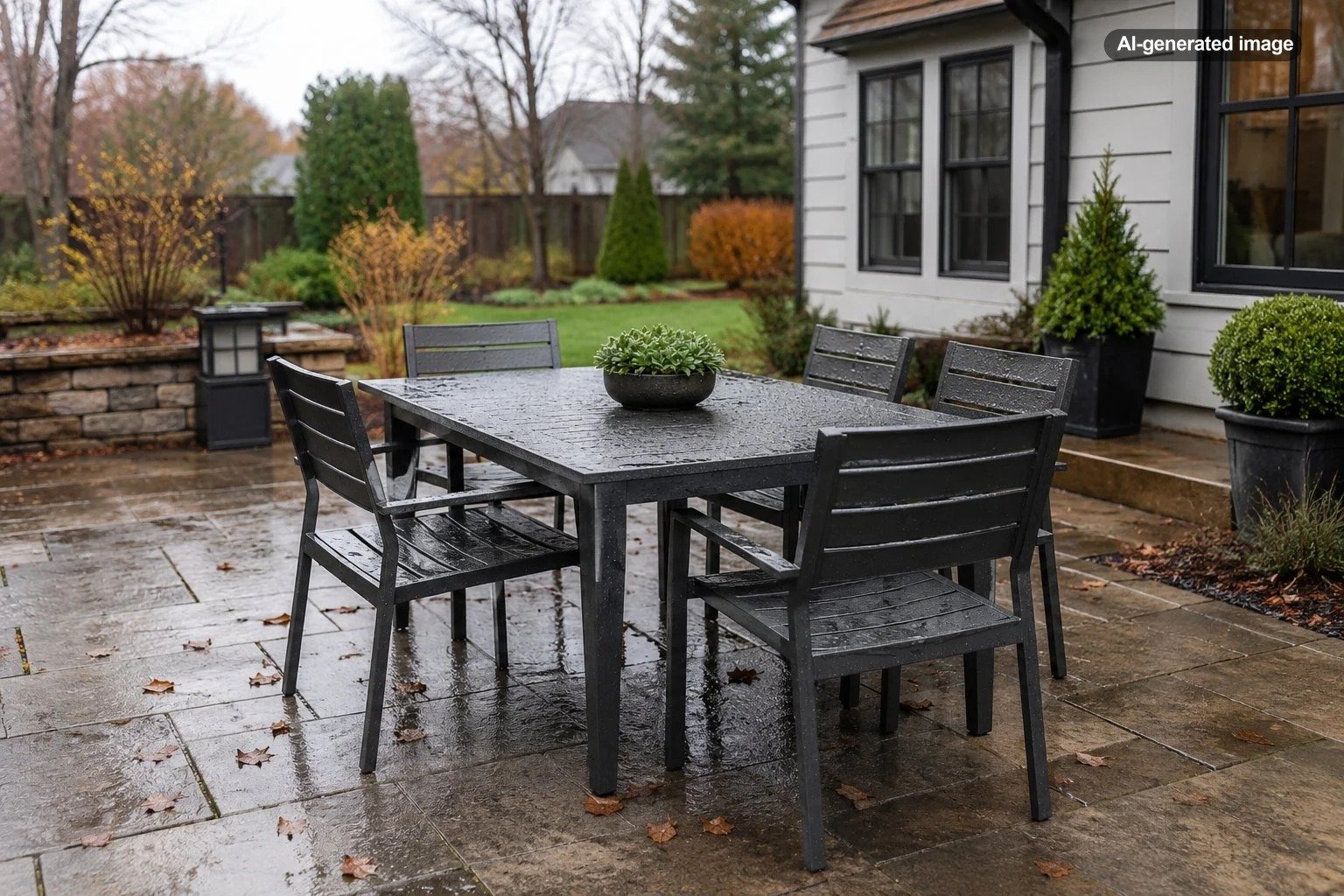
Yes, aluminum patio furniture can often stay outside year-round, especially when it is made for outdoor use and protected by a durable powder-coated finish. Aluminum does not rust in the same way iron or ordinary steel does, which is one reason it has become such a practical material for patios, decks, balconies, and pool areas.
That does not mean every aluminum chair, table, or sectional should simply be abandoned to the weather. Finish damage, trapped water, salt exposure, wind, snow loads, freezing conditions, cushions, and mixed-material components can all affect how gracefully a piece survives four seasons outdoors.
Why aluminum handles outdoor weather so well
Aluminum has a major advantage outdoors: it is naturally resistant to the reddish-brown rust associated with ferrous metals. It can still oxidize, and its finish can deteriorate, but a properly manufactured outdoor frame is generally less vulnerable to ordinary moisture than untreated steel furniture.
Many better-quality aluminum patio pieces are also powder coated. This finish creates a protective outer layer that helps shield the metal from moisture, sunlight, abrasion, and everyday outdoor exposure. Manufacturers of premium outdoor furniture commonly describe powder-coated aluminum as corrosion resistant and suitable for prolonged outdoor use.
The practical result is that a well-finished aluminum frame may spend all four seasons on a patio without becoming a maintenance project every time the forecast changes.
Year-round outdoor furniture is less about finding a material that needs no care and more about choosing one that tolerates weather without demanding constant rescue.
Winter is usually about water management, not just cold
Cold temperatures alone are not necessarily the biggest concern. Water that collects inside hollow frame sections, joints, decorative cavities, or poorly draining components can become troublesome when it freezes and expands.
This is why drainage matters. Before winter, make sure furniture is positioned as the manufacturer intends and that obvious drain openings are not clogged with leaves, dirt, or debris. Avoid turning hollow-frame furniture upside down unless its instructions specifically allow it. On some designs, an inverted position can encourage water to collect where it normally would have drained away.
If your manufacturer recommends indoor winter storage, follow that guidance even if the frame itself is aluminum. Furniture construction varies considerably, and a frame may include fasteners, tabletops, woven material, glides, upholstery, or internal components that have different weather tolerances.
Powder coating makes a meaningful difference
If you are deciding whether to leave aluminum furniture outdoors all year, inspect the finish before worrying about the calendar. An intact powder coat provides an important barrier between the environment and the underlying metal.
Look closely at corners, welds, feet, armrests, and places where chairs rub against tables or stack together. These areas tend to experience the most abrasion. Small chips and scratches are worth addressing according to the manufacturer’s instructions before a long wet or snowy season gives exposed areas months of continuous weather exposure.
Routine cleaning also helps. Dirt, pollen, airborne pollution, sunscreen residue, bird droppings, and salt can sit on a finish for surprisingly long periods. Mild soap, water, and a soft cloth or brush are commonly recommended for powder-coated outdoor frames, although the specific care instructions supplied with your furniture should take priority.
Coastal patios need more attention
Aluminum is an appealing choice for coastal homes, but salt air changes the maintenance equation. Salt deposits can accumulate on frames and finishes, particularly on furniture located close to the ocean or exposed to windborne spray.
More frequent rinsing can help prevent those deposits from lingering. Some outdoor furniture manufacturers specifically recommend additional cleaning or protective maintenance in coastal and humid environments.
Pay particular attention to hardware and connection points. The aluminum frame may be highly corrosion resistant while screws, bolts, swivels, glides, or other components have different material properties. Mixed materials are often where weather-related wear becomes visible first.
What about snow and ice?
A durable aluminum frame can tolerate cold climates, but leaving an entire furniture arrangement uncovered beneath repeated snowfalls is not always the gentlest option. Heavy accumulation can put unnecessary load on tabletops, woven panels, slings, and upholstered components even when the metal frame itself remains sound.
Brush accumulated snow away when practical rather than allowing repeated freeze-thaw cycles to build a dense layer. Avoid striking frozen furniture or aggressively chipping ice from a painted finish, since the cure can become harder on the coating than the weather itself.
For homeowners with a garage, shed, basement, or covered porch, seasonal storage remains the lowest-exposure option. The fact that aluminum can stay outside does not mean indoor storage has no benefit. Storing clean, dry furniture away from winter weather may reduce fading, surface wear, grime, and maintenance over the long term.
Advantages of leaving it outside
- No seasonal moving or storage space required.
- Aluminum frames are generally lightweight and corrosion resistant.
- Outdoor-rated powder-coated finishes are designed for weather exposure.
- The patio remains furnished for mild winter days.
Tradeoffs
- Finish wear continues year-round.
- Salt, dirt, snow, and debris require periodic cleaning.
- Water must be able to drain correctly.
- Cushions and mixed-material components may still need storage.
Should you cover aluminum patio furniture?
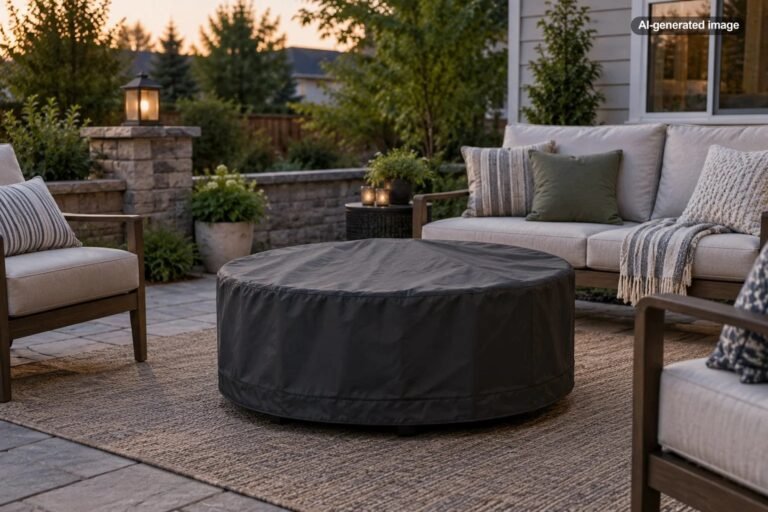
A cover can be useful, particularly when furniture sits beneath trees, remains unused for long periods, or is exposed to strong sun, coastal residue, snow, and dirty rain. The important detail is ventilation.
A cover should fit securely enough that wind does not repeatedly whip it against the finish, but it should not create a permanently damp pocket around the furniture. Trapped moisture and condensation can leave surfaces dirty and may encourage problems in fabrics or other nonmetal components.
Whenever possible, cover furniture only when it is clean and dry. Secure the cover according to its design, and periodically check beneath it during long storage periods.
Do not treat cushions like the aluminum frame
This is one of the easiest distinctions to miss. A sofa may have a weather-resistant aluminum structure and still benefit substantially from having its cushions stored when they will not be used for weeks or months.
Outdoor fabrics and quick-drying cushion constructions vary. Repeated exposure to moisture, pollen, fallen leaves, animals, freezing weather, and grime can still make cushions harder to keep attractive. If you have dry indoor or covered storage, removable cushions are usually the first part of the set worth bringing in.
A simple year-round care routine
What to do
- Check the manufacturer’s care and winter-storage instructions for your specific collection.
- Wash frames periodically with mild soap and water using a nonabrasive cloth or soft brush.
- Inspect the powder coat for scratches, chips, bubbling, or unusual discoloration.
- Keep drain openings and hollow frame areas free of debris.
- Rinse more frequently where salt air or poolside residue is common.
- Store removable cushions and accessories when long periods of bad weather are expected.
- If using covers, put them over clean, dry furniture and make sure moisture can escape.
When bringing the furniture inside makes more sense
Indoor or sheltered storage is worth considering if the furniture is lightweight enough to become a wind hazard, the manufacturer’s instructions call for winter storage, the finish is already damaged, or the set contains substantial amounts of wood, rope, fabric, wicker, stone, or other materials you want to protect.
Storage also makes sense when preserving appearance matters more than convenience. Sunlight and weather slowly age almost every outdoor finish. A set that spends several months each year in a garage or covered space generally receives less environmental exposure than one that remains outdoors continuously.
For small balconies and urban patios, however, storage space may be nonexistent. In that situation, good aluminum furniture is one of the more practical choices precisely because the frame can tolerate outdoor life with comparatively manageable upkeep.
FAQ
Does aluminum patio furniture rust?
Aluminum does not develop the same iron-oxide rust associated with steel and iron. It can oxidize, and damaged finishes or nonaluminum hardware can still show weather-related deterioration, so periodic inspection remains useful.
Can powder-coated aluminum stay outside in the rain?
Outdoor-rated powder-coated aluminum is commonly designed to withstand rain and ordinary weather exposure. Keep drainage paths clear, clean the finish periodically, and follow the care instructions for your particular furniture.
Should aluminum furniture be covered every night?
Usually not. Nightly covering is unnecessary for many outdoor-rated aluminum sets. Covers are more useful during extended periods of nonuse, heavy debris, severe weather, or seasonal storage, provided they do not trap moisture.
Can aluminum patio furniture stay outside near the ocean?
It often can, but coastal furniture deserves more frequent rinsing and inspection because salt deposits can accumulate on finishes and hardware. Manufacturer guidance for coastal environments should take priority.
Is storing aluminum furniture indoors still better?
From a preservation standpoint, sheltered storage reduces overall exposure to weather, dirt, sun, ice, and debris. It is beneficial when practical, but quality outdoor aluminum furniture does not necessarily require indoor storage simply because the season changes.
The bottom line: aluminum patio furniture is one of the easier outdoor materials to leave in place throughout the year, especially when the frame has a sound powder-coated finish. Protect the finish, manage water and drainage, pay extra attention in coastal or freezing climates, and treat cushions and mixed materials according to their own needs. With that distinction in mind, year-round patio furniture can be genuinely practical rather than an annual moving ritual.