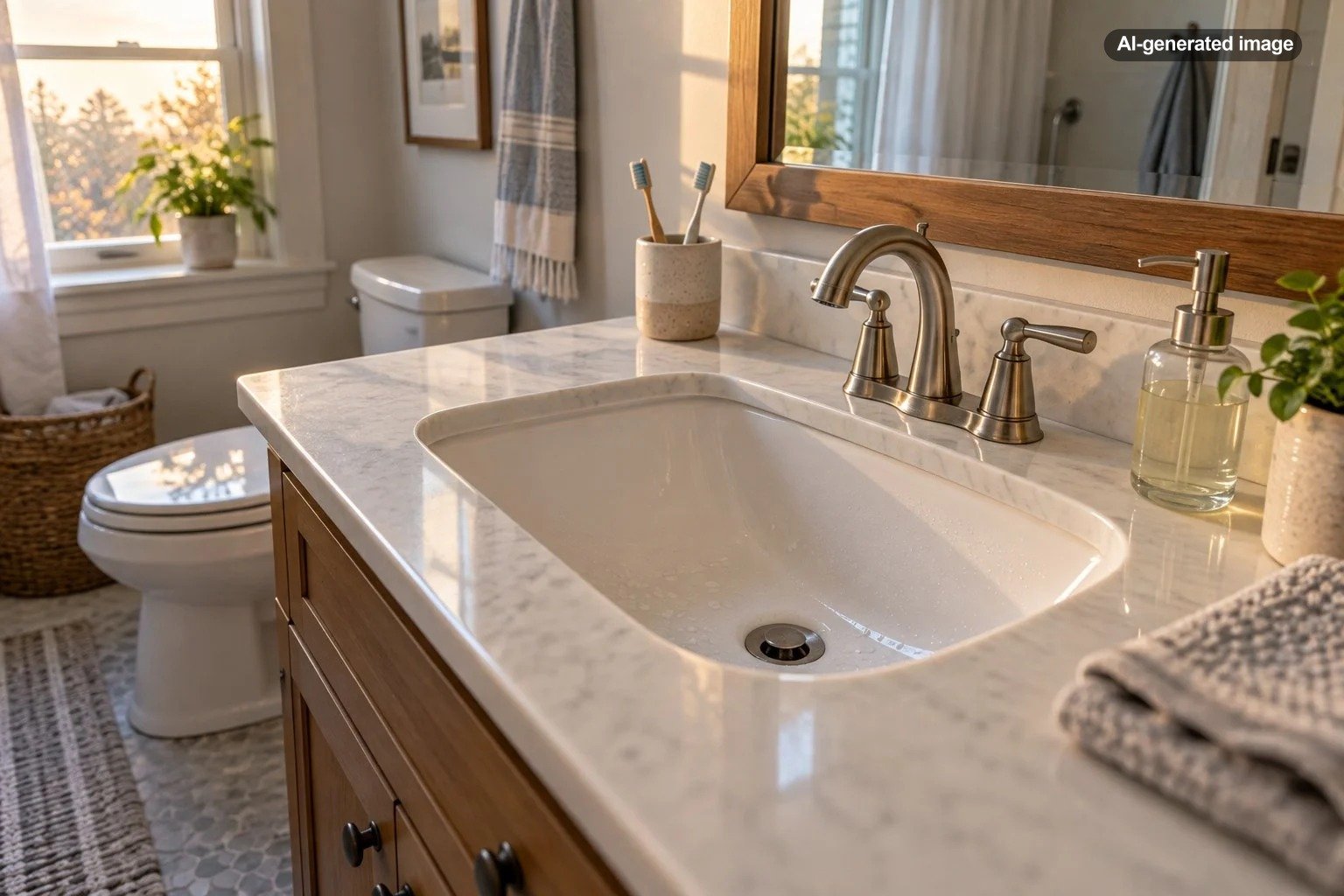
Why Does My Bathroom Sink Smell Like Sewage in the Morning?
If your bathroom sink smells like sewage mainly in the morning, the odor may be coming from organic buildup inside the drain, a plumbing trap that is not maintaining its water seal, or a problem with the drain-waste-vent system. The timing can make the problem seem mysterious, but overnight inactivity often makes an existing odor easier to notice. A sink that smells fresh after you run water but unpleasant again the next morning offers useful clues about where to look.
Why the smell can seem worse first thing in the morning
A bathroom usually sits relatively undisturbed for several hours overnight. No faucet water is flushing the drain, doors may be closed, and air movement can be lower than it is during the day. Odors that are subtle while the room is being used can therefore become much more noticeable by morning.
That does not necessarily mean the plumbing develops a new problem every night. More often, the morning pattern exposes a condition that already exists, such as residue in the drain or an imperfect barrier between the room and the drainage system.
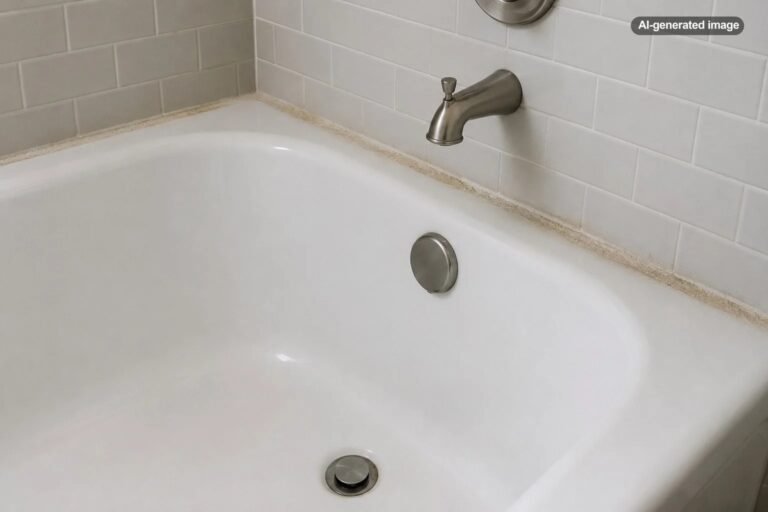
Before assuming that actual sewer gas is entering the room, smell carefully around the sink. An unpleasant drain odor can come from material accumulating in the stopper assembly, drain opening, or overflow passage. Those areas stay damp and can collect soap residue, toothpaste, skin oils, hair, and other debris.
First possibility: buildup inside the sink drain
The simplest explanation is often the drain itself. Bathroom sinks handle a surprisingly varied mixture of soap, grooming products, toothpaste, hair, and ordinary organic material. Residue can collect on surfaces that a quick stream of water does not thoroughly rinse.
The pop-up stopper deserves particular attention. Hair and residue can gather around the stopper and the mechanism beneath it, producing an odor that seems as though it is rising from farther down the plumbing.
The overflow opening can also be overlooked. On sinks equipped with an overflow, an internal passage connects the overflow opening to the drain. Because this area is difficult to see and may remain damp, it can sometimes contribute to persistent odors.
What to check first
- Remove any visible hair or debris around the drain and stopper.
- If your stopper is designed for easy removal, clean the accessible surfaces according to the fixture’s design.
- Clean the sink basin and the accessible portion of the drain rather than simply masking the odor with fragrance.
- Run water and observe whether the sink drains freely or slowly.
- Check again the following morning to see whether the odor has changed.
Avoid randomly combining drain chemicals or household cleaners. Different products can react dangerously when mixed, and aggressive chemicals are not the right solution for every plumbing system or fixture material.
Second possibility: the trap is not blocking sewer gases effectively
Beneath a typical bathroom sink is a curved section of drainpipe commonly called a P-trap. Its job is simple but important: a small amount of water remains in the bend and creates a barrier between the room and gases in the drainage system. EPA guidance notes that properly maintained drain traps help prevent sewer gases from entering buildings.
A frequently used bathroom sink normally receives enough water that its trap should not simply dry out overnight. If running the faucet briefly seems to eliminate a recurring sewer odor, however, the trap area and associated plumbing deserve closer attention. Possible explanations can include unusual evaporation after prolonged disuse, leakage at the trap, siphoning caused by a venting problem, or another plumbing defect that prevents the expected water seal from remaining intact.
The plumbing vent can be part of the problem
Household drain systems do more than carry wastewater away. They also need ventilation so pressure can equalize as water moves through the piping. Problems involving the vent system can sometimes contribute to odors, gurgling, or disruption of the water seal in a fixture trap.
EPA information on sewer and septic odors notes that vent pipes can become obstructed and that airflow or location-specific conditions can influence where odors are noticed. The exact cause cannot reliably be diagnosed from smell alone.
Pay attention to patterns. Does the sink gurgle when a nearby toilet flushes? Does the odor become noticeable after another fixture drains? Do several drains in the house smell at the same time? Those observations can be much more useful to a plumber than simply reporting that the bathroom smells bad.
Make sure the odor is actually coming from the sink
Bathrooms contain several possible odor sources within a small area. Before taking apart sink plumbing, determine whether the drain is truly the strongest point.
- Sink drain: Smell near the drain opening and overflow without placing your face directly against either opening.
- Cabinet below the sink: Look for moisture, staining, loose fittings, or evidence of a slow leak.
- Shower or tub: A less frequently used fixture can have its own drain odor.
- Floor drain: Some bathrooms or nearby utility spaces contain a drain that receives little water and can lose its trap seal.
- Toilet area: An odor centered around the toilet rather than the sink may indicate an entirely different plumbing issue.
Identifying the location matters because deodorizing the sink will not solve a problem originating elsewhere in the room.
What the odor pattern can tell you
| What you notice | What it may suggest | Sensible next step |
|---|---|---|
| Odor is strongest at the stopper or drain opening | Accessible drain residue may be contributing | Clean the stopper and accessible drain surfaces |
| Odor disappears after running water but repeatedly returns | The trap seal or related plumbing may need investigation | Monitor the pattern and consider a plumber if it continues |
| Sink is slow and also smells unpleasant | Buildup or a drainage restriction may be involved | Address the drainage problem rather than masking the odor |
| Sink gurgles when other fixtures operate | Drainage or venting conditions may be affecting the fixture | Have the plumbing system evaluated if the pattern persists |
| Several fixtures smell or drain poorly | The issue may extend beyond one bathroom sink | Arrange professional plumbing evaluation |
When a plumber should take over
A little residue around a stopper is ordinary housekeeping. A persistent sewage odor accompanied by plumbing symptoms is different. EPA guidance recommends evaluation of drain traps, drain lines, and sewer vent components when sewer-gas odors are present in a building.
A plumber can inspect conditions that are difficult to evaluate from above the sink, including the trap assembly, drainage connections, venting, and other components of the drain-waste-vent system. That is more useful than repeatedly pouring products down the drain when the cause has not been established.
How to reduce the chance of the smell returning
Once the cause is addressed, ordinary maintenance can keep a bathroom sink fresher. Remove hair and residue before they build into a larger mass, clean the stopper periodically if its design allows it, and pay attention when a normally quick-draining sink begins to slow down.
For bathrooms or other fixtures that go unused for long periods, remember that plumbing traps rely on water. EPA guidance specifically recognizes dry traps as a pathway for sewer gases and recommends maintaining water in traps that are prone to drying.
Most importantly, treat a recurring sewage smell as information rather than something to cover with fragrance. If cleaning eliminates it, you have probably solved a localized housekeeping issue. If the odor keeps returning along with drainage or venting symptoms, the plumbing is telling you that a closer inspection is worthwhile.
Frequently asked questions
Can a sink smell like sewage even if the P-trap has water?
Yes. Odor can originate from residue closer to the drain opening, the stopper assembly, an overflow passage, another fixture, or a problem elsewhere in the drainage or vent system. The presence of water in the trap is useful information, but it does not identify every possible odor source.
Why does running water make the smell go away?
Fresh water may rinse odor-producing residue temporarily or restore water to a trap that is not maintaining its expected seal. If the improvement lasts only a few hours and the problem repeatedly returns, investigate the underlying cause rather than relying on the faucet as a daily fix.
Does a sewer smell automatically mean my septic system is failing?
No. EPA guidance says sewage odors can have several causes and cannot be diagnosed remotely. In a septic home, odors combined with backups, very slow drains, gurgling, or abnormal wet conditions around the drainfield deserve professional attention.
Should I pour chemical drain cleaner into a smelly sink?
Not automatically. Odor does not prove that a clog is present, and chemicals do not correct problems such as a leaking trap or faulty venting. Never mix drain products or cleaners. Identify the likely source first and use a method appropriate for the actual problem.