How Do You Improve Air Quality in a Home With Pets?
Improving air quality in a home with pets requires more than disguising odors or vacuuming visible fur. The most effective approach combines source control, regular cleaning, suitable filtration, sensible ventilation, and moisture management. Each measure handles a different part of the problem, from hair and tracked-in dirt to microscopic dander and lingering smells.
You do not need to make your home feel sterile or banish a beloved animal from every upholstered surface. A few consistent routines, especially in bedrooms and other high-use spaces, can make the air feel fresher while reducing the amount of pet-related material that circulates through the house.
Understand What Is Affecting the Air
Pet hair is the most visible issue, but it is not necessarily the most important one. Dander consists of tiny flakes of skin that can settle into rugs, bedding, furniture, curtains, and dust. Saliva and urine proteins may also remain on surfaces or become attached to airborne particles. Pets can additionally carry pollen, soil, and outdoor debris inside on their coats and paws.
Odor is a separate concern. A room may smell like a pet because of bedding, litter, damp fur, an overlooked accident, dirty filters, or insufficient ventilation. Fragrance sprays may cover the smell briefly, but they do not remove its source and may add more airborne chemicals to the room.
Before buying equipment, identify where the problem is strongest. A litter area may require better source cleaning and ventilation. A bedroom with allergy concerns may benefit more from strict pet boundaries, frequent textile washing, and room-specific filtration. A whole-house dusty feeling may point toward cleaning practices, HVAC maintenance, air leakage, or several factors working together.
Control Pet-Related Material at the Source
Source control is usually the most effective starting point for indoor air problems. In a pet-friendly home, that means reducing how much fur, dander, moisture, and odor reaches the surrounding rooms.
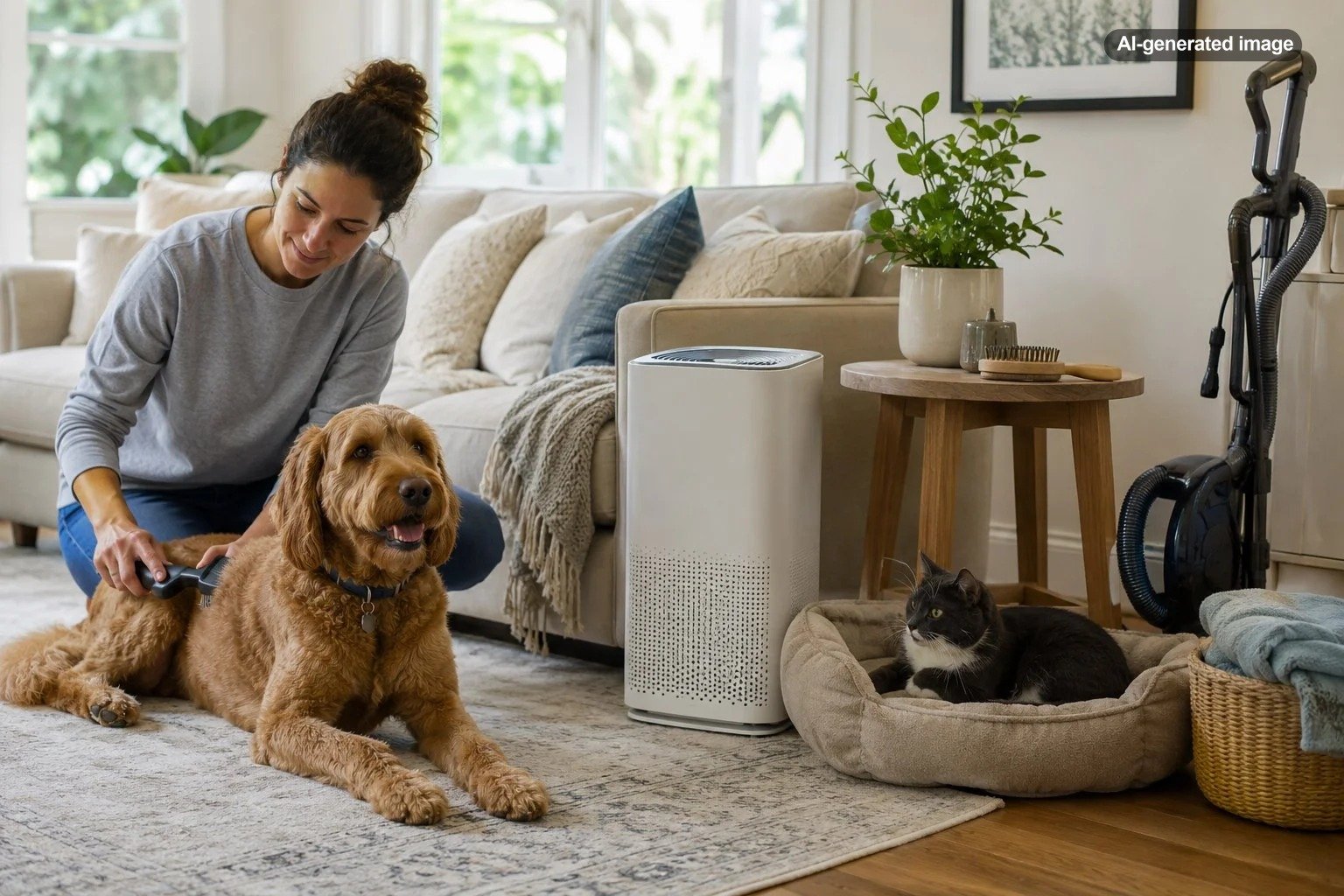
- Brush pets according to their coat and grooming needs, preferably in an easy-to-clean area.
- Wipe muddy or pollen-covered paws before the animal walks through the home.
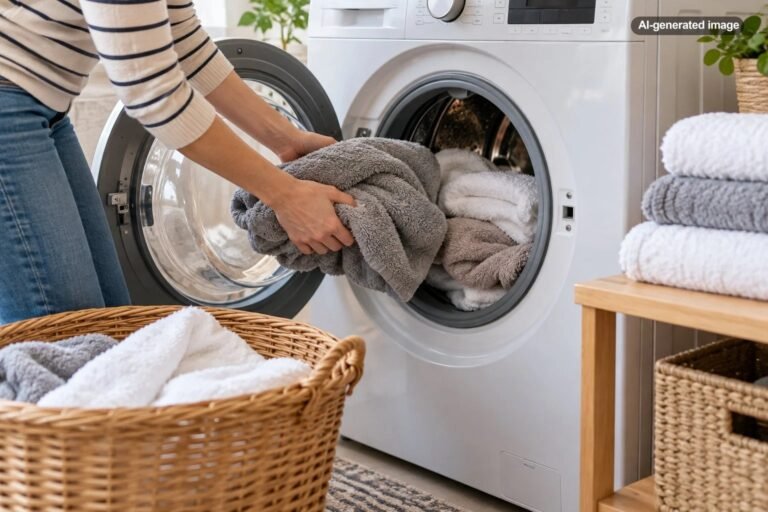
- Wash removable pet beds, blankets, crate liners, and washable furniture covers regularly.
- Scoop litter boxes promptly and replace or clean litter according to the product directions.
- Clean food bowls, water bowls, toys, carriers, and other pet supplies before residue accumulates.
- Address accidents promptly with a cleaning method appropriate for the affected material.
Routine cleaning is generally sufficient for many pet items. Disinfection may be appropriate in particular situations, but stronger chemicals are not automatically better for daily care. Follow label directions, provide ventilation, and keep pets away from wet cleaning products until surfaces are safe and dry.
Clean in a Way That Captures Dust
Dry dusting and aggressive sweeping can send settled particles back into the air. Use a damp or microfiber cloth on hard surfaces, and work from higher surfaces downward so the floor is cleaned last. Pay attention to baseboards, vents, window sills, the tops of doors, and the areas beneath pet beds and furniture.
Vacuum rugs, upholstery, and carpet slowly enough for the machine to collect embedded material. Frequently used pet areas may need attention more often than rooms the animal rarely enters. Empty bagless bins outdoors when practical, or replace sealed vacuum bags before they become overfilled. Clean or replace the vacuum’s filters as directed by its manufacturer.
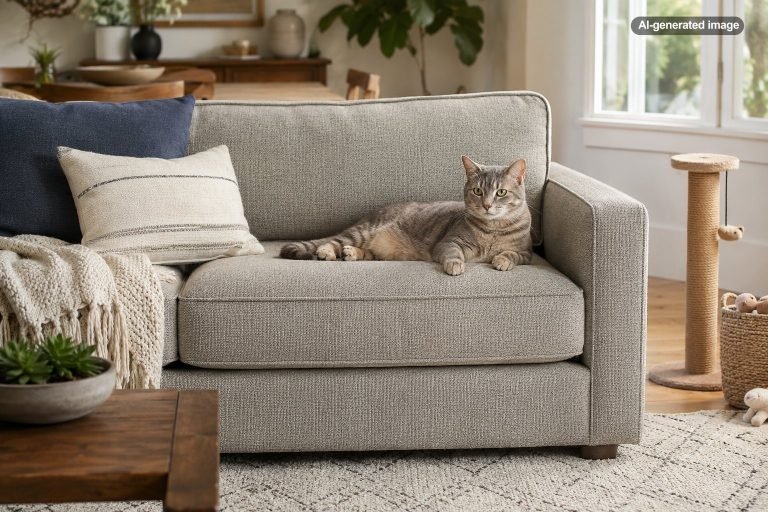
Hard flooring can simplify fur removal, but it does not eliminate airborne particles. Rugs and upholstered furniture are not inherently incompatible with pets; they simply create more surfaces that require regular maintenance. Washable rugs, removable cushion covers, and tightly woven fabrics can reduce the effort involved.
A practical weekly sequence
- Wash pet bedding and removable throws.
- Damp-dust shelves, furniture, and window areas.
- Vacuum upholstery, rugs, carpets, and edges.
- Clean hard floors with a method suitable for the finish.
- Check litter, feeding, and sleeping areas for hidden odor sources.
- Inspect air-cleaner and HVAC filters rather than waiting for obvious buildup.
Use Filtration as a Supplement
Filtration can help capture airborne particles, but it works best alongside cleaning and source control. A portable air cleaner is designed to treat a particular room or area, while a central HVAC filter treats air moving through the home’s heating and cooling system.
For a portable unit, look beyond the word pet on the packaging. Consider the recommended room size, airflow or clean-air delivery information, filter replacement availability, operating noise, and ongoing maintenance. A unit that is too noisy to run or too expensive to maintain may deliver little practical value.
HEPA is a recognized type of high-efficiency mechanical particle filter commonly used in portable air cleaners. Particle filtration can help with material such as dander and dust, but it does not automatically remove every gas or odor. Some machines include activated carbon or another sorbent material for certain odors, although performance depends on the amount of material, airflow, contaminant, and maintenance.
Place a portable cleaner where people and pets spend substantial time, with enough open space around its intake and outlet to maintain airflow. Closing the room door may improve room-specific performance, but only when doing so is comfortable and appropriate for the household.
For central HVAC filtration, use only a filter that is compatible with the system. A higher-efficiency filter is not helpful if it restricts airflow beyond what the equipment can handle. Consult the equipment documentation or a qualified HVAC professional when filter compatibility is uncertain. Homes with shedding pets may require inspection more often than a calendar-only replacement routine suggests.
Ventilate When Outdoor Conditions Allow
Bringing in cleaner outdoor air can dilute indoor pollutants. Open windows or doors when the weather, security conditions, and outdoor air quality make that reasonable. Use kitchen and bathroom exhaust fans that vent outdoors to remove moisture and airborne contaminants generated in those rooms.
Opening windows is not always the best choice. Outdoor smoke, high pollen levels, extreme humidity, or heavy traffic pollution can make indoor conditions worse. During those periods, mechanical ventilation, air conditioning, and filtration may be more suitable than simply opening the house.
Persistent stuffiness, unusual odors, condensation, or uneven airflow may justify an evaluation of the home’s ventilation and HVAC system. This is particularly relevant in tightly sealed homes where uncontrolled window opening is not a dependable year-round strategy.
Manage Humidity and Moisture
Excess humidity can encourage mold growth and support other biological contaminants. It can also make pet odors feel more noticeable. The U.S. Environmental Protection Agency commonly recommends keeping indoor relative humidity between 30 and 50 percent when practical, while the CDC advises keeping it below 50 percent for asthma-trigger control.
Use a hygrometer to understand actual conditions rather than judging by comfort alone. Run bathroom ventilation during bathing, repair plumbing leaks, dry wet entry areas, and avoid leaving damp pet towels or bedding in a pile. A dehumidifier may help in a persistently humid room, but it must be sized, drained, and maintained correctly.
Very dry air can create its own comfort problems, so the goal is balance rather than making the home as dry as possible. Climate, season, construction, and HVAC operation all affect the appropriate response.
Create Strategic Pet-Free Areas
Keeping a pet out of one carefully chosen room can sometimes be more manageable than attempting perfect control throughout the house. The bedroom is the most useful priority when someone has pet-related allergies or asthma because it creates a lower-exposure area for several consecutive hours.
A pet-free bedroom works only when the boundary is consistent. Keep the door closed, wash bedding regularly, clean the room before introducing an air cleaner, and avoid carrying heavily fur-covered blankets or clothing into the space. In a small apartment, even keeping the pet off the bed and using washable covers may reduce the cleaning burden.
Avoid Common Air-Quality Mistakes
- Masking odors with fragrance: Scent does not remove the underlying source and may bother sensitive occupants.
- Buying an undersized air cleaner: A small unit running quietly in a large open floor plan may provide limited benefit.
- Blocking airflow: Furniture, curtains, and walls can interfere with an air cleaner’s intake or outlet.
- Ignoring filter maintenance: A loaded filter can reduce airflow and performance.
- Using ozone-generating devices: Ozone is a lung irritant and should not be treated as a harmless household deodorizer.
- Cleaning only visible fur: Dander and dust also settle on textiles, ledges, and hidden edges.
- Overlooking moisture: Dampness and mold are not ordinary pet-odor problems and require correction of the moisture source.
Frequently Asked Questions
Will an air purifier eliminate pet allergies?
No air cleaner can guarantee that outcome. Filtration may reduce some airborne particles, but allergens also remain on floors, bedding, clothing, and furniture. People with allergies or asthma should discuss persistent symptoms with a qualified medical professional.
How often should HVAC filters be replaced in a home with pets?
There is no single schedule for every home. Follow the filter and HVAC manufacturer’s instructions, then inspect the filter regularly because pet shedding, renovation dust, system runtime, and local conditions can change how quickly it loads.
Does bathing a pet improve indoor air quality?
Appropriate grooming may reduce loose hair and material carried on the coat, but bathing frequency should match the animal’s species, skin, coat, and veterinary needs. Excessive bathing can cause skin problems and should not be used as a substitute for household cleaning.
Are hard floors always better for pet homes?
Hard floors are generally easier to wipe clean, but flooring choice is only one factor. Washable rugs, furniture covers, effective vacuuming, and sensible room boundaries can also make a carpeted or upholstered home manageable.
What is the best first step?
Identify the room and source causing the most trouble. Clean that area thoroughly, wash nearby pet textiles, check filters, correct moisture or litter issues, and then decide whether room-specific filtration or ventilation would add meaningful improvement.
Sources & Further Reading
- U.S. Environmental Protection Agency: Biological Contaminants and Indoor Air Quality
- U.S. Environmental Protection Agency: Guide to Air Cleaners in the Home
- U.S. Environmental Protection Agency: What Is a HEPA Filter?
- Centers for Disease Control and Prevention: Cleaning and Disinfecting Pet Supplies
- Centers for Disease Control and Prevention: Controlling Asthma