
Why Does My Mattress Feel Hotter Than It Used To?
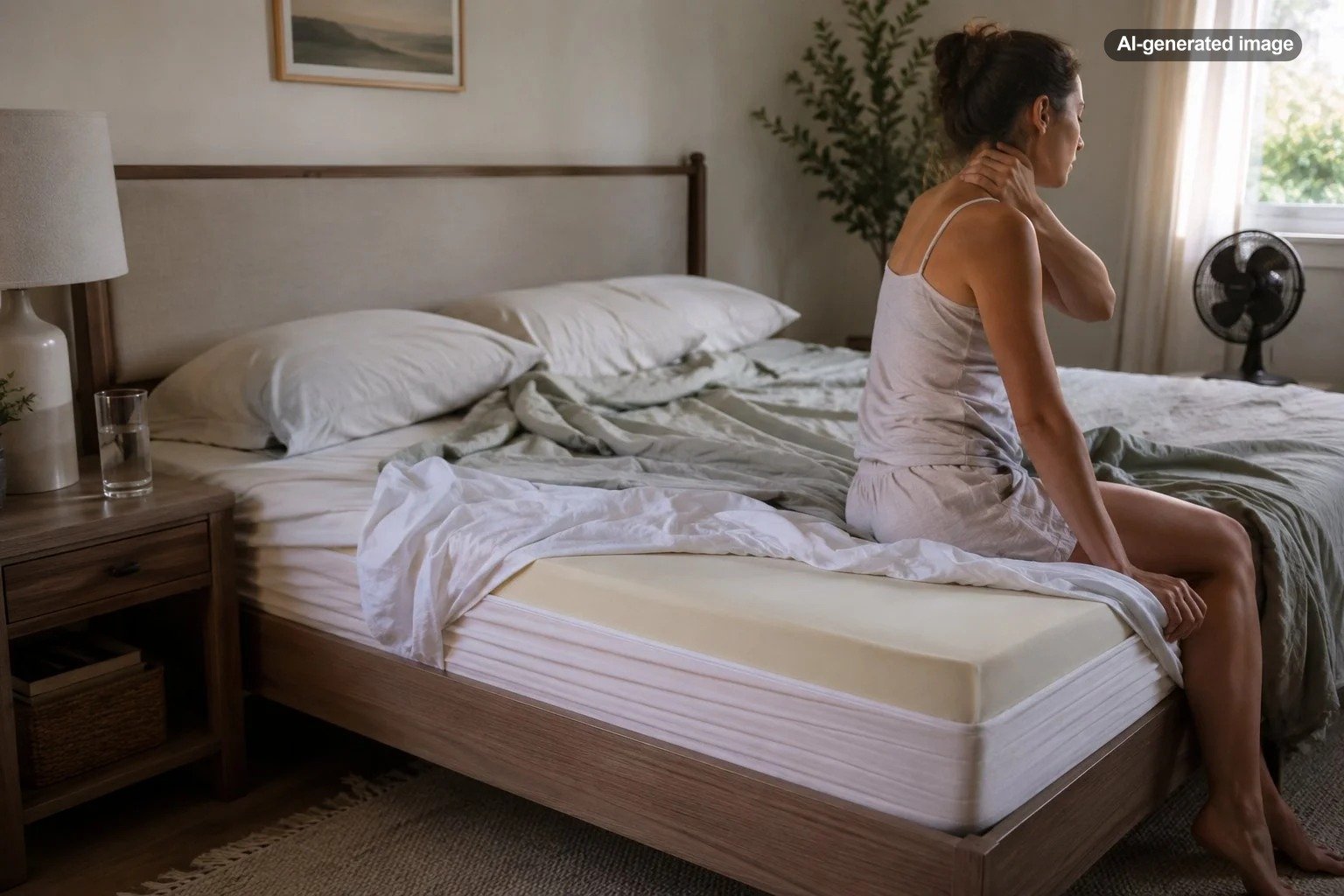
Your mattress may feel hotter than it used to even when the mattress itself has not developed a defect. A warmer bedroom, heavier bedding, a new mattress protector, reduced airflow beneath the bed, seasonal humidity, or changes in how closely the mattress conforms to your body can all alter the temperature around you.
The useful question is not simply whether the bed feels hot. It is what changed before the heat became noticeable. Working through the room, bedding, bed base, mattress, and personal factors in that order can often reveal the cause without replacing a perfectly serviceable mattress.
Start With What Changed Around the Mattress
A mattress rarely becomes dramatically warmer overnight without another variable entering the picture. Think back to the first week you noticed the difference. Did you add a waterproof protector, switch sheets, place a thick pad beneath the fitted sheet, move the bed, close an air vent, or begin using a heavier comforter?
Waterproof protectors are especially easy to overlook. They are useful for guarding against spills, perspiration, and accidents, but some constructions allow less moisture and heat to move away from the body. A thick quilted pad can create a similar effect by adding another insulating layer between you and the mattress.
Try sleeping for two or three nights with the lightest safe bedding arrangement that still protects the mattress appropriately. Use breathable sheets, remove decorative blankets from the sleeping area, and replace a heavy comforter with a lighter layer. Change one item at a time so you can identify what actually makes a difference.
Your Bedroom May Be Warmer Than You Realize
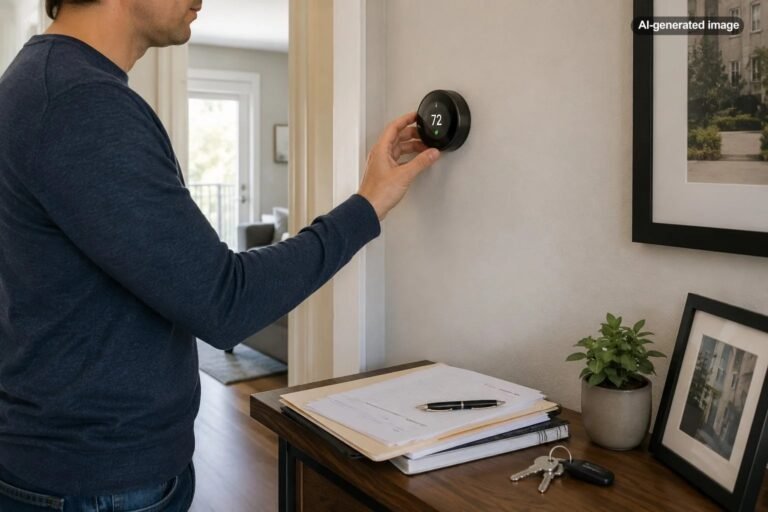
A room can feel comfortable when you first get into bed and become stuffy several hours later. Closed bedroom doors, weak air circulation, afternoon heat stored in exterior walls, and humidity can make the sleep environment feel warmer even when the thermostat setting has not changed.
Check the temperature near the bed rather than relying only on a thermostat located in a hallway. Also notice whether the problem is worse after sunny days, during humid weather, or when two people share the room. A ceiling fan or quiet circulating fan may improve comfort by moving air across the body, although a fan does not actually lower the room temperature.
The Mattress May Be Conforming More Closely
Foam mattresses respond to pressure and body warmth. As a mattress breaks in, its upper layers may feel more flexible and allow you to settle slightly deeper than when it was new. That closer contact can reduce the amount of air moving around your torso, hips, and shoulders.
This does not necessarily mean the mattress is worn out. A modest change in surface feel can be part of normal use. However, a pronounced indentation that remains after the bed is empty may indicate wear. Compare both sides of the mattress in daylight, remove all bedding, and look across the surface from a low angle. Follow the manufacturer’s instructions before rotating the mattress, because not every model is designed to be flipped or rotated in the same way.
Traditional memory foam is often associated with greater heat retention because it conforms closely and is less open to airflow than many spring-based constructions. Newer foams, ventilated layers, hybrid designs, and specialized covers may be intended to improve airflow or manage moisture, but temperature perception remains highly individual.
Check Airflow Under and Around the Bed
The support beneath a mattress affects more than firmness. A compatible slatted foundation or ventilated base may allow more air movement than placing the mattress on a solid surface. Pushing storage bins tightly beneath the entire bed can also limit circulation around the base.
Do not change the foundation until you have checked the mattress manufacturer’s compatibility requirements. Incorrect slat spacing, inadequate center support, or an unsuitable adjustable base can affect support and may conflict with warranty terms. The goal is not maximum ventilation at the expense of proper structural support.
What to do
- Remove excess blankets, toppers, and recently added bedding for a short comparison test.
- Check the temperature and humidity beside the bed at bedtime and again during the night.
- Make sure vents, returns, and fans are not blocked by furniture or curtains.
- Inspect the bare mattress for lasting impressions, soft spots, or moisture.
- Confirm that the foundation is compatible and that stored items are not packed tightly around the bed.
- Reintroduce bedding one layer at a time until the heat returns.
A Topper Can Help or Make the Problem Worse
A topper changes the material directly beneath your body, so it can noticeably change temperature. Thick, soft foam toppers tend to increase the amount of contact between your body and the bed. Wool, latex, fiber, and ventilated toppers behave differently, but labels such as cooling or breathable do not guarantee the same result for every sleeper.
Before buying a topper, decide what you are trying to correct. A topper may change surface softness and airflow, but it will not repair a sagging support core. It can also make a high mattress harder to get into, interfere with fitted-sheet depth, and alter the feel that initially made the mattress comfortable.
The most effective cooling change is often the removal of one heat-trapping layer, not the addition of another.
Consider Whether Your Own Temperature Has Changed
Sometimes the bed is the same and the sleeper is not. Changes in medication, illness, stress, alcohol use, exercise timing, hormones, sleepwear, or sharing the bed with another person can affect nighttime warmth. Even moving from sleeping on your back to your side can increase contact with a close-conforming surface.
A mattress article cannot determine the cause of persistent night sweats or a sudden change in body temperature. Seek medical guidance when nighttime sweating is new, severe, unexplained, accompanied by fever or other symptoms, or regularly soaks clothing and bedding. Replacing sheets or mattresses should not substitute for evaluating a health concern.
When a Different Mattress May Make Sense
Replacement becomes more reasonable when the mattress has lasting impressions, no longer supports you comfortably, has sustained moisture damage, or consistently sleeps too warm despite simpler adjustments. Construction matters: deeply conforming foam may suit sleepers who prioritize pressure relief and motion isolation, while some people prefer the airier feel and easier movement commonly associated with hybrid or innerspring designs.
Evaluate any replacement as a complete system. Consider the mattress material, cover, protector, sheets, foundation, room conditions, and how deeply you tend to sink. Cooling claims should be read carefully because a cool-to-the-touch cover may influence the initial sensation while internal materials and airflow affect comfort later in the night.
Affiliate disclosure: CraneManor.com may earn a commission when you purchase through links on this page. This does not affect the price you pay. Learn more.
For context, the TEMPUR-Cloud Mattress is offered in foam and hybrid constructions, and its manufacturer describes a moisture-wicking stretch cover intended to support breathability and airflow. That does not make it universally cool or suitable for every hot sleeper. Verify the current construction, size, compatible foundation, trial terms, return rules, and warranty before purchasing.
Before you decide
- Test lighter bedding before replacing the mattress.
- Compare room conditions on cool and warm nights.
- Decide whether you want less contouring, more airflow, or both.
- Check foundation compatibility and total bed height.
- Read trial and return terms rather than relying only on cooling language.
- Do not use a topper to disguise a mattress that has lost support.
Frequently Asked Questions
Can a mattress get hotter as it gets older?
It may feel hotter if its comfort layers soften and allow your body to sink more deeply. Aging bedding, a compressed mattress pad, restricted airflow, or a warmer room may also be responsible, so age alone does not prove the mattress is the cause.
Will cotton sheets fix a hot mattress?
They may help when the existing sheets are heavy or poorly ventilated, but sheets cannot fully offset a deeply conforming mattress, a thick waterproof protector, high humidity, or an overheated room. Treat sheets as one part of the sleep system.
Should I remove my mattress protector?
A brief comparison test can help identify whether the protector contributes to the problem, but mattresses often still need protection from moisture and spills. Replace an uncomfortable protector with a compatible, less insulating option rather than leaving the mattress unprotected indefinitely.
Does a cooling topper work?
It can change the initial feel and surface airflow, but results depend on its material, thickness, your bedding, and how closely it conforms. A topper is more useful for adjusting the surface than correcting structural wear.
What is the simplest first step?
Remove one recently added layer, use lighter bedding, and measure the temperature beside the bed for several nights. That small experiment often reveals more than buying a new product immediately.