
How to Make a Home Smell Good Without Plug-In Air Fresheners
A home that smells good does not need to smell strongly perfumed. In fact, the most convincing version of freshness is usually a nearly neutral background with one subtle, pleasant note: clean laundry, fresh citrus, cut greenery, or something warm from the kitchen.
The reliable method is to remove odor sources first, refresh the air second, and add fragrance last. Plug-in air fresheners reverse that order by placing a steady scent over whatever is already in the room. That can make a space smell busy rather than genuinely clean.
Find the odor before adding fragrance
If a room develops an unpleasant smell, walk through it before lighting a candle or setting out potpourri. Odors often collect in places that are easy to overlook: a kitchen sponge, the underside of a trash-can lid, a damp bath mat, a vacuum filter, a forgotten produce drawer, or a small spill beneath furniture.
Notice whether the smell is strongest near the floor, inside a cabinet, beside an air vent, or around plumbing. That location can tell you far more than the character of the odor alone.
What to do
- Remove trash, recycling, food scraps, and anything visibly damp.
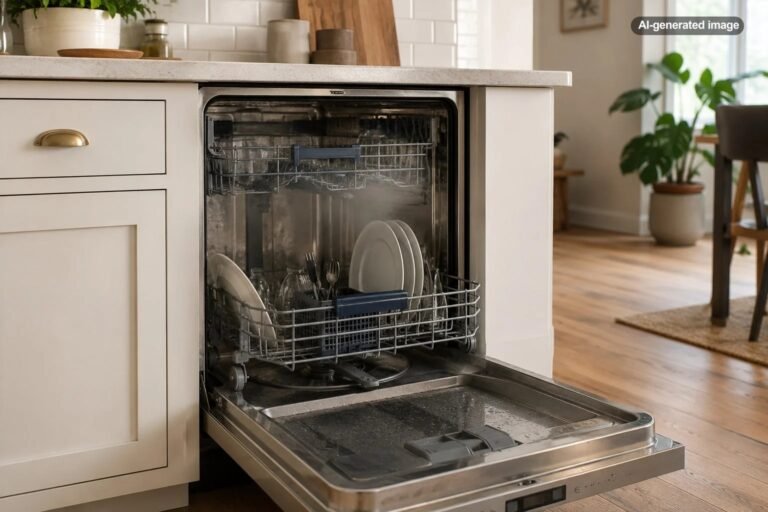
- Check sinks, garbage disposals, floor drains, laundry machines, and dishwasher filters.
- Smell-test washable fabrics such as throws, pillow covers, pet bedding, and entry mats.
- Inspect hidden areas beneath furniture and inside lower cabinets.
- Clean the source and let the area dry fully before adding fragrance.
A persistent musty, sewage-like, burning, gas-like, or chemical odor deserves more attention than ordinary household staleness. Do not attempt to cover it with fragrance. Investigate the cause and contact an appropriate professional when the source is not obvious or safely accessible.
Refresh the air strategically
Opening every window for hours is not always practical, especially during humid, smoky, extremely hot, or high-pollen weather. A shorter cross-breeze can still help. Open windows or exterior doors on opposite sides of the home for several minutes when outdoor conditions are suitable, and use bathroom or kitchen exhaust fans for the moisture and cooking activities they are designed to handle.
Air movement also matters inside the home. Leave interior doors open when privacy is not needed, avoid blocking return vents, and clean ceiling-fan blades so they do not redistribute dust. Replace or clean HVAC filters according to the equipment manufacturer’s instructions rather than waiting until airflow noticeably declines.
Wash the fabrics that quietly hold smells
Soft materials are often the largest odor reservoirs in a room. Curtains, rugs, upholstered furniture, bedding, decorative pillows, and fabric headboards absorb cooking vapors, body oils, smoke, pet odors, and general household dust.
Begin with removable, washable items. Launder pillow covers, throws, bath mats, washable curtains, and pet bedding according to their care labels. Vacuum rugs and upholstery slowly, using the correct attachment and paying particular attention to edges, seams, and the space beneath cushions. Do not saturate upholstery or rugs unless their care instructions permit wet cleaning and you can dry them thoroughly.
Bedrooms benefit from a simple rotation: air the bed before making it, wash sheets regularly, clean mattress protectors, and occasionally vacuum the mattress surface using gentle suction. In living rooms, washing one collection of cushion covers can change the room more than introducing a new fragrance.
Keep kitchens fresh between deep cleanings
The kitchen rarely has a single odor source. Grease film, sink residue, food packaging, dishcloths, refrigerator spills, and trash can combine into a scent that no bowl of lemons can defeat.
Wipe cooking splatter from the backsplash, range hood exterior, cabinet pulls, and nearby walls using a cleaner suitable for the finish. Wash or replace sour-smelling dishcloths and sponges. Clean the trash can, including the rim, lid, and floor beneath it. Check refrigerator drawers for leaks and wipe condiment bottles before returning them to the shelves.
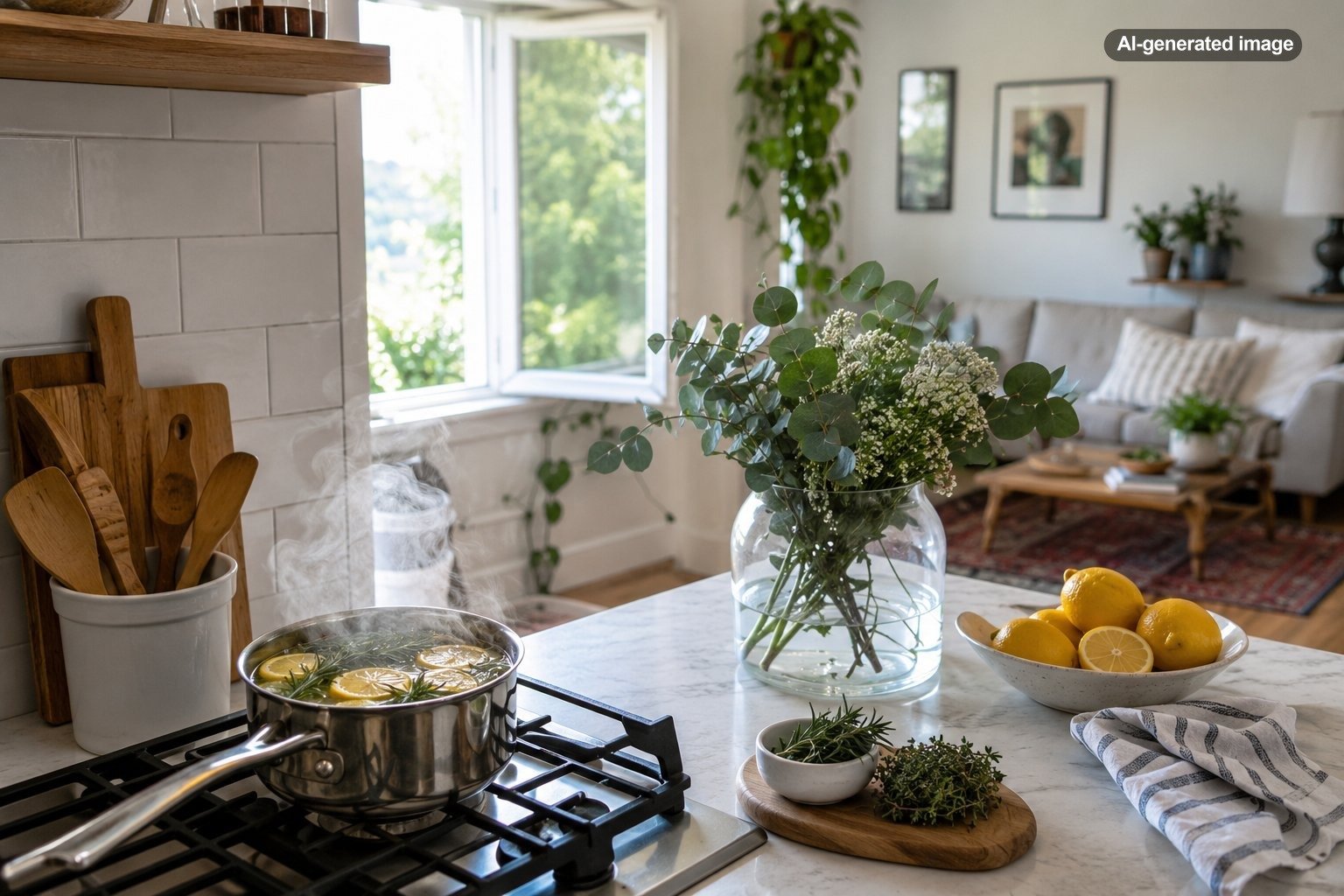
After strong-smelling cooking, run the range hood when appropriate for the appliance and ventilate the room. Simmering citrus peels or whole spices in water can add a temporary scent, but remain nearby, keep the pot from boiling dry, and turn off the burner when finished. It is a fragrance detail, not an odor-removal method.
Give bathrooms and laundry areas time to dry
A bathroom may be clean yet smell stale because towels, shower curtains, bath mats, or grout lines remain damp. Spread towels fully rather than folding them while wet, hang bath mats after use, and allow the shower enclosure to dry. Wash fabric shower curtains and liners only as their care labels allow.
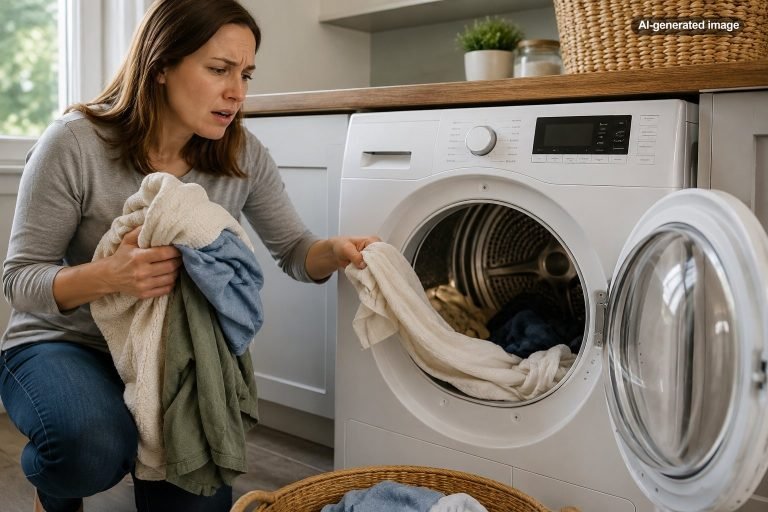
In the laundry area, remove wet clothing promptly and leave the washer door or lid positioned according to the manufacturer’s guidance between loads. Clean dispensers, seals, lint areas, and filters as directed for the machine. Fragrance beads and heavily scented detergent may make laundry smell stronger, but they do not correct residue, trapped moisture, or a machine that needs cleaning.
A fresh-smelling home is usually the result of fewer hidden odors, not more layers of perfume.
Add one subtle fragrance layer
Once the room smells neutral, choose a single fragrance method. A scented candle can work for a short period when attended carefully. Reed diffusers offer a steady scent without electricity, although they can become overpowering in small rooms. Dried botanicals provide a softer effect, while fresh flowers or clipped greenery contribute both scent and visual interest.
A small bowl of whole citrus fruit, a vase of eucalyptus-like greenery selected with household safety in mind, or naturally fragrant herbs near a bright kitchen window can feel more integrated than an obvious air freshener. Avoid combining candles, room sprays, fragranced cleaners, diffusers, and heavily scented laundry products in the same area. The result is rarely more polished.
| Method | Best for | Main tradeoff |
|---|---|---|
| Fresh flowers or herbs | Light, natural fragrance | Requires replacement and care |
| Reed diffuser | Consistent low-effort scent | Can become too strong in small rooms |
| Attended candle | Short evening use | Open flame requires supervision |
| Stovetop citrus or spices | Temporary kitchen fragrance | Requires active monitoring |
| Dried botanicals | Very subtle scent and decoration | Fades and can collect dust |
Households with children, pets, birds, allergies, migraines, or fragrance sensitivities may prefer little or no added scent. Store concentrated fragrance materials securely, follow product directions, and check with an appropriate medical or veterinary professional when household sensitivities are a concern.
Create a simple freshness routine
The easiest way to maintain a pleasant-smelling home is to prevent small odor sources from accumulating. Daily effort can be minimal: air the kitchen after cooking, hang damp textiles properly, empty food waste, and wipe visible spills. Each week, wash frequently handled fabrics, vacuum upholstered areas, and inspect the refrigerator and pet zones.
Less frequent tasks include cleaning trash cans, laundering curtains or cushion covers, checking appliance filters, and moving furniture to clean underneath. Adjust the schedule to the household. A home with pets, frequent cooking, high humidity, or limited ventilation will need a different rhythm from a lightly used apartment.
Common mistakes that make a home smell less fresh
- Using several fragrances at once: Competing scents can make rooms feel heavier and may hide the location of a real odor.
- Spraying fabrics indiscriminately: Some products can spot, discolor, or leave residue on upholstery, rugs, wood, or stone.
- Ignoring vacuum and appliance filters: A dirty filter can release stale odors every time the machine runs.
- Leaving damp cleaning tools in enclosed spaces: Mops, sponges, cloths, and brushes need to dry between uses.
- Treating fragrance as proof of cleanliness: A strong scent can coexist with grease, moisture, spoiled food, or dirty textiles.
Frequently asked questions
What can I use instead of plug-in air fresheners?
Try fresh flowers, fragrant herbs, dried botanicals, a lightly scented reed diffuser, or an attended candle. Use one method at a time and keep the fragrance level restrained.
How can I make my house smell good all day?
Focus on odor prevention rather than continuous perfume. Empty food waste, dry damp fabrics, ventilate after cooking and bathing, clean soft surfaces, and maintain appliance and HVAC filters according to manufacturer guidance.
What makes a house smell clean?
Clean textiles, dry bathrooms, grease-free kitchen surfaces, fresh air, and odor-free trash and pet areas create the impression of cleanliness. Added fragrance should be a finishing touch.
Why does my house still smell after cleaning?
The odor may be trapped in upholstery, rugs, drains, appliance filters, cabinets, pet bedding, or damp building materials. Narrow it down room by room and investigate persistent musty, burning, gas-like, or sewage-like smells rather than masking them.