Why Does My Toilet Gurgle When the Shower Drains?
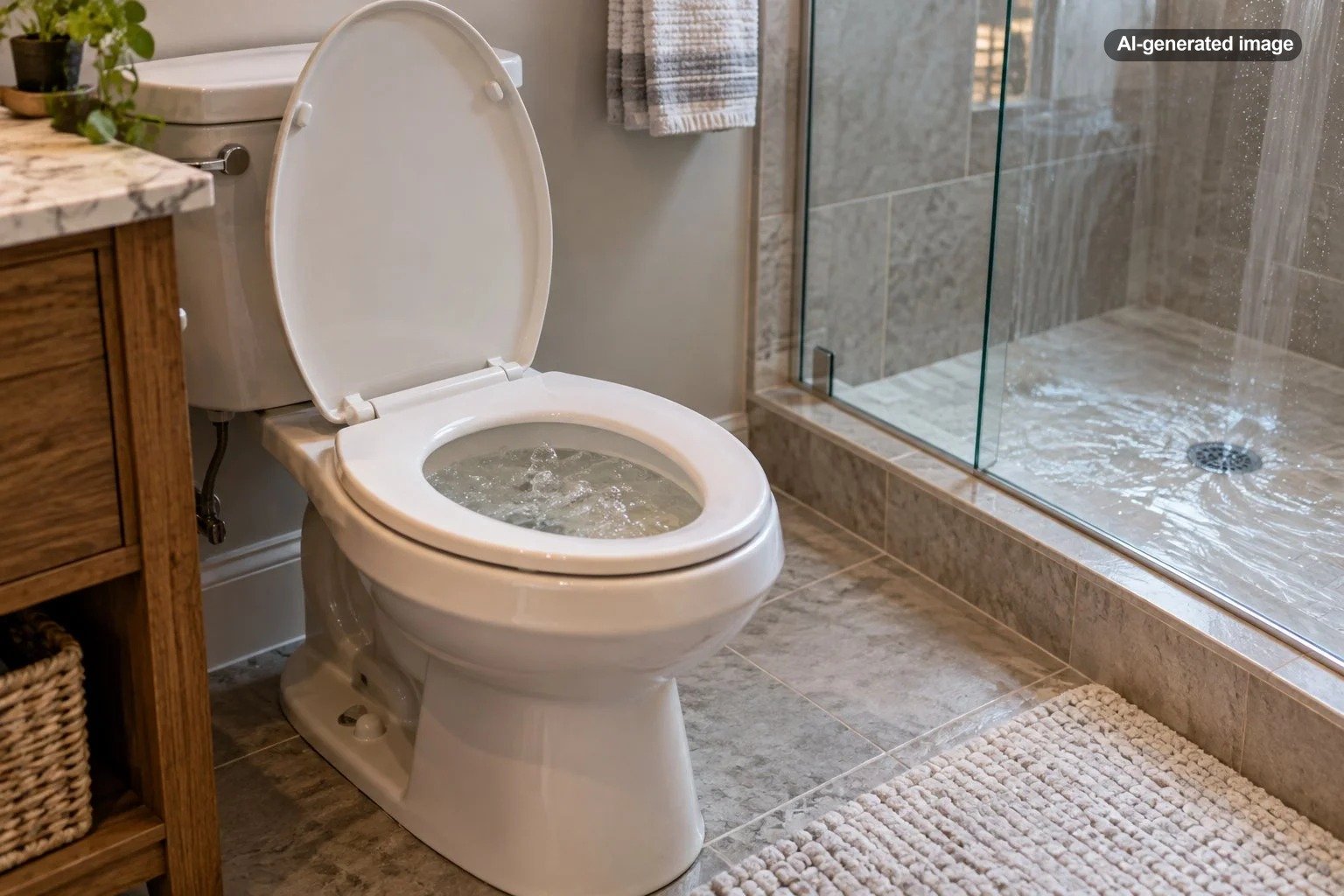
If your toilet gurgles when the shower drains, the two fixtures are probably interacting through the home’s drainage or vent system. The shower is sending a relatively large flow of water into the drain, and if air cannot move freely or wastewater cannot pass freely, pressure changes can push or pull air through the toilet bowl. The result is bubbling, gulping, or a distinctly unglamorous bathroom soundtrack.
A single brief noise does not automatically mean a major sewer problem, but repeated gurgling is worth investigating. Common explanations include a partial clog in a shared drain, a restriction farther downstream, or a plumbing vent problem that prevents the drainage system from equalizing pressure normally.
Why the shower can make the toilet gurgle
Plumbing drains do more than carry water away. They also rely on ventilation so air can enter and leave the system as wastewater moves through the pipes. Proper venting helps protect the water held in fixture traps and keeps pressure changes from interfering with drainage.
When you take a shower, several gallons of water may move through the shower drain over a relatively short period. If a shared branch drain is partly obstructed, that flow can compress or displace air in the piping. The toilet may become an easy place for that air to escape, producing bubbles or a gurgling sound in the bowl.
A vent restriction can create a similar symptom. If the drainage system cannot draw air through its intended vent path, it may pull air through a nearby fixture instead. The sound tells you that air and water are moving somewhere they ordinarily should not have to.
The most likely causes
A partial clog in a shared bathroom drain
If the shower and toilet connect to the same branch of the drainage system, a partial blockage downstream from both fixtures can cause them to interact. Hair, soap residue, accumulated debris, or material farther along the drain can reduce the available passage without stopping flow completely.
This is especially plausible when the shower also drains more slowly than it used to. You may notice water lingering around the shower drain, the toilet bowl moving slightly when another fixture empties, or occasional bubbling from a sink in the same bathroom.
A restriction farther down the drainage system
If several fixtures are affected, the trouble may not be confined to the bathroom. A blockage farther downstream can interfere with wastewater from multiple fixtures. The precise location cannot be diagnosed from gurgling alone, but the number and location of affected drains provide useful clues.
For example, a toilet that reacts only to one nearby shower suggests a different troubleshooting path from a toilet that gurgles whenever the washing machine, bathtub, or several sinks drain.
A plumbing vent problem
Plumbing vents provide an air path that helps a gravity drainage system work properly and protects fixture trap seals from excessive pressure differences. A vent that is obstructed, improperly configured, or otherwise unable to move enough air can contribute to gurgling and unusual water-level changes.
Because vent piping often extends through the roof, investigating it can involve fall hazards and requires knowing how the home’s plumbing is arranged. This is generally a better job for a qualified plumber than an improvised rooftop inspection.
How to narrow down the problem without taking anything apart
You do not need to start opening walls or dismantling fixtures. A few observations can tell you whether the problem appears isolated or widespread.
What to do
- Run the shower briefly and watch the toilet bowl from a safe distance. Note whether you hear gurgling, see bubbles, or notice the bowl water level rise or fall.
- Check whether the shower drains at its normal speed. Standing water or noticeably sluggish drainage makes a drain restriction more likely.
- Test the bathroom sink and, if appropriate, another nearby fixture. Pay attention to whether they drain slowly or trigger the same toilet reaction.
- Check other areas of the home for slow drains. Multiple fixtures acting strangely at the same time can indicate a problem farther downstream.
- Stop testing if wastewater begins backing up, a toilet threatens to overflow, or sewage odors become pronounced.
If only the shower is slow and the toilet reacts when that shower drains, a localized bathroom drain problem may be involved. If the shower seems perfectly normal but the toilet gurgles whenever several fixtures discharge, venting or a more distant drainage restriction deserves closer attention.
What not to assume
Gurgling does not identify one specific failed component. It is a symptom, not a diagnosis. Replacing the toilet, repeatedly pouring drain chemicals into fixtures, or assuming the roof vent must be clogged can send troubleshooting in the wrong direction.
Be especially cautious with chemical drain cleaners. Different pipe materials, fixtures, blockages, and products have different limitations, and chemicals may not reach or solve a restriction located well beyond the shower trap. Mixing drain products or combining them with other cleaners can also create hazards.
Likewise, do not climb onto the roof simply because plumbing vents are a possible cause. Roof access introduces an entirely separate safety risk, and a plumber can evaluate the drainage and vent system in a more systematic way.
Could the toilet itself be clogged?
It is possible, particularly if the toilet has also become slow to flush or the bowl rises unusually high before draining. However, if the toilet behaves normally when flushed and gurgles only when the shower empties, the relationship between the two fixtures makes shared drainage or venting more suspicious than a blockage confined entirely to the toilet.
A standard toilet plunger may be reasonable when the toilet itself shows ordinary clog symptoms and there is no evidence of a broader backup. But repeated plunging will not correct a vent problem or a blockage located in a different section of piping.
When the pattern points to a larger drain problem
The more fixtures involved, the less likely this is to be a one-fixture annoyance. Suppose the toilet gurgles when the shower runs, the bathroom sink has become slow, and a nearby tub occasionally bubbles. That pattern suggests looking beyond the toilet itself.
Similarly, if fixtures on the lowest level of the home begin backing up when water is used elsewhere, stop running unnecessary water. Continuing to send wastewater into a drainage system that is struggling to carry it away can make a backup worse.
A gurgle becomes much more informative when you pay attention to what else is draining at the exact moment it happens.
Can you prevent the problem from returning?
Prevention depends on the cause. For shower drains, regularly removing accessible hair and debris before it travels deeper into the plumbing can reduce ordinary buildup. Avoid sending inappropriate materials down toilets and drains, and pay attention when a fixture begins draining more slowly rather than waiting for it to stop completely.
It also helps to treat new plumbing noises as early clues. A bathroom that has worked quietly for years and suddenly develops repeatable gurgling is telling you that something has changed, even if every fixture still technically drains.
For recurring problems, professional diagnosis is usually more useful than repeatedly clearing the nearest visible drain. A plumber can determine whether the issue is in a fixture drain, shared branch, larger building drain, or vent system and choose the appropriate method for the actual location.
Frequently asked questions
Is a gurgling toilet an emergency?
Not necessarily. A toilet that occasionally gurgles without slow drainage or backup may not require emergency service. However, active wastewater backup, overflowing fixtures, or multiple drains failing together deserves prompt attention.
Why does my toilet bubble when I take a shower?
The shower’s wastewater can create pressure changes in shared plumbing when drainage or venting is restricted. Air may then move through the toilet bowl, creating visible bubbles.
Can a clogged shower drain make the toilet gurgle?
A restriction associated with the shower or a shared drain can contribute, particularly when the shower itself drains slowly. A clog confined only to the upper portion of the shower drain is less likely to explain every case, so the behavior of other fixtures matters.
Can a blocked vent cause toilet gurgling?
Yes. Plumbing venting exists in part to allow air movement and protect fixture trap seals from problematic pressure differences. If air cannot move properly through the vent system, nearby fixtures can develop gurgling or water-level changes.
Should I keep using the shower if the toilet gurgles?
If everything drains normally and there are no other warning signs, brief use while arranging further troubleshooting may be reasonable. If drainage is slowing, water is backing up, or several fixtures are affected, minimize water use until the problem is evaluated.