

Home Care
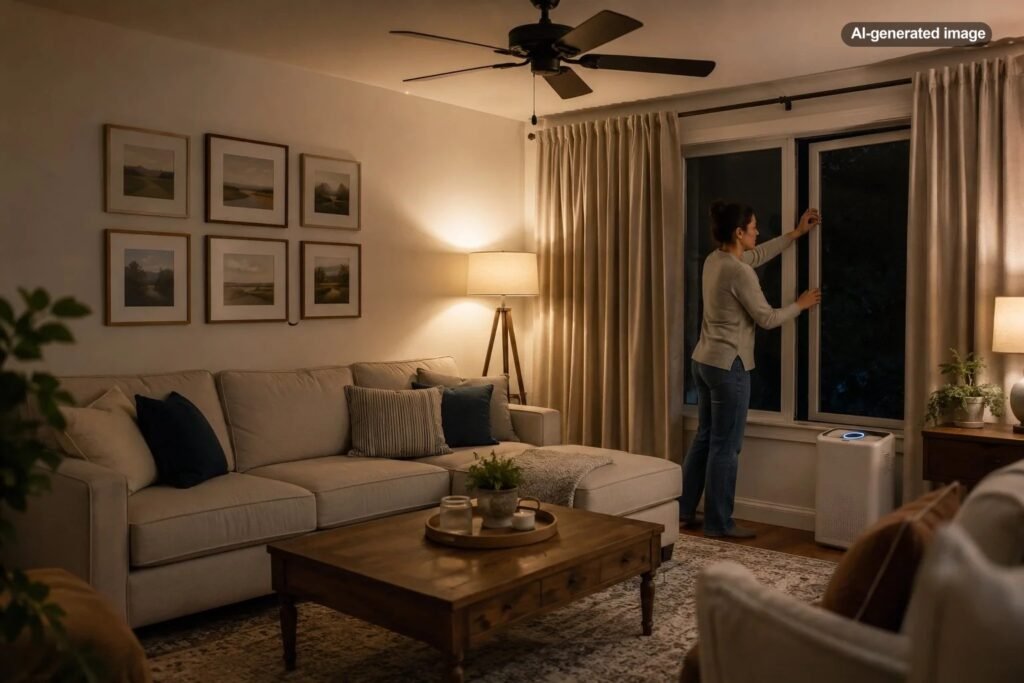
Why Does My Living Room Smell Fine During the Day but Stale at Night?
A living room that smells stale at night may have less ventilation, trapped fabric odors, humidity, or an overlooked moisture source.
The Crane Manor collection
A living room that smells stale at night may have less ventilation, trapped fabric odors, humidity, or an overlooked moisture source.
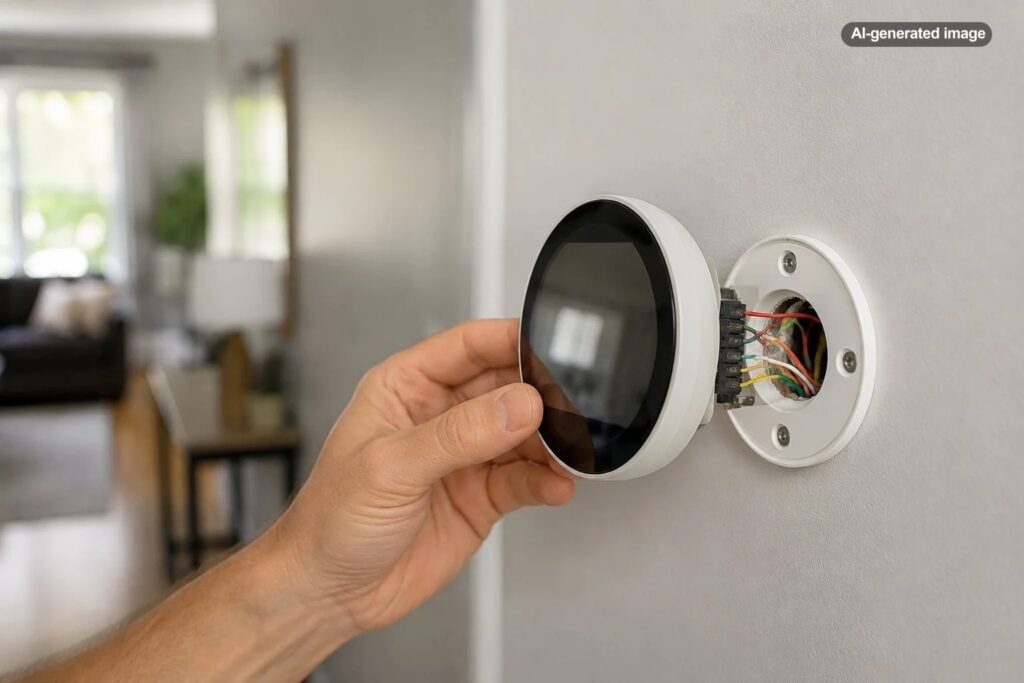
Some smart thermostats can work without a C-wire, but compatibility depends on the thermostat and HVAC system. Learn your practical options.

Yes, gas stoves can affect indoor air quality. Learn what they emit, why ventilation matters, and practical ways to reduce exposure while cooking.
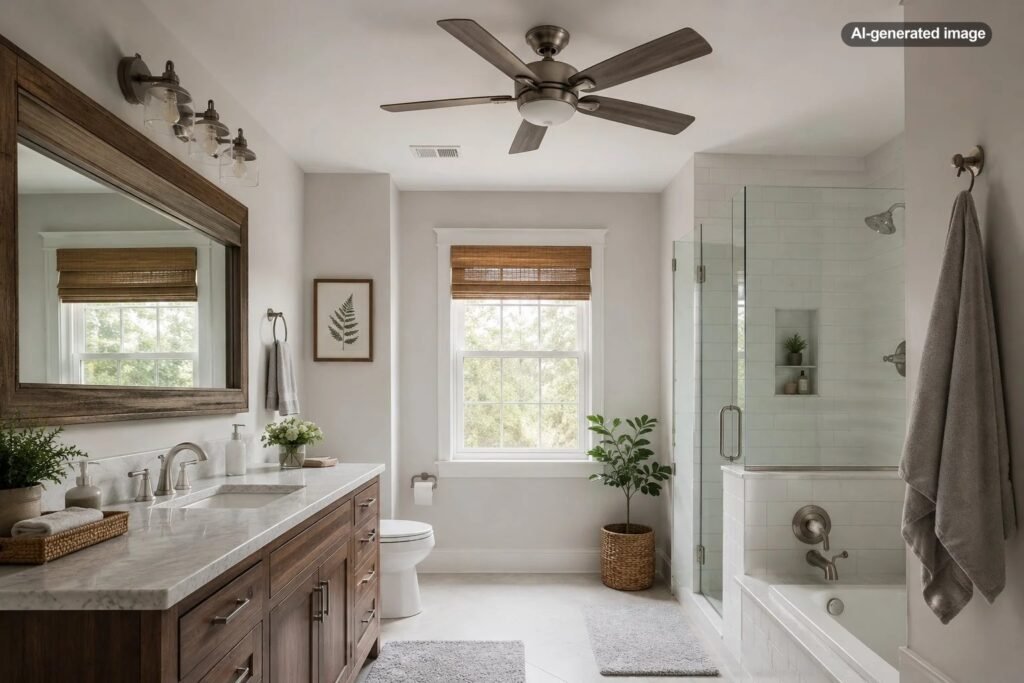
Yes, a ceiling fan can work in a bathroom, but moisture ratings, placement, ventilation, electrical safety, and clearance all matter.
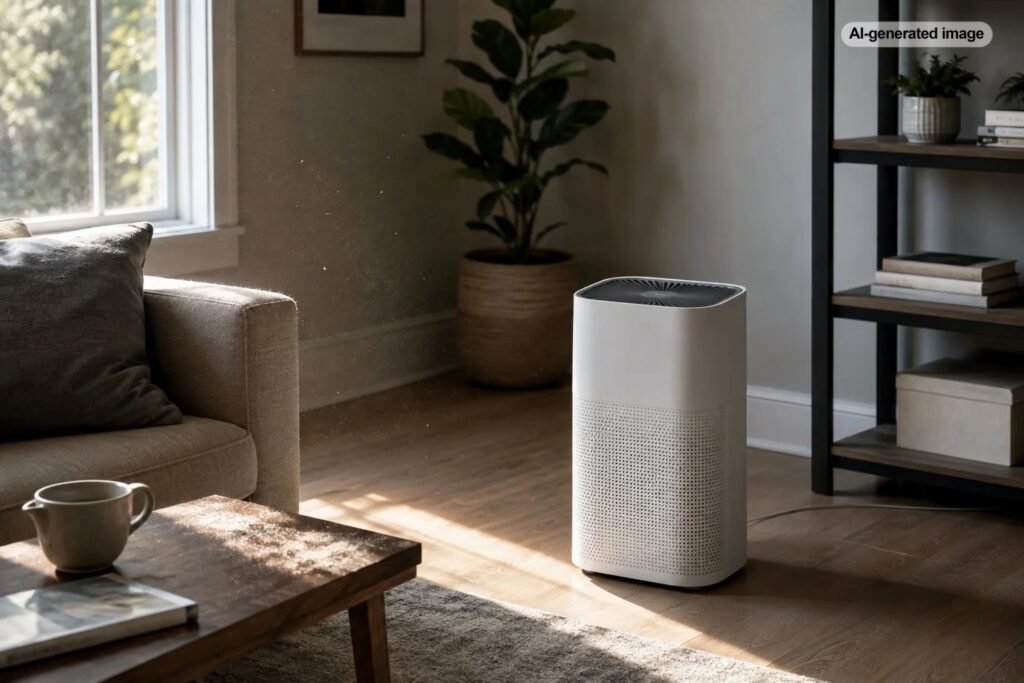
Air purifiers can reduce airborne dust, but they cannot stop dust from forming. Learn what filtration helps with and how to keep rooms cleaner.
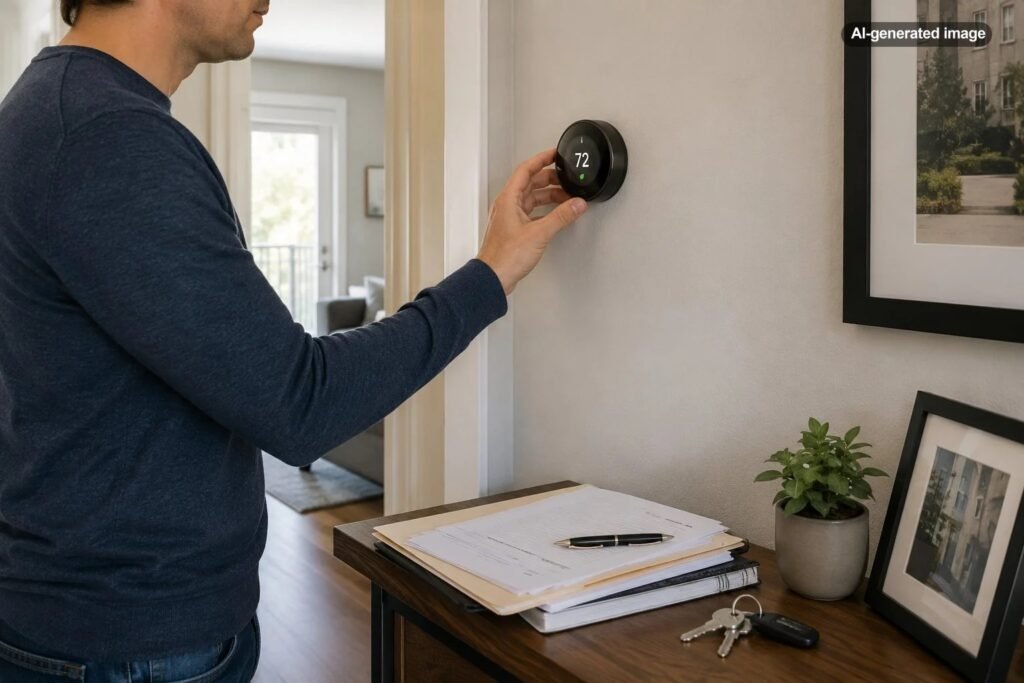
Find out when HOA approval may be needed for a smart thermostat, especially in condos, shared HVAC systems, and homes with association rules.
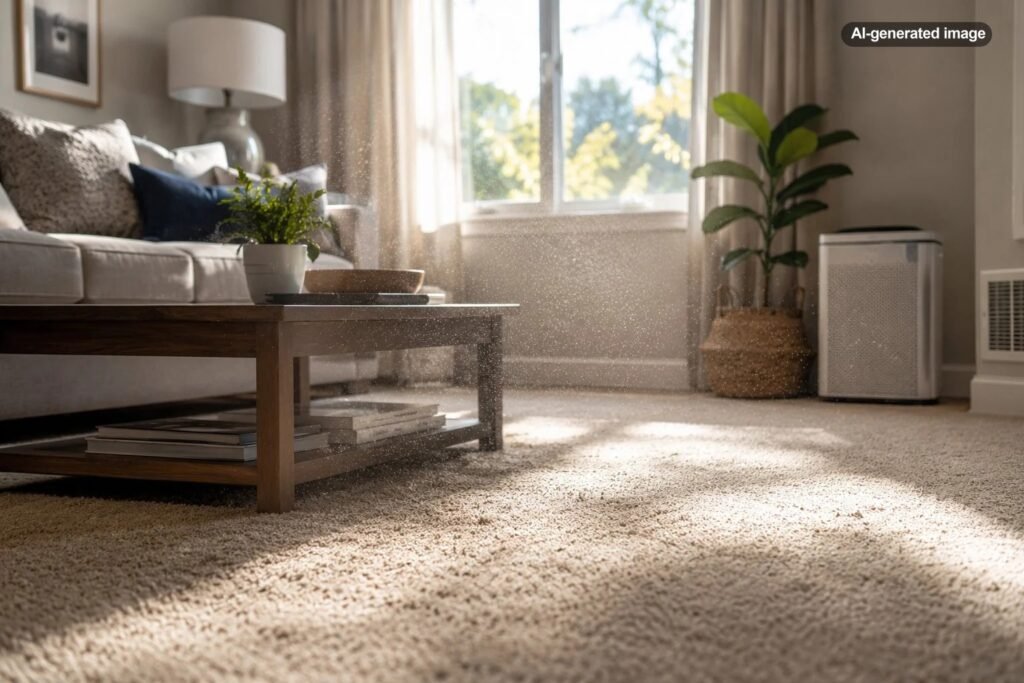
Carpet can collect dust, allergens, moisture, and other pollutants. Learn when it affects indoor air quality and how to keep it cleaner.
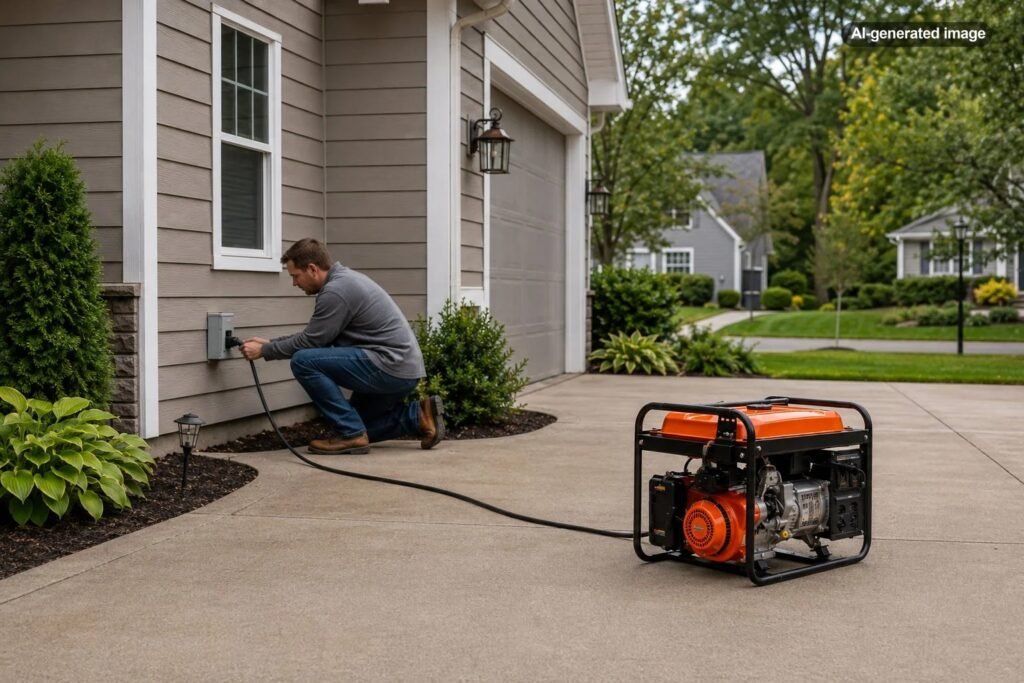
Use a home generator safely by controlling carbon monoxide, preventing backfeeding, managing fuel, avoiding wet conditions, and using proper connections.

Compare propane and natural gas fire pits for installation, portability, fuel supply, upkeep, cost, performance, and outdoor safety.
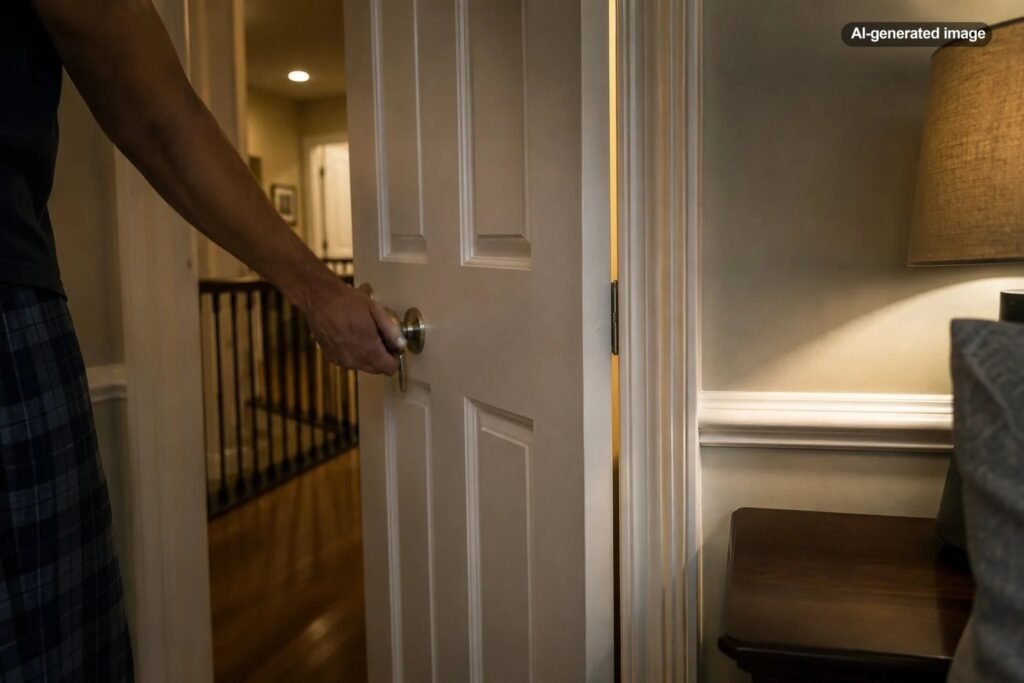
An interior door that sticks only at night often points to humidity, temperature changes, swelling wood, or slight movement in the frame.

Compare above-ground and in-ground fire pits for safety, comfort, drainage, maintenance, appearance, and everyday backyard use.
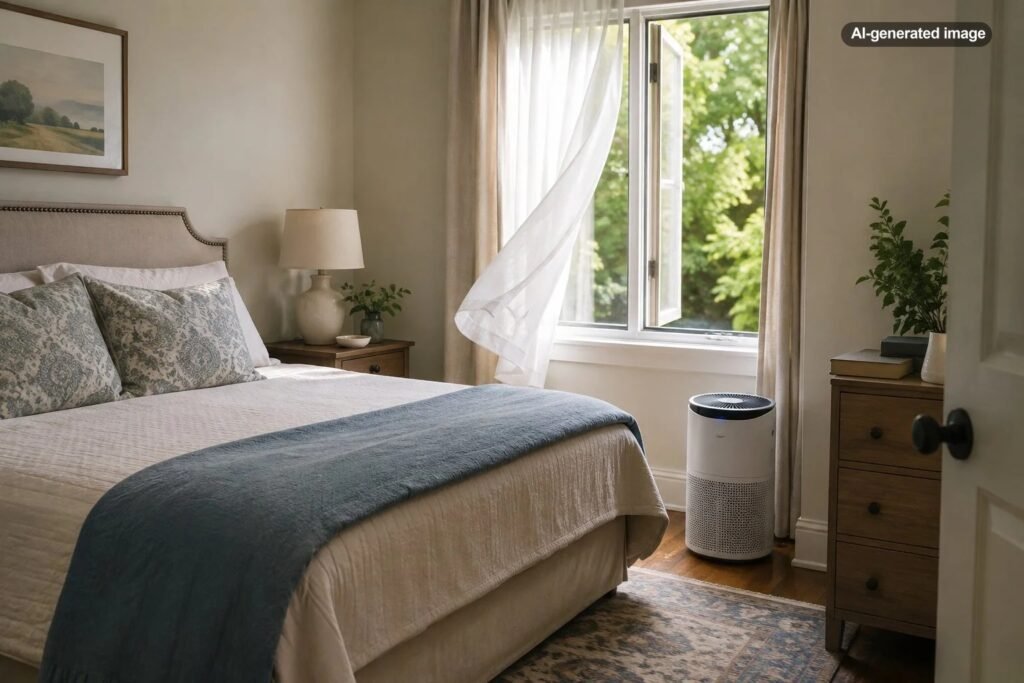
Freshen a closed guest room by improving ventilation, controlling moisture, reducing dust, and checking for sources of stale or musty air.