
Why Does One Room in My House Always Smell Weird?
If one room in your house always smells strange while the rest of the home seems fine, the odor usually has a local source. The most common explanations are surprisingly ordinary: fabrics holding onto odor, a little-used drain, forgotten organic material, dampness, poor air circulation, an HVAC issue, or something hidden behind furniture or inside a wall cavity.
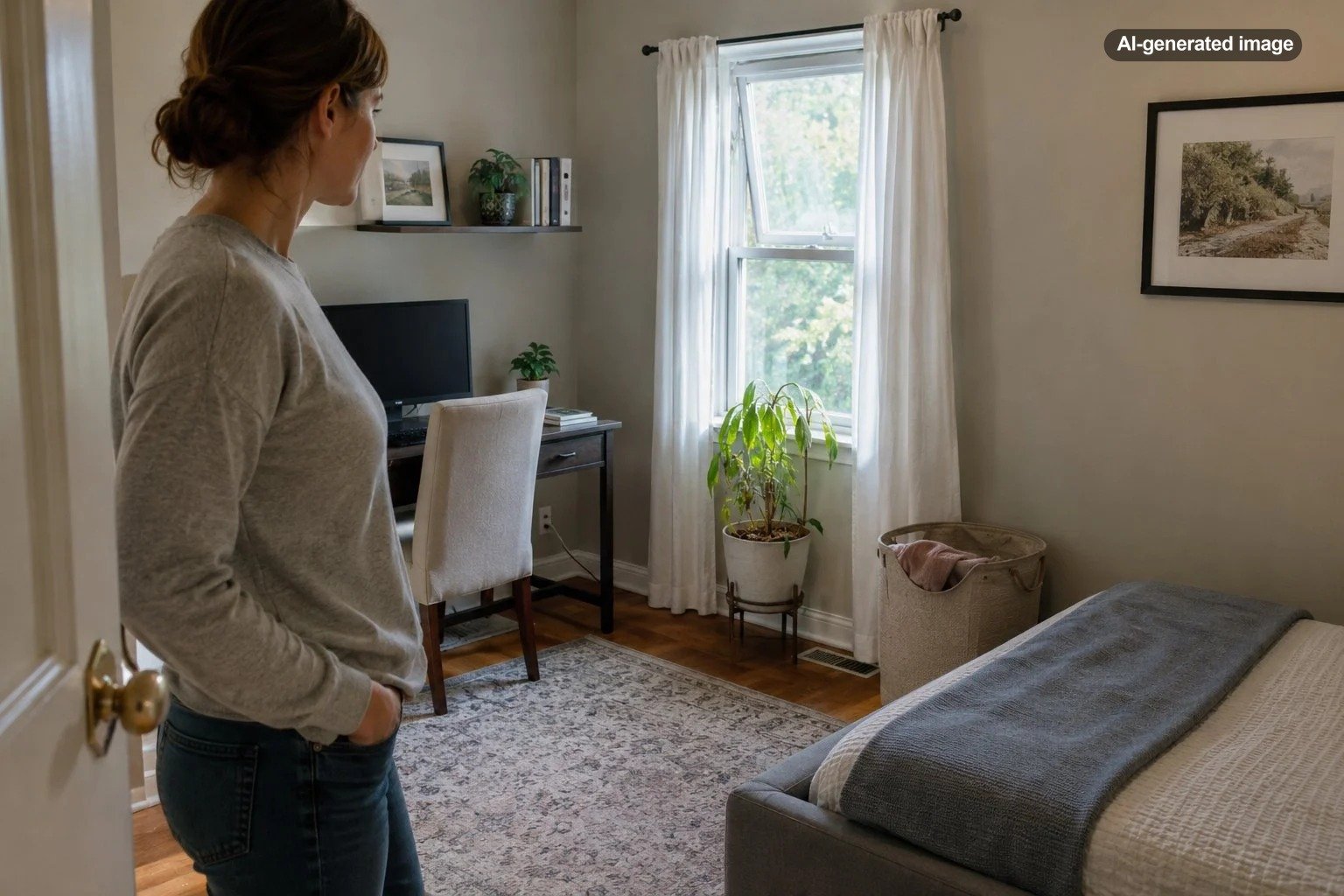
The useful clue is that the smell is concentrated in one place. Instead of deodorizing the whole house, treat the room like a small investigation. First identify when the smell is strongest, then eliminate the easiest causes before assuming something complicated is happening.
Start with the things that can quietly hold odor
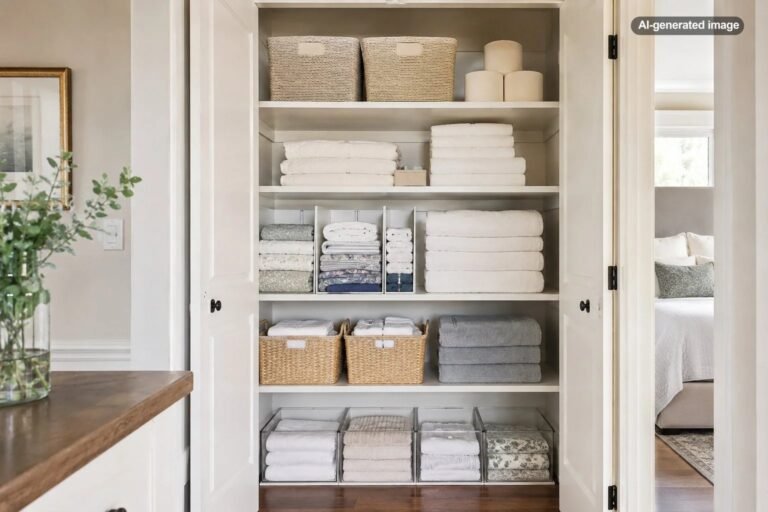
A room does not need to look dirty to smell different. Soft and porous materials can absorb cooking odors, body oils, pet smells, smoke, humidity, and fragrances and release them gradually. Carpeting, rugs, upholstered furniture, curtains, bedding, throw pillows, fabric storage bins, and even a heavily used desk chair can become odor reservoirs.
Begin by taking removable fabrics out of the room or laundering them according to their care instructions. Empty the wastebasket. Check gym bags, shoes, hampers, reusable shopping bags, pet beds, old flowers, and anything stored under a bed or sofa. If the smell improves substantially after a particular item leaves, you have a much better lead than you would get from spraying air freshener.
Check drains and nearby plumbing
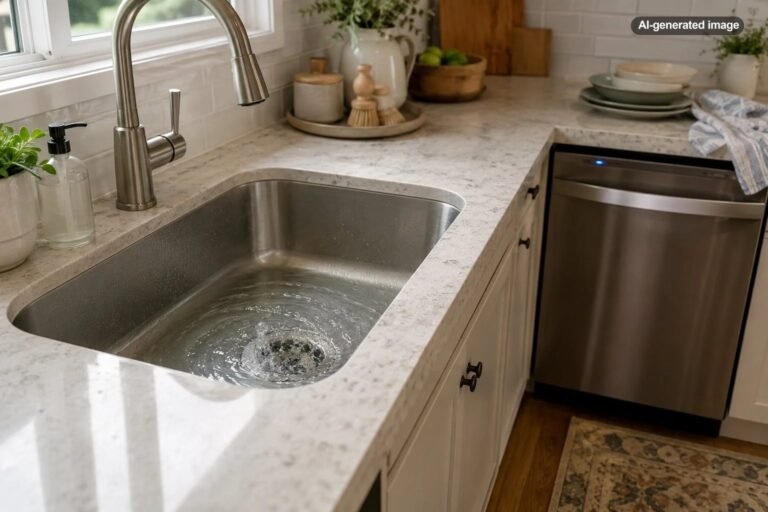
If the room contains a sink, shower, tub, floor drain, laundry connection, or other plumbing fixture, pay attention to whether the odor seems strongest near it. Fixtures that are rarely used can sometimes develop noticeable drain odors. A bathroom that looks spotless can therefore smell worse after sitting unused than one used every day.
Run water in little-used fixtures and observe whether the odor changes. Also look around sink cabinets, toilet bases, supply lines, walls, and ceilings for staining, swelling, dampness, or other signs of a leak. Do not dismantle plumbing merely to hunt for an odor. If the smell persists around a fixture, there is recurring moisture, or you suspect a drainage or venting problem, a qualified plumber can investigate the system rather than relying on guesswork.
Look for moisture when the smell is musty
A musty or earthy odor deserves more attention than an ordinary stale-room smell. The U.S. Environmental Protection Agency says a moldy odor can indicate mold growth and should be investigated. Mold requires moisture, so the important question is not simply how to cover the smell but where unwanted moisture could be coming from.
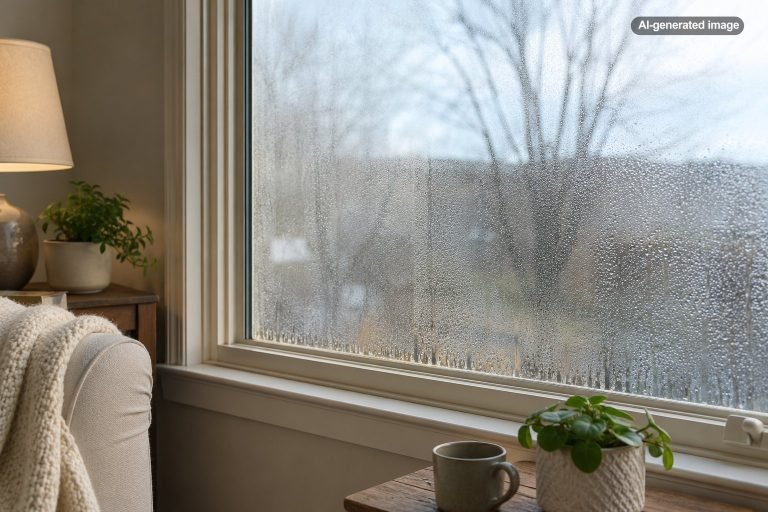
Inspect window frames, exterior walls, baseboards, closets, areas behind large furniture, ceilings below bathrooms or roofs, and spaces around plumbing. Look for condensation, recurring dampness, discoloration, peeling finishes, swollen materials, or evidence of a previous leak. Furniture pushed tightly against a cool exterior wall can also conceal an area with limited air movement.
The EPA emphasizes moisture control as the key to controlling indoor mold growth and recommends addressing leaks and water problems rather than treating surface growth alone. Water-damaged materials should also be dried promptly. If you find extensive growth, significant water damage, or moisture whose source you cannot identify, professional evaluation may be appropriate.
Notice whether airflow changes the smell
Air movement can make one room smell unusually stale even when nothing obvious is wrong inside it. Compare the room with nearby spaces. Is the door normally closed? Is a supply or return vent blocked by furniture? Does the smell appear only when the heating or cooling system runs? Does opening the door or window noticeably change it?
A dusty vent grille can be cleaned without assuming the ductwork is responsible. More importantly, note patterns. If the odor starts when HVAC equipment operates, appears around a particular register, accompanies visible moisture, or persists despite eliminating room-level sources, an HVAC professional may be better equipped to evaluate the system.
Also remember that pressure differences can move odors between spaces. A smell that seems to originate in a bedroom may occasionally be traveling from an adjoining bathroom, closet, attic access, garage-adjacent area, or another connected space.
Search for overlooked organic sources
Some mystery odors come from small things hidden in inconvenient places. Move lightweight furniture where practical and inspect behind dressers, underneath beds, along baseboards, beneath removable cushions, and inside accessible closets. Check houseplants for stagnant water or decaying plant material, and inspect pet areas carefully.
If the odor is unusually strong, appears suddenly, and seems concentrated near a wall, ceiling, attic access, crawlspace connection, or inaccessible cavity, pests may be part of the explanation. Avoid opening walls solely to chase a smell. Signs such as droppings, scratching sounds, damaged materials, insect activity, or a strong odor from an inaccessible location can justify calling an appropriate pest-control or home-service professional.
Pay attention to newer furnishings and finishes
If the smell began after bringing in new furniture, flooring, paint, cabinetry, mattresses, rugs, adhesives, or other materials, the timing matters. New materials can produce noticeable odors, especially in a room that stays closed most of the day.
Follow the product manufacturer’s instructions for ventilation, curing, cleaning, and use rather than trying aggressive homemade treatments. If a product continues to produce an objectionable odor beyond what its instructions lead you to expect, contact the manufacturer or retailer for product-specific guidance.
Use a simple elimination sequence
What to do
- Remove trash, food, laundry, shoes, pet items, plants, and other obvious odor sources.
- Launder or temporarily remove washable fabrics and soft furnishings where practical.
- Open the room and improve ordinary ventilation when weather and household conditions make that appropriate.
- Check seldom-used plumbing fixtures and run water in them.
- Inspect windows, exterior walls, closets, ceilings, baseboards, and plumbing areas for moisture.
- Notice whether the smell changes when the HVAC system starts or stops.
- Move accessible furniture and inspect concealed floor and wall areas.
- If the odor remains, record where and when it is strongest before choosing the appropriate professional to investigate further.
This sequence matters because it keeps a small housekeeping problem from turning into an expensive guessing exercise. An odor that disappears when a rug leaves the room does not require the same response as one that intensifies beside a damp wall.
When a weird smell should not be treated as a cleaning problem
Some odors warrant immediate caution. The Pipeline and Hazardous Materials Safety Administration advises people who notice the distinctive rotten-egg smell associated with odorized natural gas to leave the area and contact emergency help from a safe location. Avoid flames, engines, electrical switches, and other potential ignition sources in the suspected leak area.
Carbon monoxide is a separate hazard and cannot be identified by smell. The U.S. Consumer Product Safety Commission describes carbon monoxide as colorless and odorless and recommends working CO alarms in the home. In other words, a strange room smell is not a reliable carbon-monoxide warning system, and the absence of an odor does not indicate that carbon monoxide is absent.
Why air freshener usually does not solve the mystery
Fragrance can make a room more pleasant after the underlying source has been corrected, but it is a poor diagnostic tool. Masking a smell makes it harder to tell whether your cleaning, drying, plumbing, or ventilation steps actually worked.
After removing a suspected source, give the room enough time to air out and reassess it without strong candles, sprays, plug-ins, or heavily scented cleaners. The goal is not to create a stronger smell. It is to return the room to a neutral baseline so you can tell whether the original odor is gone.
The fastest way to solve a mystery odor is usually to isolate its source, not compete with it.
Frequently asked questions
Why does my bedroom smell weird after the door has been closed?
Closed rooms have less air exchange, so odors held by bedding, carpet, clothing, furniture, shoes, pets, or stored belongings can become more noticeable. Start with removable items and ventilation, then investigate moisture if the smell is musty or repeatedly returns.
Can a room smell musty without visible mold?
Yes. A musty odor can be noticeable before you see an obvious source, including when dampness is concealed behind furniture or inside building materials. The EPA recommends investigating moldy odors and focusing on moisture sources rather than relying solely on what is visible.
Why does the smell get worse when the air conditioning turns on?
The timing suggests that airflow deserves investigation, but it does not prove that the HVAC equipment is the source. Check the room for ordinary odor sources and visible moisture first. If the pattern consistently follows system operation or seems concentrated at a vent, consider having the HVAC system evaluated.
Should I buy an odor detector or air purifier first?
For a localized mystery smell, basic investigation is usually the more logical first step. Remove likely sources, check plumbing and moisture, and observe airflow patterns. An appliance cannot repair a leak, remove spoiled material hidden behind furniture, or correct a plumbing problem.
Sources & further reading
- U.S. Environmental Protection Agency: What does mold smell like?
- U.S. Environmental Protection Agency: A Brief Guide to Mold, Moisture and Your Home
- Pipeline and Hazardous Materials Safety Administration: Recognizing and Responding to Pipeline Emergencies
- U.S. Consumer Product Safety Commission: Protect Your Family from Carbon Monoxide Poisoning