
Why Does My Closet Smell Stale?
A stale-smelling closet is usually caused by a combination of trapped air, moisture, dust, and fabrics that were stored before they were completely clean or dry. The closet may not be visibly dirty, yet its enclosed layout allows faint odors from shoes, laundry, cardboard, wood, and textiles to collect instead of dispersing.
Begin by emptying enough of the closet to inspect it properly. Wash or air out odor-holding items, clean the shelves and floor, and look for moisture rather than trying to cover the smell with fragrance. A persistent musty or earthy odor deserves particular attention because it can indicate damp materials or hidden mold growth.
The most common reasons a closet smells stale
A closet concentrates small odors that would barely register in a larger room. Several causes often overlap, so the best approach is to work through them in a sensible order.
Air rarely moves through the space
Closets with solid doors, tightly packed rods, and shelves filled to the ceiling receive little air circulation. Warm air, normal household humidity, and odors from stored belongings remain trapped. This is especially noticeable in closets that stay closed for days at a time or sit against an exterior wall.
A closet can smell stale even without a leak or mold problem. In that case, simply creating more open space and allowing room air to circulate may make a considerable difference.
Clothes were stored with residual moisture or soil
A garment does not have to feel wet to carry moisture. Coats worn in rain, workout clothing, bathrobes, beachwear, and freshly ironed garments can all introduce dampness. Clothing that has absorbed body oils, cooking odors, smoke, or perfume may also develop a heavier smell during long storage.
Dry-cleaning bags can make matters worse when they remain over garments for months. They restrict airflow and can trap residual odors. Remove disposable plastic covers after bringing clothing home, then use breathable garment protection only where it is genuinely needed.
Shoes, hampers, and soft storage absorb odors
Shoes are frequent contributors because they combine fabric, leather, perspiration, and limited drying time. An uncovered hamper filled with worn clothing can affect the entire closet, as can fabric bins, old suitcases, upholstered organizers, and reusable shopping bags.
Cardboard boxes also absorb humidity and odors. They are not automatically a problem, but stained, softened, or musty boxes should be removed rather than sprayed and returned to the shelf.
Dust has settled where you cannot see it
Closet floors, baseboards, shelf corners, door tracks, and the tops of storage boxes are easy to overlook. Dust contains fibers and other household debris that can hold odor. Carpeted closets may be especially stubborn because the carpet and pad can retain spills, pet odors, moisture, or residue from shoes.
Moisture is entering from somewhere else
A plumbing leak, roof problem, damp exterior wall, poorly sealed window, humid adjoining bathroom, or moisture rising from a basement or slab can affect a closet before obvious damage appears. The U.S. Environmental Protection Agency emphasizes that controlling moisture is the key to controlling indoor mold growth.
Pay attention to peeling paint, swollen trim, soft drywall, rusting hardware, darkened carpet edges, condensation, or an odor that is strongest near one wall. These clues suggest that the problem is more than ordinary stagnant air.
How to find the source without guessing
What to do
- Open the closet and remove the contents in sections. Smell garments, shoes, bins, luggage, and the empty space separately so one strong item does not confuse the search.
- Check for dampness and staining. Inspect walls, ceilings, baseboards, shelf undersides, carpet edges, and the wall behind stored boxes.
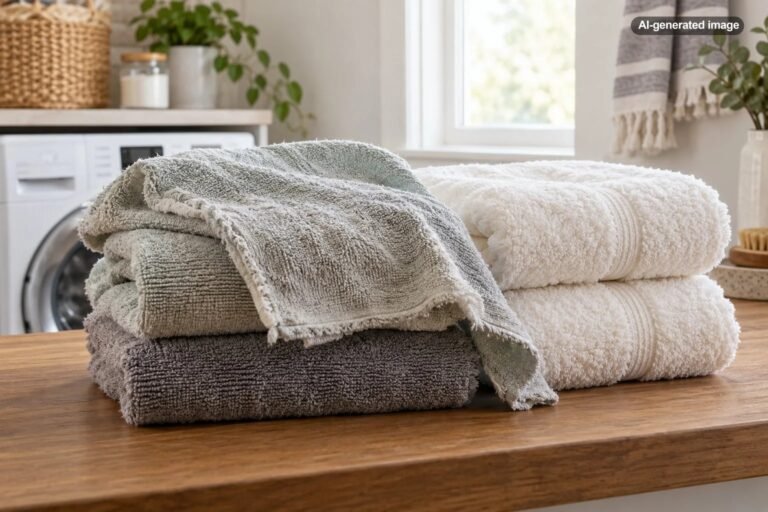
- Wash or air out odor-holding belongings. Follow care labels for clothing and linens. Let shoes, coats, and washable organizers dry completely before returning them.
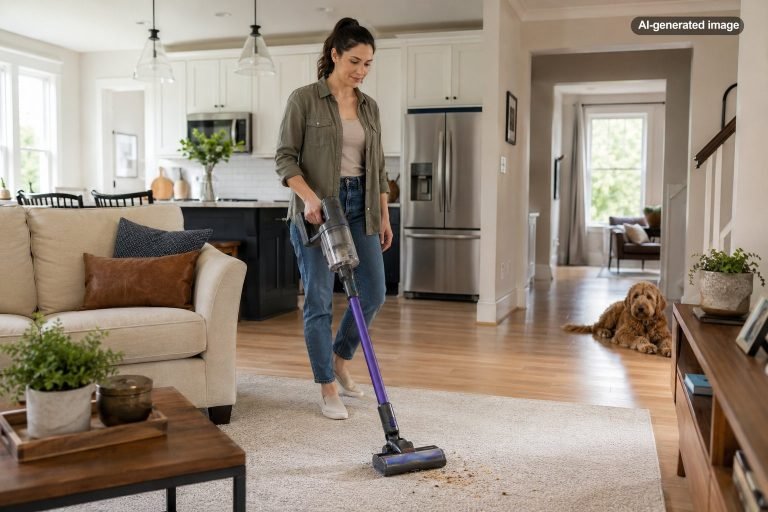
- Vacuum from top to bottom. Clean shelves, corners, rods, vents, door tracks, baseboards, and flooring with the appropriate attachment.
- Wipe hard surfaces. Use a lightly dampened cloth and a cleaner suitable for the painted, laminated, metal, or wood surface. Avoid saturating shelves or drywall.
- Leave the closet open while it dries. Do not refill it until the shelves, floor, and cleaned belongings are fully dry.
- Return items with breathing room. Avoid pressing clothing tightly against walls or filling every shelf edge to edge.
How to improve closet airflow
Once the closet is clean and dry, give air a path through the stored contents. Leave small gaps between stacks, avoid pushing boxes firmly against exterior walls, and keep the floor from becoming a solid layer of shoes and bins.
Open the door regularly, particularly after humid weather or when putting away coats and shoes. A louvered door can improve passive airflow, although changing a door may not be practical for renters. In that case, periodic door opening and less-dense storage are simpler options.
A small fan placed outside the closet can help circulate room air through the opening during cleaning or drying. Do not place electrical devices where they could be covered by clothing, blocked by stored items, or exposed to moisture.
Humidity can keep the odor coming back
Closets often sit outside the main path of conditioned air, so they can remain slightly warmer or more humid than the bedroom. This matters in humid climates, in homes where air conditioning runs infrequently, and in closets adjoining bathrooms or laundry areas.
A portable humidity meter can help determine whether the closet differs from the surrounding room. Treat the reading as a clue rather than a diagnosis; humidity varies throughout the day and by season. If the entire room is humid, address the room or home-level moisture source instead of trying to condition one packed closet in isolation.
University of Minnesota Extension recommends identifying and removing the source of excess moisture first, then using ventilation or dehumidification when the source cannot be fully eliminated. That order matters. A dehumidifier may reduce symptoms, but it should not be used to ignore an active leak.
When a stale smell may be mold
Mold can have a musty or earthy odor, and it does not always grow in an immediately visible location. It may be behind drywall, beneath carpet, inside a storage box, or on the back of furniture pressed against a damp wall. The Centers for Disease Control and Prevention advises cleaning up mold and correcting the moisture problem when mold is seen or smelled.
Do not assume every stale closet contains mold. Dust, shoes, cardboard, and stored textiles are more ordinary explanations. The distinction is whether the odor improves after cleaning and airing or quickly returns from a specific area.
Do not paint over staining, soak porous materials with fragrance, or rely on routine air sampling as a substitute for finding moisture. The useful question is not simply what type of odor is present, but what material is damp and why.
How to keep the closet fresh after cleaning
- Put away only clean, completely dry clothing and linens.
- Let shoes dry and air out before placing them in closed bins.
- Empty hampers regularly and choose a ventilated design where practical.
- Remove disposable dry-cleaning bags from garments.
- Use breathable storage for long-term textile protection.
- Vacuum the floor, shelf edges, and baseboards as part of normal bedroom cleaning.
- Keep cardboard away from walls that have a history of dampness.
- Inspect the closet after storms, plumbing problems, or extended periods of high humidity.
- Avoid overfilling the space; a little empty room is functional, not wasted.
A fresh closet depends less on perfume than on clean fabrics, dry materials, and enough room for air to move.
Frequently asked questions
Why do my clean clothes smell stale in the closet?
Clean clothes can absorb odors from shoes, hampers, cardboard, carpet, or the closet itself. They may also have been stored with slight residual moisture. Clean the empty closet, verify that garments are fully dry, and avoid packing them too tightly.
Will leaving the closet door open solve the problem?
It may solve a mild airflow problem, but it will not correct a leak, damp carpet, mold growth, or contaminated belongings. If the smell disappears while the door is open and returns soon after closing it, reduce crowding and investigate humidity.
Can I use baking soda or charcoal in a closet?
Odor-absorbing materials can help with faint residual smells after the closet has been cleaned and dried. Keep loose powders away from clothing, children, and pets, and replace any absorber according to its instructions. It should not be used to conceal an unresolved musty odor.
Why is the odor worse during summer?
Warm weather and higher humidity can increase moisture in fabrics, carpet, cardboard, and poorly ventilated spaces. Closets on exterior walls or near bathrooms may be affected more than the surrounding room.
Should I replace everything stored in a musty closet?
Usually not. Washable clothing and hard, nonporous items may be cleanable, while water-damaged porous materials may be difficult to restore. Base the decision on the material, the extent of contamination, care instructions, and whether the moisture source has been corrected.