Why Is One Room Hotter Than the Rest of the House?
When one room feels noticeably hotter than the rest of the house, the problem usually comes down to an imbalance between the heat entering that room and the cooling reaching it. Strong afternoon sunlight, restricted airflow, inadequate insulation, leaky ductwork, or poor air circulation can all contribute. The central air conditioner may be working normally while one bedroom, office, or upstairs space remains uncomfortable.
The important question is whether the room is gaining too much heat, receiving too little cooled air, or both. Those possibilities require different solutions. Before lowering the thermostat for the entire house, a few simple observations can help identify where the problem begins.
Why One Room Can Be Hotter Even When the AC Is Running
Most central air-conditioning systems respond to a thermostat located in one area of the house. When that location reaches the selected temperature, the system may stop cooling even if a distant bedroom or upstairs office remains warmer.
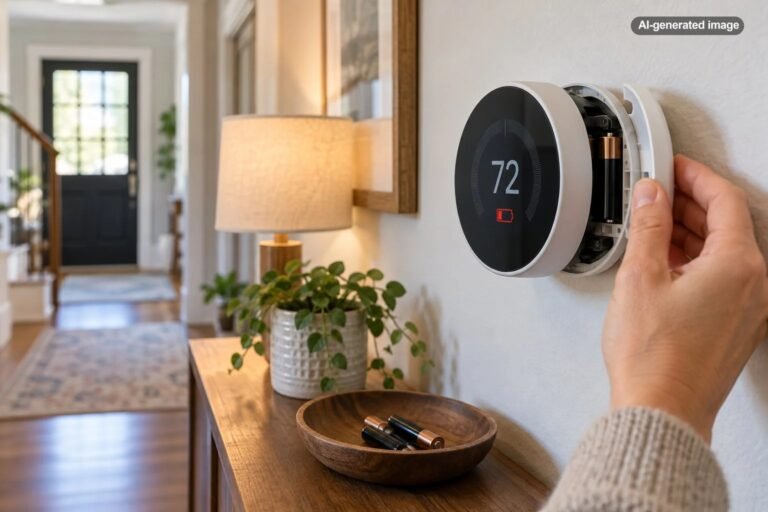
Consider a thermostat in a shaded downstairs hallway. That hallway may reach 74 degrees while a west-facing bedroom remains at 80 degrees. The thermostat is not necessarily malfunctioning. It is measuring the temperature where it is installed rather than the temperature of every room.
Room-to-room temperature differences become more noticeable when several factors overlap. A space with large windows, limited insulation, and a long duct run may receive more heat while getting less cooling than a nearby interior room.
1. The Room Gets More Direct Sunlight
Solar heat gain is one of the most common explanations for a room that becomes particularly hot during sunny weather. Sunlight enters through windows, warming floors, furniture, walls, and other surfaces. Those materials can continue releasing heat after direct sunlight has moved away.
West-facing rooms are especially likely to experience late-afternoon heat buildup. South-facing windows can also contribute significant solar gain depending on the season, climate, shading, and window design.
How to recognize a sunlight problem
- The room feels comfortable in the morning but becomes warmer later in the day.
- Closing the blinds during peak sunlight noticeably improves comfort.
- Furniture or flooring near the windows feels warmer than surfaces elsewhere.
- The room cools more easily after sunset.
Try closing blinds or shades before sunlight begins heating the room. Light-colored solar shades, appropriately selected window films, exterior shading, and suitable window coverings may help reduce solar heat gain. Check window manufacturer guidance before applying film, particularly to insulated glass units.
Blackout curtains can improve light control, but they are not automatically the best choice for reducing heat. Their thermal performance depends on their materials, construction, fit, and installation.
2. The Air Vent Is Blocked or Airflow Is Restricted
A central cooling system needs to deliver enough conditioned air to each room. If the supply register is blocked or airflow is restricted, the room may receive less cooling than intended.
Common obstructions include furniture placed directly over floor registers, rugs covering vents, closed adjustable registers, and objects positioned immediately in front of wall outlets.
Look for obvious obstructions and make sure the register is open. With the cooling system operating, compare the airflow from that register with airflow from other similar registers.
A noticeable difference does not automatically mean something is broken. Different rooms may have different designed airflow requirements. However, unusually weak airflow in a consistently hot room is useful information for an HVAC technician.
3. The Ductwork Is Leaking, Crushed, or Poorly Balanced
Sometimes the room’s supply register is completely open, but the duct serving it cannot deliver the intended amount of air.
Duct problems are especially relevant when the room sits far from the central air handler or when ductwork passes through a hot attic, garage, or unconditioned crawlspace.
Potential problems include disconnected duct sections, air leaks at joints, crushed or kinked flexible ducts, inadequate duct insulation, and improperly adjusted balancing dampers.
A duct carrying cooled air through a hot attic can also gain heat before that air reaches the room. The result may be warmer supply air, reduced airflow, or both.
ENERGY STAR identifies leaky and poorly connected ducts as common contributors to uneven comfort in homes with forced-air heating and cooling.
When ductwork deserves attention
- One room has been consistently uncomfortable since the home was built or remodeled.
- The problem started after attic work, duct replacement, or other construction.
- The supply register delivers much less air than expected.
- A room at the end of a long duct run is difficult to cool.
- Several rooms experience uneven airflow despite unobstructed registers.
Accessible duct sections can sometimes be visually inspected without disturbing equipment or insulation. Do not enter unsafe attic areas, open HVAC equipment, or attempt unfamiliar duct modifications. A qualified technician can measure airflow and static pressure, inspect duct connections, and determine whether sealing, insulation, repair, or balancing is appropriate.
4. The Room Has Inadequate Insulation or Air Sealing
Air conditioning removes heat from a room, but the surrounding building materials determine how quickly additional heat enters.
A room beneath a poorly insulated attic, beside a hot garage, or along an exposed exterior wall may experience greater heat gain than an interior room. Gaps around windows, doors, ceiling penetrations, and other openings can allow additional outdoor air into the conditioned space.
This helps explain why two bedrooms served by the same HVAC system can behave very differently.
Insulation slows heat transfer through the building envelope. Air sealing reduces unwanted air movement through gaps and penetrations. Both may be needed because insulation alone does not necessarily stop air leakage.
Look for visible gaps around windows and doors, damaged weatherstripping, and obvious signs of missing insulation in safely accessible areas. A professional home energy assessment can help identify concealed problems before substantial repairs are considered.
5. Warm Air Collects Upstairs
Upper floors often have a different cooling burden from lower floors. Heat rises through buoyancy-driven air movement, but that is only part of the explanation.
Second-floor rooms may also receive more solar exposure through the roof, have larger exterior surface areas, or sit directly beneath a hot attic. Meanwhile, a thermostat downstairs may end the cooling cycle before the upper floor reaches a comfortable temperature.
The difference can be particularly noticeable in homes with open staircases, high ceilings, or a single HVAC system serving multiple floors.
Possible improvements include better attic air sealing and insulation, appropriate duct balancing, improved solar shading, and professionally designed zoning or supplemental cooling where justified.
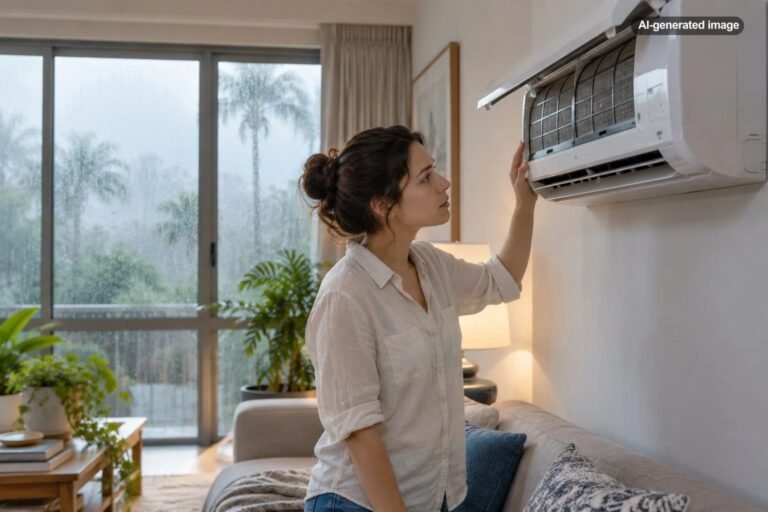
A ductless mini-split may be worth evaluating for a persistently hot upper-floor room or finished attic, particularly when extending or modifying existing ductwork is impractical. However, installing additional equipment before investigating insulation and airflow can leave the underlying problem unresolved.
6. The Room Cannot Return Air Properly
Supply air needs a path back to the HVAC system. In homes with central return grilles, bedrooms may rely on air moving through door openings or other return-air pathways.
When a bedroom door is closed, insufficient return airflow can create a pressure difference that interferes with comfortable air distribution.
One useful observation is whether the room becomes noticeably more comfortable when its door remains open. This does not prove a return-air problem, but it can help identify a condition worth investigating.
Depending on the home’s layout, a qualified HVAC professional may recommend a dedicated return, transfer grille, jump duct, or another properly designed return-air pathway.
Do not cut openings into doors or walls without considering fire separation, privacy, sound transmission, building requirements, and the existing HVAC design.
7. The Room Generates More Heat Than Nearby Spaces
Not all unwanted heat comes from outdoors. Computers, monitors, gaming systems, televisions, lighting, and other electrical equipment release heat while operating.
A home office containing multiple monitors and a continuously operating desktop computer may have a substantially different heat load from an otherwise similar guest bedroom.
People also release heat, so a small room occupied by several people can feel warmer than an empty room.
Notice whether the temperature difference becomes more pronounced during work hours, gaming sessions, or other equipment-heavy activities. Reducing unnecessary equipment operation and improving air circulation may help.
How to Figure Out What Is Making Your Room Hotter
Rather than changing several things at once, use a simple troubleshooting sequence. The timing of the temperature difference often provides the strongest clue.
What to do
- Measure the temperature. Use the same reliable room thermometer to compare the problem room and a nearby comfortable room. Place it away from direct sunlight, supply vents, electronics, and other heat sources. Allow readings to stabilize.
- Record when the difference occurs. Compare morning, afternoon, evening, and periods when the cooling system is running.
- Check the supply register. Remove obvious obstructions and confirm that adjustable louvers are open.
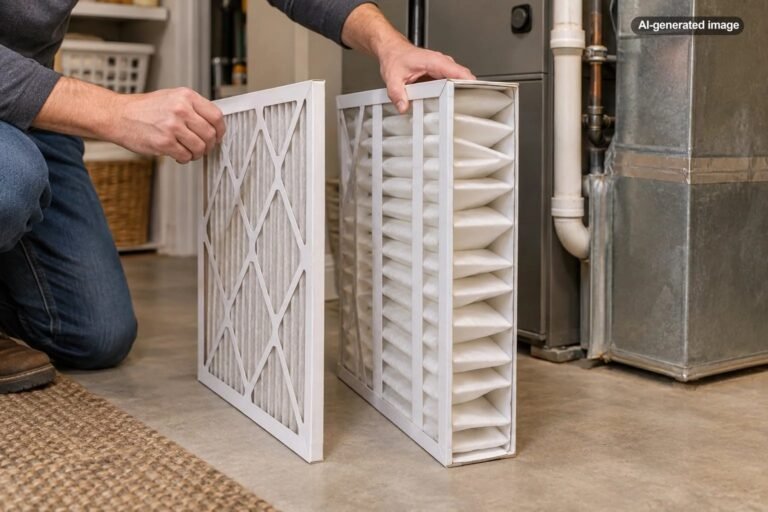
- Check the system filter. Inspect it according to the equipment manufacturer’s instructions and replace or clean it when appropriate. A dirty filter typically affects the system more broadly but can worsen existing airflow problems.
- Test window shading. Keep blinds or shades closed before peak sun exposure for several comparable sunny days and observe the result.
- Compare door positions. Note whether keeping the room door open changes comfort during similar operating conditions.
- Document persistent symptoms. Record unusually weak airflow, changes after renovations, or differences between floors before arranging professional evaluation.
A basic temperature log is often more informative than an isolated reading. For example, a room that is consistently several degrees warmer throughout the day suggests a different problem from one that becomes uncomfortable only when direct sun reaches its windows.
What the Timing of the Problem Can Tell You
| What you notice | Possible explanation | First step |
|---|---|---|
| Hot mainly in late afternoon | West-facing solar heat gain | Try earlier window shading |
| Hot throughout the day with weak vent airflow | Restricted supply airflow or duct issue | Check register and filter |
| Hot mostly when the door is closed | Inadequate return-air pathway | Compare with door open |
| Hot directly beneath the attic | Roof heat gain or insulation problems | Evaluate attic insulation and air sealing |
| Hot during computer use | Internal equipment heat | Reduce unnecessary heat sources |
| Hot after recent HVAC or remodeling work | Changed duct distribution or room loads | Request an airflow assessment |
These patterns are clues rather than definitive diagnoses. More than one cause can be present in the same room.
How to Cool a Hot Room Without Overcooling the Whole House
Lowering the central thermostat may make the warm room more comfortable, but it can also leave other rooms unnecessarily cold. The better approach is to address the specific reason the room is overheating.
Use window treatments strategically
Close suitable shades before direct sunlight enters the room. Exterior shading may be especially effective when practical, because it intercepts sunlight before the heat passes through the glass.
Improve air movement
A ceiling fan or portable fan can improve comfort by moving air across occupants. Fans do not generally lower the room’s actual air temperature, and their motors add a small amount of heat. Use them where people are present rather than assuming they cool an empty room.
Keep airflow pathways open
Move furniture away from supply and return grilles. Avoid covering floor registers with rugs or using decorative vent covers that substantially restrict airflow.
Address building-envelope problems
Appropriate weatherstripping, air sealing, and insulation improvements can reduce heat entering the room. The right solution depends on whether the problem involves windows, exterior walls, the attic, or another part of the building.
Consider targeted cooling only when necessary
When the room has an unusually high heat load or the central system cannot practically serve it adequately, supplemental cooling may be reasonable. Window air conditioners and ductless mini-splits can provide room-specific cooling, but installation requirements, electrical capacity, noise, appearance, moisture management, and ongoing maintenance all matter.
A supplemental system should be properly sized rather than selected solely because the room feels especially hot.
When to Call an HVAC Professional
Professional evaluation becomes worthwhile when simple checks do not explain the difference or the problem continues despite reasonable improvements.
Consider scheduling an HVAC assessment if airflow is unusually weak, a room never reaches a comfortable temperature, cooling performance changed suddenly, or the system operates for extended periods without maintaining comfort.
A technician may need to assess duct leakage, airflow distribution, static pressure, return-air pathways, refrigerant-system performance, equipment capacity, or thermostat placement. Not every problem requires replacing the air conditioner.
If the cooling system performs normally but the room remains hot, a home energy professional may be better positioned to evaluate insulation, air leakage, and solar heat gain. In some homes, coordinated HVAC and building-envelope improvements produce a better result than equipment changes alone.
Frequently Asked Questions
Why is one bedroom hotter than the rest of the house?
A bedroom may have greater sun exposure, insufficient cooling airflow, inadequate insulation, or a restricted return-air pathway. Its location relative to the thermostat and duct system also matters. Check when the room heats up and whether airflow changes with the door open.
Can a dirty air filter make one room hotter?
Yes, indirectly. A dirty filter can reduce airflow through the HVAC system and worsen existing distribution problems. However, because the filter normally serves the entire system, a single hot room often has an additional room-specific cause.
Will closing vents in other rooms send more cold air to the hot room?
Not necessarily. Restricting multiple registers can increase system pressure and create airflow problems. If the home needs redistribution of conditioned air, an HVAC professional can evaluate appropriate balancing adjustments.
Why is my upstairs bedroom hotter even at night?
Heat stored in the roof, attic, walls, and furnishings can continue affecting the room after sunset. Poor attic insulation, limited nighttime heat removal, insufficient airflow, and thermostat location may also contribute. Persistent nighttime heat can justify an attic and HVAC assessment.
Should I install a second thermostat for the hot room?
A second thermostat alone does not create independent temperature control. Proper zoning generally requires compatible controls and an HVAC system designed to manage different areas. Depending on the home, balancing, duct improvements, or supplemental cooling may be more appropriate.
The Best Fix Starts With Finding the Real Cause
A hotter room is not automatically evidence that the air conditioner is too small or failing. The issue may be as straightforward as strong afternoon sunlight or a blocked register, or as involved as inadequate duct distribution and attic insulation.
Start with the easiest observations: temperature timing, window exposure, vent airflow, door position, and internal heat sources. If those checks do not explain the difference, professional testing can help distinguish an HVAC distribution problem from a building-envelope issue.
The goal is not simply to make the entire house colder. It is to help the uncomfortable room receive enough cooling while limiting unnecessary heat gain, so the home feels more consistent without sacrificing comfort elsewhere.
Sources & Further Reading
- ENERGY STAR: Duct Sealing – Guidance on duct leakage and uneven heating and cooling.
- ENERGY STAR: Identify the Problems You Want to Fix – Common comfort problems associated with insulation, air leakage, and ductwork.
- U.S. Department of Energy: HVAC Ducted Returns – Explanation of return-air pathways and room pressure balancing.
- ENERGY STAR: When Is It Time to Replace? – Guidance on evaluating uneven temperatures and heating or cooling system performance.
- U.S. Department of Energy: Consumer Guide to Air Sealing the Home – Information about heat transfer, insulation, air leakage, and comfort.